10 Sim Racing Tips That Would Have Saved Me Time and Money
Here are 10 things I wish I knew when I started sim racing, from why expensive gear will not make you faster to the upgrades and habits that actually improve…

Getting into sim racing is exciting because there is so much to learn, so much gear to look at, and so many ways to enjoy it. But that also means it is very easy to waste money, set things up wrong, or spend too much time focusing on the wrong parts of the hobby. Looking back, there are quite a few things I really wish I understood earlier, because they would have saved me time, money, and a lot of frustration.
Some of these are about performance, some are about comfort, and some are simply about enjoying sim racing more. Either way, if you are new to this hobby or still figuring things out, these are 10 things I genuinely wish I knew when I started sim racing.
Verified purchase options at lowest current prices:
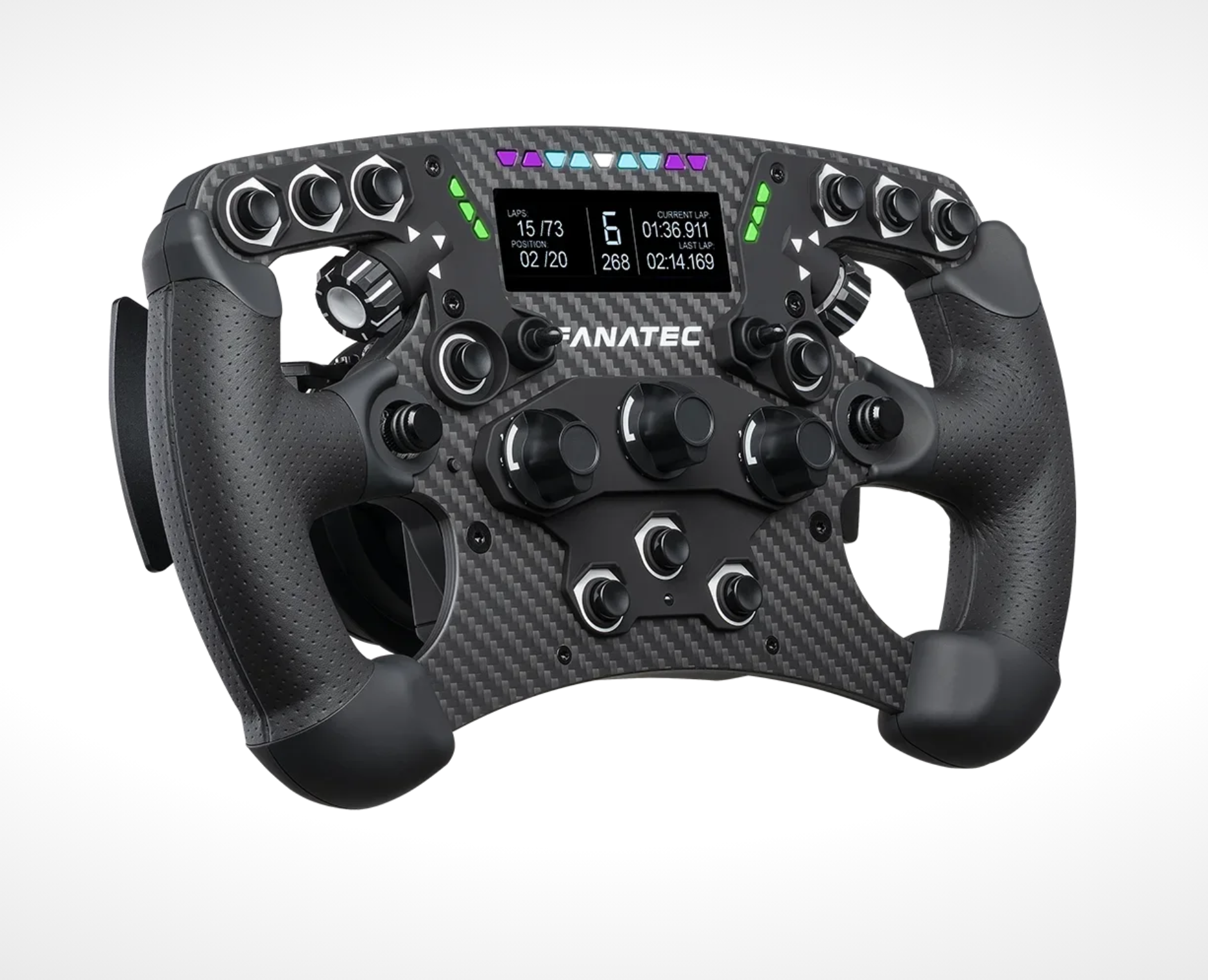
High-end gear looks amazing. It feels premium, it usually has real benefits, and there is no denying that it can make the overall experience better. But one of the biggest mistakes beginners make is assuming that better hardware automatically means better results. It does not. There will always be someone out there on a Logitech G29 who is faster than the guy with a full direct drive setup, load cell pedals, and a $1,000 wheel.
That is because gear will never compensate for skill. If your goal is to get faster, the first place to invest is your time, not your wallet. Practice properly, build consistency, work on your racecraft, and actually learn what is slowing you down. Once you do that, upgrades begin to make a lot more sense, because then you are in a position to understand what will genuinely help and what would simply be a very expensive distraction.
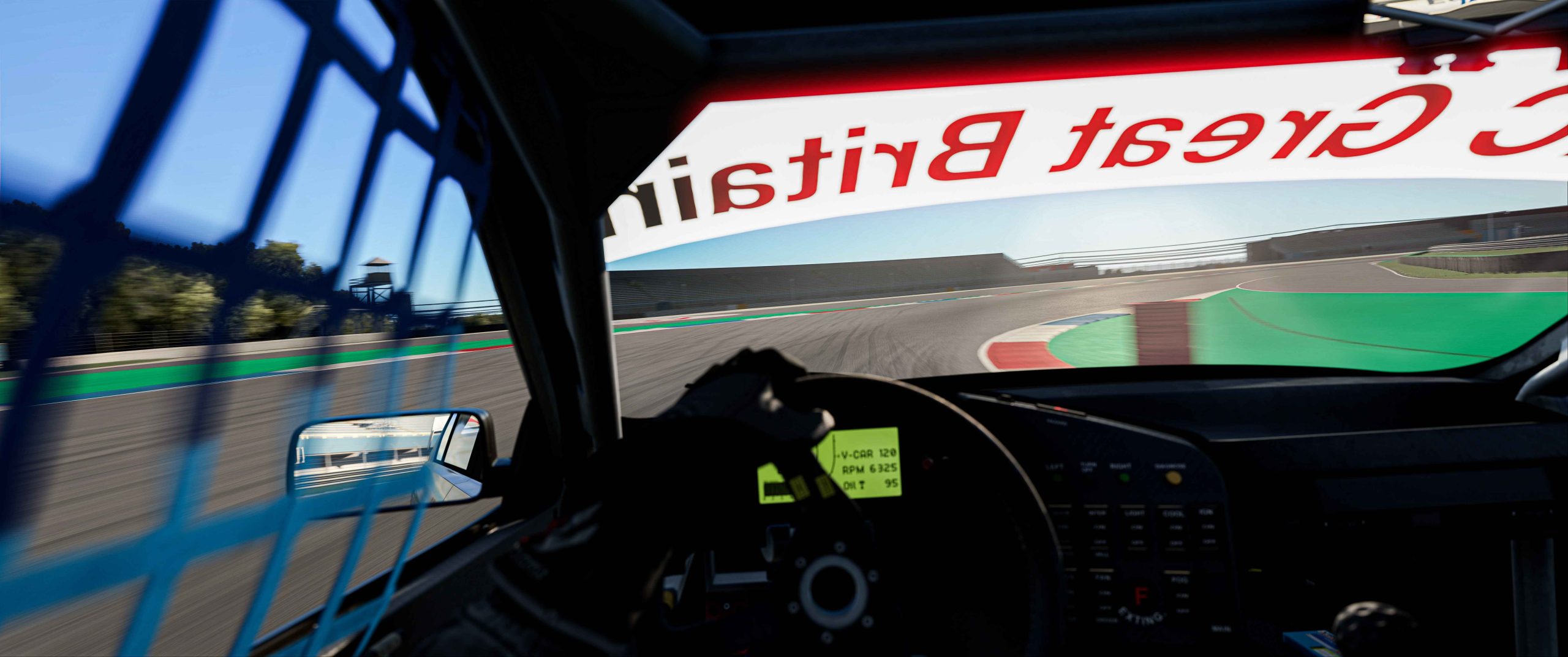
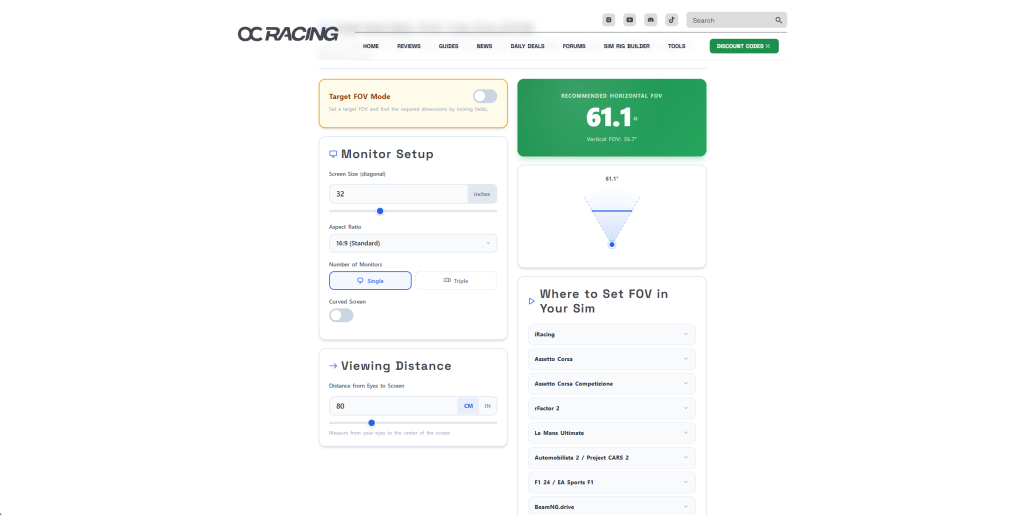
FOV is one of the most overlooked parts of sim racing, and it makes a bigger difference than a lot of people realize. Many drivers spend good money on their setup, then run a field of view that is completely off and never think twice about it. That hurts immersion, of course, but it also affects how natural the sim feels when you are actually driving.
A proper FOV can help you judge speed, distance, corner entry, and where other cars are around you much more effectively. Once it is dialed in, everything tends to click better. That is exactly why I made a free FOV calculator on this website, because this is one of those simple changes that can transform the whole experience. Before you rush into another hardware upgrade, make sure the basics are actually set up properly first.
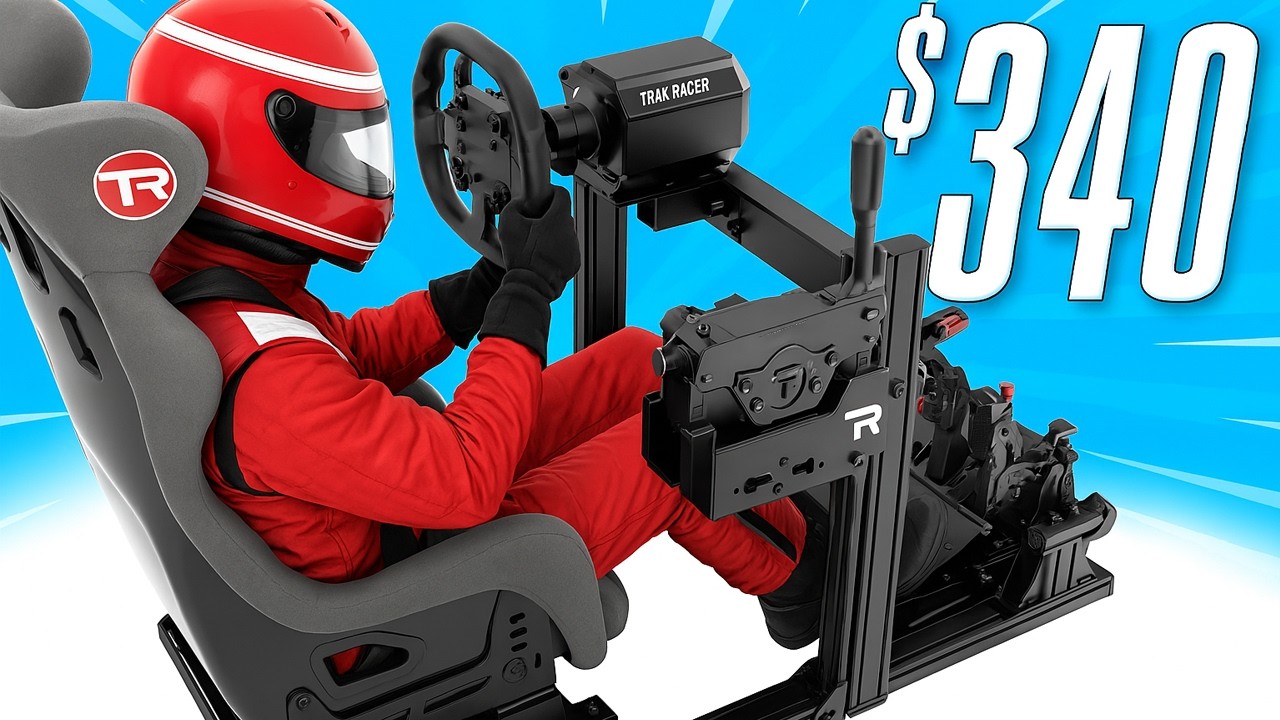
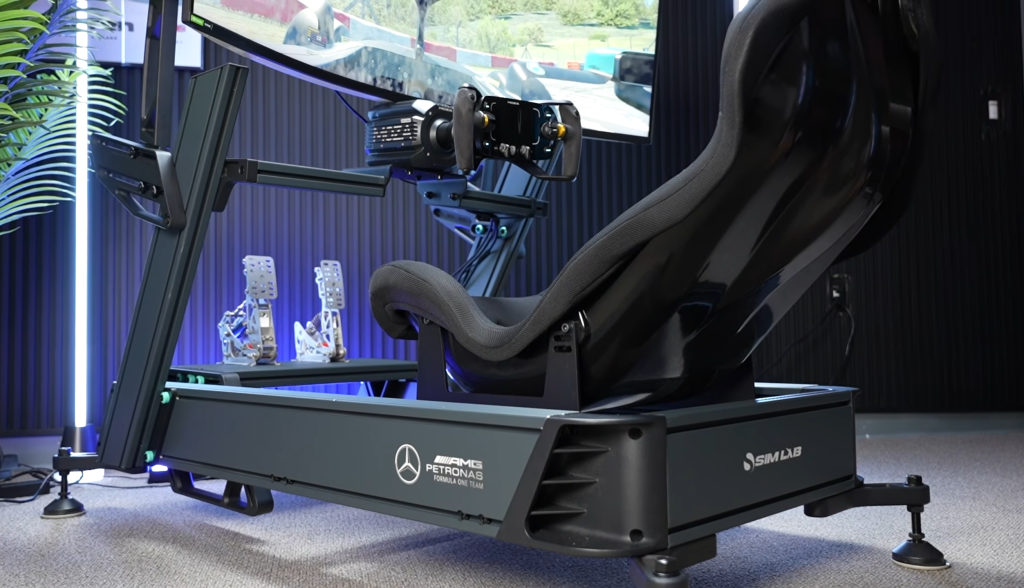
If you know sim racing is a hobby you are going to stick with, getting a proper cockpit sooner rather than later is one of the smartest things you can do. A good cockpit gives your entire setup a stable foundation. Your wheelbase feels more consistent, your pedals stay planted, your seating position becomes repeatable, and the whole rig starts to feel far more connected.
Now obviously not everyone can go out and buy a full aluminum profile rig right away, and that is completely fine. But even then, it helps to understand how important rigidity is. A stable setup does not just look better, it makes driving better too. It improves comfort, consistency, and confidence in a way that a lot of beginners do not fully appreciate until they experience it for themselves.
One of the best things I learned is that sim racing becomes much more rewarding when you stop treating it like a solo activity. Public lobbies can be fun, but if you really want better racing, better habits, and a stronger sense of progression, leagues and organized series make a huge difference. Racing the same people over time creates accountability, and that alone improves the quality of the experience.
You start learning tracks, racecraft, and consistency in a more structured way. On top of that, it gives the hobby more meaning. Instead of jumping between random sessions, now you have events to look forward to, familiar names, rivalries, group chats, and a social reason to keep improving. It makes the whole thing feel far more alive.
This is something I really wish I understood earlier. When most people get into sim racing, they think the hobby begins and ends with online races, hotlapping, and trying to get faster. But that is only one side of it. Sim racing opens the door to a huge variety of driving experiences, and some of the most enjoyable ones have nothing to do with competition at all.
You can go cruising through mountain roads, drive road cars, drift with friends, run rally stages, explore open maps, or just load up traffic and enjoy the drive. If you ever start feeling burnt out from constant competition, this is a great reminder that sim racing has far more to offer than just lap times and results. Sometimes stepping away from the pressure is exactly what makes the hobby fun again.
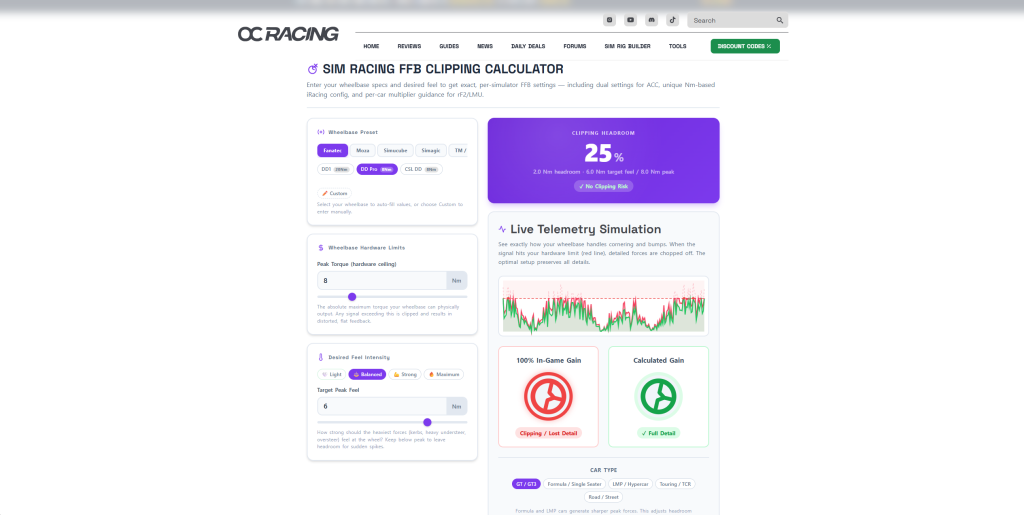
A lot of people spend serious money on sim racing hardware, then never actually take the time to set it up properly. That matters more than many beginners realize. Even great gear can feel mediocre if the settings are wrong, while more affordable gear can feel genuinely excellent when it is dialed in well. Direct drive wheelbases are a perfect example of this.
One of the biggest things to avoid is clipping. Once your force feedback starts clipping, you lose detail and valuable information from the car. Everything gets compressed into one overloaded signal, and important forces can get flattened out. That is exactly why I also made a free FFB calculator on my website, so people can get a better idea of what their optimal settings should be depending on the sim, car, and wheelbase they are using.
The same goes for pedals, especially the brake. It is very easy to get caught up in what other people online recommend, but what matters most is that your pedals feel comfortable, predictable, and consistent to you. Beyond that, even the rest of your setup matters. Your seating position, your controls, your button mapping, and your overall ergonomics can have a huge impact on both comfort and performance. These are not the most exciting changes you can make, but they often do more for the actual experience than another expensive piece of hardware.
There is a surprising amount of great sim racing software out there that costs nothing and can make a real difference. On iRacing for example, tools like Crew Chief and SimHub can add a lot to your setup. They can give you better spotter information, track maps, radar overlays, telemetry, and a whole range of useful data that improves awareness and makes racing easier to manage.
In my case, using a better spotter made a noticeable difference right away. Having clear alerts when someone is in a blind spot is incredibly useful, especially in close racing. SimHub can also be customized to show exactly the information you care about most, whether that is a track map, race position, fuel data, or something else entirely. These tools are there to help you, and many beginners overlook them for far too long.
When the time comes to upgrade, it is worth taking a second before buying brand new at full price. A lot of sim racing brands offer discount codes through creators and partner sites, and those savings can add up quickly. Even knocking a few percent off a purchase can make a meaningful difference, especially once you start looking at wheelbases, pedals, cockpits, and wheels.
Then there is the used market, which can be excellent if you shop carefully. I see great deals on Facebook Marketplace and other platforms all the time, especially on starter and mid-range gear. You do need to be a bit cautious, of course, but if you are trying to maximize value for money, buying used can be one of the smartest ways to move up without overspending.
This is a big one. In sim racing, spending more money absolutely can get you better gear, but it does not mean you are getting proportionally more performance or enjoyment every single time. The jump from a basic starter setup to a decent direct drive wheel and load cell pedals can be massive. The jump from very good gear to ultra high-end gear is often much smaller than people expect, especially for the price.
At a certain point, you start paying more for materials, brand name, small refinements, and niche features rather than a dramatic overnight improvement. That does not mean high-end gear is pointless, because for a lot of enthusiasts it is absolutely worth it. But it is important to understand where the big gains actually are. The smartest upgrades are usually the ones that solve your biggest problem or improve your comfort and consistency, not just the most expensive option on the shelf.
When I first started upgrading my setup, I focused on the obvious performance-related things first. Cockpit, pedals, wheelbase, wheel, and so on. All of those were great upgrades in their own right, but some of the ones that put the biggest smile on my face were actually the immersion-focused ones. Things like haptics, a wind simulator, and adaptive lighting added a whole different dimension to the experience.
That is worth remembering because not every upgrade needs to be about raw pace. Performance matters, of course, but sim racing is also supposed to be fun. Sometimes the upgrades that make you feel more connected to the car and more immersed in the moment end up being the most memorable. They may not always make you faster, but they can absolutely make the hobby more enjoyable.
Looking back, a lot of the things I wish I knew were not necessarily complicated. Most of them were simply about understanding where the real value is in sim racing. Not just in terms of money, but in terms of time, enjoyment, and overall experience. It is very easy to get distracted by flashy gear and endless upgrades, but the fundamentals really do matter most.
If you are just getting started, focus on building skill, setting things up properly, and finding ways to enjoy the hobby beyond just chasing lap time. That approach will take you much further than blindly buying more expensive gear. And if you have already been in sim racing for a while, chances are at least a few of these will still sound familiar.