3 Things You Didn’t Know About the Moza R3 (And Why It’s Still a Smart Starter DD in 2026)
OC Racing
February 27th, 2026
The Moza R3 is Moza’s most entry-level direct-drive bundle and, for good reason, it has become one of the most popular “first DD” options out there. It’s compact, easy to set up, and it lands right in that sweet spot where you finally get direct-drive feel without needing to rebuild your whole rig around it.
But the R3 also has a few quirks that a lot of people miss. And these quirks matter because they affect what you can upgrade later, how Xbox compatibility actually works, and whether the bundle makes sense for your setup long-term.
So, here are three interesting things you probably didn’t know about the Moza R3, plus the context behind why each one matters in the real world.
When the R3 was first announced, it was supposed to be the “easy answer” for anyone wanting an entry-level direct-drive bundle with Xbox compatibility. In practice, it did not roll out smoothly.
One of the biggest reasons is that console compatibility, especially on Xbox, is not just a casual feature that manufacturers can add whenever they feel like it. There are licensing requirements, hardware and firmware constraints, and a whole approval process that can slow things down quickly when changes are requested.
That’s essentially what happened with the R3. It was announced, people got excited, and then the timeline dragged. Moza did not just wake up and decide to delay it for fun. From what was discussed at the time, the situation involved Microsoft wanting changes, which meant Moza had to pause and adjust before the product could really hit the market the way it was intended.
The end result is that the R3 became “known” long before it was actually easy to buy. A lot of people remember seeing it announced in 2023, but it did not become widely available until much later than many expected.
2) Xbox compatibility comes from the wheel, not the wheelbase
This is the one that catches people off guard, and it is the most important detail to understand if you are buying the R3 specifically for Xbox.
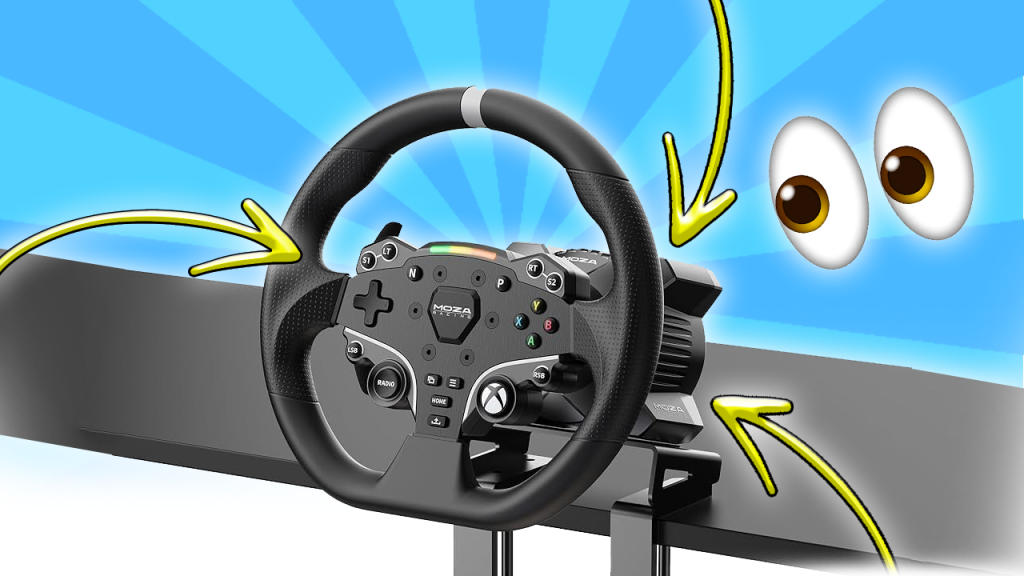
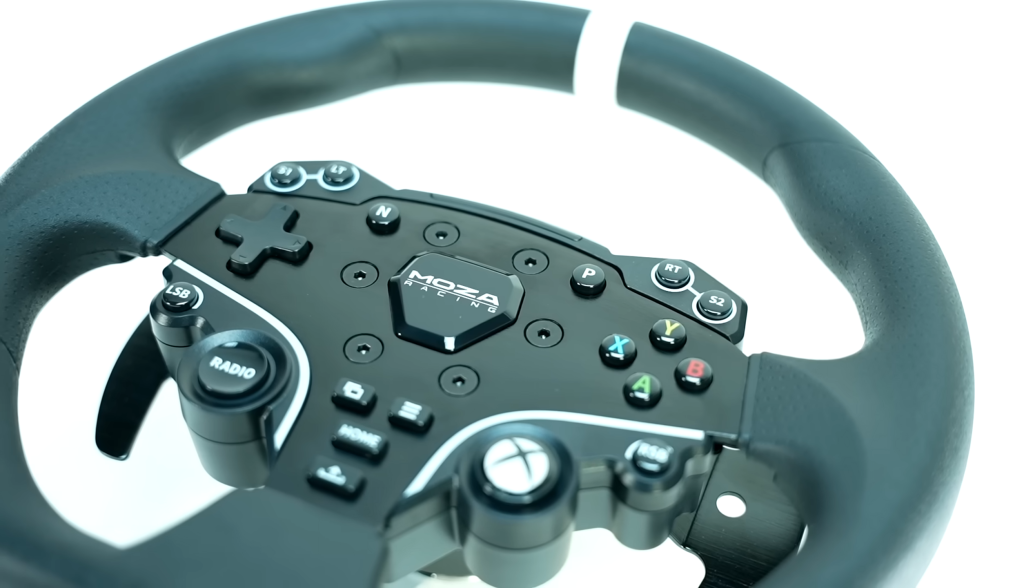
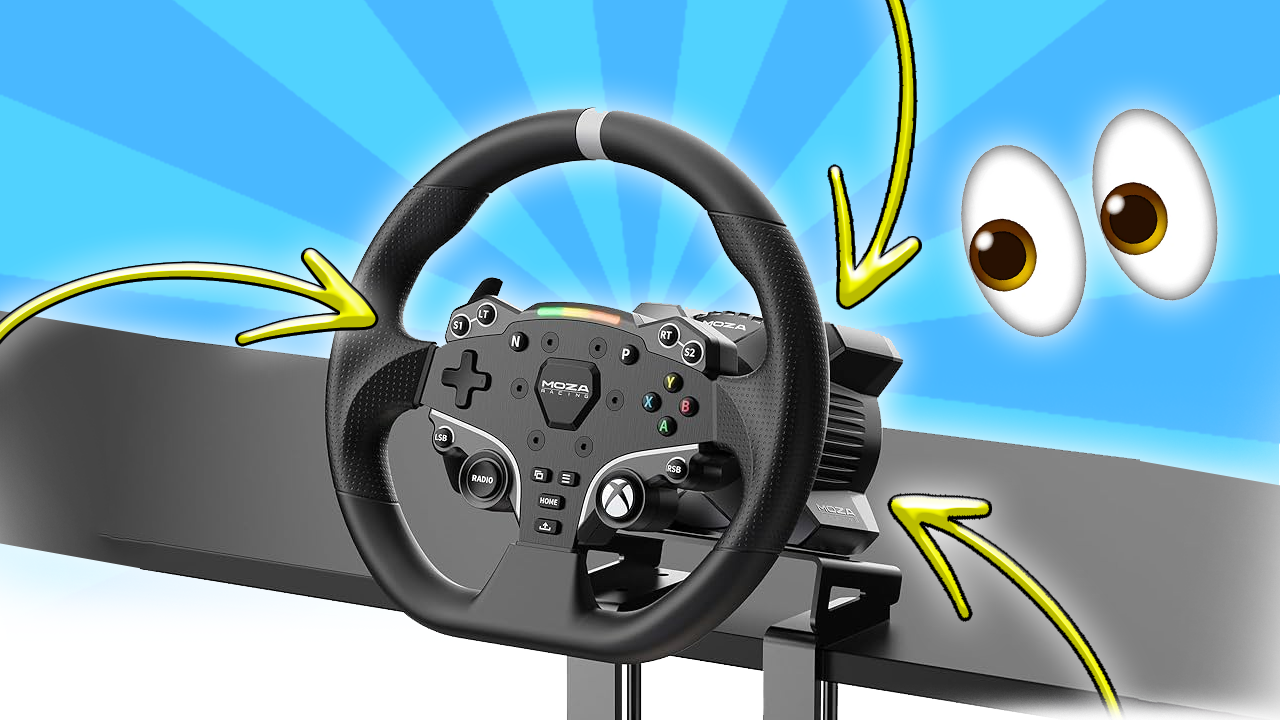
With Moza’s ecosystem, Xbox compatibility is tied to the steering wheel, not the wheelbase. In the R3 bundle, that steering wheel is the ESX wheel. That ESX wheel is basically the “key” that unlocks Xbox support. So what does that mean in practice?
If you buy the R3 bundle and you want to play on Xbox, you need to use the ESX wheel. If you swap to another Moza steering wheel, the Xbox compatibility does not follow you. You can still use the wheelbase on PC with whatever Moza wheel you want, but on Xbox, that ESX wheel is doing the heavy lifting.
Now here’s the part that works in your favor: if you take the ESX wheel and put it on a higher-end Moza base, that higher-end base can then become Xbox compatible through the wheel. That is a big deal if you plan to upgrade your wheelbase later but want to stay on console.
My basic recommendation here is simple: if you are Xbox-first, keep the ESX wheel in your ecosystem even if you upgrade your base later. If you are PC-first, this matters less, and you can treat the R3 like a normal entry-level direct-drive base with Moza’s wider wheel lineup.
3) You cannot buy the R3 wheelbase by itself, and the pedals are not the “normal” SRPs
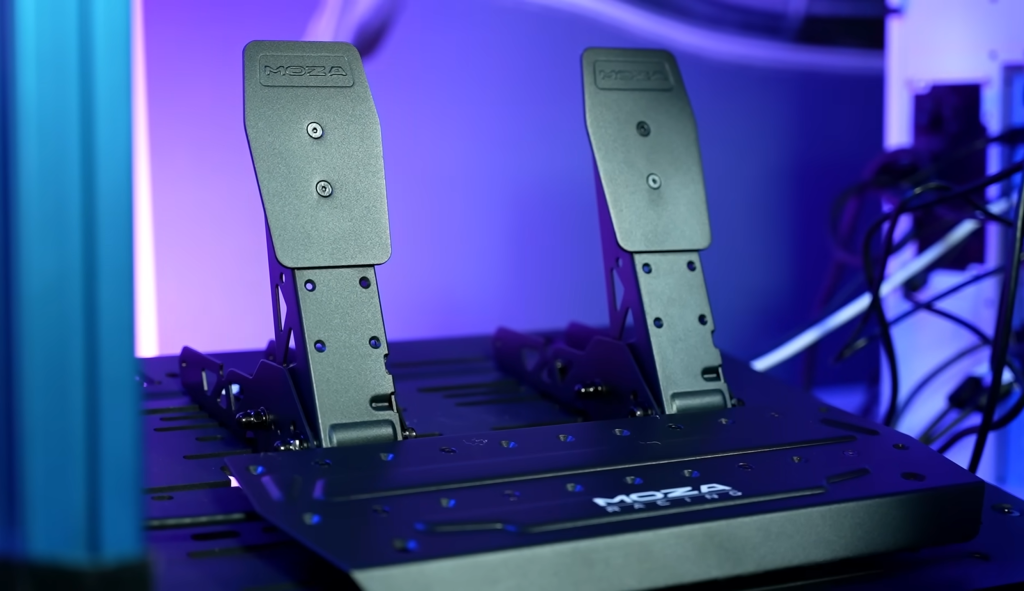
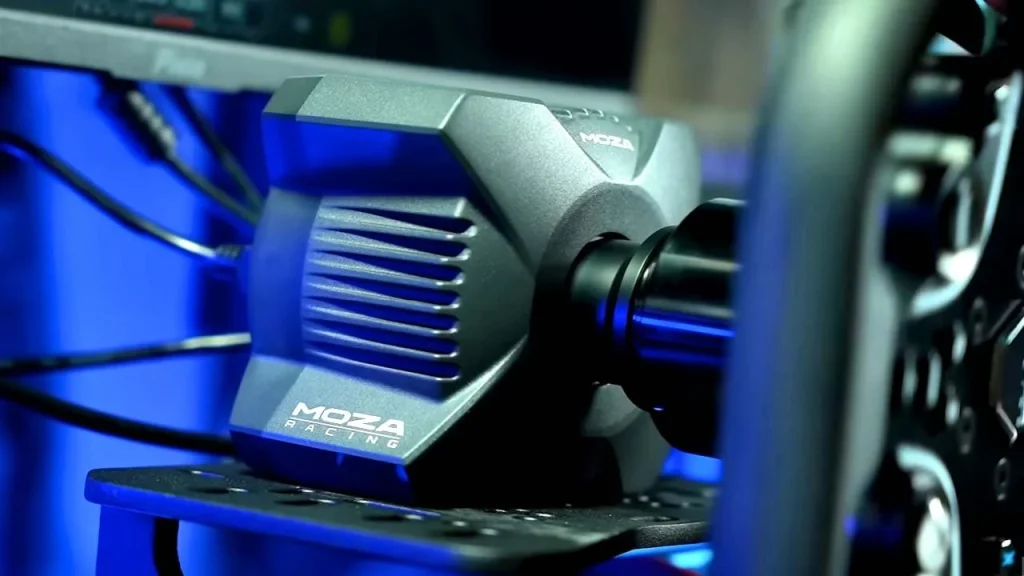
The Moza R3 wheelbase is not typically sold as a standalone base. It is primarily available as a bundle, and that bundle includes the SRP-Lite pedals.
At first glance, that sounds normal. Many entry-level options are sold as bundles. But the important detail is that the SRP-Lite pedals are not the same as Moza’s standard SRP pedals, and they are positioned differently in the lineup.
The SRP-Lite pedals are designed to keep the bundle affordable and accessible. They do the job, they get you driving, and they are far ahead of the “nothing” you get when you are starting from scratch. But they are also clearly meant to be a starting point, not an endgame pedal set.
They also tend to be harder to treat as a separate “product purchase” later because they are bundled. You cannot always just go buy SRP-Lites as a standalone upgrade in the same way you can with other pedal sets.
If you know you are picky about pedals, or you already plan to go load cell soon, the R3 bundle can still make sense, but you should go in with the expectation that the pedals are a “get started now” solution. On the other hand, if you are coming from a Logitech G29 or something similar, the jump in wheelbase feel is still the headline, and the SRP-Lites are good enough to let you enjoy the upgrade immediately.
So, is the Moza R3 still worth it?
In the entry-level direct-drive world, the Moza R3 is popular because it solves a very specific problem: it gives beginners a polished, mainstream path into DD without requiring a massive budget or an advanced setup.
But the R3 is also a product you should buy with your future plans in mind. If you are mainly on PC, it is easy to recommend because Moza’s ecosystem is mature and the R3 does what it needs to do. If you are mainly on Xbox, it is still a solid pick, but only if you understand the ESX wheel situation and you are okay building your console setup around that reality.
And if you are the type of person who already knows you want to upgrade pedals quickly, the bundle is not automatically a deal breaker. It just means your “real” long-term investment will likely be pedals first, not the wheelbase.
Final Thoughts
The Moza R3 is one of those products that is easy to recommend, but only when people understand what they are actually buying. The direct-drive performance is the obvious win, but the details behind the scenes are what determine whether it stays fun and painless after the first few weeks.
If you want a simple entry into direct drive, the R3 bundle is still a strong move. Just remember the three big things: the launch history explains why older info can be messy, Xbox support is tied to the ESX wheel, and the bundle nature of the base and pedals affects how you upgrade later.
If you want more Moza content, including deeper breakdowns of wheels, wheelbases, and upgrade paths, I have more reviews and guides on the site. And if you have questions about your specific setup, drop a comment and tell me what you are running right now, or check out the forums!
iRacing has released a substantial development update, outlining a wide range of new features, content additions, and system improvements. This marks one of the platform’s most significant updates to date,…
Next Level Racing has introduced two new sim racing seats featuring fully integrated haptic feedback, a first for NLR that has already generated significant discussion within the sim racing community.…
Moza and Simagic approach sim racing hardware very differently in 2026. From entry-level bundles to high-end direct drive ecosystems, here’s how they compare across price tiers and who each brand…
The Moza R3 is one of the most popular entry-level direct-drive bundles in 2026, but most people miss the details that actually matter. Here are three things you probably didn’t…
The campaign in Forza Horizon 6 introduces a fresh and immersive progression system. Unlike Forza Horizon 4 and Forza Horizon 5, players begin their journey in Japan as an unknown…
Moza’s new KS Pro formula wheel packs lighting effects, hidden inputs, a customizable 3-inch screen, and unexpected compatibility options. Here are five details most people miss at first glance.
Ascher Racing has announced the release of a new plugin for the widely used SimHub application. This marks a significant step forward in software usability for Ascher Racing customers, replacing…
Last Thursday, Supernova Games Studios announced a range of exciting updates for Assetto Corsa Rally. While recent updates to Assetto Corsa Evo have received mixed feedback, Assetto Corsa Rally appears…