5 Tips for Choosing the Right Sim Racing Seat in 2026
OC Racing
February 7th, 2026
If you are building or upgrading a sim racing setup in 2026, there is one component that gets overlooked far too often: the seat. People obsess over wheelbase torque, pedal load cell ratings, and monitor alignment, but then bolt in whatever seat looks cool in photos. After years of building rigs, swapping seats, and spending way too many hours on track, I can confidently say that your seat choice matters more than most people think.
Comfort, rigidity, ergonomics, and even consistency over long sessions are all influenced by what you are sitting in. So instead of just buying whatever looks like a GT3 car, here are five tips that will actually help you make the right decision.
1. Consider Skipping Seat Sliders for Maximum Rigidity
If you are building a rig that is only going to be used by you, I would strongly consider skipping seat sliders altogether.
Seat sliders are convenient, but in my experience they tend to introduce a small amount of play over time. At first it might feel solid, but after months of heavy braking and strong direct drive forces, that tiny bit of movement can start to show. It may not be dramatic, but once you notice it, you cannot unnotice it.
On a high torque wheelbase or a stiff load cell brake, even slight flex can take away from the feeling of solidity in your setup. If you are chasing a rigid, no compromise cockpit, hard mounting the seat directly to the frame is the way to go.
This is especially relevant if you are already investing in aluminum profile rigs or stronger wheelbases like we have discussed in previous hardware reviews. It makes no sense to eliminate flex everywhere else and then reintroduce it through the seat.
2. Sliders Add Convenience, and That Matters
Now, on the flip side, seat sliders absolutely have their place.
If your rig is shared with friends, family, or a partner, sliders are almost essential. Being able to quickly move the seat forward or backward without spending ten minutes loosening bolts is a huge quality of life upgrade. It also makes getting in and out of tight bucket seats far easier.
Even if you are the only one using the rig, sliders can be useful if you like to fine tune your driving position between different disciplines. For example, rally and drifting might call for a slightly different posture compared to GT racing.
So this one comes down to priorities. If ultimate rigidity is your goal, skip them. If convenience and flexibility matter more, sliders are a completely reasonable compromise.
3. Bucket vs Recliner vs Hybrid Seats
The type of seat you choose will completely change how your setup feels.
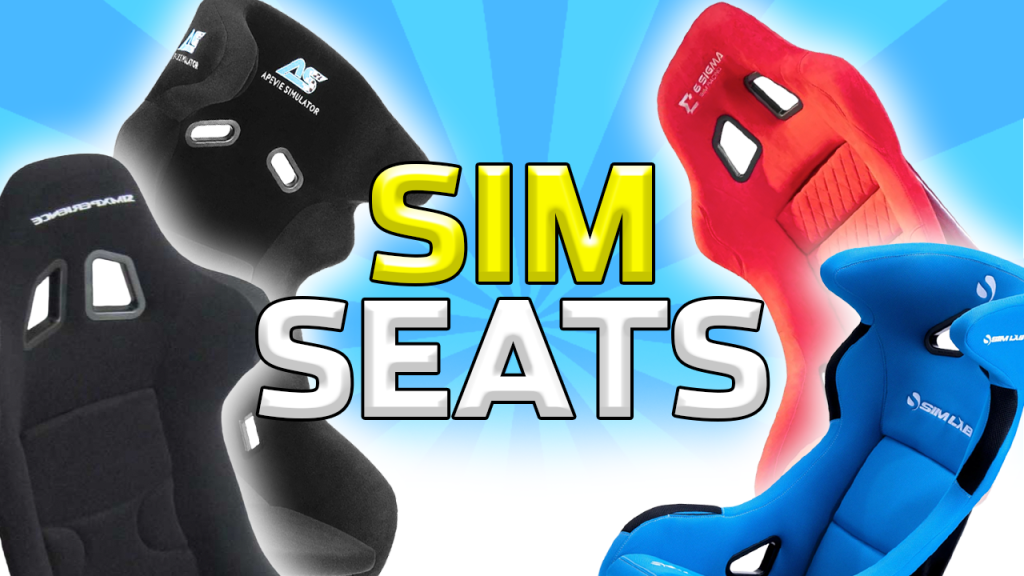
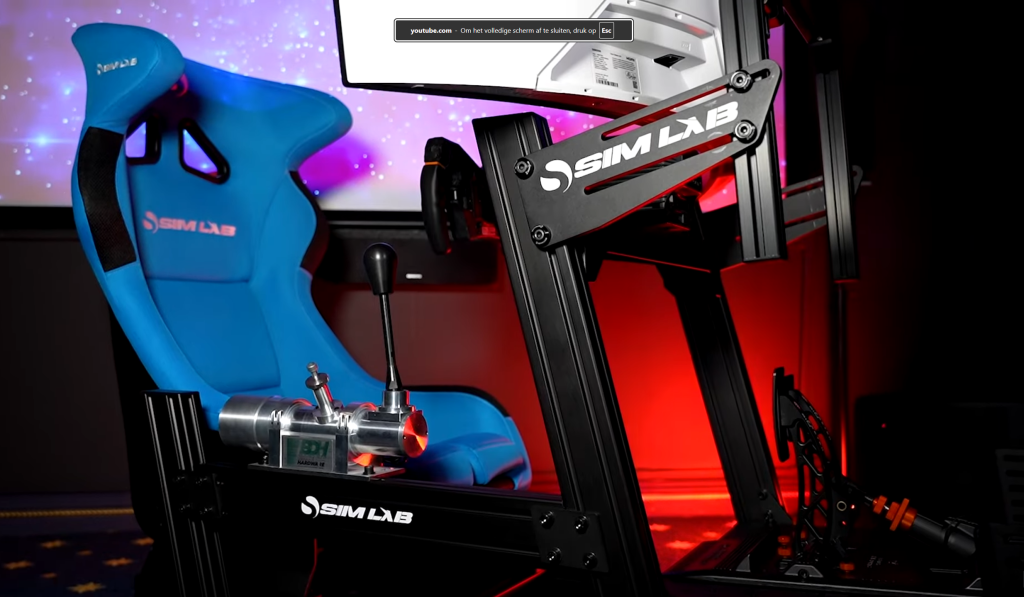
Bucket seats look incredible. They bring instant immersion and make your rig feel like a proper race car. High side bolsters and shoulder support lock you in place, which can help under heavy braking and strong force feedback. For pure immersion, they are hard to beat.
The trade off is comfort. Many bucket seats are rigid and unforgiving, especially during long endurance sessions. If the sizing is even slightly off, pressure points can become noticeable very quickly.
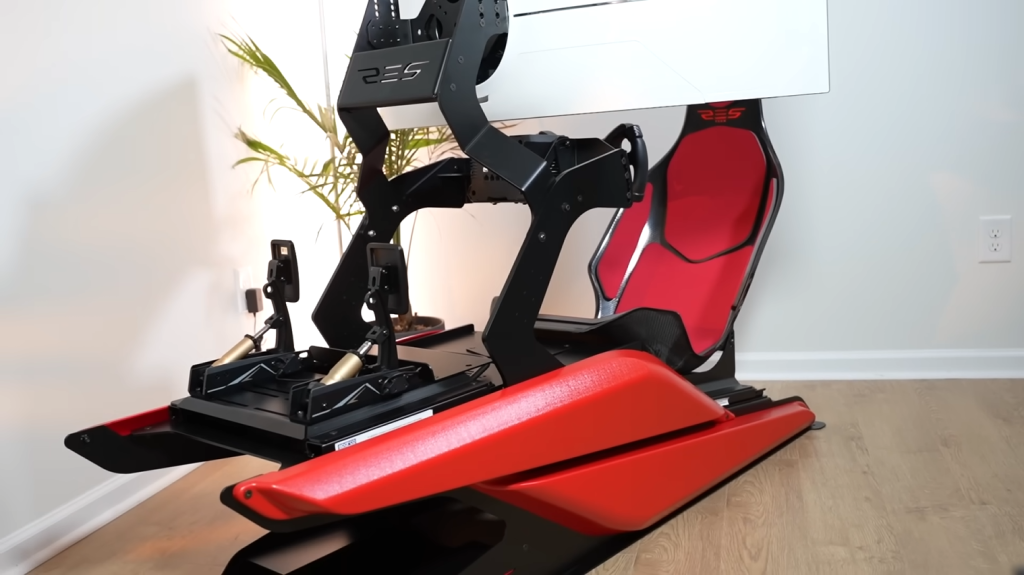
Reclining seats offer much more versatility. The adjustable backrest lets you dial in your angle, and they are generally more forgiving for longer sessions. If you are doing multi hour stints or using your rig for more than just competitive racing, a recliner can be a very smart choice.
There are also hybrid options that try to bridge the gap. Some rally style or semi bucket seats offer better support than a basic recliner but with more comfort than a full fixed bucket. These can be excellent middle ground solutions, especially if your rig serves multiple purposes.
The key is to be honest about how you actually use your setup. If you mainly do short competitive races and want maximum immersion, a bucket makes sense. If you value comfort over aesthetics, a recliner may be the better call.
4. Budget Smartly and Look for Deals
Sim racing seats are not cheap. Most quality options sit in the 300 to 400 dollar range, and some branded or premium seats can climb well beyond that.
That said, there are deals to be found if you are patient. Keeping an eye on sim racing specific deal sites or daily deal sections can save you a significant amount. Prices fluctuate more than most people realize, especially around major sales periods.
Another underrated option is checking the used market. Just like with wheels and pedals, many people upgrade seats and sell their previous ones in great condition. As long as the frame is solid and the fabric or leather is in good shape, a used seat can be a very smart purchase.
Spending intelligently here can free up budget for other components like pedals or a stronger wheelbase, which may have a bigger impact on performance.
5. Sizing and Fit Are More Important Than Looks
This is probably the most important tip of all.
A seat that looks incredible on a product page can be miserable if it does not fit your body. Width, shoulder support, bolstering, and overall dimensions matter far more than color or branding.
If the seat is too narrow, you will feel squeezed and uncomfortable. If it is too wide, you will slide around and lose that locked in feeling. Over long sessions, poor fit can lead to fatigue, back pain, and inconsistent braking pressure.
Always check the manufacturer’s sizing charts carefully. Pay attention to base width, shoulder width, and mounting points. If possible, try sitting in a similar model before buying. Comfort over a five minute test is not the same as comfort over a two hour race.
In the long run, ergonomics and fit will matter far more than aesthetics. A seat that supports you properly will help you stay consistent and focused, especially during longer sessions.
Final Thoughts
Choosing a sim racing seat is not the most exciting part of building a rig, but it is one of the most important. The right seat can make your setup feel solid, immersive, and comfortable for years. The wrong one can quietly ruin every session.
Think about who will use the rig, how often you race, what kind of driving you do, and how much rigidity versus convenience matters to you. Combine that with careful attention to sizing, and you will end up with a seat that actually enhances your experience rather than just looking good in photos.
As always, let me know what you are running in your setup and whether you went bucket, recliner, or something in between. In sim racing, the small details often make the biggest difference.
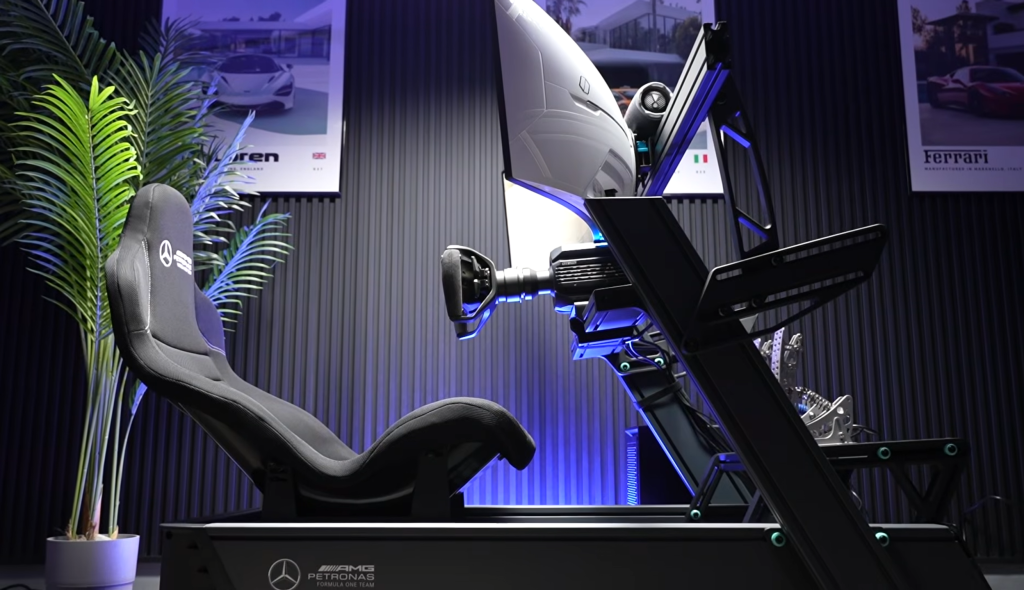
The officially licensed Mercedes AMG Petronas Formula 1 Team sim racing cockpit is Simlab’s second collaboration with the team after their steering wheel release. After several months of testing, here…
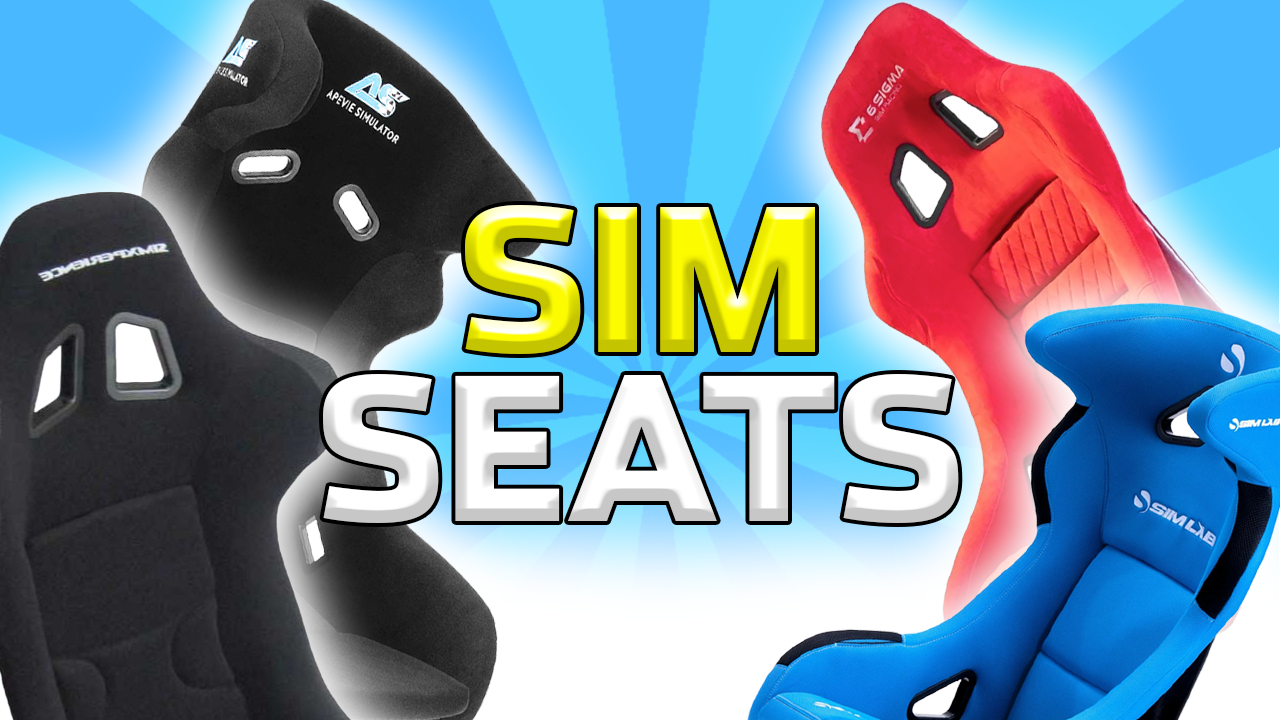
Choosing the right sim racing seat can make or break your entire setup. Here are 5 practical tips to help you pick the right seat for your rig, your body,…
It is 2026, and despite how much the sim racing market has evolved, Thrustmaster and Logitech are still two of the most recognizable names in the space. Both brands continue…
It has been a full year since I first reviewed the Conspit Ares wheelbase. Since then, Conspit has grown noticeably in relevance within the sim racing hardware space, not just…
Moza just dropped the KS Pro, a $330 formula-style wheel that looks familiar at first glance, but has a few genuinely interesting details once you spend time with it. Here…
The Logitech G29 is still everywhere in 2026, but that does not mean it still deserves to be. Here is why buying one new today makes very little sense.
The Logitech G29 and G920 were once the go-to beginner wheels in sim racing, but in 2026 they face tough competition from affordable direct drive systems like the Moza R3.…
Is iRacing actually overpriced, or simply misunderstood? A realistic breakdown of its pricing model, long term value, and who it really makes sense for.