Moza vs Simagic in 2026: Which Sim Racing Brand Should You Choose?
OC Racing
February 27th, 2026
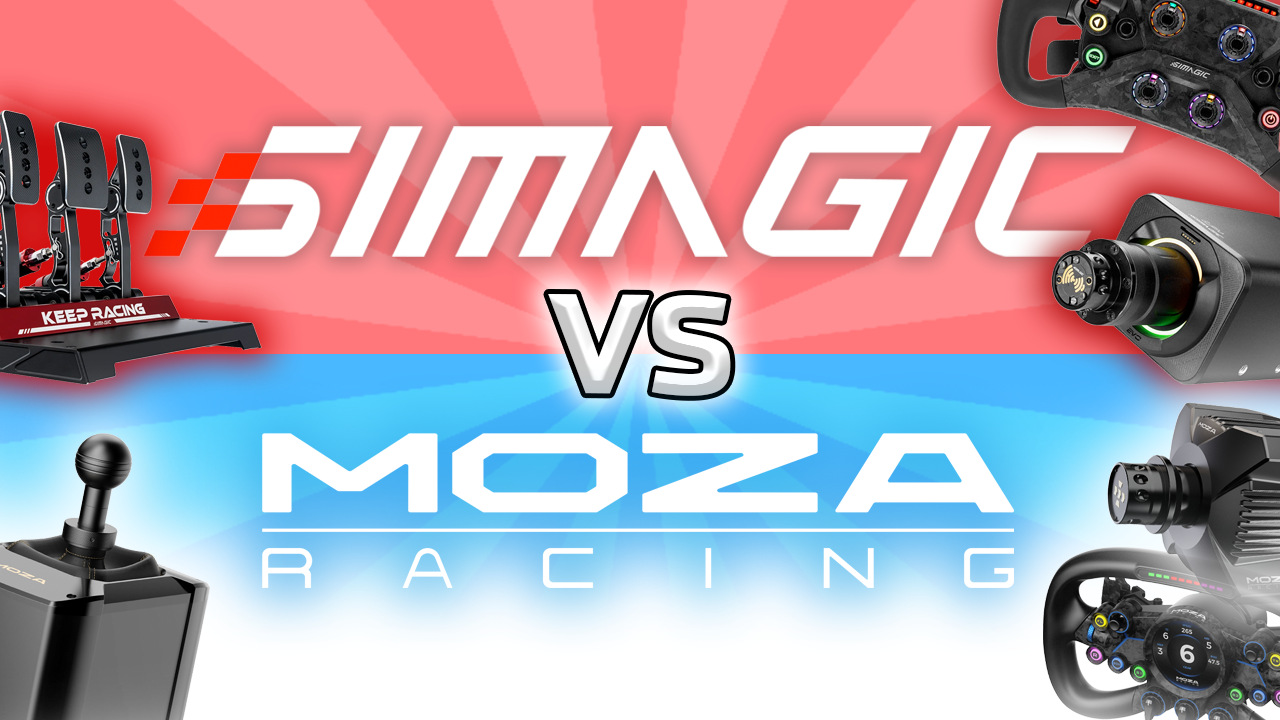
Moza vs Simagic in 2026 is easily one of the most common comparisons I get asked about. On the surface, they look similar. Both offer direct-drive wheelbases, load cell pedals, shifters, handbrakes, and full ecosystems. Both are taken seriously in the competitive scene. Both are constantly releasing new hardware.
But once you zoom out and look at the bigger picture, you realize they approach the market in very different ways.
This is not about which brand is “better.” It is about understanding what each company is trying to do and where each one makes the most sense depending on your budget, goals, and upgrade plans.
Simagic has firmly positioned itself as a mid-to-high-end performance brand. Their focus has consistently been on delivering refined, mechanically solid hardware aimed at serious sim racers.
Pedals like the P1000 and P2000 are strong examples of this approach. They are adjustable, robust, and clearly built with competitive driving in mind. The same can be said about peripherals like the DS-8X shifter and TB-RS handbrake. These products are not entry-level experiments. They are meant to compete in the performance-driven tier of the market.
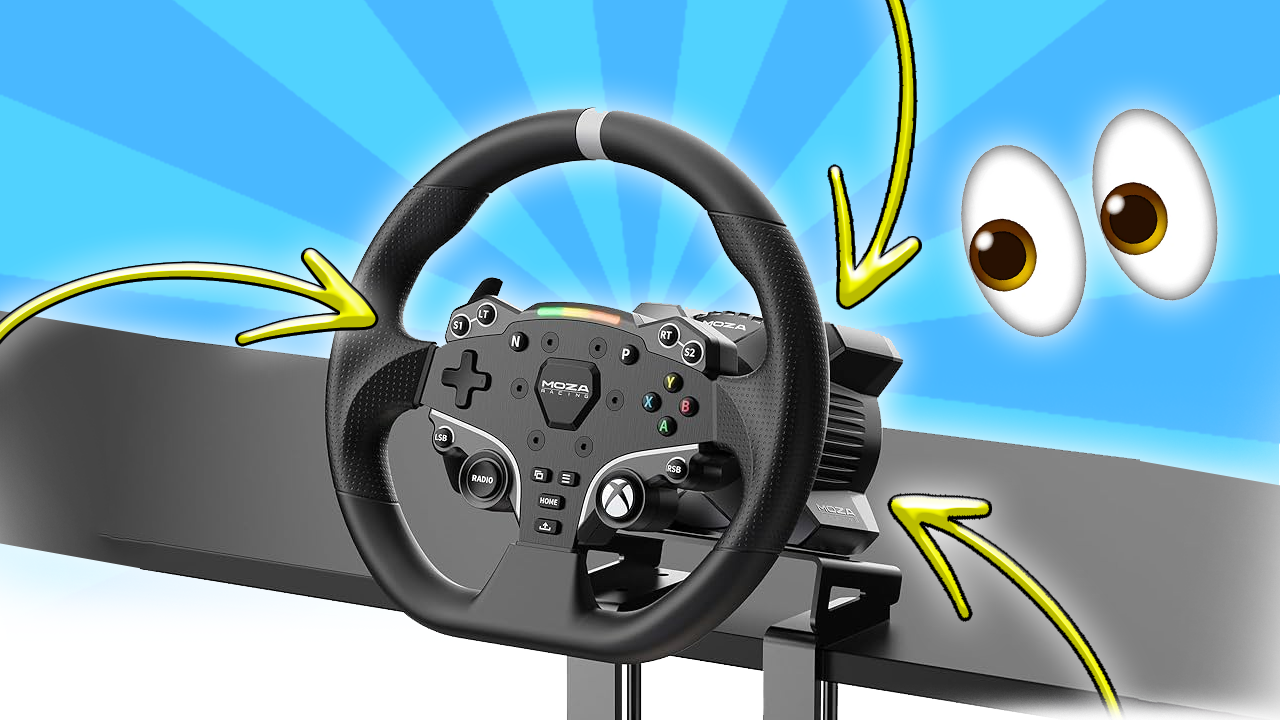
Moza, on the other hand, has spread itself across a much wider range. While they absolutely compete with Simagic in many categories, they also push aggressively into more affordable options. The R3 bundle is a perfect example. It lowers the barrier to entry for direct drive and brings in console compatibility, which opens the door to a much larger audience.
In short, Simagic is more focused. Moza is more diversified.
Entry-Level: Moza Clearly Takes the Lead
In 2026, if you are shopping at the lower end of the direct-drive market, Moza has the stronger presence.
The R3 bundle, for example, gives beginners a structured path into direct drive without requiring a massive investment. It is polished, beginner-friendly, and supported by a mature ecosystem. For someone upgrading from something like a Logitech G29 or Thrustmaster T248, the jump feels substantial.
Simagic does not really compete in this bracket in the same way. Their offerings start higher, and their ecosystem is not built around ultra-affordable bundles.
If your budget is tight and you want the safest mainstream entry into direct drive, Moza has the advantage here.
Mid-Range: Where Simagic Feels More Refined
Once you move into the mid-range tier, things get more interesting.
Simagic’s Alpha Mini and related ecosystem products have built a strong reputation for mechanical quality and driving feel. The hardware tends to feel very composed and well-machined. There is a certain refinement to the construction that many drivers appreciate.
Moza absolutely competes in this range with bases like the R9 and R12. They deliver strong performance and clean force feedback. However, if you are purely judging on mechanical finish and perceived refinement, many drivers would argue that Simagic has a slight edge in this tier.
That does not mean Moza falls short. It simply means Simagic’s narrower focus in this price range has allowed them to fine-tune their products heavily around performance.
High-End: Extremely Competitive on Both Sides
At the high end, both brands are serious contenders.
Moza’s higher torque wheelbases and advanced peripherals compete directly with Simagic’s stronger Alpha variants and premium ecosystem components. In this tier, the conversation becomes less about brand philosophy and more about specific preferences.
Force feedback character, mounting options, software feel, wheel design, and ecosystem compatibility start to matter more than broad brand identity. Both brands offer competitive high-end bases, strong pedal options, and expanding accessory lineups.
It is difficult to declare a clear winner here because it depends heavily on what you personally value. Some prefer Simagic’s mechanical feel. Others prefer Moza’s broader ecosystem and licensing partnerships.
Ecosystem Depth & Accessories
This is where Moza’s strategy becomes more obvious.
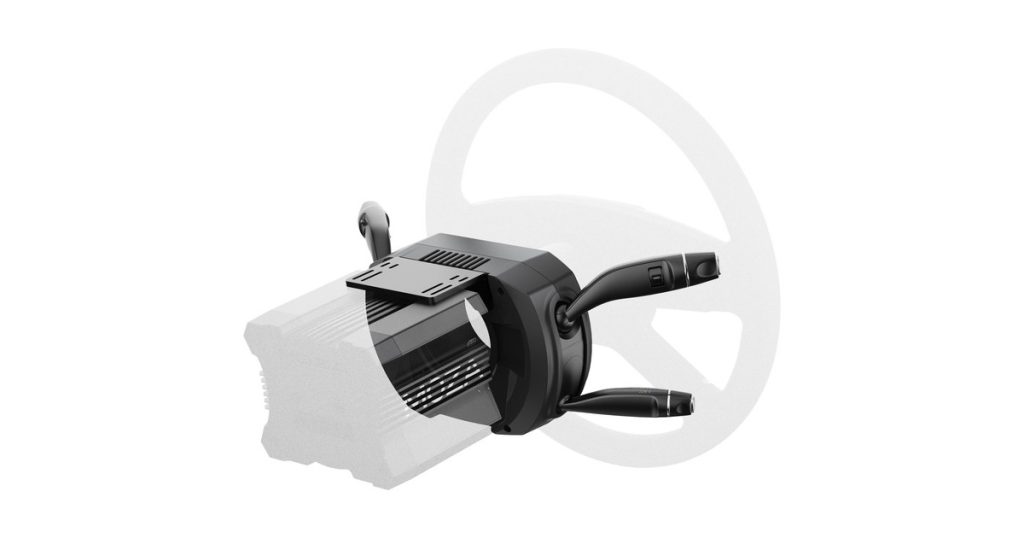
Moza has ventured beyond traditional racing hardware into licensed products, console compatibility, trucking wheels, turn signal modules, flight peripherals, and other niche accessories. They are building a large, interconnected ecosystem aimed at different types of drivers and even different simulation genres.
Simagic remains more concentrated on core racing hardware. Their lineup is performance-driven and focused on racing authenticity rather than branching into adjacent simulation niches.
If you want flexibility across console, PC, racing, trucking, and experimentation with different wheel types, Moza’s ecosystem offers more breadth. If you want a tighter racing-focused ecosystem with fewer distractions, Simagic’s lineup may feel more purpose-built.
Software & User Experience
Both brands have matured significantly in software over the past few years.
Moza’s Pit House software is structured, approachable, and continuously updated. It is clearly designed with a wider audience in mind, including beginners who may not want to spend hours tweaking advanced parameters.
Simagic’s software is also robust, offering deep adjustment for those who want to fine-tune force feedback characteristics. It may feel slightly more oriented toward experienced users who enjoy dialing in detailed settings.
You’ll have a great experience with either of these, and both brands absolutely excel in the software department.
So, Which One Is Best in 2026?
The honest answer is that they are both strong, but for different reasons.
Moza takes the edge at the low end because they actively compete there. Simagic feels slightly more refined in the mid-range, especially in terms of mechanical presentation and focused performance. At the high end, both brands are extremely competitive and capable of delivering serious performance.
Ultimately, the better choice depends on what you value most. If you want variety, console flexibility, and a broad ecosystem, Moza may be the safer pick. If you want a more focused, performance-oriented lineup with strong mid-range refinement, Simagic makes a strong case.
Final Thoughts
Moza and Simagic are two of the most relevant players in sim racing hardware right now. The fact that this comparison is even so common says a lot about how competitive both brands have become.
Neither is wrong, or universally better; they just handle things differently.
If you are deciding between them, look at your budget, your upgrade plans, and whether you value variety or focus more. That will usually answer the question faster than any spec sheet ever will.
As always, let me know what you are running and which direction you would go in.
iRacing has released a substantial development update, outlining a wide range of new features, content additions, and system improvements. This marks one of the platform’s most significant updates to date,…
Next Level Racing has introduced two new sim racing seats featuring fully integrated haptic feedback, a first for NLR that has already generated significant discussion within the sim racing community.…
Moza and Simagic approach sim racing hardware very differently in 2026. From entry-level bundles to high-end direct drive ecosystems, here’s how they compare across price tiers and who each brand…
The Moza R3 is one of the most popular entry-level direct-drive bundles in 2026, but most people miss the details that actually matter. Here are three things you probably didn’t…
The campaign in Forza Horizon 6 introduces a fresh and immersive progression system. Unlike Forza Horizon 4 and Forza Horizon 5, players begin their journey in Japan as an unknown…
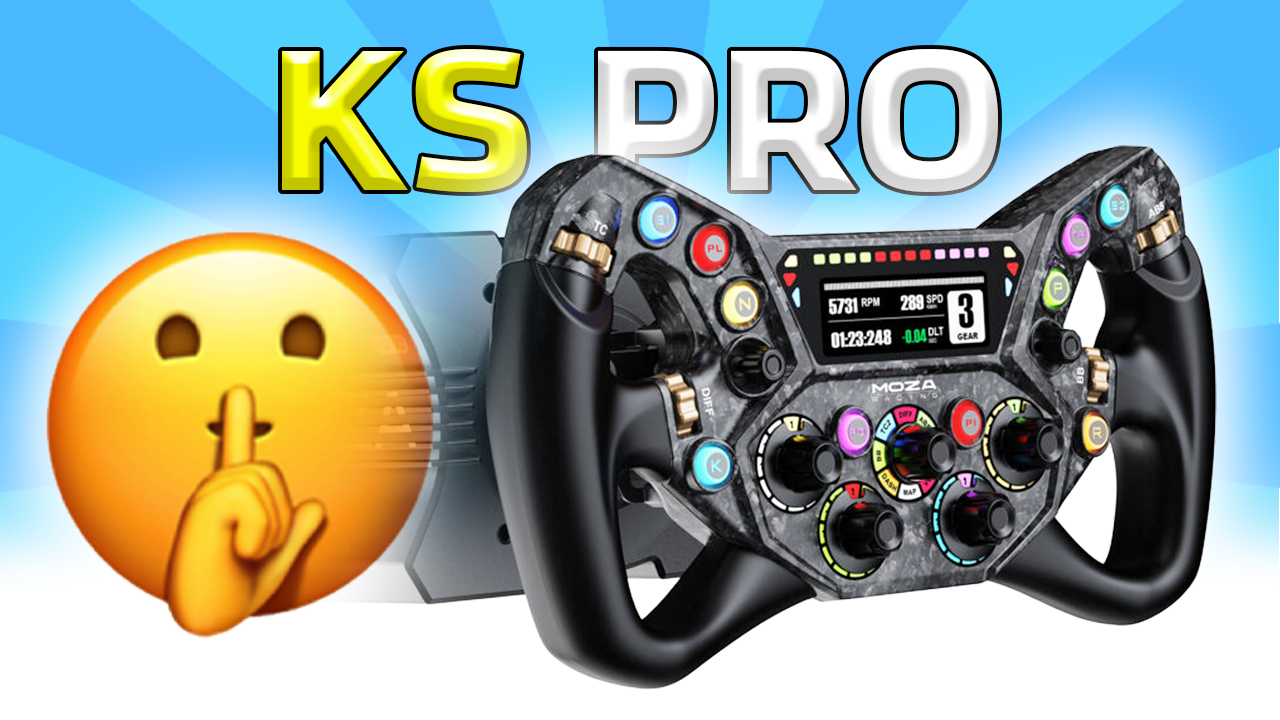
Moza’s new KS Pro formula wheel packs lighting effects, hidden inputs, a customizable 3-inch screen, and unexpected compatibility options. Here are five details most people miss at first glance.
Ascher Racing has announced the release of a new plugin for the widely used SimHub application. This marks a significant step forward in software usability for Ascher Racing customers, replacing…
Last Thursday, Supernova Games Studios announced a range of exciting updates for Assetto Corsa Rally. While recent updates to Assetto Corsa Evo have received mixed feedback, Assetto Corsa Rally appears…