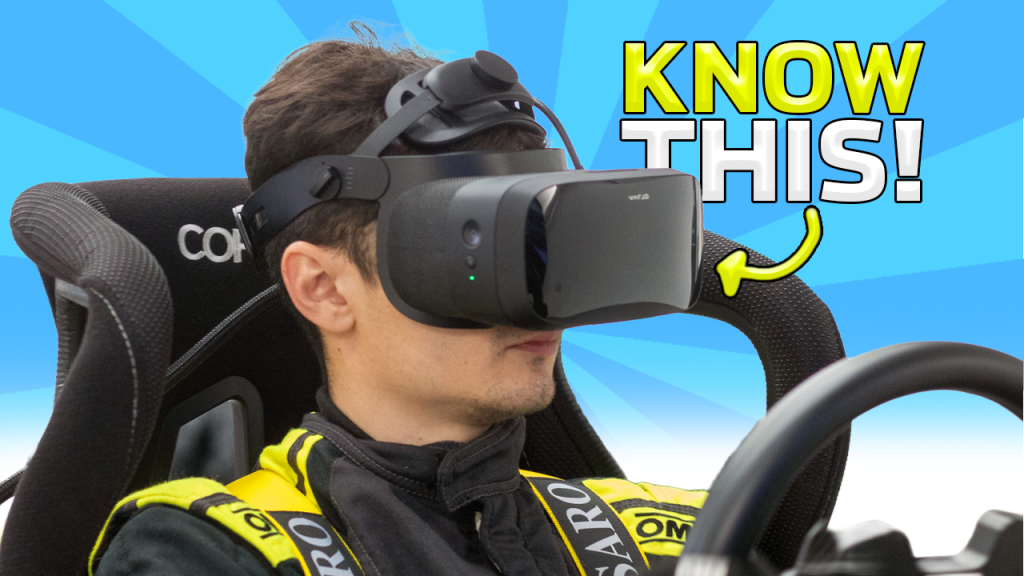
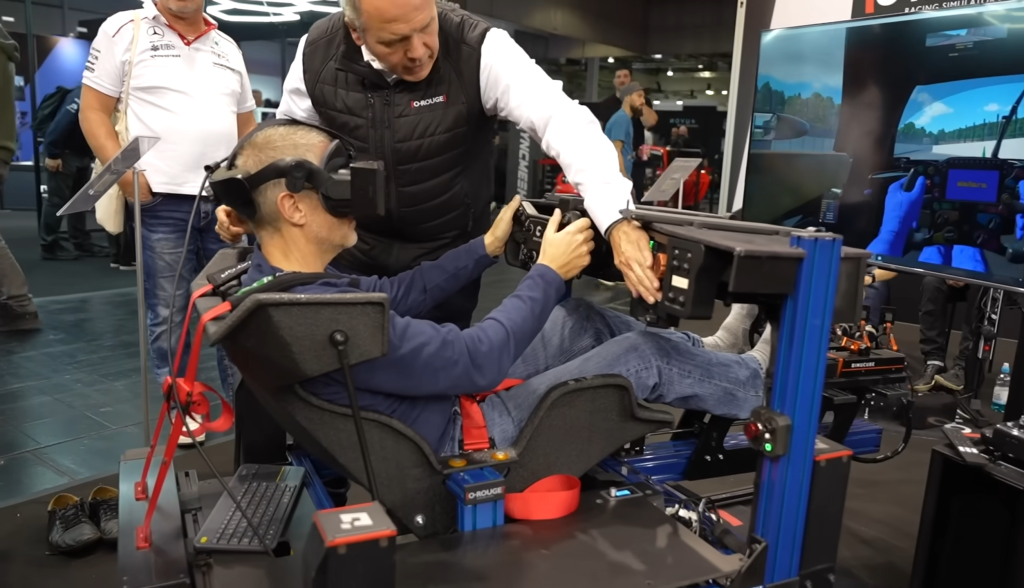
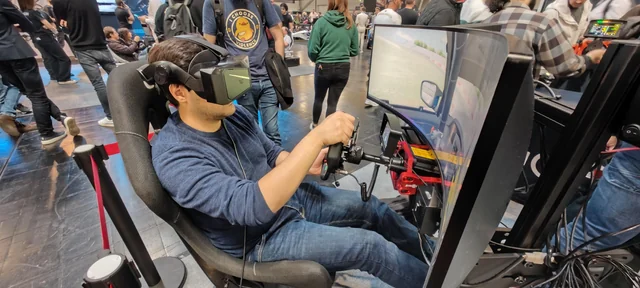
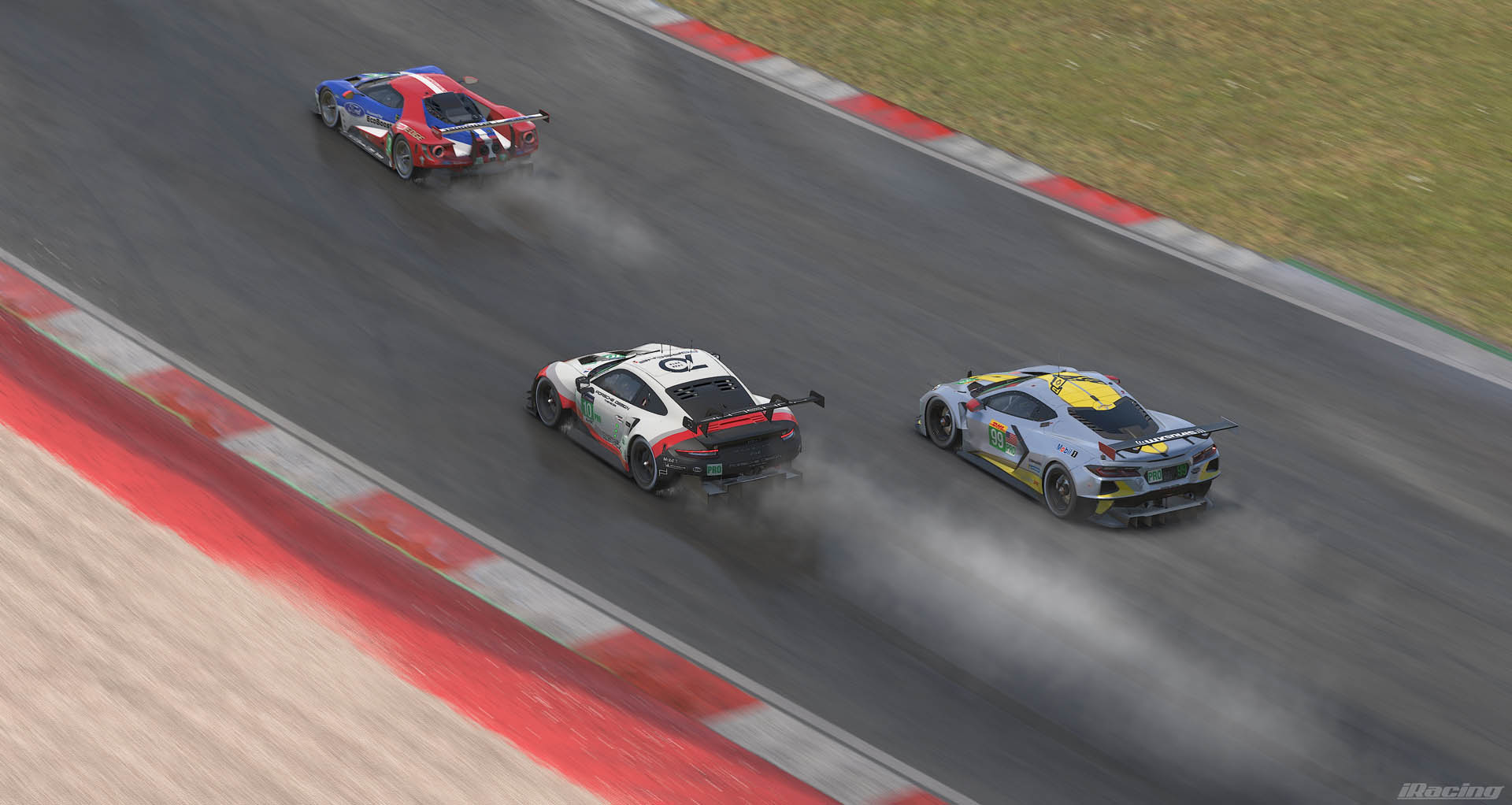
Sim racing in VR is often described as the most immersive way to experience the hobby, and for good reason. The sense of depth, scale, and presence you get from sitting inside a virtual cockpit is something that even the best triple monitor setups struggle to replicate.
Being able to judge braking points by depth perception alone, naturally look toward apexes, and feel truly seated inside the car can be transformative. For many sim racers, VR is the closest thing to actually driving a race car.
That said, VR is not a perfect solution, and it comes with compromises that are easy to underestimate when you are only seeing highlight clips or hearing glowing first impressions.
Motion Sickness Is a Real Factor
The first and most important thing to understand before committing to VR sim racing is motion sickness. This is not something that only affects beginners. While many people do adapt over time, others never fully do, especially during longer sessions.
Rapid direction changes, elevation changes, and sudden loss of traction can confuse your brain when your body is physically stationary. Rally sims, drifting, and cars with softer suspensions tend to exaggerate this effect even more.
Short sessions, high frame rates, and stable performance help reduce discomfort, but they do not eliminate it entirely. If you are prone to motion sickness in general, VR sim racing may be something you can only enjoy in limited bursts. I personally can drive for around 1 hour without issues; I do get a bit uncomfortable with longer drives. My eyes and brain also need to adjust after a longer session to get used to the movement again, although this is not a major issue.
Comfort Limits How Long You Can Drive
Comfort is one of the most overlooked aspects of VR sim racing. Headsets generate heat, apply pressure to your face and head, and can become uncomfortable far quicker than most people expect.
Even with well-balanced headsets, sweat buildup, lens fogging, and eye strain are common issues. Longer endurance sessions that feel easy on a monitor setup can quickly become exhausting in VR.
This does not mean VR is unusable, but it does mean that your average session length will likely be shorter. Comfort mods, better head straps, and proper ventilation can help, but they do not completely solve the issue.
Usability Takes a Noticeable Hit
Once the headset is on, interacting with anything outside the virtual world becomes far more difficult. Navigating menus, adjusting car setups, or using button boxes and keyboards is significantly less intuitive.
Even something as simple as finding the correct key or adjusting force feedback settings mid-session becomes a chore. Muscle memory helps over time, but it never feels as seamless as glancing at a monitor.
This usability hit becomes more noticeable if you frequently switch cars, adjust setups, or race in multiple sims. VR demands a more streamlined workflow to avoid frustration.
Visual Trade-Offs Still Exist
While VR delivers unmatched depth perception and sense of scale, visual clarity is still a compromise. Even high-resolution headsets struggle to match the sharpness of a good monitor setup, especially when it comes to distant objects.
Reading brake markers, spotting subtle track surface details, or clearly seeing apexes far ahead can be more difficult in VR unless you are running very high-end hardware.
Supersampling and higher render resolutions improve clarity, but they place heavy demands on your system. Without sufficient GPU power, you may be forced to lower settings, which can break immersion just as much as low resolution.
Performance Requirements Are High
VR sim racing is extremely demanding on hardware. To avoid motion sickness and maintain immersion, stable frame rates are far more important than visual fidelity.
Many sims that run perfectly fine on monitors struggle in VR without significant tuning. This often means lowering graphics settings, adjusting VR-specific options, and spending time optimizing performance.
A powerful GPU, strong CPU, and sufficient memory are essential. Without them, VR can quickly become a frustrating experience rather than an immersive one.
VR Support Varies Between Sims
Not all sim racing titles treat VR equally. Some offer excellent native support with thoughtful UI scaling and performance optimization, while others feel tacked on or poorly maintained.
This means your experience can vary wildly depending on what you race. One title may feel smooth and intuitive, while another feels clunky and uncomfortable.
Before committing fully to VR, it is worth researching how well your favorite sims handle it. VR can be incredible in the right titles, but deeply frustrating in the wrong ones.
When VR Truly Shines
When everything clicks, Virtual Reality can feel genuinely special. Hotlapping, competitive circuit racing, and immersive driving experiences benefit the most.
The whole idea of being able to look around the world, your car, and the track is amazing. Judging distances and elevations becomes a lot more intuitive, and let’s not forgot how cool it is to see cars around you with an actual sense of speed.
The sense of presence makes spatial awareness more natural, and once you adapt, judging car placement becomes second nature. For many, this outweighs the downsides.
VR works best when paired with a stable rig, well-mapped controls, and a streamlined setup that minimizes the need for constant adjustments.
Final Thoughts
Sim racing in VR can be incredible, but it is not a universal upgrade. Motion sickness, comfort limitations, usability challenges, and visual trade-offs are all real factors that deserve consideration.
If immersion is your top priority and you are willing to accept compromises, VR can completely change how sim racing feels. If you value clarity, long sessions, and ease of use, monitors may still be the better option.
VR is at its best when you understand its limitations upfront and build your setup around them. When that happens, it can feel transformative. When it does not, it can feel frustrating.
As always, it comes down to personal preference, and I am curious to hear how others feel about sim racing in VR.
iRacing has released a substantial development update, outlining a wide range of new features, content additions, and system improvements. This marks one of the platform’s most significant updates to date,…
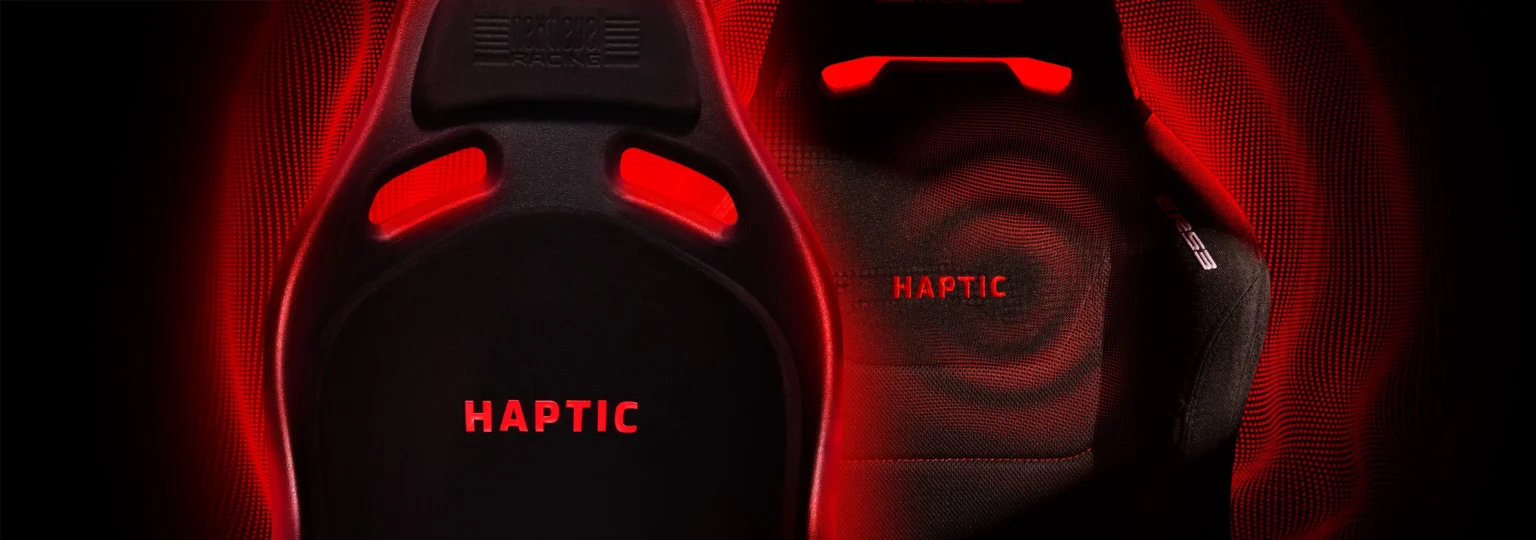
Next Level Racing has introduced two new sim racing seats featuring fully integrated haptic feedback, a first for NLR that has already generated significant discussion within the sim racing community.…
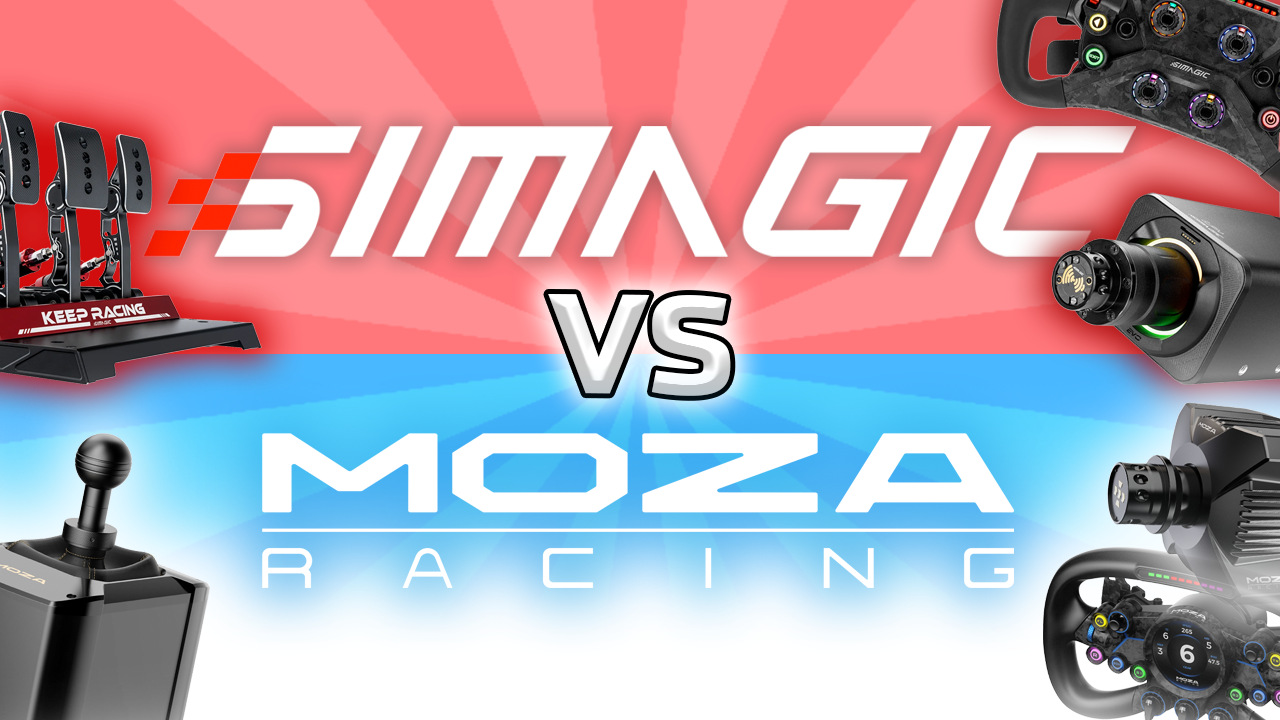
Moza and Simagic approach sim racing hardware very differently in 2026. From entry-level bundles to high-end direct drive ecosystems, here’s how they compare across price tiers and who each brand…
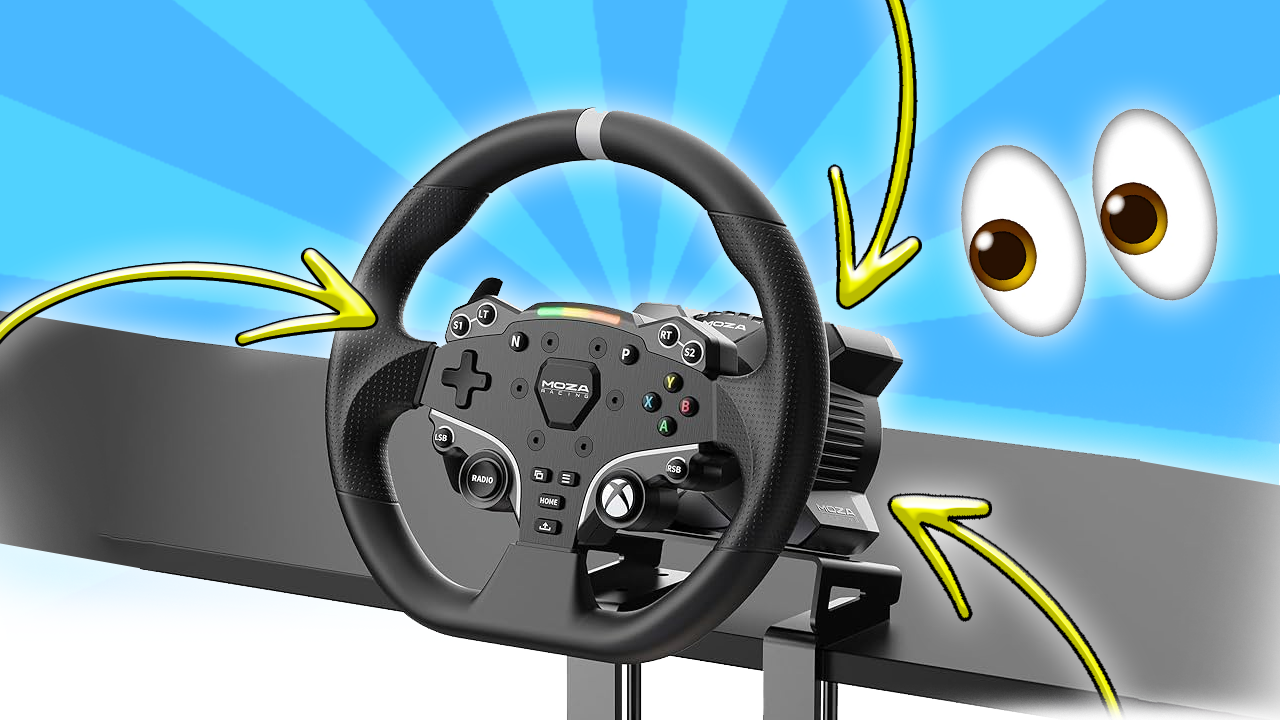
The Moza R3 is one of the most popular entry-level direct-drive bundles in 2026, but most people miss the details that actually matter. Here are three things you probably didn’t…
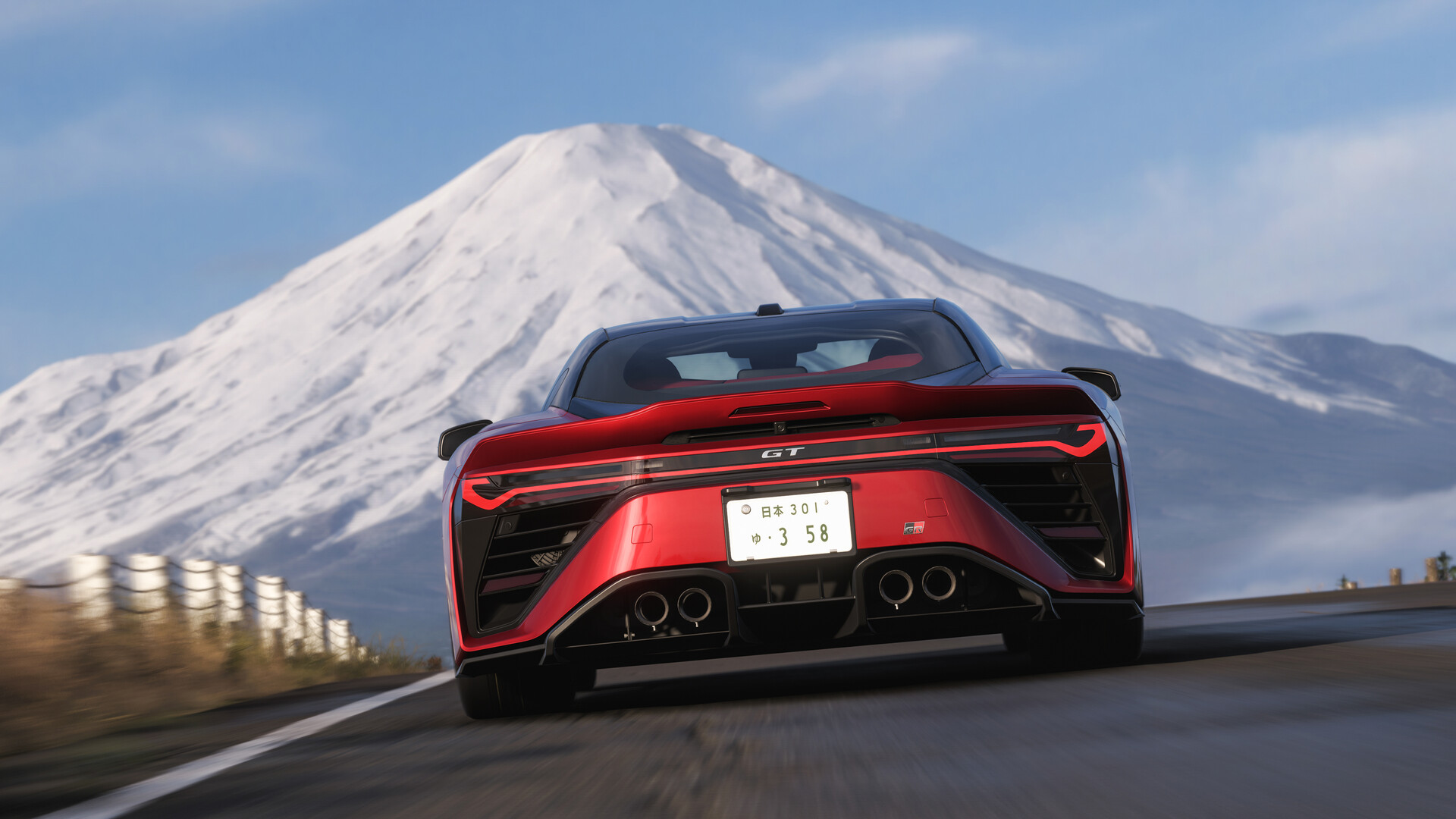
The campaign in Forza Horizon 6 introduces a fresh and immersive progression system. Unlike Forza Horizon 4 and Forza Horizon 5, players begin their journey in Japan as an unknown…
Moza’s new KS Pro formula wheel packs lighting effects, hidden inputs, a customizable 3-inch screen, and unexpected compatibility options. Here are five details most people miss at first glance.
Ascher Racing has announced the release of a new plugin for the widely used SimHub application. This marks a significant step forward in software usability for Ascher Racing customers, replacing…
Last Thursday, Supernova Games Studios announced a range of exciting updates for Assetto Corsa Rally. While recent updates to Assetto Corsa Evo have received mixed feedback, Assetto Corsa Rally appears…