Which Sim Racing Cockpit Should I Buy in 2025? Know this!
OC Racing
December 9th, 2025
Choosing the right sim racing cockpit is one of the most important decisions you will make for your setup. Your cockpit affects everything from comfort and immersion to lap time consistency and long term upgrade potential. A great cockpit disappears beneath you when you drive. A bad one constantly reminds you that something is flexing, sliding, or uncomfortable.
The best cockpit for you depends on three main things. Your available space, your budget, and how serious you plan to take sim racing long term. A beginner who races a few nights a week does not need the same rig as someone running a 20Nm direct drive base with hydraulic pedals.
In this guide, I will walk you through every category from entry level to ultra high end so you can confidently choose the right cockpit for your needs.
If you are just getting into sim racing or have limited space, entry level cockpits and wheel stands are the best place to start. These rigs are designed to be affordable, lightweight, and easy to store.
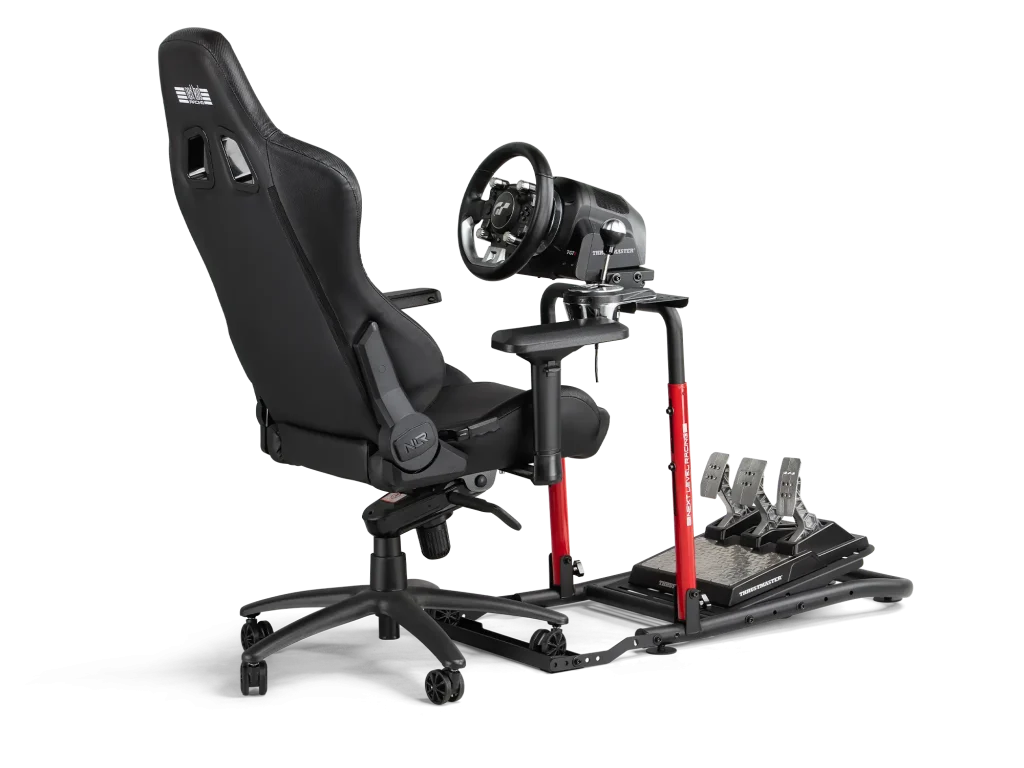
Foldable cockpits like the Next Level Racing GT Lite allow you to mount your wheel and pedals in a seated position without taking up permanent floor space. When you are done racing, you can fold the rig up and tuck it into a corner or closet. For apartment setups, shared rooms, or casual racers, this is often the perfect solution.
Wheel stands are another popular option. These hold only your wheel and pedals while allowing you to use a regular office chair. They offer more rigidity than desk mounting but still save space and cost far less than full cockpits.
The main limitation of this category is strength. These rigs are excellent for beginner gear but they struggle once you move into load cell pedals or high torque direct drive bases. There will be flex. There will be movement. That is simply the trade off at this price point.
If you are starting with entry level gear and want something affordable and compact, this is where you should begin.
Mid Range Aluminum Profile Cockpits
This is where sim racing becomes serious. Aluminum profile rigs are the backbone of most enthusiast setups and for good reason. They combine strength, adjustability, and long term upgrade potential in a way that no tubular or foldable rig can match.
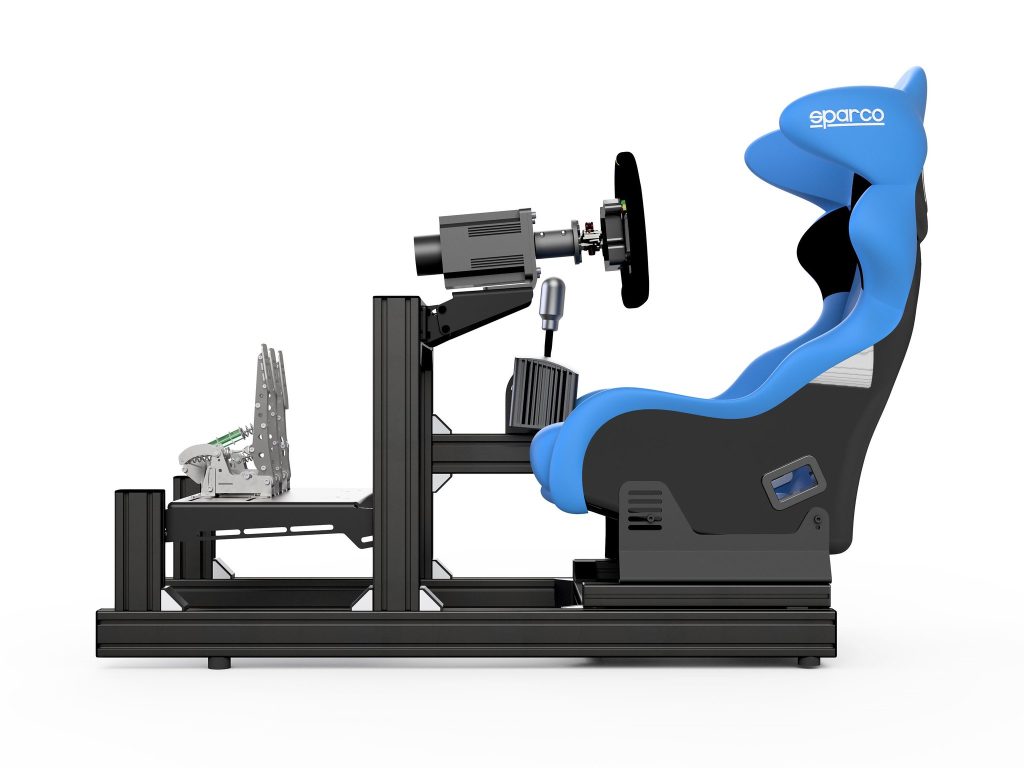
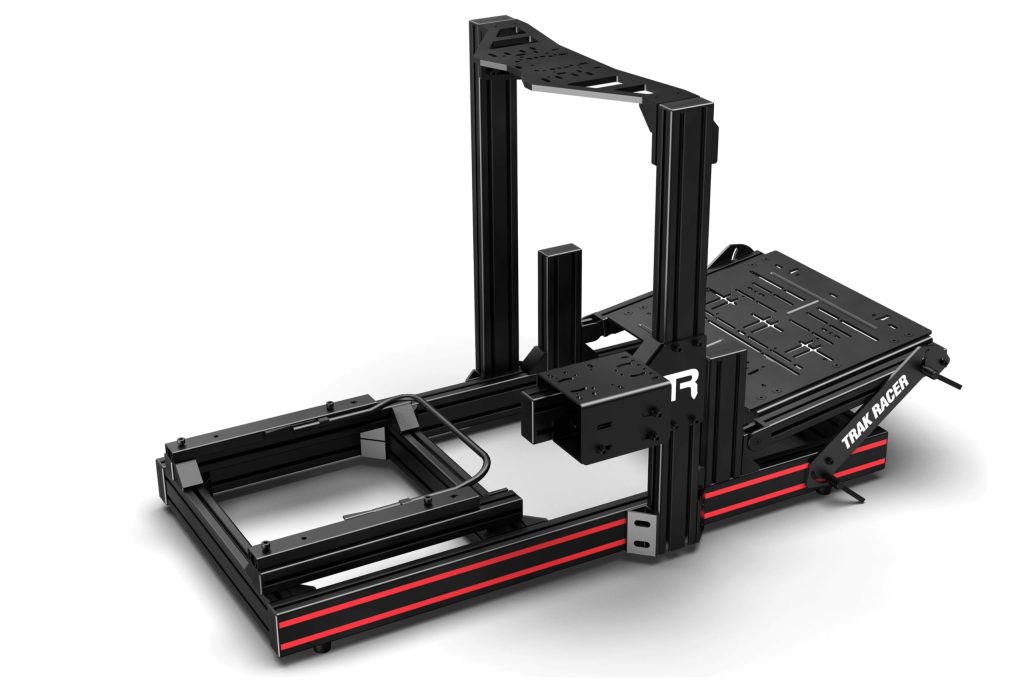
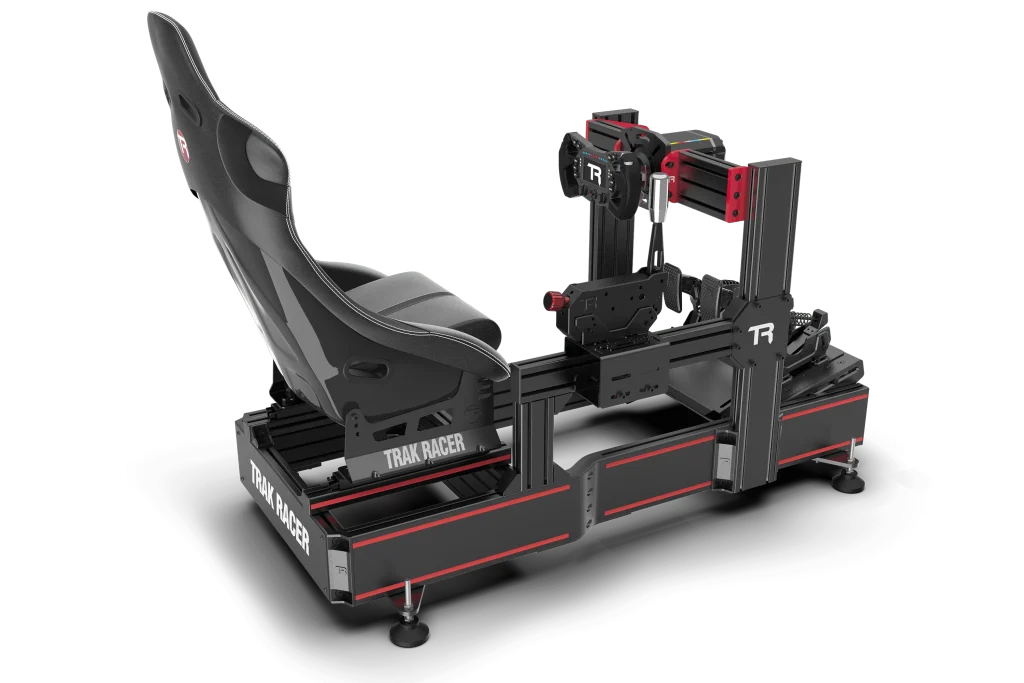
Popular examples in this category include rigs like the 6Sigma 6S-120, Sim Lab GT1 Evo, the Trak Racer TR40s, and similar mid range profile cockpits. These rigs use heavy duty aluminum extrusion that can be adjusted in almost every direction. Wheel height, pedal angle, seating position, monitor mounts, keyboard trays, shifter arms, and motion systems can all be added or adjusted over time.
The biggest advantage of aluminum profile is future proofing. You can start with a modest wheel and pedals and upgrade over time without ever needing to replace your cockpit. The same rig that holds a five newton meter base today can hold a fifteen newton meter base tomorrow with zero modification.
These cockpits also eliminate flex. With proper assembly, the rig feels completely solid under braking and steering forces. That consistency alone can improve your driving because you are no longer compensating for movement in your frame.
If you have the space and budget, this is the category I recommend to most serious sim racers. It provides the best balance of price, performance, and upgrade potential.
High End 8020 Sim Racing Cockpits
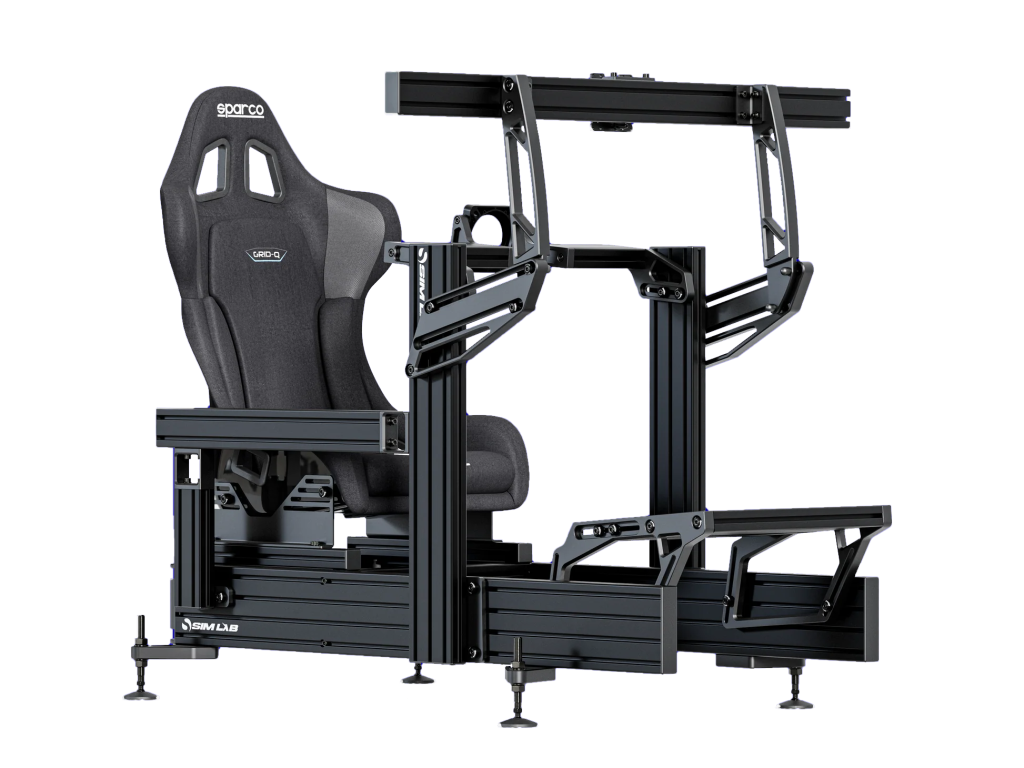
This is the top of the food chain. Heavy duty 8020 cockpits use thicker aluminum profiles and reinforced mounting plates designed to handle the most extreme sim racing hardware available.
These rigs are built for drivers running twenty newton meter direct drive bases, ultra stiff load cell or hydraulic pedals, heavy triple monitor mounts, and full motion systems. Everything about these rigs is overspec for maximum stability.
The advantage here is absolute zero flex. Under full braking force and maximum steering torque, the rig does not move. That physical stability translates directly to confidence and precision on track.
Another benefit is expandability. Motion actuators, belt tensioners, traction loss systems, massive triple screen arms, and flight sim conversions can all be added to these rigs with minimal effort.
The downside is cost and space. These rigs are large, heavy, and expensive. They are designed for dedicated sim rooms or permanent installations. If you are tight on space or just getting started, this category makes very little sense. But if you want the strongest possible foundation for your setup, this is where you end up.
How to Choose the Right Cockpit for Your Setup
The easiest way to choose the right cockpit is to be honest about your long term goals.
If you are casually racing with entry level gear and need something compact, an entry level rig or wheel stand is perfect.
If you plan to upgrade into stronger wheels and load cell pedals, an aluminum profile cockpit is the best investment you can make.
If you already own or plan to own ultra high end hardware, a heavy duty 8020 rig will save you from upgrading twice.
Your available space also matters just as much as your budget. Some cockpits simply will not fit in smaller rooms. Measure before you buy. Always.
Comfort, Adjustability, and Seating Position
Comfort is often overlooked but it plays a massive role in performance. A poorly positioned rig causes fatigue. Fatigue leads to mistakes.
Profile cockpits allow you to fine tune everything. Seat height, distance to pedals, wheel angle, and pedal pitch all affect long session comfort. This level of adjustment is one of the biggest reasons so many serious drivers move away from fixed frame rigs.
Your seat choice matters as well. Recline seats are generally more comfortable for endurance racing. Bucket seats provide better lateral support but are firmer. There is no universal right answer. It comes down to your body type and the type of racing you do most.
Final Thoughts
The best sim racing cockpit is the one that fits your current setup while leaving room to grow. There is no single perfect answer for everyone.
Beginners should focus on affordability and space savings. Enthusiasts should prioritize rigidity and adjustability. High end drivers should invest in uncompromising strength and expansion.
No matter which direction you go, your cockpit is the foundation of your entire sim racing experience. Choose it wisely and it will support every upgrade you make for years to come.
If you plan things properly from the start, you will never need to replace your cockpit again. You will only build upon it.
Feeling bored or burnt out with sim racing? Here are 3 simple ways to make sim racing more enjoyable again, from cruising and joining communities to taking it less seriously.
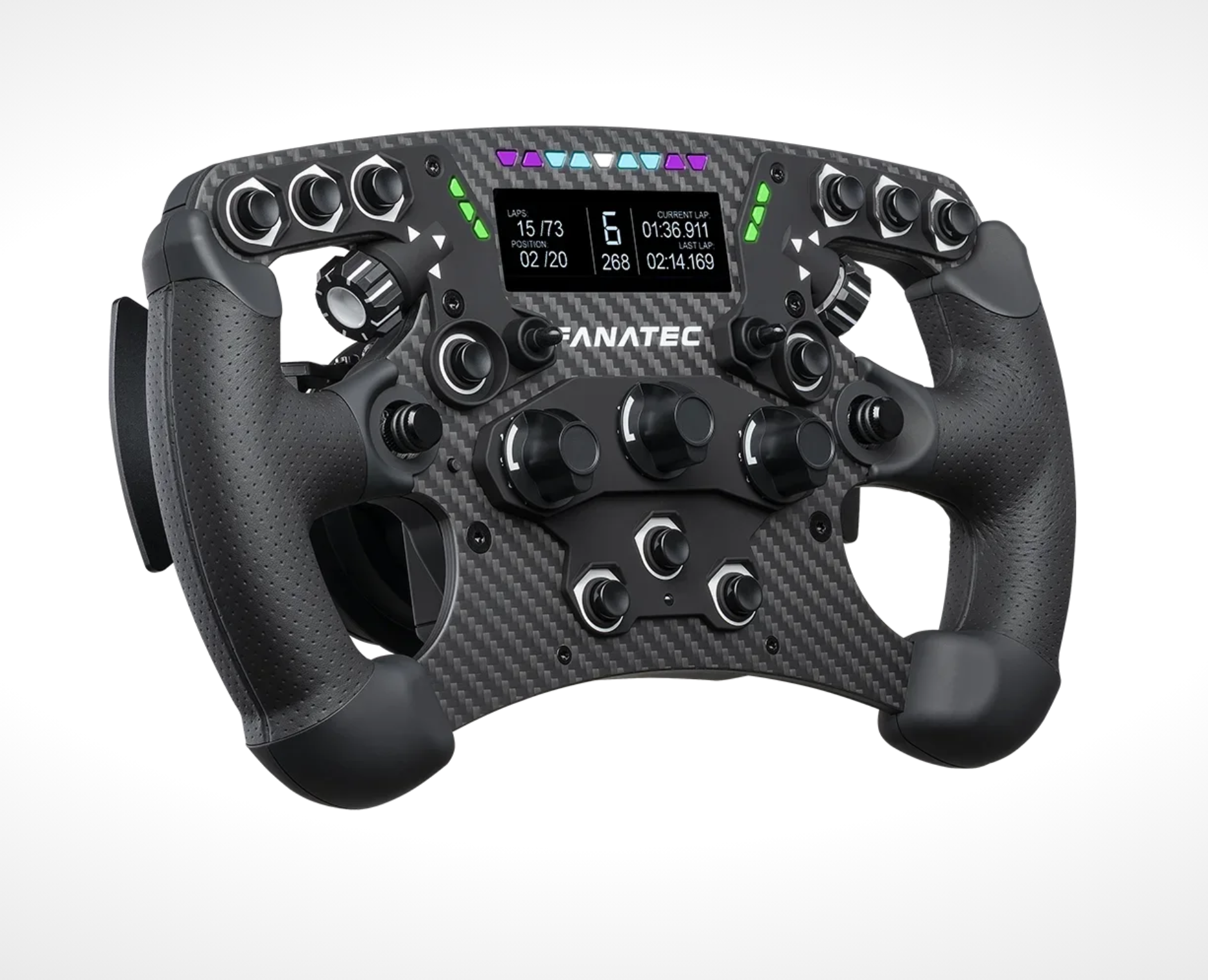
New Fanatec Formula V3 leaks suggest a real successor to the Formula V2.5 is coming soon, with a larger display, revised controls, and a $349.95 price.
A look at the best April Fools’ jokes in sim racing for 2026, from Fanatec and MOZA to RaceRoom and more. Here are the funniest fake products, absurd reveals, and…
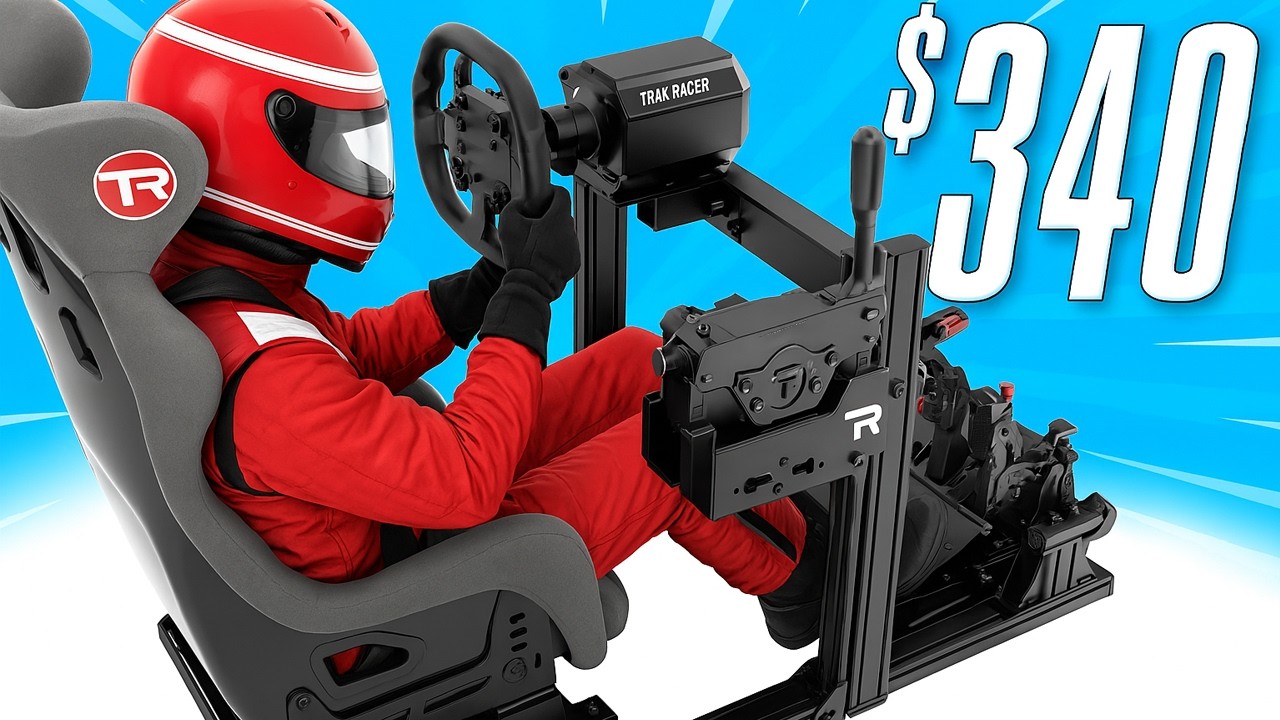
The Trak Racer TR40S is one of the most affordable aluminium profile cockpits available, offering adjustability, solid rigidity for the price, and strong compatibility. It is not perfect, but it…
Le Mans Ultimate V1.3 introduces reduced server hosting costs via RaceControl, addressing long-standing community requests. However, missing features like driver swaps continue to raise concerns for endurance racing players.
Car Mechanic Simulator 2026 has been officially revealed with co-op gameplay, expanded systems, and a playable demo. Here is everything currently known about the upcoming release.
Forza Horizon 6 PC requirements have been revealed ahead of its May 2026 release, outlining performance targets from 1080p low to 4K ray tracing and highlighting the increasing demand for…