Assetto Corsa EVO 0.4 Update Feels Like a Real Comeback in the Making
OC Racing
December 15th, 2025
When Assetto Corsa EVO first launched, expectations were high. Built on the legacy of Assetto Corsa and Assetto Corsa Competizione, many players expected a polished evolution of one of the most respected sim racing platforms ever made.
Instead, the initial release felt undercooked. Content was thin, features were missing, performance was inconsistent, and the overall structure lacked direction. While the driving fundamentals showed potential, EVO felt more like a technical demo than a complete racing platform.
As a result, early impressions were mixed at best. Player numbers dropped quickly, and skepticism grew around whether EVO would meaningfully evolve or remain stuck in early access limbo.
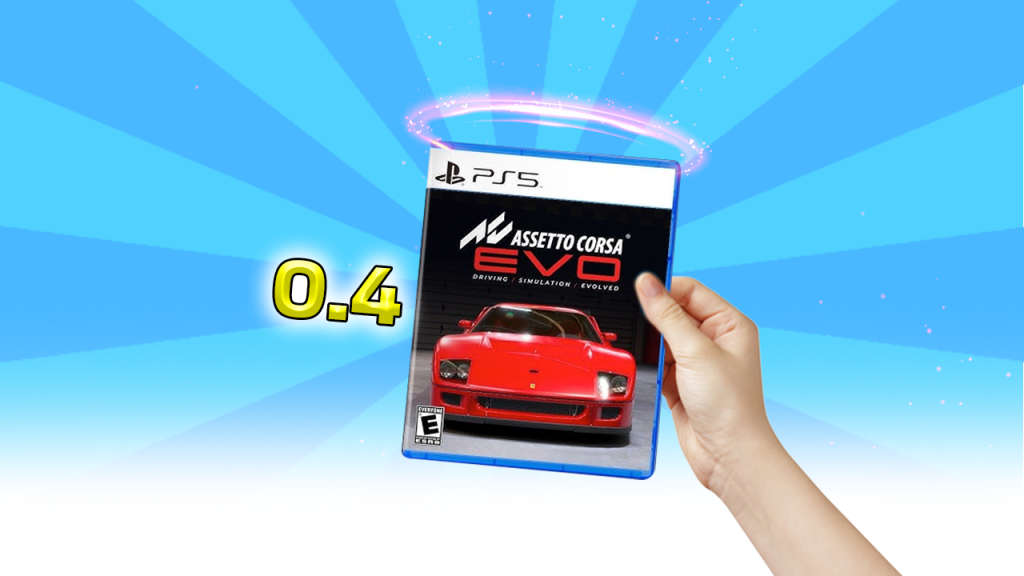
The newly released 0.4 update is the strongest indication yet that Kunos is serious about turning Assetto Corsa EVO into a long term platform.
This is not a minor patch or incremental tweak. It is a substantial update that touches nearly every aspect of the game, from content and multiplayer to physics, visuals, and user experience.
More importantly, it finally gives EVO a sense of identity. Instead of feeling like a stripped down sandbox, the game now resembles an actual racing ecosystem.
Ten New Cars Expand the Experience Significantly
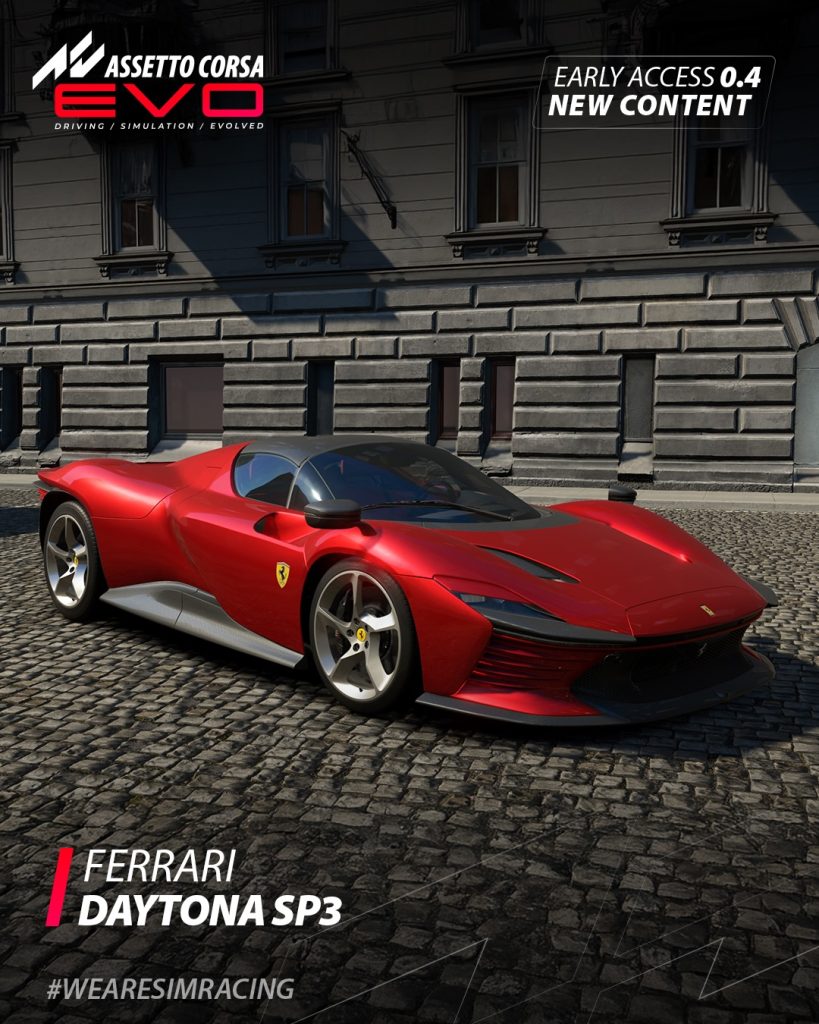
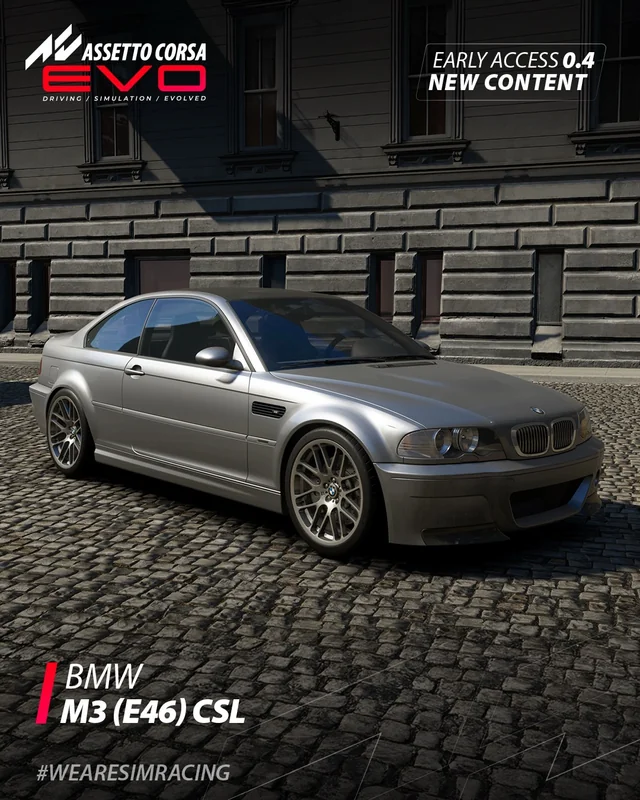
One of the most immediately noticeable additions in the 0.4 update is the expanded car roster. Ten new vehicles have been added, covering a surprisingly broad range of categories.
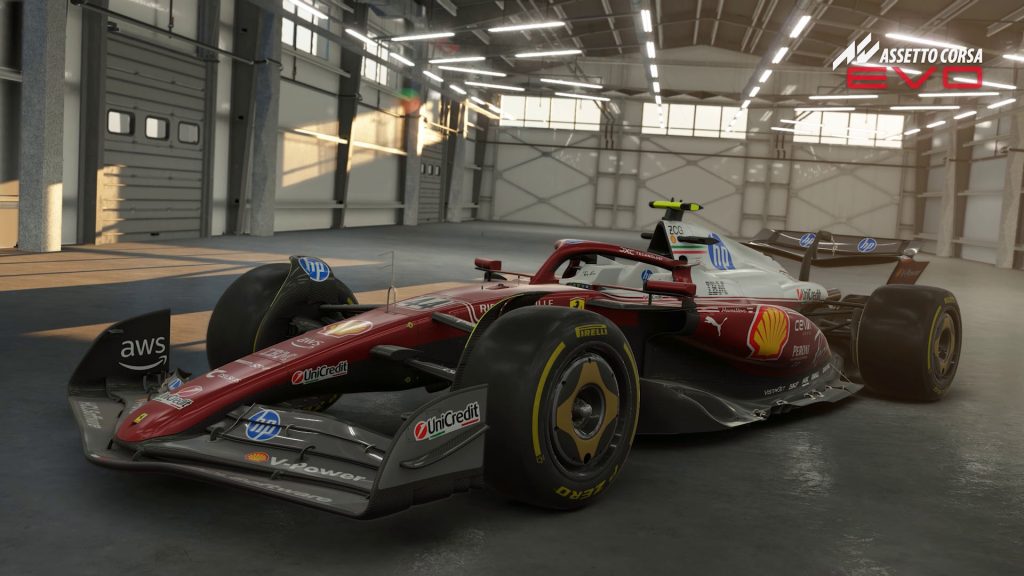
The lineup spans from lightweight hot hatches and road cars to high performance hypercars and even a Ferrari’s 2025 Formula 1 car, the SF-25. This variety does more than pad numbers. It fundamentally improves how EVO feels to play on a daily basis.
Lower powered cars highlight the refined physics and weight transfer, while faster machinery finally gives players a reason to push the limits of grip and downforce. The Ferrari in particular showcases how far the physics model has come since launch, offering a far more planted and communicative driving experience.
This wider selection also makes EVO feel less repetitive. You are no longer confined to a narrow slice of motorsport.
Major Track Additions Change Everything
Track content was one of EVO’s biggest weaknesses at launch, and the 0.4 update addresses that head on.
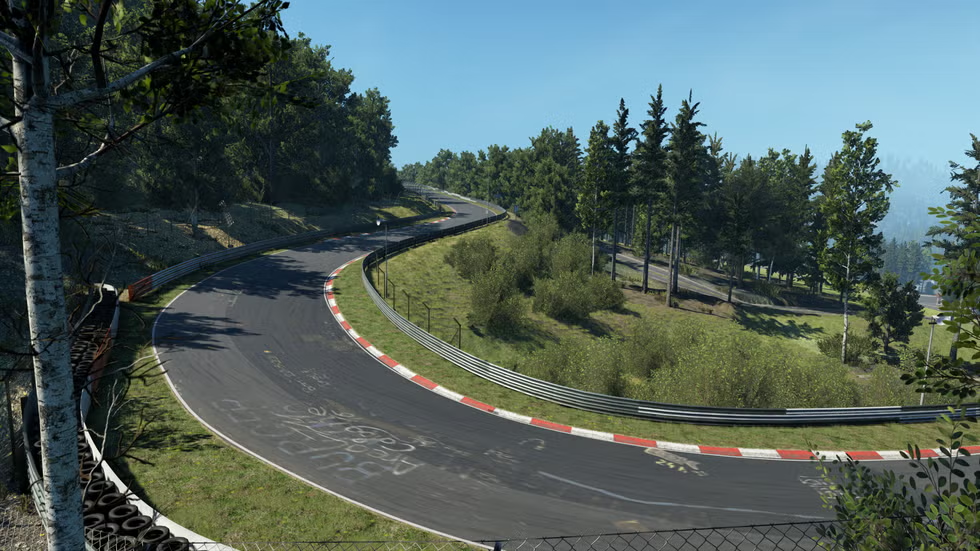
The headline addition is without question the Nürburgring Nordschleife. Its inclusion alone is a massive win, both symbolically and practically. Few circuits test a sim’s physics, suspension modeling, and force feedback quite like the Nordschleife.
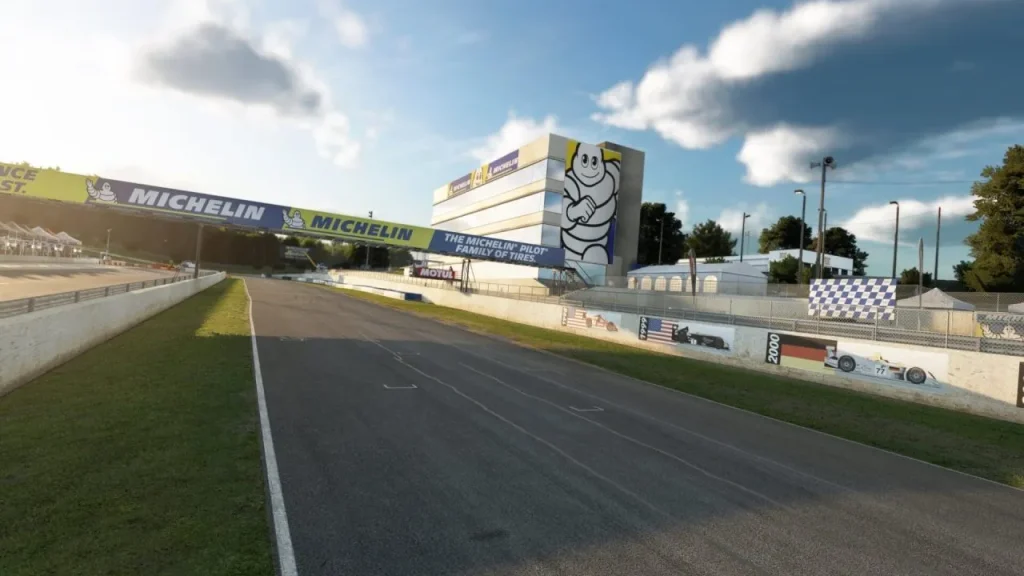
Beyond that, the update adds several real world circuits including Monza and Road Atlanta, among others. These are tracks players know intimately, which makes them perfect benchmarks for judging handling improvements.
The expanded track roster finally gives EVO the geographic and stylistic diversity it was missing, making longer play sessions far more engaging.
Ranked Multiplayer Brings Needed Structure
Perhaps the most important addition in the 0.4 update is structured multiplayer.
Assetto Corsa EVO now features a ranked online system complete with driver ratings, safety ratings, and scheduled daily races. This immediately changes how the game feels from a progression standpoint.
Instead of random lobbies with no consequences, races now have stakes. Clean driving matters. Consistency matters. Finishing well actually means something.
Server stability has also improved noticeably. While not perfect, online races feel far more reliable than they did at launch, with fewer disconnects and smoother synchronization.
This does not yet rival the most established competitive platforms, but it gives EVO a proper backbone for organized racing.
Physics and Handling Are Finally Coming Together
From a pure driving standpoint, 0.4 is a major step forward.
Physics refinements are immediately noticeable across multiple car classes. Weight transfer feels more natural, tire behavior is more predictable at the limit, and recovery from slides feels less artificial.
Force feedback has also improved. Road detail is clearer, mid corner loading is more consistent, and the steering communicates grip loss more progressively than before.
These changes make EVO feel closer to a true sim rather than a rough experiment. It still requires tuning and hardware setup to shine, but the foundation is now solid.
UI and Visual Improvements Improve Immersion
The update also includes refinements to the user interface and graphics.
Menus are cleaner, navigation is more intuitive, and visual clarity has improved both in and out of the car. Lighting has been refined, and track environments feel more alive than before.
While EVO is not aiming to be a visual showcase above all else, these improvements contribute significantly to immersion and usability.
The game finally feels cohesive rather than fragmented.
Performance Is Better but Not Perfect
Performance has improved overall, but it remains an area where work is still needed.
Frame pacing is more consistent on most systems, and general stability has increased. That said, occasional stutters and optimization issues still appear, especially on lower end hardware or in online sessions.
This is no longer a deal breaker, but it is something Kunos will need to continue addressing if EVO is to maintain momentum.
Is Assetto Corsa EVO Finally Worth Paying Attention To
With the 0.4 update, Assetto Corsa EVO feels like a different game than it did at launch.
It now offers meaningful content, structured multiplayer, improved physics, and a clear development direction. While it is still not feature complete, it no longer feels like a bare bones early access project.
For players who wrote EVO off early, this update is a strong reason to take another look.
Final Thoughts
Assetto Corsa EVO’s 0.4 update does not magically fix every problem, but it does something far more important. It restores confidence.
The additions of new cars, iconic tracks, ranked multiplayer, and refined driving physics finally give EVO the depth and structure it was missing.
If Kunos can maintain this pace of meaningful updates, Assetto Corsa EVO has a genuine chance to become a serious long term platform rather than a forgotten experiment.
For the first time since launch, calling EVO a comeback in progress actually feels justified.
iRacing has released a substantial development update, outlining a wide range of new features, content additions, and system improvements. This marks one of the platform’s most significant updates to date,…
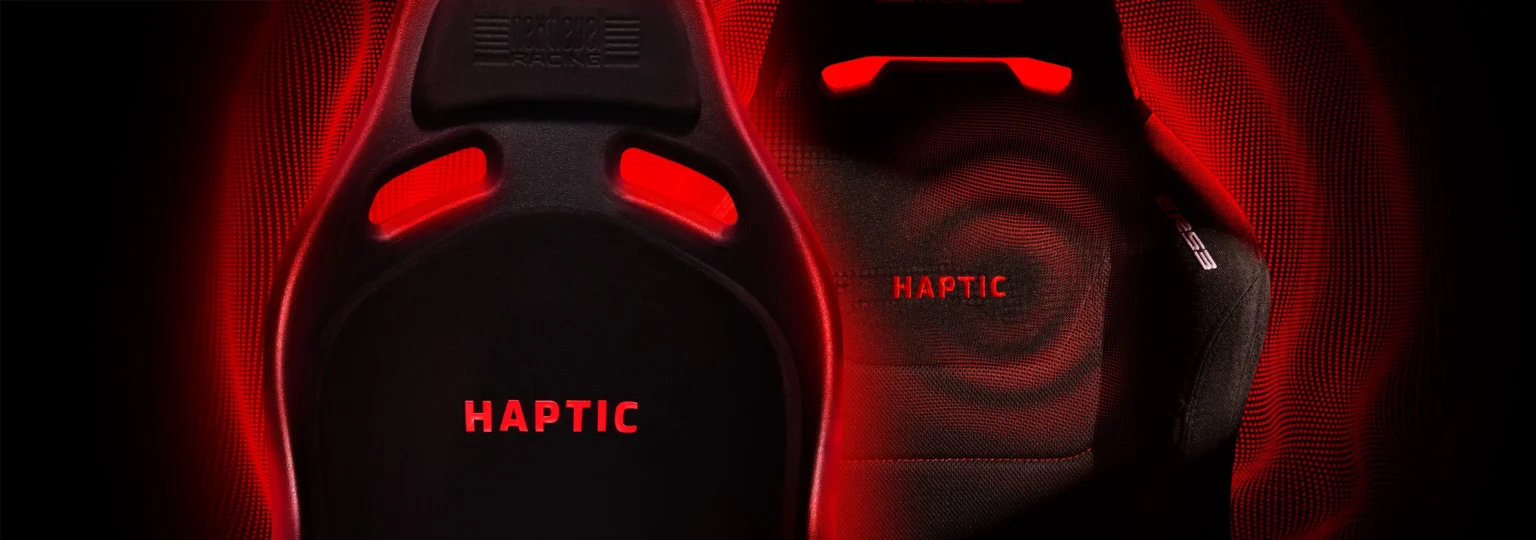
Next Level Racing has introduced two new sim racing seats featuring fully integrated haptic feedback, a first for NLR that has already generated significant discussion within the sim racing community.…
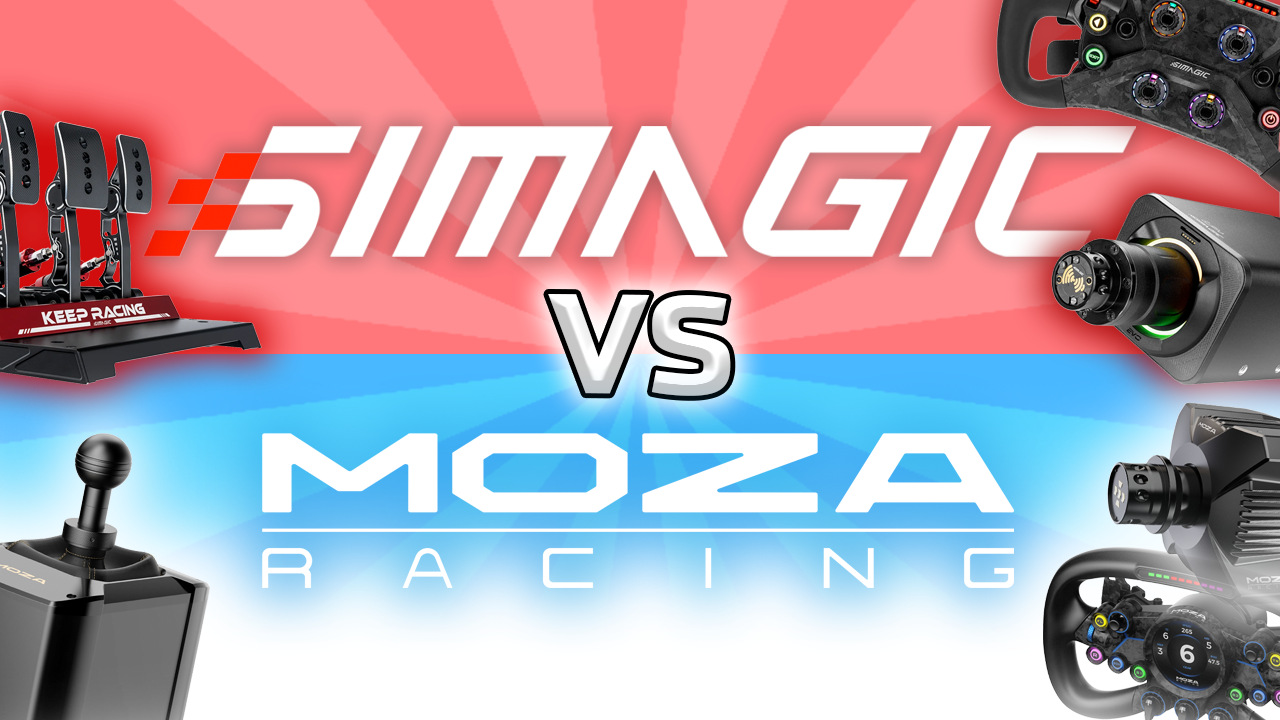
Moza and Simagic approach sim racing hardware very differently in 2026. From entry-level bundles to high-end direct drive ecosystems, here’s how they compare across price tiers and who each brand…
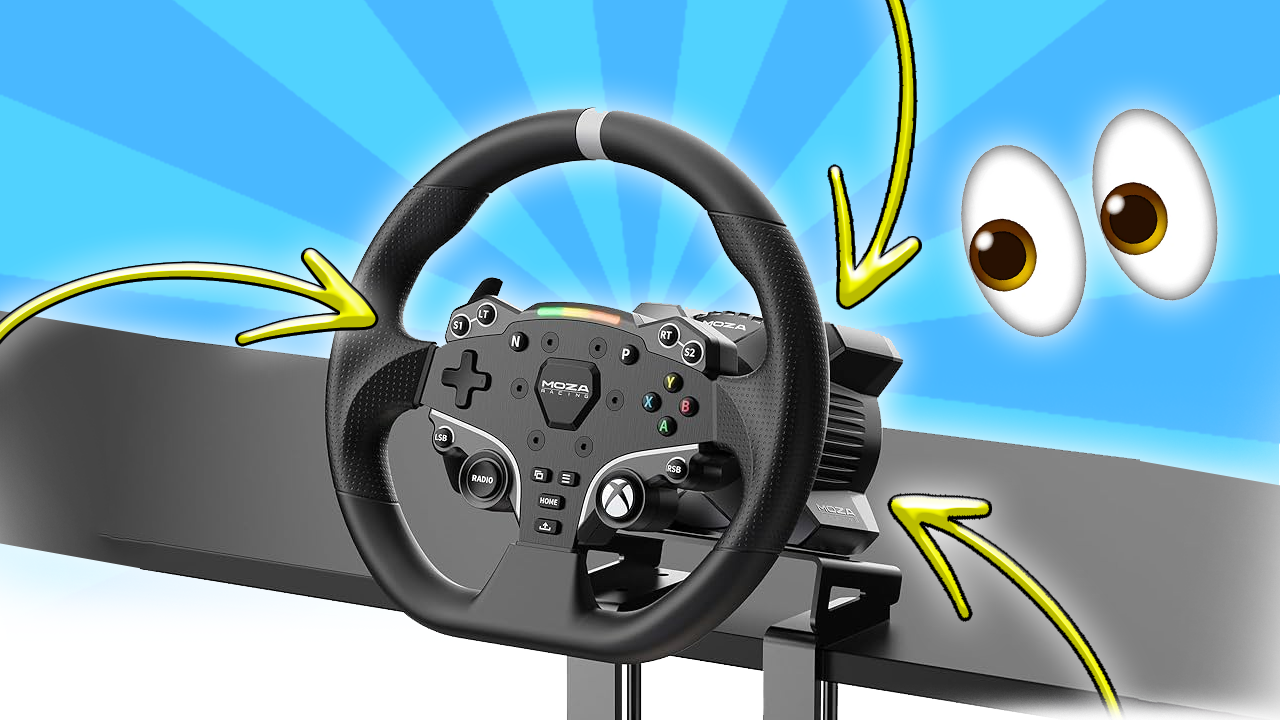
The Moza R3 is one of the most popular entry-level direct-drive bundles in 2026, but most people miss the details that actually matter. Here are three things you probably didn’t…
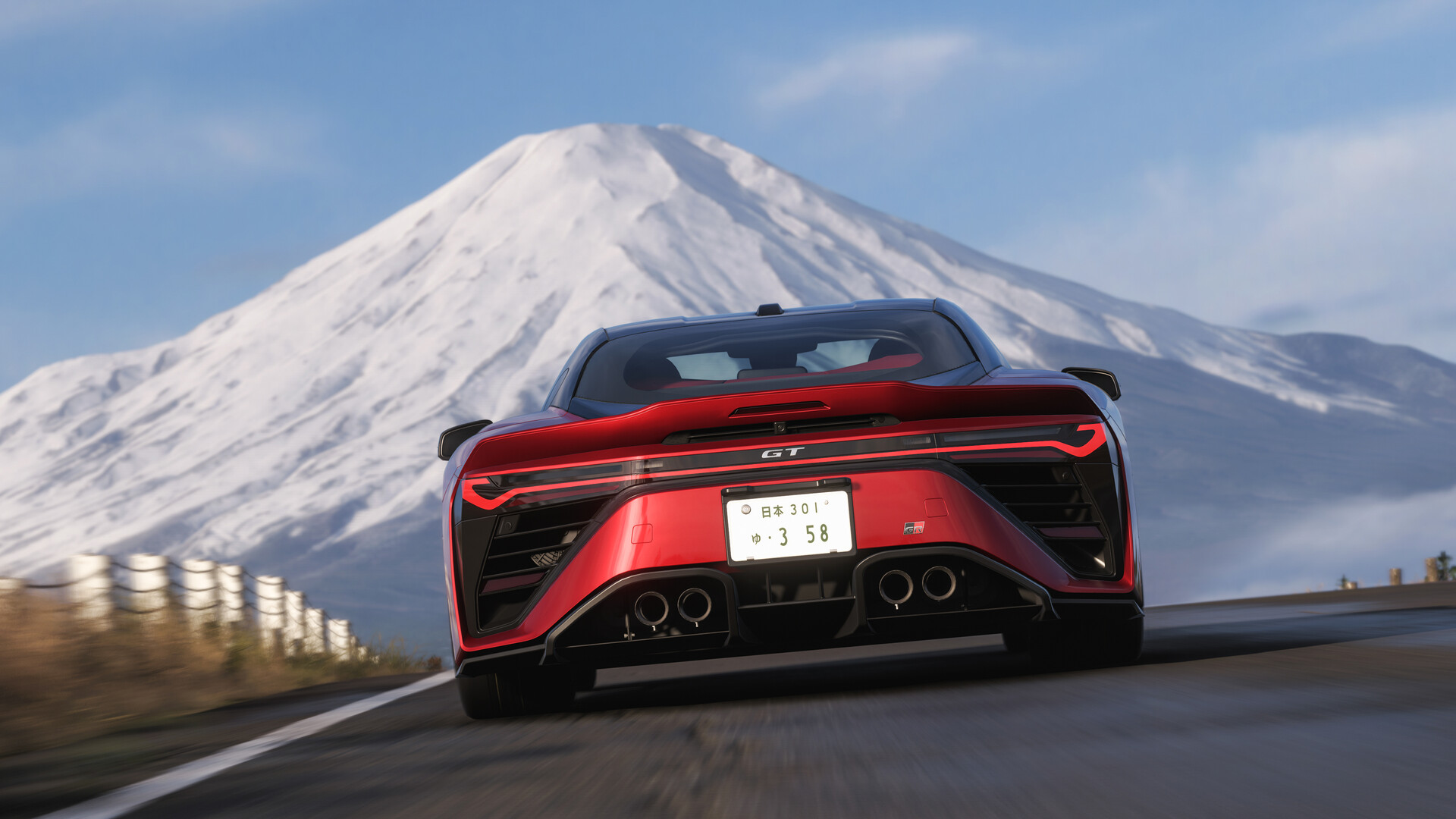
The campaign in Forza Horizon 6 introduces a fresh and immersive progression system. Unlike Forza Horizon 4 and Forza Horizon 5, players begin their journey in Japan as an unknown…
Moza’s new KS Pro formula wheel packs lighting effects, hidden inputs, a customizable 3-inch screen, and unexpected compatibility options. Here are five details most people miss at first glance.
Ascher Racing has announced the release of a new plugin for the widely used SimHub application. This marks a significant step forward in software usability for Ascher Racing customers, replacing…
Last Thursday, Supernova Games Studios announced a range of exciting updates for Assetto Corsa Rally. While recent updates to Assetto Corsa Evo have received mixed feedback, Assetto Corsa Rally appears…

wessel says:
still think they can do better
Henry says:
yeah, definitley
coenvvln_ says:
there still is improvement
Offline_0102 says:
0.4 is so tuff, but if they keep going like this we‘ll get 1.0 in like 2028
jean.teran.114 says:
Asseto Corsa (not evo) I think its a stil better option for simracing, in price terms.
Amos says:
I really 1.0 is polished and not rushes (doesnt look like it is going to be tho)
GVLUNDER says:
is it actually any good??
GVLUNDER says:
is it actually any good?? might get it
Vapid says:
I like normal Asseto Corsa more than evo.
iamphilipp says:
I was so worried this Game would be a massive downfall, but somehow they Safed it for now, there is still stuff to improve.