Forza Horizon 6 PC Requirements Revealed Ahead of May 2026 Launch
72Taron
March 30th, 2026
Forza have officially revealed the PC system requirements for Forza Horizon 6, set to launch on May 19, 2026. With multiple performance targets ranging from low-end 1080p all the way up to 4K ray tracing, the new entry in the Horizon series is clearly aiming to scale across a wide range of hardware. Here is everything you need to know, along with a closer look at what these requirements actually mean in real-world usage.
The minimum requirements are designed for players targeting 1080p at 60 FPS using the Low preset. While this is the entry point, it still reflects a noticeable step up compared to previous Horizon titles. Having these specs will likely not guarantee a smooth gaming experience.
Requiring 16GB of RAM even at the lowest settings stands out immediately. The GTX 1650 class GPU suggests that older budget systems can still get in, but expectations should be kept realistic in terms of graphics quality.
Recommended Specs Aim for 1440p High Settings
Moving up to the recommended tier, Forza Horizon 6 targets 1440p at 60 FPS or higher on the High preset. This is where the game is expected to deliver its intended visual and smooth experience for most players.
This tier aligns closely with what has become the current mid-range standard. GPUs like the RTX 3060 Ti and RX 6700 XT remain widely used and should handle the game comfortably at higher settings. The CPU requirement also reflects a shift toward stronger single-core and multi-core performance, which is important for open-world streaming and AI traffic density.
Extreme Settings Push Into High-End Territory
The Extreme preset raises the bar significantly, targeting 4K resolution at 60 FPS. This is where Forza Horizon 6 begins to demand wallet-breaking hardware.
CPU: Intel Core i7-12700K or AMD Ryzen 7 7700X
GPU: NVIDIA GeForce RTX 4070 Ti or AMD Radeon RX 7900 XT
RAM: 24GB
Storage: NVMe SSD required
OS: Windows 10 or 11 (22H2)
The jump to 24GB of RAM is unusual and highlights how demanding the game becomes at higher resolutions. Combined with the requirement for an NVMe SSD, it suggests significantly faster asset streaming and larger texture loads. This tier is clearly built for rich people who want maximum clarity and detail without compromise.
Extreme RT Introduces Full Ray Tracing at 4K
At the very top sits the Extreme RT preset, enabling ray tracing at 4K with upscaling while maintaining a 60 FPS target. This is the most demanding configuration currently outlined.
CPU: Intel Core i7-12700K or AMD Ryzen 7 7700X
GPU: NVIDIA GeForce RTX 5070 Ti or AMD Radeon RX 9070 XT
RAM: 32GB
Storage: NVMe SSD required
OS: Windows 10 or 11 (22H2)
With 32GB of RAM and next-generation GPUs listed, this preset is clearly targeting NASA systems. The use of upscaling indicates that even with powerful hardware, native 4K ray tracing remains extremely demanding. This tier is likely not to be used by many, except the few millionaires among us.
What These Requirements Tell Us
Across all tiers, one consistent theme is the reliance on fast storage and higher memory capacity. Even at minimum settings, an SSD is mandatory, while higher tiers move to NVMe drives.
The CPU requirements also show a clear generational jump. Older six-core processors are still supported at the low end, but newer architectures are strongly recommended for higher presets. This likely ties into more advanced simulation elements, traffic systems, and world complexity.
On the GPU side, the scaling is aggressive but expected. From entry-level cards like the GTX 1650 up to next-gen hardware such as the RTX 5070 Ti, the game appears designed to take full advantage of modern graphical capabilities, including ray tracing and AI upscaling technologies.
Final Thoughts
Forza Horizon 6 is shaping up to be one of the most technically demanding game in the series so far. While the minimum requirements still allow older systems to participate, although likely with a rather uncomfortable experience, the higher presets clearly push into NASA-level territory.
The strong emphasis on SSD performance, increased RAM requirements, and modern GPUs points toward a more ambitious and demanding open-world experience. For players looking to run the game at higher resolutions or with ray tracing enabled, upgrades (along with a third job) may be necessary.
With the May 2026 release date approaching, these requirements provide a picture of what to expect on PC.
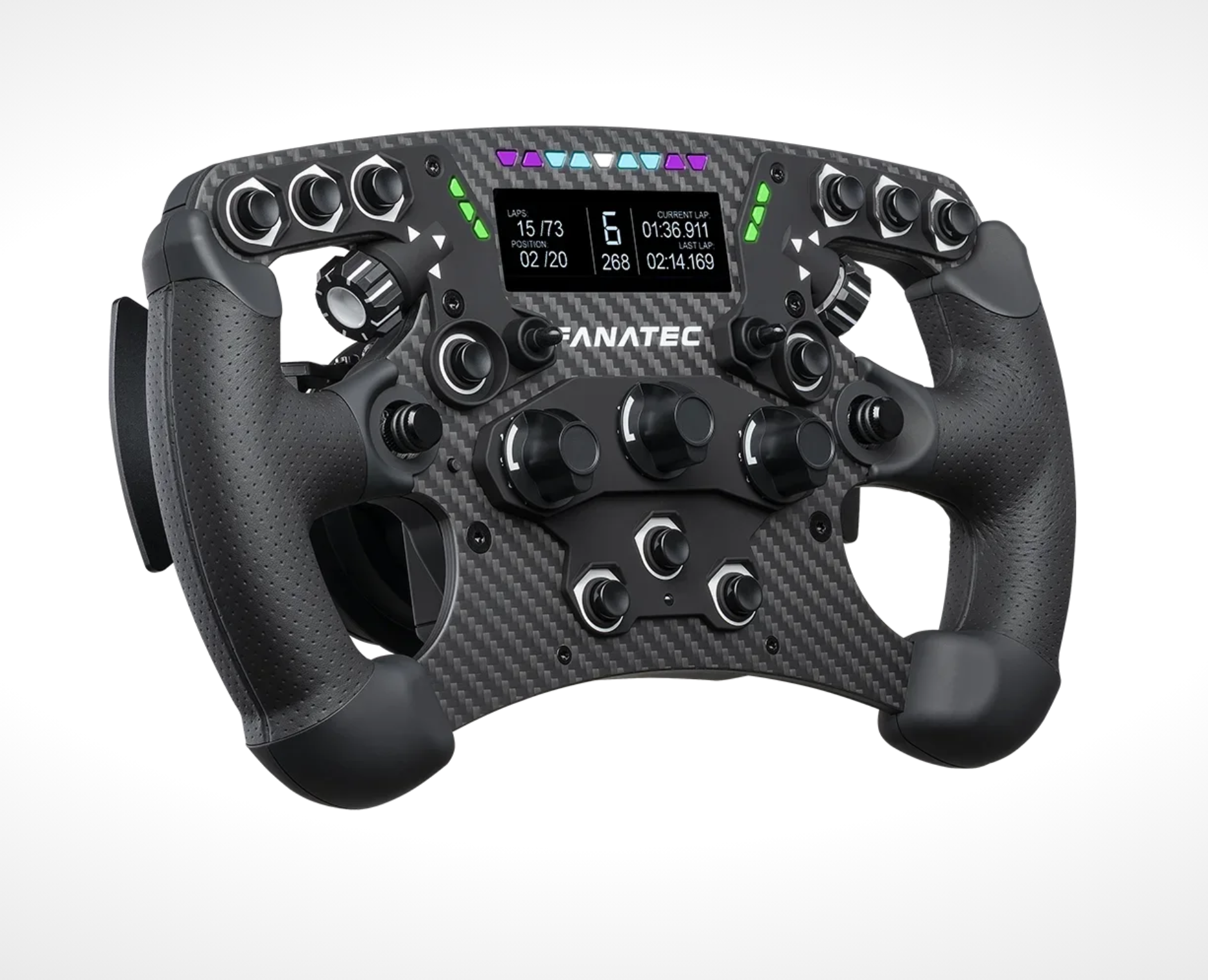
New Fanatec Formula V3 leaks suggest a real successor to the Formula V2.5 is coming soon, with a larger display, revised controls, and a $349.95 price.
A look at the best April Fools’ jokes in sim racing for 2026, from Fanatec and MOZA to RaceRoom and more. Here are the funniest fake products, absurd reveals, and…
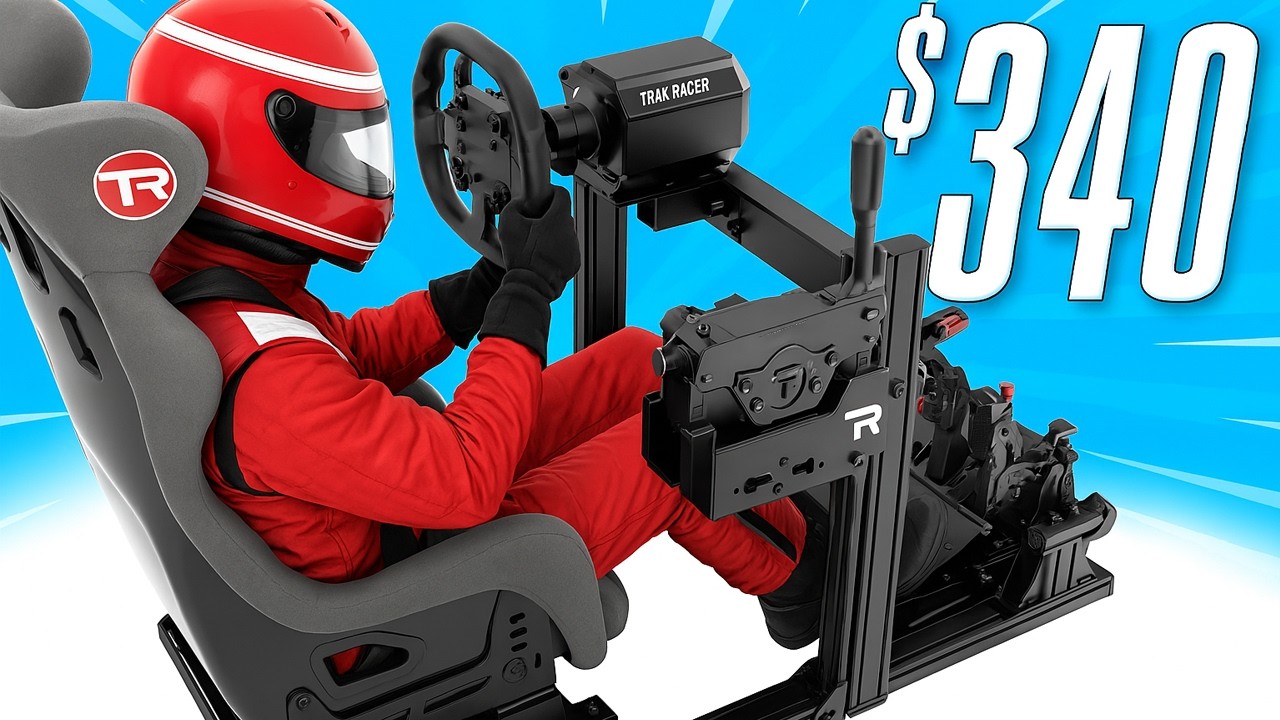
The Trak Racer TR40S is one of the most affordable aluminium profile cockpits available, offering adjustability, solid rigidity for the price, and strong compatibility. It is not perfect, but it…
Le Mans Ultimate V1.3 introduces reduced server hosting costs via RaceControl, addressing long-standing community requests. However, missing features like driver swaps continue to raise concerns for endurance racing players.
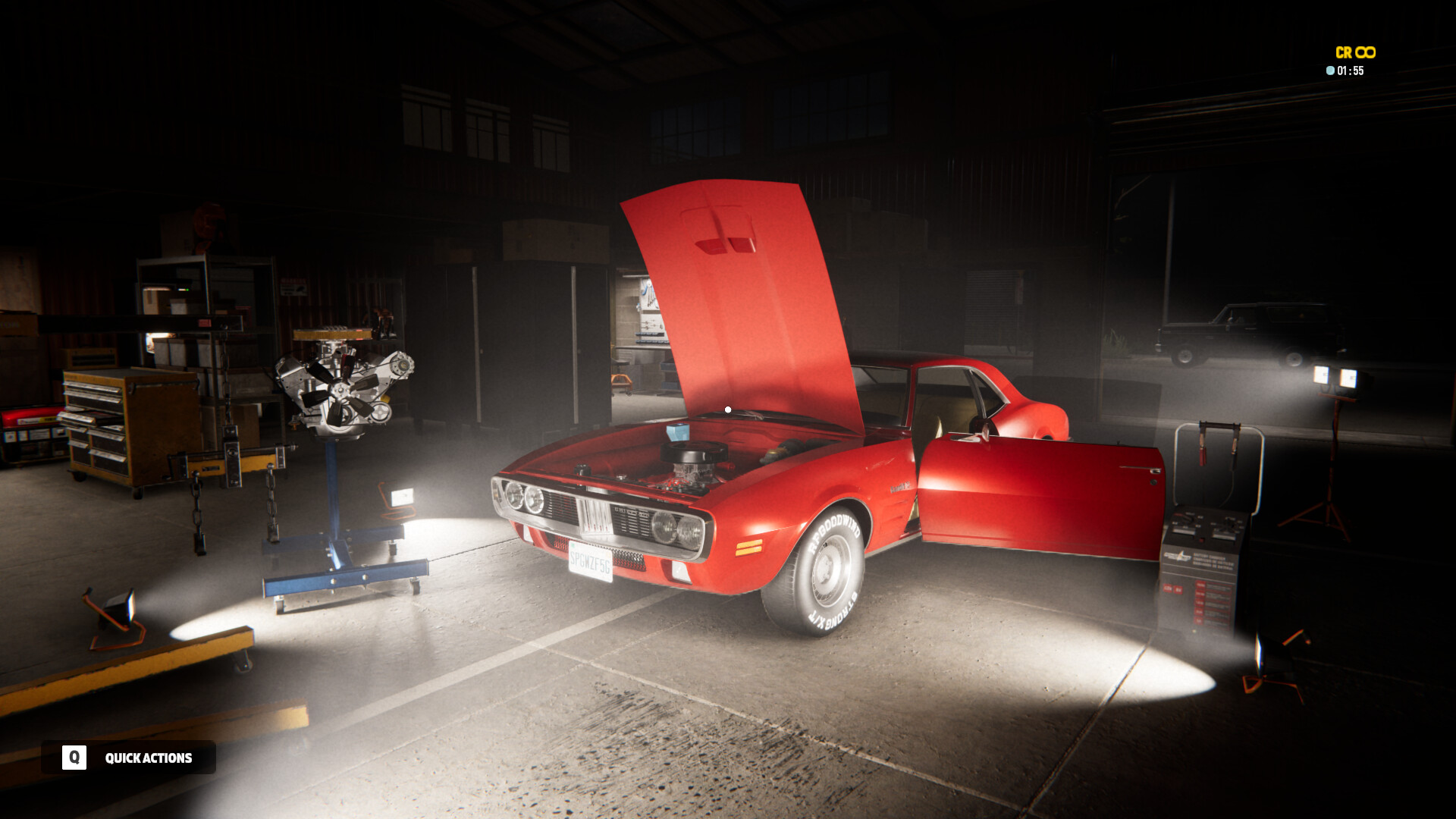
Car Mechanic Simulator 2026 has been officially revealed with co-op gameplay, expanded systems, and a playable demo. Here is everything currently known about the upcoming release.
Forza Horizon 6 PC requirements have been revealed ahead of its May 2026 release, outlining performance targets from 1080p low to 4K ray tracing and highlighting the increasing demand for…
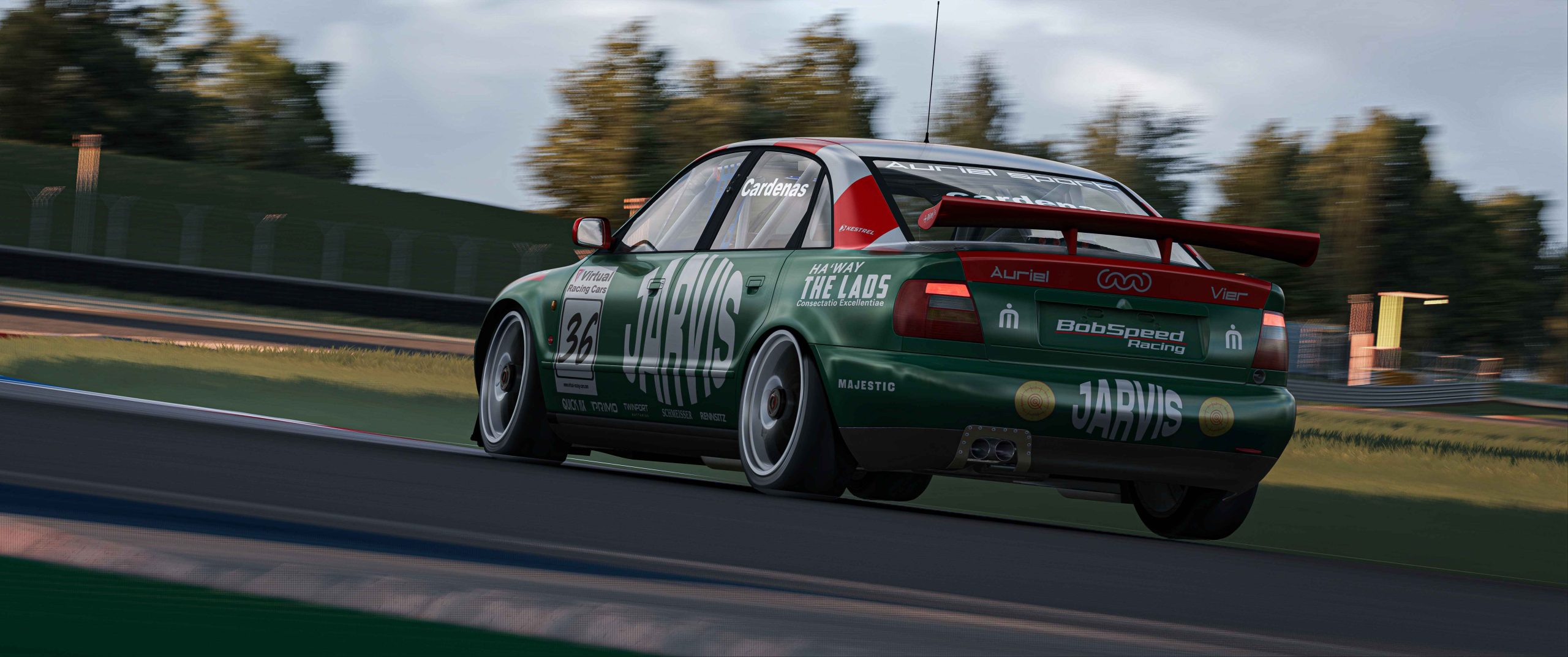
VRC’s ERC Auriel 4 recreates the Audi A4 Super Touring era with strong physics, great cockpit detail, and a surprisingly quick Assen lap. It understeers hard on throttle and eats…
The Fanatec Handbrake V2 brings a stronger build, better adjustability, and real load cell precision, but frustrating limitations in compatibility and usability may hold it back. Here is how it…