Formula Legends Late 20s DLC Review: A Promising Look at the 2026 Season and Patch 1.4
72Taron
March 13th, 2026
The next era of Formula racing has arrived in Formula Legends. With the Late 20s DLC and Patch 1.4, the game introduces a new generation of cars inspired by the 2026 regulations, fresh gameplay systems, and an additional circuit to challenge players. From battery management and new aerodynamic modes to fictional teams clearly inspired by the real Formula 1 grid, this update brings major changes to the driving experience. After extensive testing, here is a closer look at what the new season adds to Formula Legends.
Formula Legends is an independent racing title focused on celebrating the history of Formula racing across multiple decades. Rather than attempting to replicate a single championship in detail, the game takes inspiration from different eras of motorsport and recreates them through fictional teams, drivers, and cars. This approach allows the developers to avoid licensing limitations while still capturing the recognizable characteristics of real-world Formula racing.
The core idea behind the game is simple. Each era features cars that reflect the technology, performance, and driving style of the time they are inspired by. That means lighter cars with limited downforce in the earlier decades and much more complex hybrid machines in the modern era.
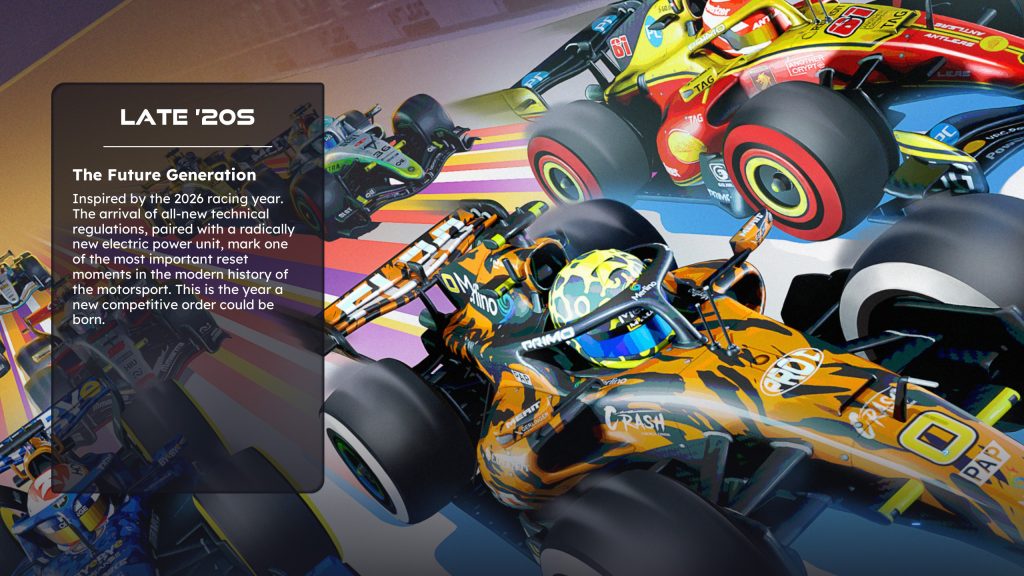
With the release of the Late 20s DLC and Patch 1.4, Formula Legends now takes a step into the next generation of Formula racing, introducing the 2026-inspired regulations and a completely new set of gameplay mechanics built around them.
Late 20s DLC and Patch 1.4
The Late 20s Season DLC launched on March 12 alongside Patch 1.4 and introduces a brand-new era of cars based on the upcoming generation of Formula racing regulations. The DLC includes a complete lineup of new teams and drivers, along with a dedicated championship mode designed specifically for these vehicles.
A new circuit has also been added to the calendar. Azerbaijan joins the track roster, bringing its high-speed straights and tight street sections into the Formula Legends universe. The track layout fits particularly well with the new generation of cars, which place a larger emphasis on aerodynamic efficiency and energy management.
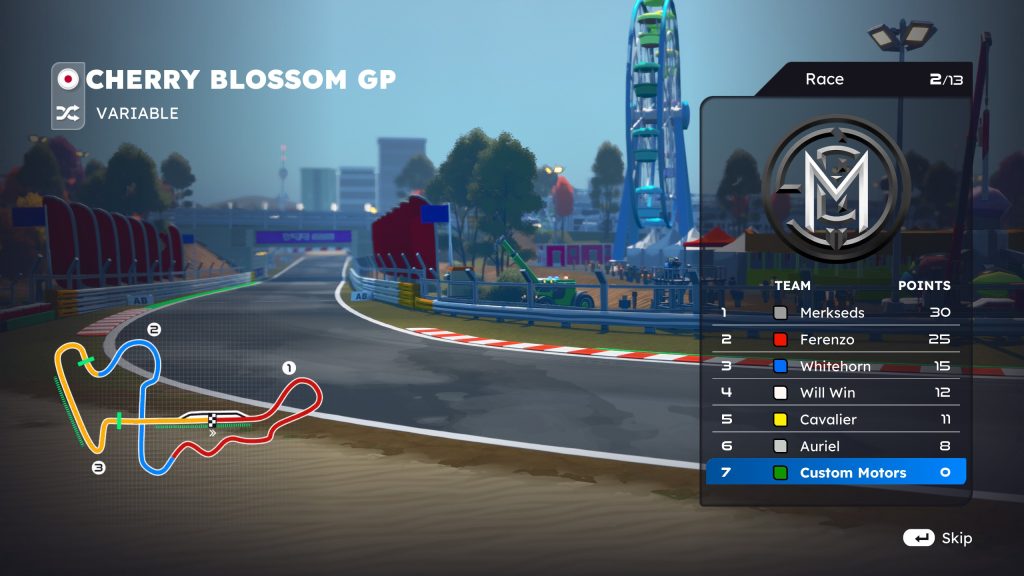
Alongside the paid content, the update also introduces some free additions. A new playable team called Custom Motors is available even without owning the DLC in Custom and Time Attack modes. The developers have also added a completely free Late 50s season featuring a new classic car and the Italy Super Vintage track variant.
Patch 1.4 also resets the online leaderboards to reflect the updated physics and gameplay systems introduced in recent updates. According to the developers, this decision was made following feedback from the community.
Testing Setup
Testing for this review was completed on the following system:
AMD Ryzen 7 5800X Nvidia GeForce RTX 5060 Ti 16GB 64GB Corsair Vengeance LPX DDR4 RAM Game installed on a Crucial Gen5 NVMe SSD Display resolution 2560×1440 at 165Hz
The game was tested with a PlayStation DualSense Controller.
Average framerate during testing on maximum graphics settings reached around 185 FPS.
New Teams and Drivers
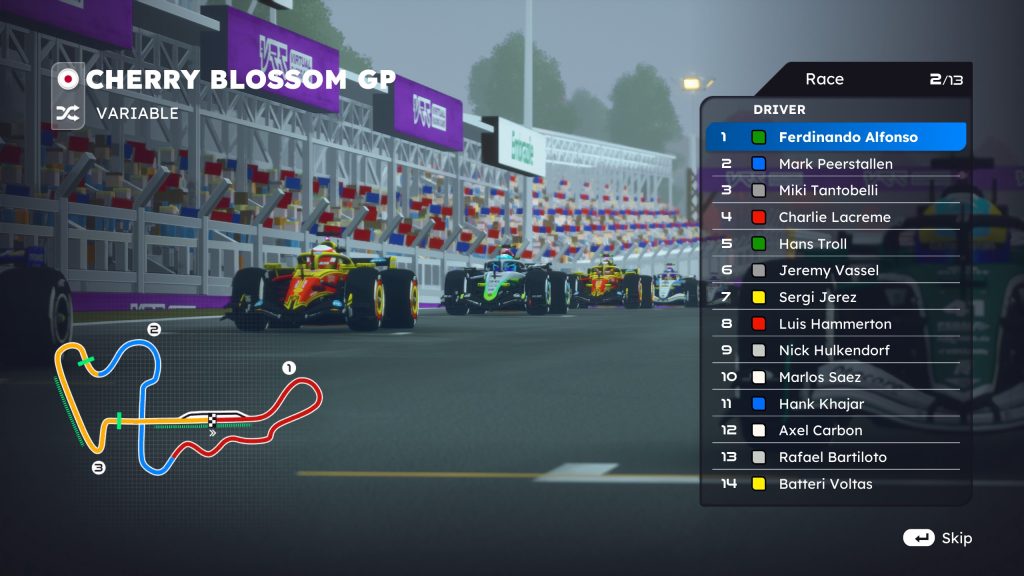
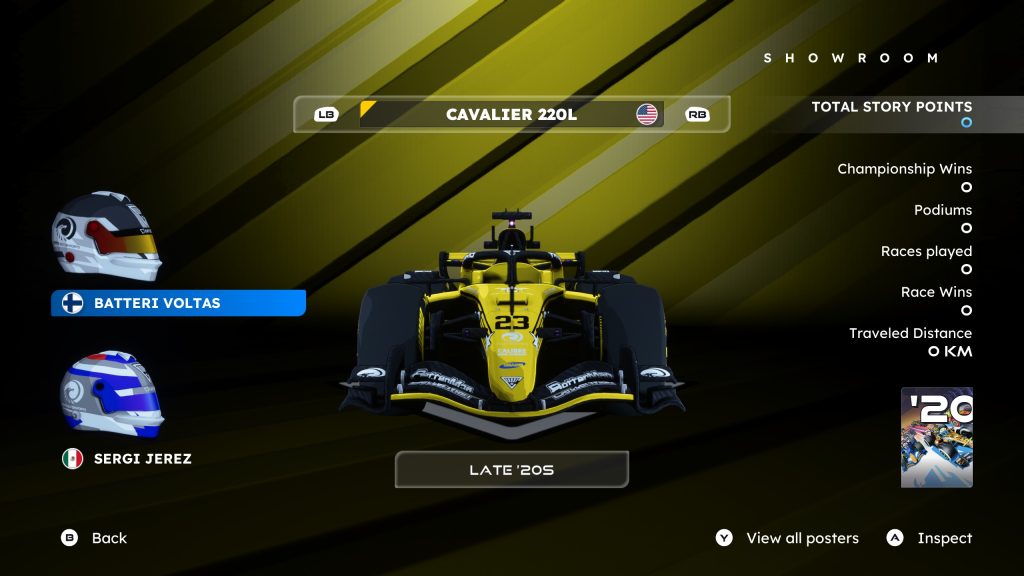
When launching the game with the DLC installed, the new cars can immediately be viewed inside the showroom before jumping into a race session. The new roster represents the 2026 Formula racing season and features seven teams with a total of fourteen drivers.
Because Formula Legends does not use official licenses, all teams and drivers appear under fictional names. Despite that, most Formula 1 fans will instantly recognize the real-world inspirations behind them.
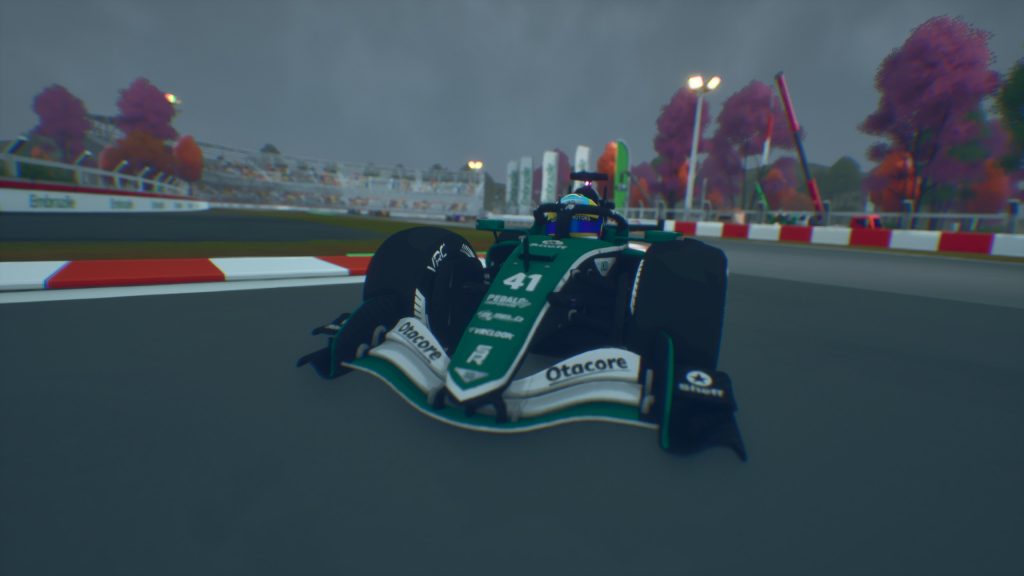
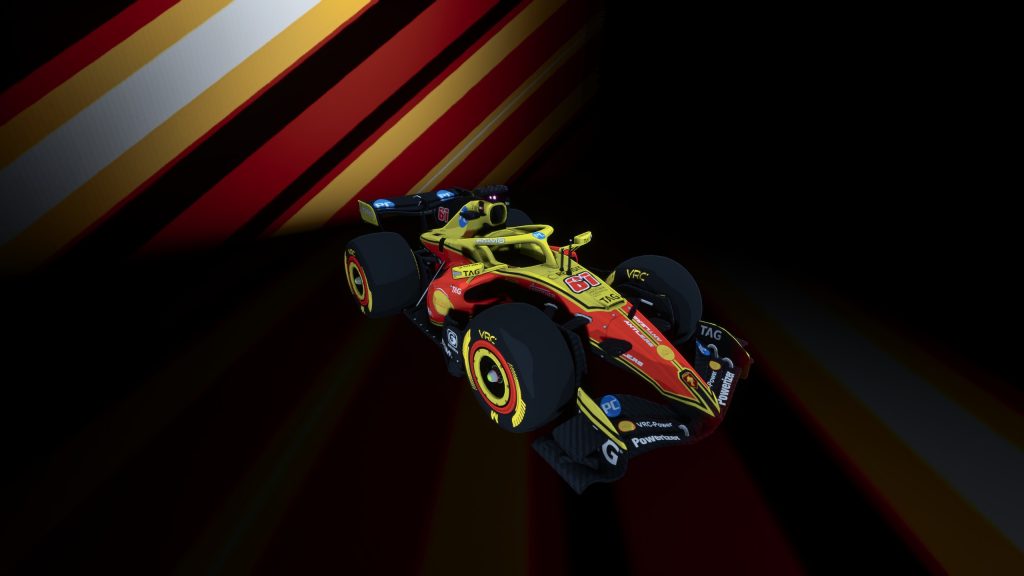
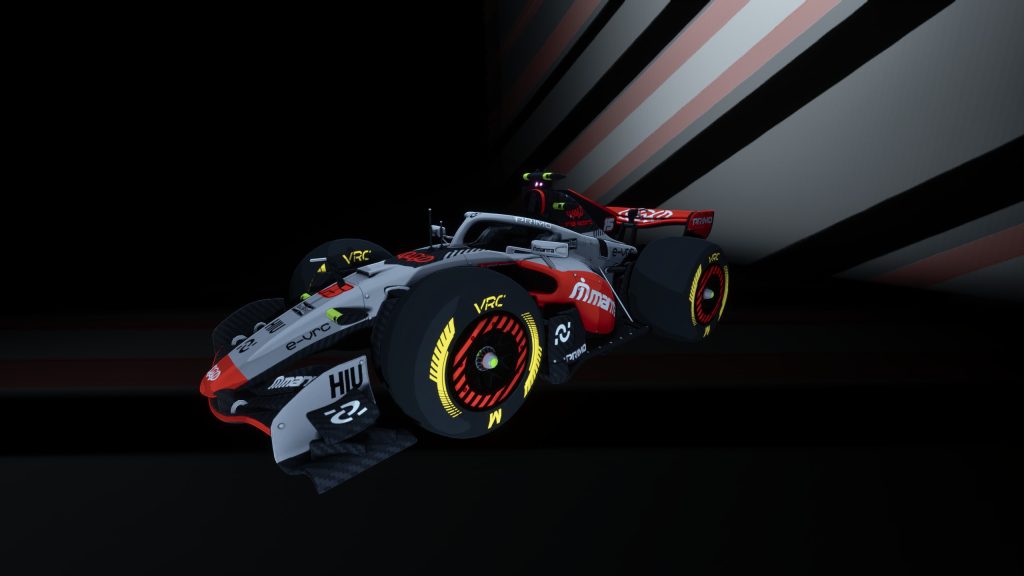
The fantasy liveries are well designed and visually convincing. Even without official branding, the cars still feel closely tied to their real-world counterparts.
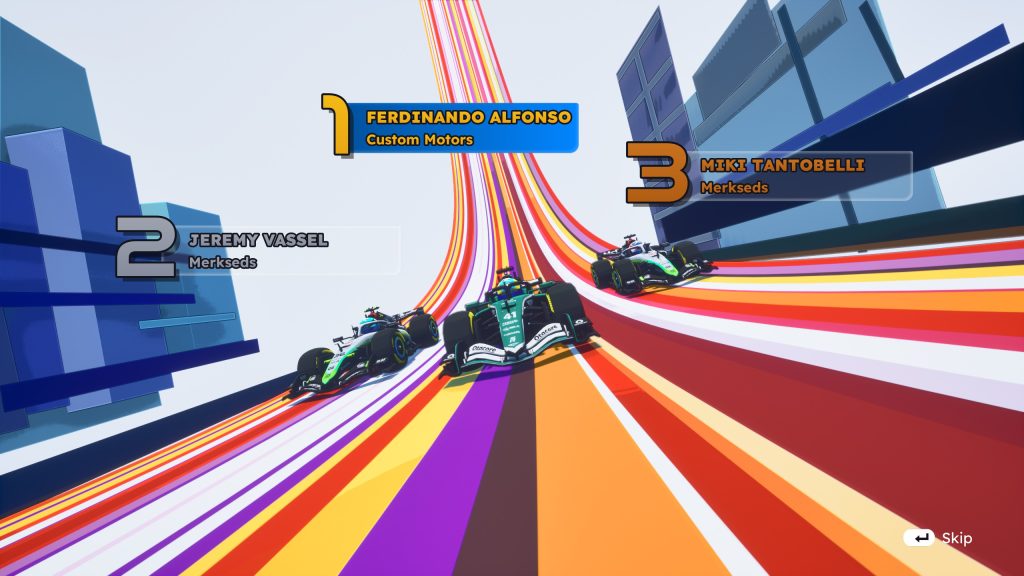
Merkseds – inspired by Mercedes Miki Tantobelli – inspired by Kimi Antonelli Jeremy Vassel – inspired by George Russell
Ferenzo – inspired by Ferrari Charlie Lacreme – inspired by Charles Leclerc Luis Hammerton – inspired by Lewis Hamilton
Whitehorn – inspired by Red Bull Racing Mark Peerstallen – inspired by Max Verstappen Hank Khajar – inspired by Isack Hadjar
Will Win – inspired by Williams Marlos Saez – inspired by Carlos Sainz Axel Carbon – inspired by Alexander Albon
Custom Motors – inspired by Aston Martin Ferdinando Alfonso – inspired by Fernando Alonso Hans Troll – inspired by Lance Stroll
Cavalier – inspired by Cadillac Sergi Jerez – inspired by Sergio Perez Batteri Voltas – inspired by Valtteri Bottas
Auriel – inspired by Audi Nick Hulkendorf – inspired by Nico Hülkenberg Rafael Bartiloto – inspired by Gabriel Bortoleto
New Technology and Gameplay Systems
The biggest gameplay changes introduced with the Late 20s DLC revolve around the updated technical regulations.
One of the most noticeable differences is the removal of the WRS system, which previously acted as the game’s version of DRS. Instead, the new cars feature an aerodynamic system with two modes.
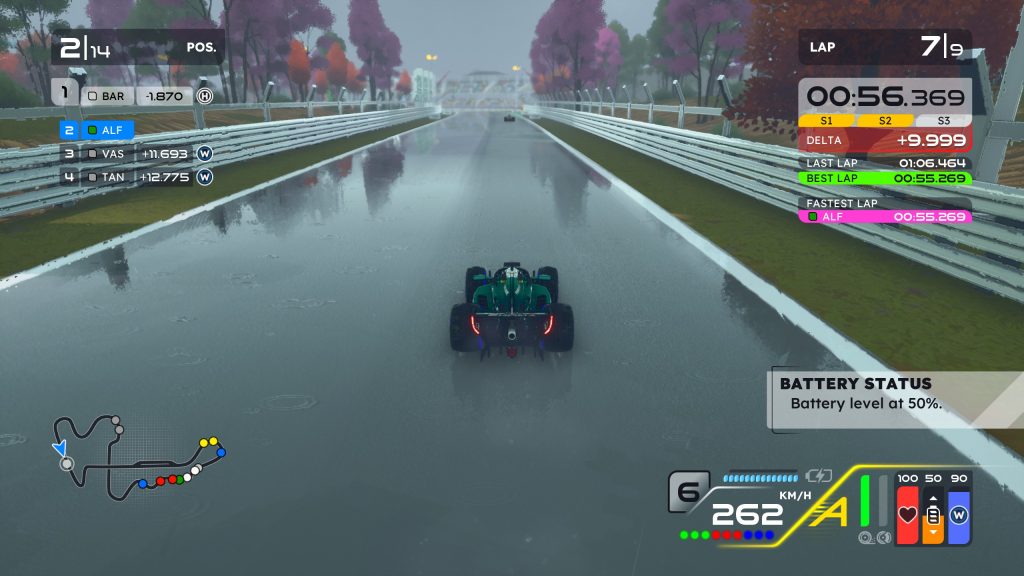
The first is A Mode, which can be activated in specific sections of the track and increases top speed and acceleration on straights. B Mode activates automatically and focuses on improving grip and stability through corners.
Managing these aerodynamic modes becomes an important part of driving the new cars efficiently.
Another major change is the transition from fuel management to battery management. Players can now choose between three different battery mappings.
Balance mode offers standard performance and consumption. Performance mode increases speed and acceleration at the cost of faster battery drain. Eco mode sacrifices some performance in exchange for improved recharge rates.
Strategy becomes more important throughout the race as energy deployment needs to be carefully managed.
The push-to-pass system remains part of the game, but it now interacts with the new battery mechanics. If a driver crosses the line within one second of the car ahead, they receive an Overtake Boost that can be used during the following lap. This system encourages close racing and adds another tactical layer to overtaking.
Driving Experience and Performance
Driving in Formula Legends feels good overall. The handling model is easy to understand but still difficult to fully master, which creates a satisfying learning curve. It quickly becomes clear that consistency and precision are key if you want to stay competitive across longer races. Tire degradation is noticeable while driving, and dusty tires also play a role in how the car behaves on track. When grip starts to fall away, it becomes easier to feel when a pit stop might be necessary. This adds a subtle strategic layer during races, as tire condition can influence your pace and consistency over a stint.
One area that felt somewhat unusual during testing is the way grip loss occurs in certain situations. Occasionally the car suddenly loses traction and begins to oversteer, but the way this happens feels slightly odd. Instead of the rear stepping out and rotating the car naturally, it sometimes feels closer to the front of an all-wheel-drive car pulling the nose around the corner. Understeer is far less noticeable overall, which makes the cars feel quite agile when pushing through corners. While the handling is generally enjoyable and responsive, this particular behavior during grip loss can feel a bit inconsistent compared to how the rest of the driving model behaves.
During testing, the game delivered very stable performance. With an average of around 185 FPS at 1440p on maximum settings, the framerate easily exceeded the refresh rate of the display used for testing.
It is worth noting that the system used for this review sits on the higher end of modern PC hardware. However, Formula Legends is generally not a very demanding title. The game appears to rely more heavily on CPU performance than GPU power, meaning that even entry to mid-range systems should be able to run it smoothly at 60 FPS. Players using Full HD monitors will likely have no difficulty maintaining strong performance even with less powerful hardware.
Minor Issues and Bugs
While testing the new content, a few minor issues appeared.
The V6 hybrid engine sound has been implemented well overall, but there is currently a bug where the combustion engine audio occasionally disappears. When this happens, only the electric motor sound remains, which makes the car sound similar to a Formula E vehicle.
The only way to restore the engine sound at the moment is to bring the car to a complete stop and accelerate again.
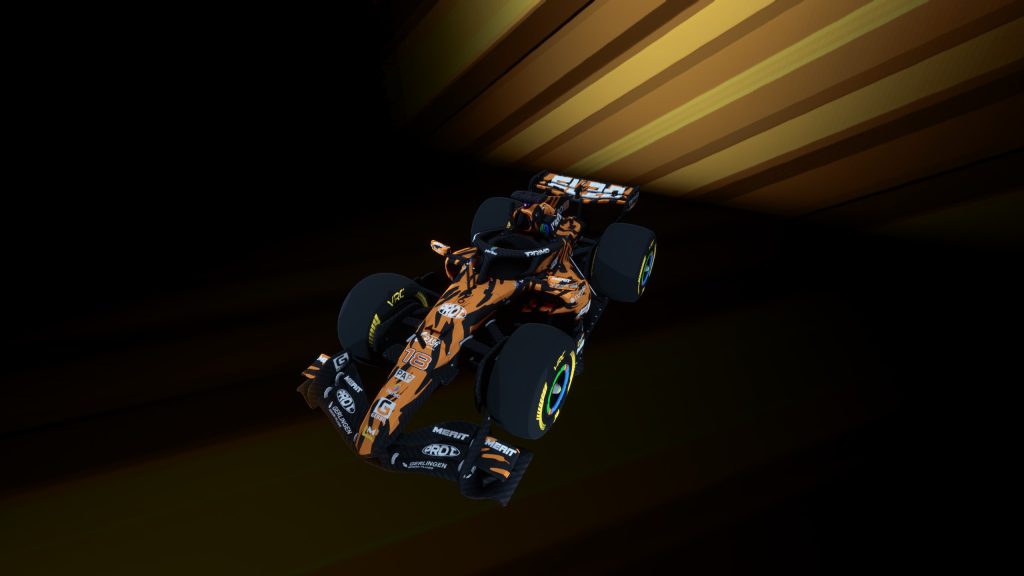
Another issue encountered during testing is a small graphical glitch involving the aerodynamic system. Occasionally the rear aero elements remain visually unchanged when the attack mode is activated. The performance effect still works correctly, but the visual animation does not update. This can briefly cause confusion because it may look like the mode did not activate.
Neither of these issues significantly affects gameplay, but they are noticeable during longer sessions.
Bug: Aero remains unchanged whilst mode A is active
Final Thoughts
The Late 20s DLC represents one of the most significant additions to Formula Legends so far. By introducing the 2026-inspired regulations, the developers bring an entirely new style of racing into the game. The shift from fuel management to battery strategy, combined with the new aerodynamic system and the Overtake Boost mechanic, changes how races unfold and encourages closer on-track battles.
The fictional teams and drivers remain one of the game’s most charming aspects. Even without official licenses, the references to real-world Formula racing are obvious enough for fans to recognize while still maintaining the game’s unique identity.
Performance remains strong, and the update introduces both paid and free content, which makes it accessible to the broader player base. Minor technical issues are present, but none of them significantly impact the overall experience.
For players who enjoy Formula Legends and want to explore the next generation of cars and racing strategy, the Late 20s DLC provides a meaningful expansion to the game’s evolving timeline.
With the addition of the 2026 season, Formula Legends continues to expand its historical journey through Formula racing while introducing modern ideas that keep the gameplay fresh.
Formula Legends Late 2020's Season Pack DLC Ratings
These are the most underrated sim racing upgrades that can transform your setup. From haptics to bezel-free kits and top monitors, here is what actually makes a difference.
The Thrustmaster T598 delivers an impressive mix of value, force feedback improvements, and cross-platform compatibility. Here is a full hands-on review covering the pedals, wheel, performance, drawbacks, and how it…
Team Redline’s transition into Verstappen Sim Racing marks a major shift in sim racing’s future, strengthening the connection between esports and real-world motorsport through Max Verstappen’s long-term vision.
RaceRoom’s Q1 2026 update brings three new cars, two Italian circuits, and a fully rebuilt Spa. Here is a detailed overview of what works, what stands out, and where it…
VRC’s ERC Beamer 320 brings a high-revving Super Touring-style BMW E36 to Assetto Corsa with strong physics, great sound, and tons of adjustability. It is slightly expensive long-term, but the…
A detailed review of the Next Level Racing ESR3 and ES1 haptic seats. Are these premium tactile sim racing seats worth $500 to $650, or should you stick with a…
Acelith Simracing expands into the MOZA ecosystem with the new F30 CS Mod, a formula-style rim upgrade for the CS Pro designed for precision and affordability.
Assetto Corsa Evo teases the Ferrari 288 GTO for its upcoming 0.6 update alongside new cars and a track. Community reactions remain mixed as players continue to criticize performance, missing…