Moza R9 Review: The Tiny 9Nm Cube That Put the Mid-Range on Notice
OC Racing
March 16th, 2026
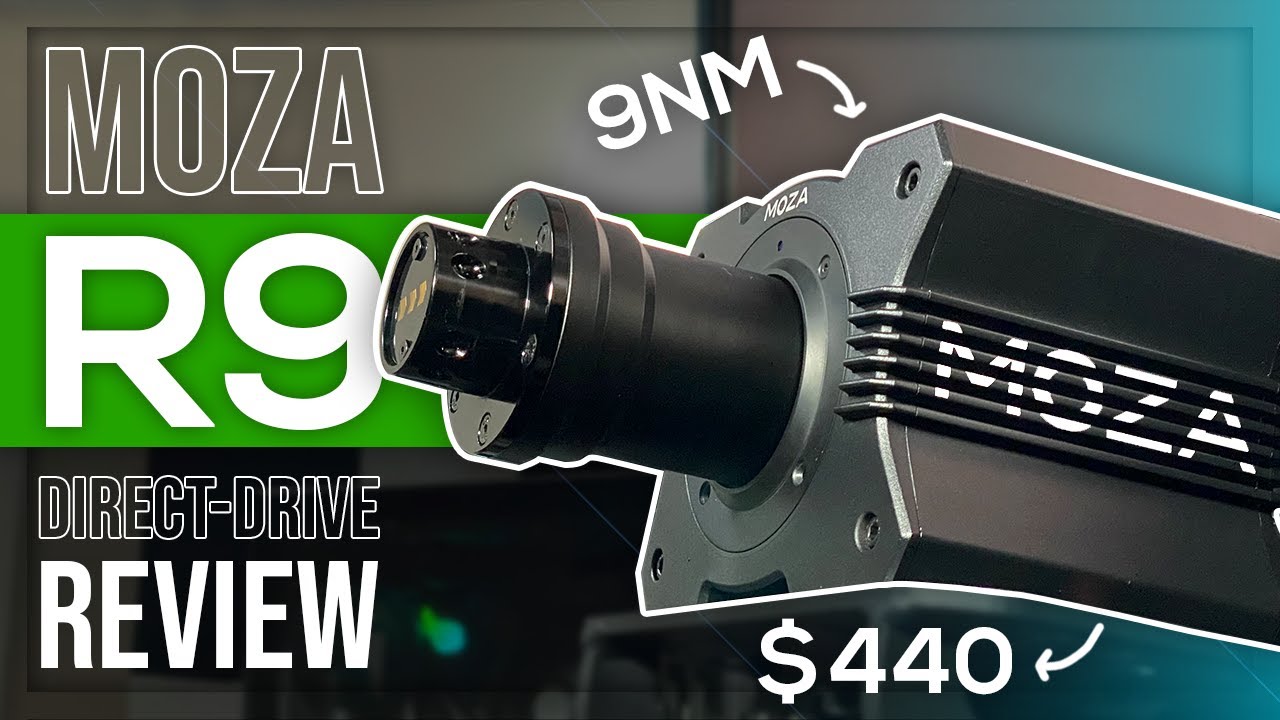
This is the Moza Racing R9, a 9Nm direct-drive wheelbase that launched with a seriously disruptive price tag. It was clearly aimed at the same crowd shopping the popular 8Nm-class options, and I wanted to know one thing: does it actually deliver where it matters, on track?
Quick note before we get into it: this review focuses on the wheelbase itself. The wheel rim I used alongside it deserves its own dedicated breakdown, so I’m keeping this one strictly about the base.
This unit was provided to me for review. That changes nothing about what I’m going to say here. If something is great, I’ll say it’s great. If something annoys me, you’re going to hear about that too.
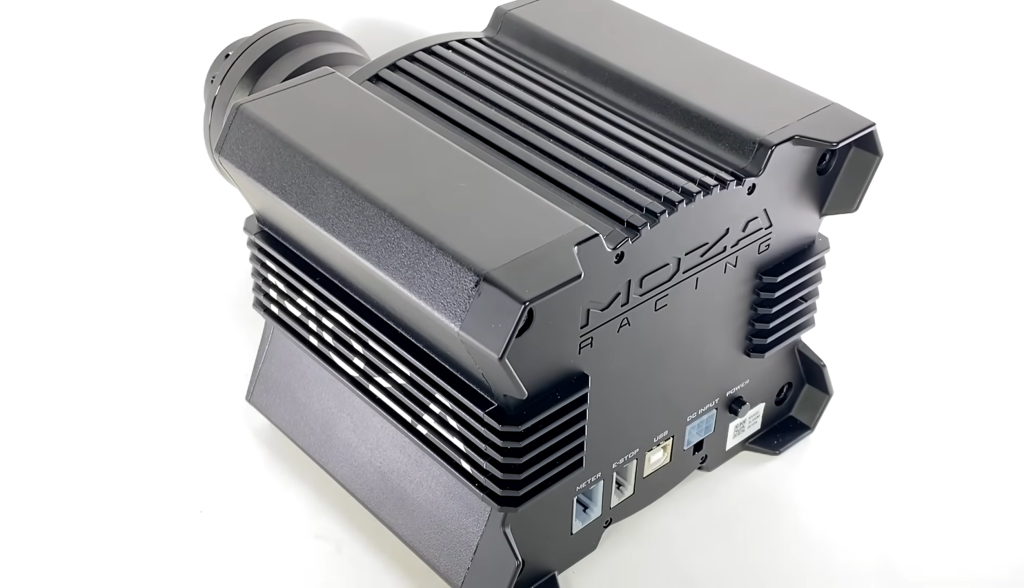
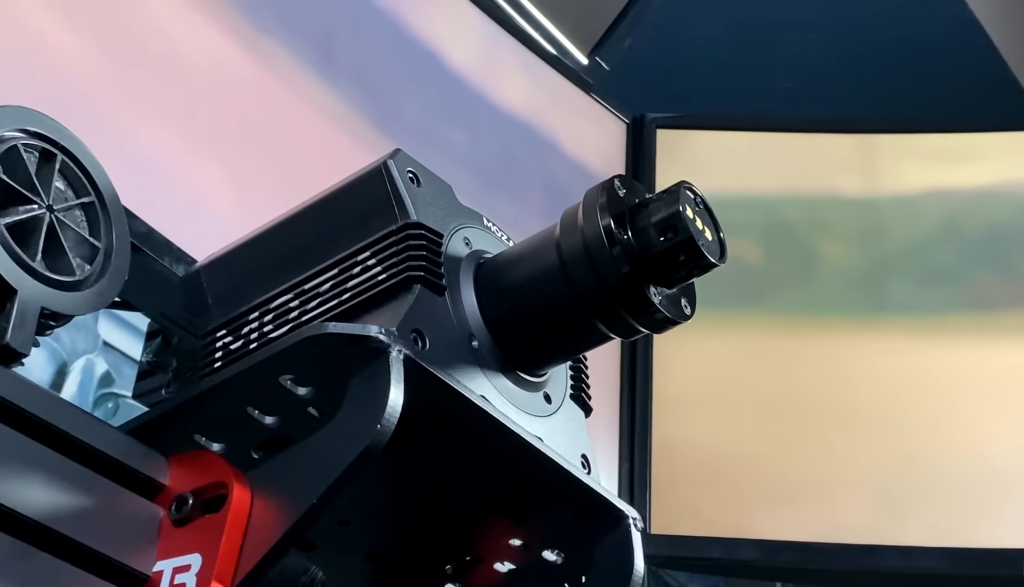
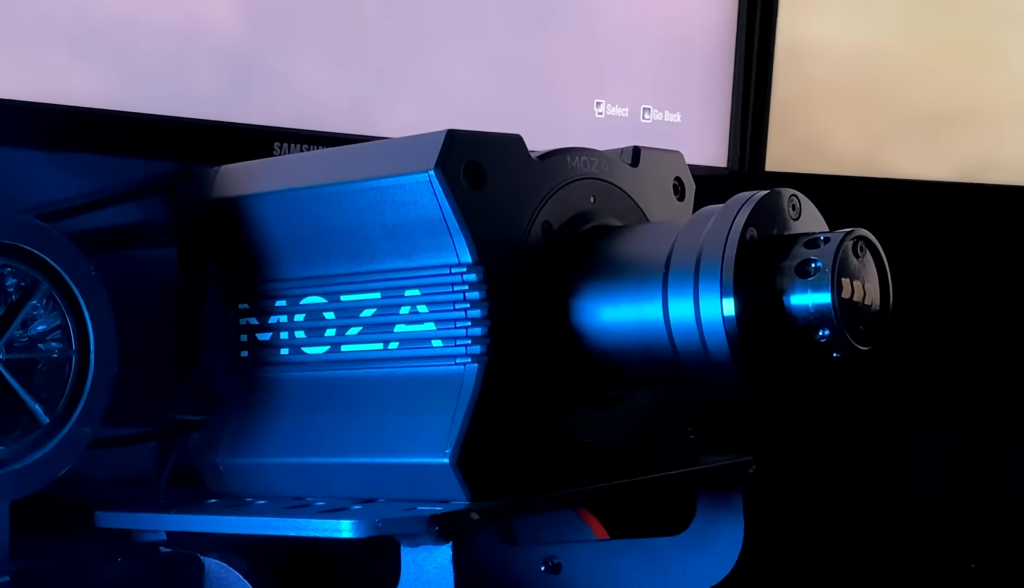
The R9 is built entirely from aluminum alloy and usually comes in a matte black or gray finish. The design is simple and clean. It’s basically a compact cube with subtle branding on the sides, and while it doesn’t have the “look at me” style of some higher-end bases, it still looks like serious hardware.
I will say this though. Visually, it’s hard not to notice the “inspired by” vibe when you put it next to certain other mid-range wheelbases. That’ll spark debate, and I already know some people will feel strongly about it. Personally, I care less about who copied who and more about what this does to the market. Anything that pressures the big players to improve and compete is a win for all of us.
One of the biggest positives right away is that the R9 runs without internal fans. That means it’s basically dead silent in use, which I love. After around two hours of continuous driving, it was warm to the touch, but I didn’t notice any performance drop, and it never felt like it was struggling to manage heat.
Mounting, Ports, and Daily Usability
Everything plugs in from the rear, including USB, power, and accessory connections. The on and off button is also back there, and that’s probably my biggest day-to-day complaint with the design.
I get why some companies do this, but in a real setup, it’s just annoying. I found myself reaching behind the base, trying not to bump my monitor, and basically doing that little “where is it” dance every time I wanted to turn the thing on. It’s a small complaint, but it’s also one of those small complaints you feel every single session.
Mounting is done via four holes on the bottom. There’s no side-mount option here. For most people, that’s totally fine, but side mounting has become more common the higher you go in rig setups, so it’s worth calling out.
Another important limitation: the R9 is PC only. No console support here. If you’re on PlayStation or Xbox and you’re hoping this is your ticket in, it isn’t. That one detail alone will instantly decide whether the R9 is even on your list.
Quick Release
Moza’s quick release system is, simply put, one of the best I’ve ever tested. Swapping rims is fast, the connection feels rock solid, and I experienced zero flex or movement once everything was seated.
This matters more than people think. A quick release that feels vague or sloppy can ruin the experience, especially once you start running higher torque. Here, Moza absolutely nailed it. I could pull a wheel off and put another one on in seconds, and the base always felt confident and stable.
Software and Setup
Moza’s Pit House software is clean, straightforward, and easy to understand. The layout is intuitive, settings are logically placed, and you can get dialed in without feeling like you need a degree to interpret what you’re changing.
Is it the most insanely deep tuning suite I’ve ever seen? No. But for the vast majority of sim racers, it’s more than enough. After a few tweaks, I had the R9 feeling exactly how I wanted, and from there, the real story became obvious.
On-Track Performance
First thing you notice: the R9 has power. Real power.
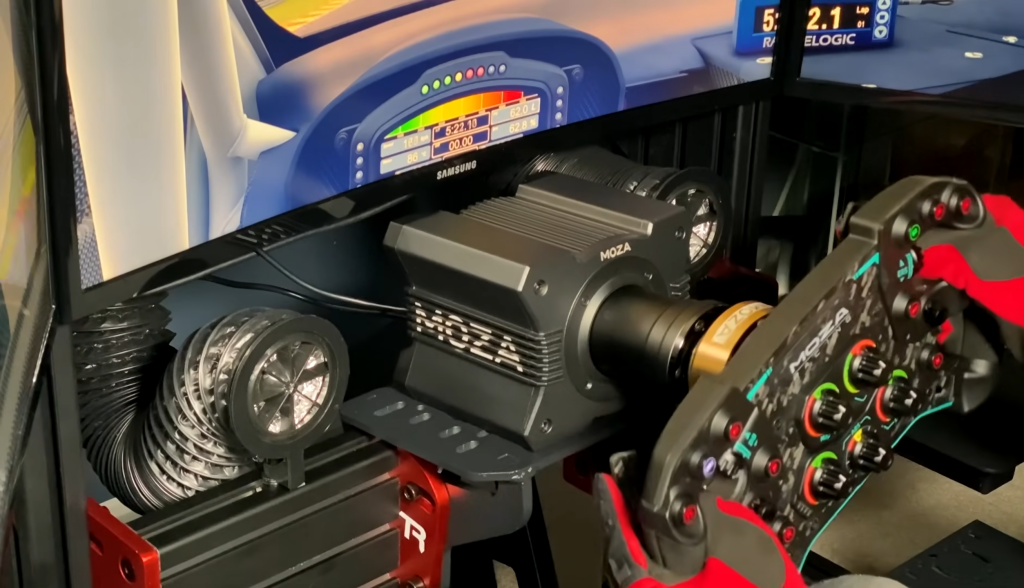
9Nm might not sound huge if you’ve been watching the arms race toward 15, 20, and 25Nm wheelbases, but I’m telling you right now, for most people, this is plenty. With force feedback maxed out, the whole rig can start vibrating like crazy, your arms will get tired fast, and if you let it rip unexpectedly, it can absolutely bite.
And that’s not even the main point. The best part about the R9 is not just that it’s strong, but that it’s quick. The response speed is what makes direct drive feel direct drive. Catching slides, feeling the front end load up, saving moments where the car is right on the edge, that’s where the R9 shines. Even if you don’t drift, that rapid reaction speed translates into confidence everywhere.
Kerbs and surface changes were especially noticeable. In the titles I tested, the R9 communicated bumps, rumble strips, and those small texture changes that belt and gear-driven wheels often blur together. When it’s set up well, it feels lively and connected, and it gives you the kind of information that actually helps you drive, not just “shake your hands for fun.”
That said, I did notice something that I didn’t love: vibration. At times, the R9 felt like it was trying to communicate certain fine details by vibrating more than I wanted, especially at very low speeds or in certain scenarios where the feedback should feel more nuanced. Some people will like that sensation because it feels intense and raw. For me, it occasionally crossed into “okay, calm down” territory.
Across different sims, the character of the force feedback changed a bit. In some titles, it felt smooth and refined, while in others it felt stronger but also more “busy” with that vibration effect. This is normal to a point because every sim outputs force feedback differently, but it’s still worth mentioning if you’re sensitive to that type of feel.
The Catch: Ecosystem Cost
So what’s the downside?
The wheelbase itself is priced aggressively, but jumping into the ecosystem can get expensive quickly. At the time this R9 launched, one of my biggest criticisms was how much you’d end up paying for rims, especially compared to other options where you could get into a wheel for significantly less. If you’re shopping purely on “total cost to get driving,” that matters.
This is also where comparison becomes unavoidable. Some competing ecosystems have an easier entry point for wheels, and they also offer broader console pathways depending on the base you choose. Moza’s value proposition here is that the base itself is extremely compelling for PC sim racers, but you still need to budget realistically around the wheel you’re going to run on it.
If you already own compatible rims or you plan your purchase strategically, the R9 makes a lot of sense. If you’re trying to build the cheapest complete direct-drive setup possible, you need to do the math, because the wheelbase price is only part of the story.
Final Thoughts
The Moza R9 is a compact, powerful, and genuinely impressive 9Nm direct-drive wheelbase that put real pressure on the mid-range market the moment it landed. The build quality is solid, it runs quiet, the quick release is top tier, and on track it delivers the speed and detail that makes direct drive worth upgrading to in the first place.
It’s not perfect. The rear power button is annoying, PC-only will eliminate a lot of buyers instantly, and the force feedback can feel a bit vibration-heavy depending on the title and your settings. But as a wheelbase, purely judged on performance and experience, it’s a strong piece of hardware.
If you’re a PC sim racer who wants a serious direct-drive upgrade without jumping into ultra high torque territory, the R9 is absolutely worth considering. Just make sure you’re looking at your full setup cost, not only the wheelbase price.
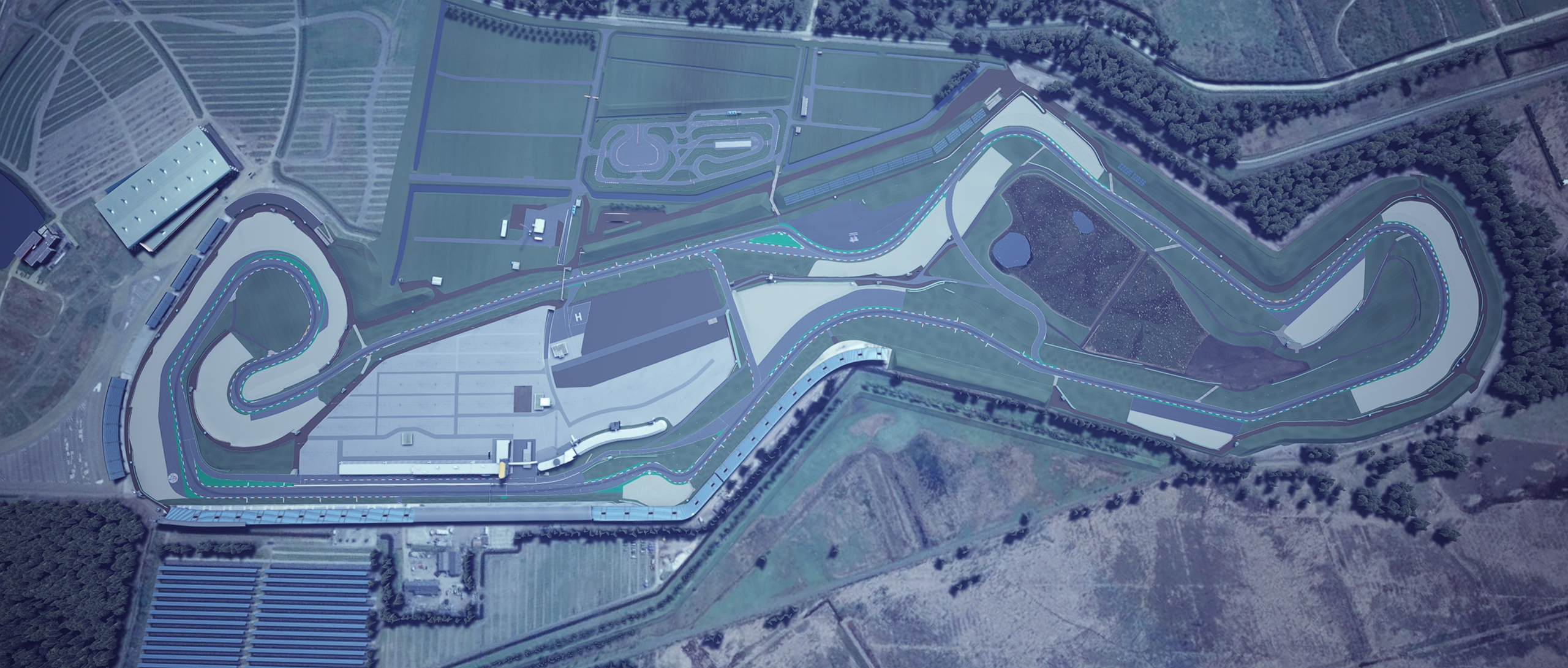
We’re adding a standardized Lap Time Challenge to every Assetto Corsa mod review, all run at TT Circuit Assen Autosport under fixed conditions. Here’s exactly what we test, what counts…
The Moza R9 is a compact 9Nm direct-drive wheelbase priced aggressively for PC sim racers. Here’s how it performs on track, what I love, what I don’t, and who it…
Project Motor Racing reviews on Steam show a noticeable shift. While the overall rating remains mostly negative, recent player feedback has become mostly positive following updates.
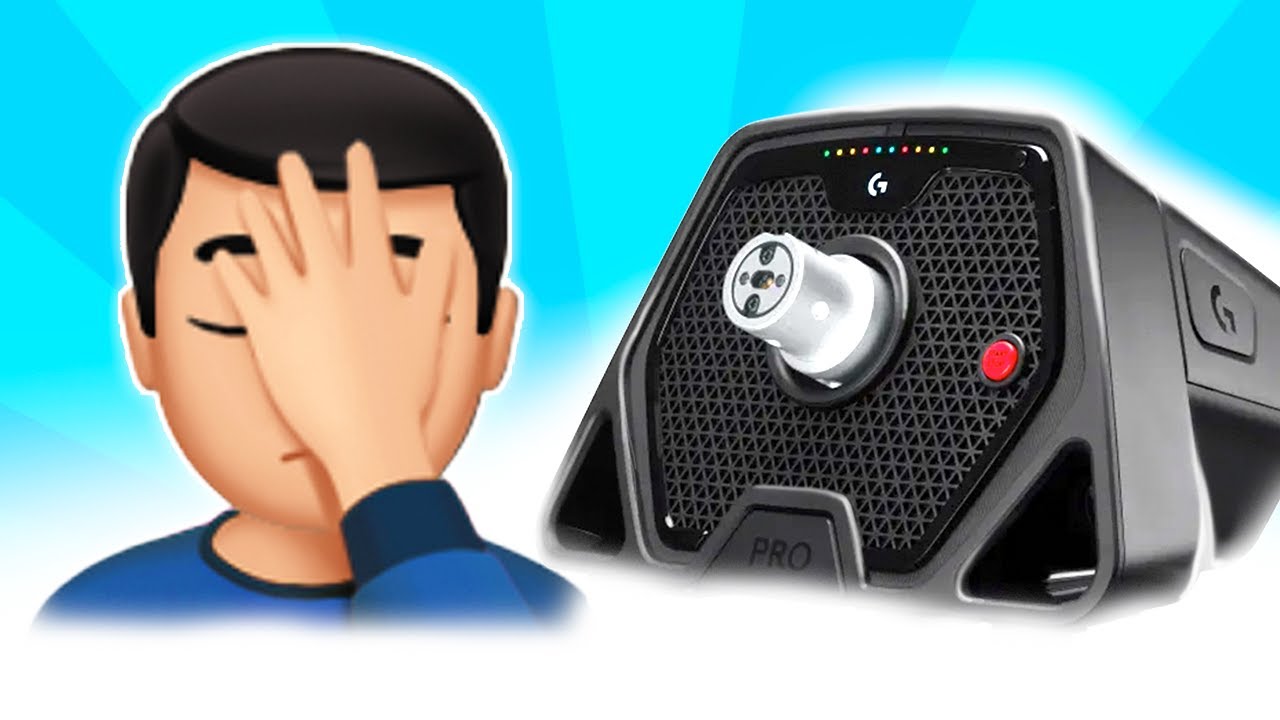
The Logitech G Pro wheelbase delivers strong force feedback, smooth performance, and excellent console support, but its ecosystem limitations and premium pricing hold it back. Here is my full hands…
iRacing is expensive, demanding, and far from perfect, yet it remains the most popular sim racing title in the world. Here is why so many drivers keep coming back to…
Assetto Corsa Rally Update 0.3 introduces laser-scanned Monte Carlo stages, new rally cars, dynamic weather, and physics improvements. A 0.3.1 hotfix has also been released.
The first update for iRacing Arcade has arrived. Patch 1.0.a1 introduces career mode adjustments, AI improvements, UI tweaks and better Steam Deck performance.
Looking to upgrade from a Logitech G29 or G920? Here are the best sim racing wheel upgrades in 2026, from affordable direct drive bundles to mid-range performance setups.