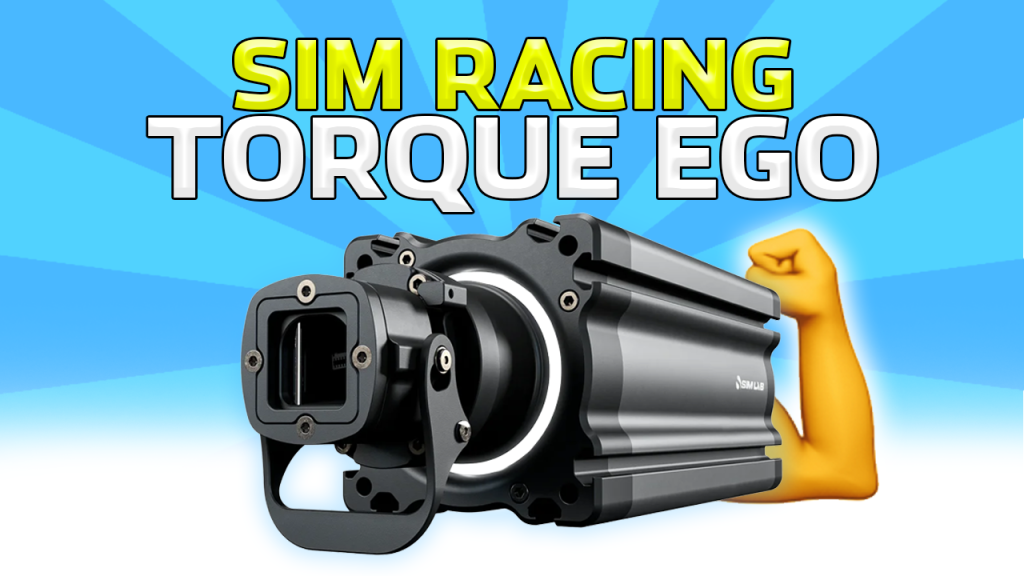
The question of whether very strong direct drive wheelbases are actually necessary comes up more often than you might expect. As direct drive has become more accessible, torque figures have steadily climbed, and with that, expectations have shifted as well.
What used to be a discussion about fidelity, response, and realism has slowly turned into a comparison of maximum output numbers. That change in focus is worth examining, because torque alone does not define how realistic or enjoyable a wheelbase feels on track.
What Direct Drive Was Always Meant to Solve
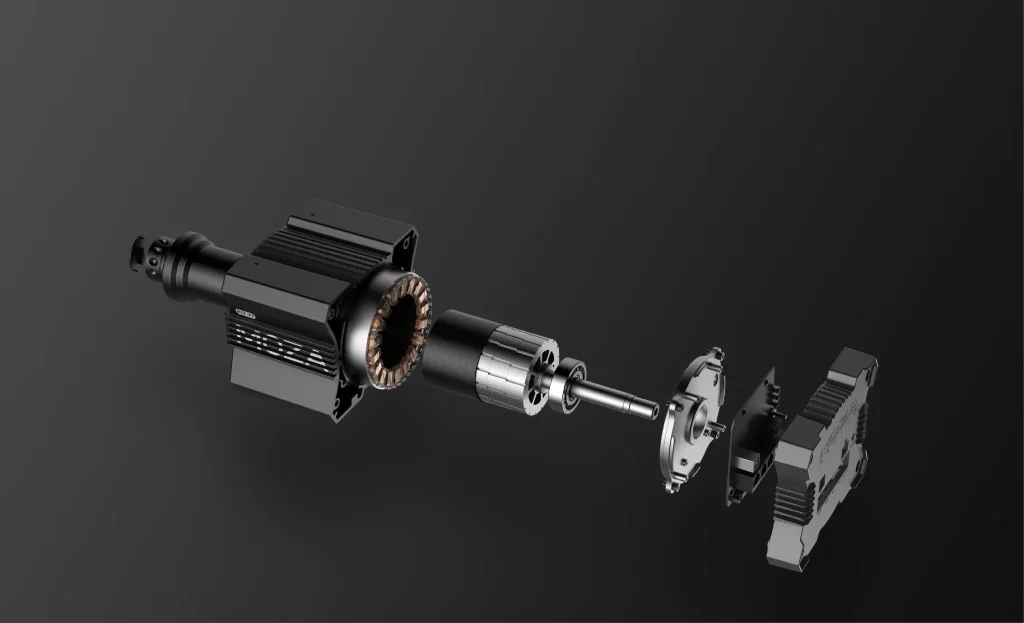
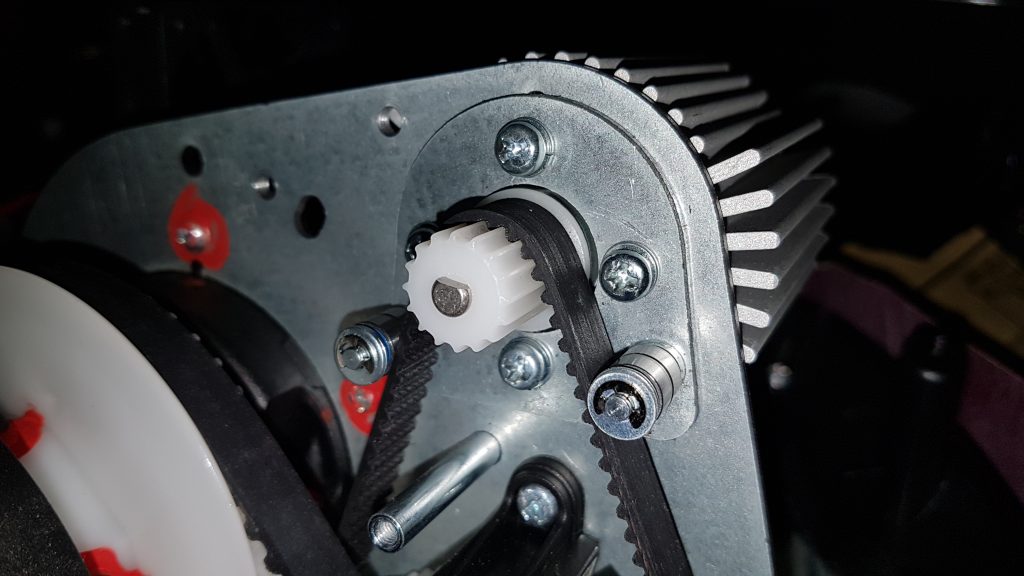
The big advantage of direct drive is not only the brute strength that they can provide, by simplifying the motor>shaft transmission, it’s also the clarity.
By eliminating belts and gears, direct drive systems deliver faster response, cleaner force feedback, and far more accurate reproduction of what the simulation is outputting. That improvement is immediately noticeable when moving away from gear or belt driven bases.
Torque plays a role in that improvement, but only to provide enough headroom to reproduce forces cleanly without compression or clipping.
The Role of Torque Headroom
Torque headroom matters because it prevents clipping. When a wheelbase runs out of available force, everything gets compressed into the same output range, which kills detail.
Moving from low torque systems to something in the 8 to 12 Nm range is often a massive upgrade. You gain cleaner signals, better dynamic range, and a more believable steering feel.
Beyond that, the benefits begin to taper off quickly. Once a wheelbase has enough torque to faithfully reproduce what the sim is outputting, adding more does not automatically make the experience more realistic.
When More Torque Stops Making Sense
After a certain point, increasing maximum torque does not meaningfully improve realism. In many cases, it simply changes how aggressively the forces are delivered.
Most race cars do not subject drivers to a constant, extreme steering load. Steering weight builds under braking, cornering, and high downforce conditions, but it is not sustained at peak force for entire laps.
Running a wheelbase at very high constant output can exaggerate these forces in a way that feels impressive initially, but often reduces the clarity of what the car is actually doing.
Real World Perspective Matters
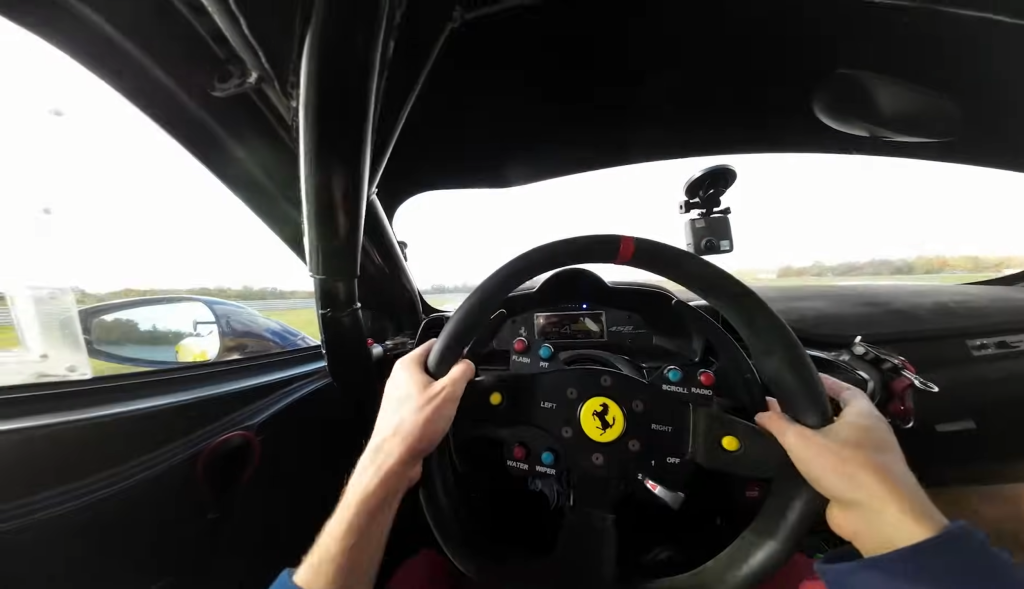
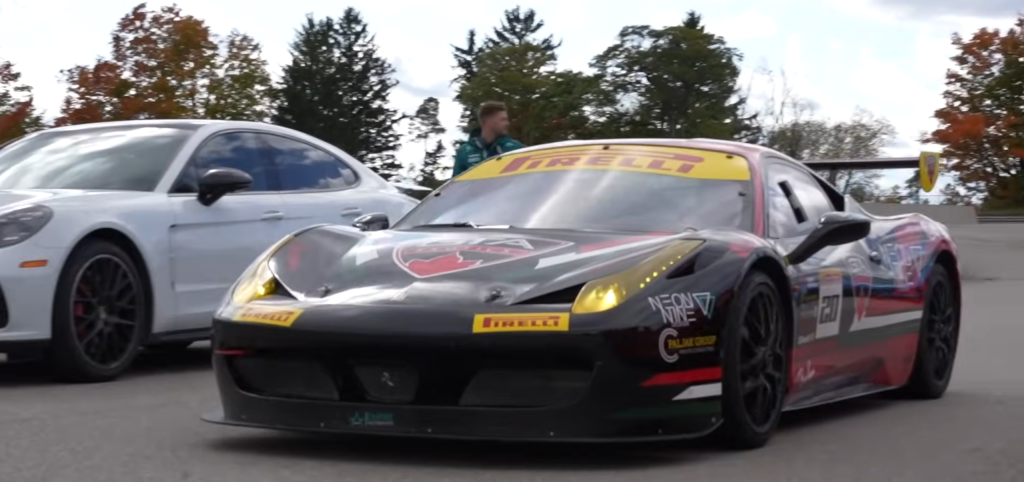
Take something like a Ferrari 458 Challenge. On track, the steering has weight, texture, and resistance, but it is not an endless battle against the wheel.
The car communicates through changes in load and feedback rather than brute force. You feel grip building, slipping, and returning. That is what makes the steering informative.
When sim racers crank torque far beyond what is representative, they often drown those nuances in raw strength. The wheel feels impressive, but less communicative.
Fatigue and Consistency
Another factor that rarely gets discussed enough is fatigue. Extremely high torque settings place unnecessary physical strain on the driver, especially during longer sessions.
While realism does involve effort, real race cars are designed to be driven for extended periods. Excessive steering force in a sim environment often leads to reduced consistency rather than improved control.
If a setup leaves you physically exhausted after relatively short stints, that is usually a sign that the balance is off.
The Sweet Spot Most Racers Ignore
For most sim racers, there is a very real sweet spot.
A wheelbase that is strong enough to avoid clipping, fast enough to respond instantly, and detailed enough to convey surface and grip information clearly will feel far more realistic than one that simply overwhelms you.
That sweet spot varies by person, car, and sim, but it often lives well below the maximum output of modern high end bases. Something like a Moza R25 will almost never be running at full force if the settings are realistic.
Once you reach that point, improvements come from tuning, car setup, and driving skill rather than more torque.
Why the Spec Sheet Chase Happens
It is easy to understand why torque figures became such a focal point. They are simple to compare and easy to communicate. But steering feel is not a linear scale where more automatically equals better.
A well tuned mid range direct drive base can deliver a more believable and enjoyable experience than a poorly tuned system running significantly higher output.
Realism is defined by how accurately the wheel communicates what the car is doing, not how hard it fights back.
Final Thoughts
High torque direct drive wheelbases absolutely have their place. They provide flexibility, headroom, and support for heavier wheels or extreme use cases.
That said, once a wheelbase is capable of reproducing force feedback cleanly and consistently, pushing torque higher does not automatically improve realism. In many cases, it does the opposite.
The best sim racing experiences are not defined by maximum numbers, but by balance, control, and clarity. For most drivers, that balance is reached long before the torque ceiling.
Kunos Simulazioni has shared a detailed look at the future of Assetto Corsa EVO, outlining changes to the game's development direction and revealing more information about its long-awaited Free Roam…
Conspit CHS · $369 Conspit sent this product to me for review. Conspit has entered the shifter market with the CHS, a dual-mode shifter that combines a 7-gear H-pattern with…
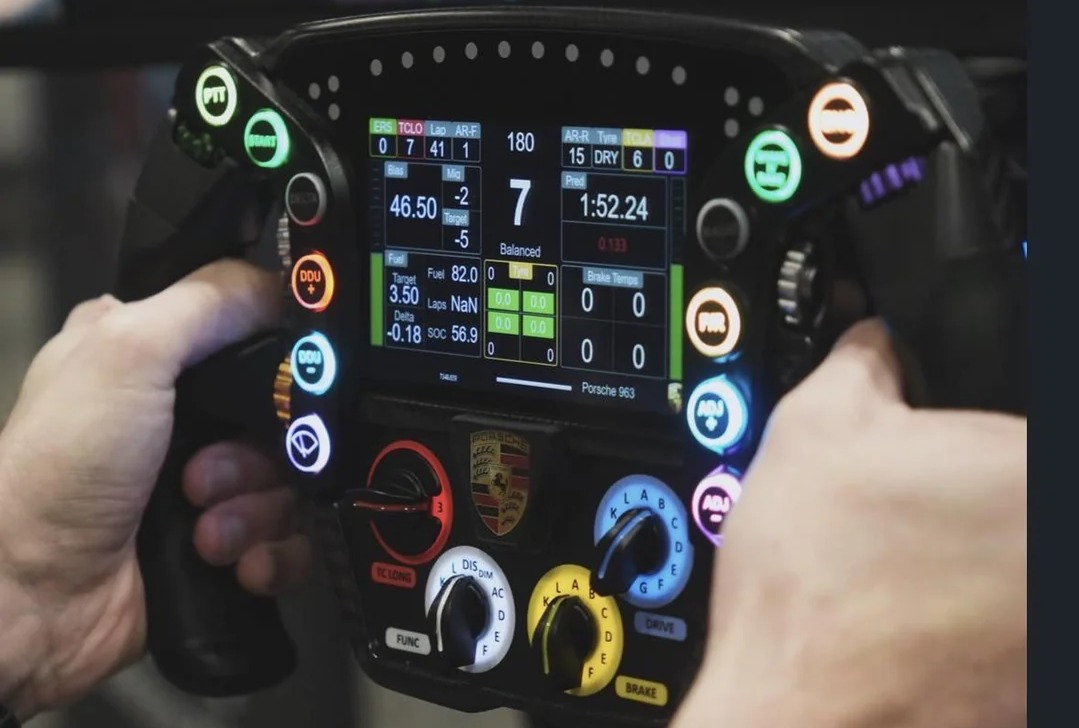
After making its public debut in Chicago, Sim-Lab is bringing its upcoming Porsche 963 replica steering wheel to SimRacing Expo Frankfurt for another major showcase.
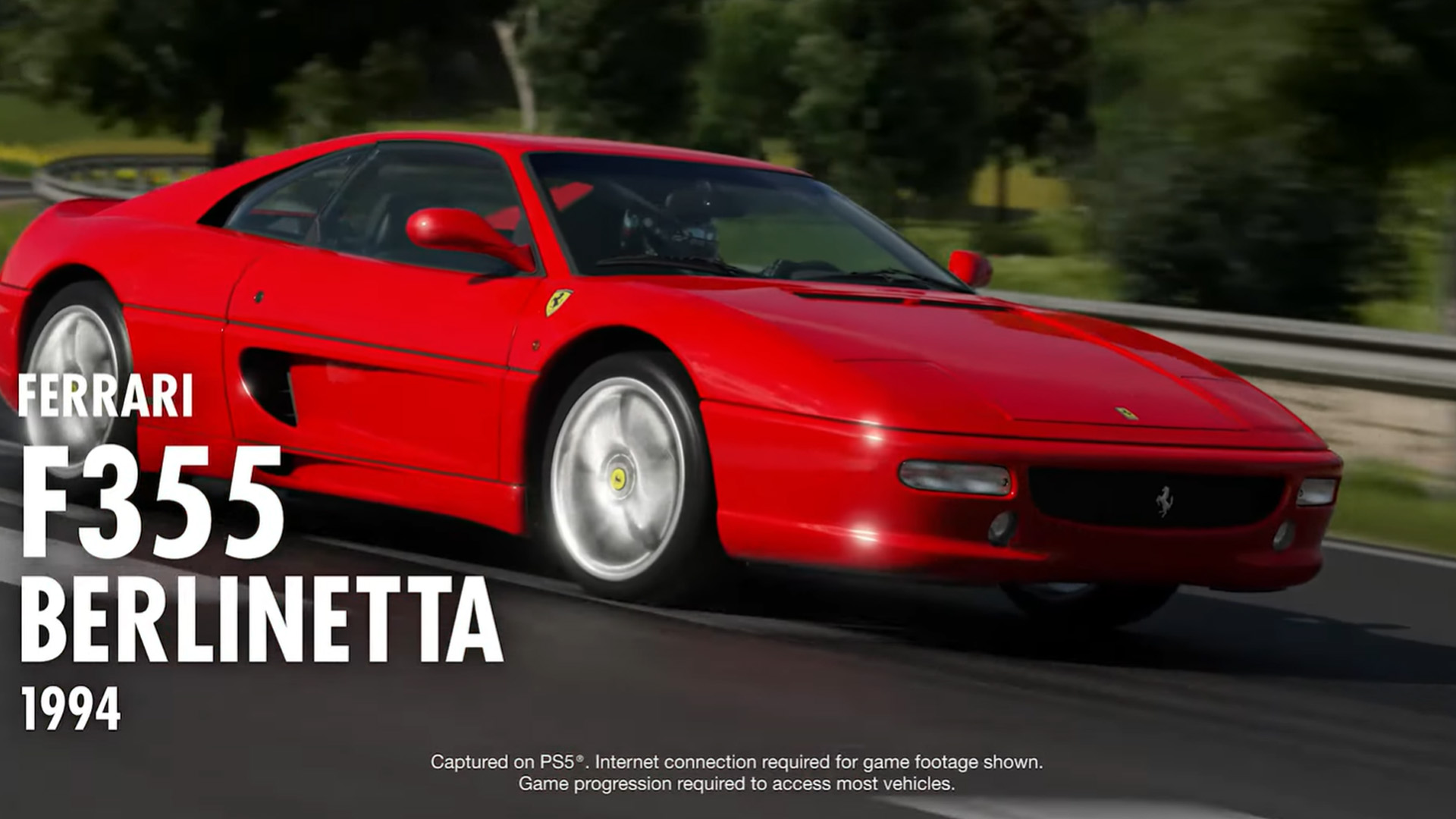
Gran Turismo 7 Spec IV Part 1 arrives October 15 with Sportsland SUGO, six new cars including the Ferrari F355, new Brand Central challenges, Car Concierge, Car Viewer and more.
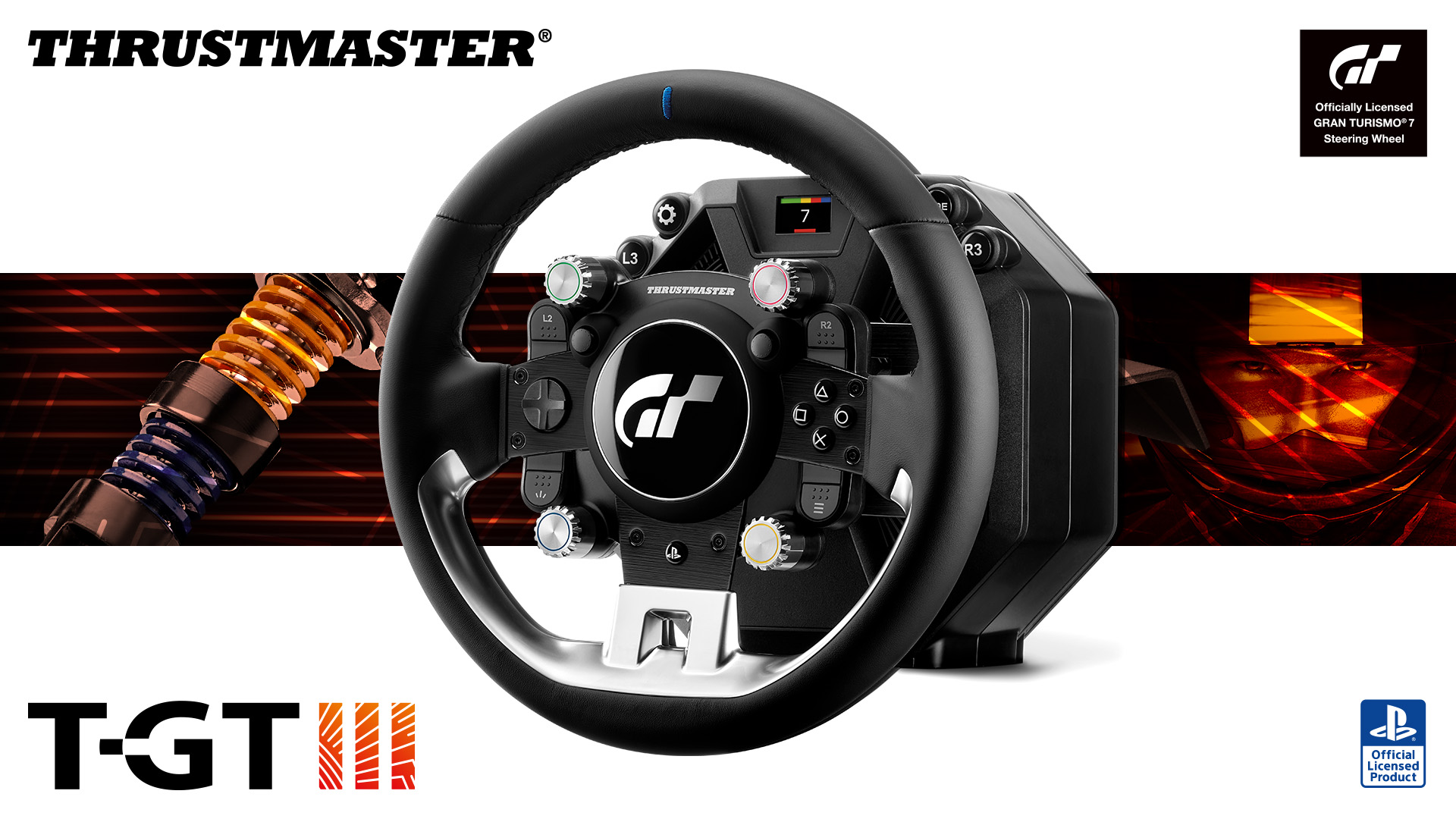
The new Thrustmaster T-GT III brings Direct Axial Drive, 5 Nm of constant torque, load cell pedals, and dedicated Gran Turismo 7 haptics to PS5 and PS4.
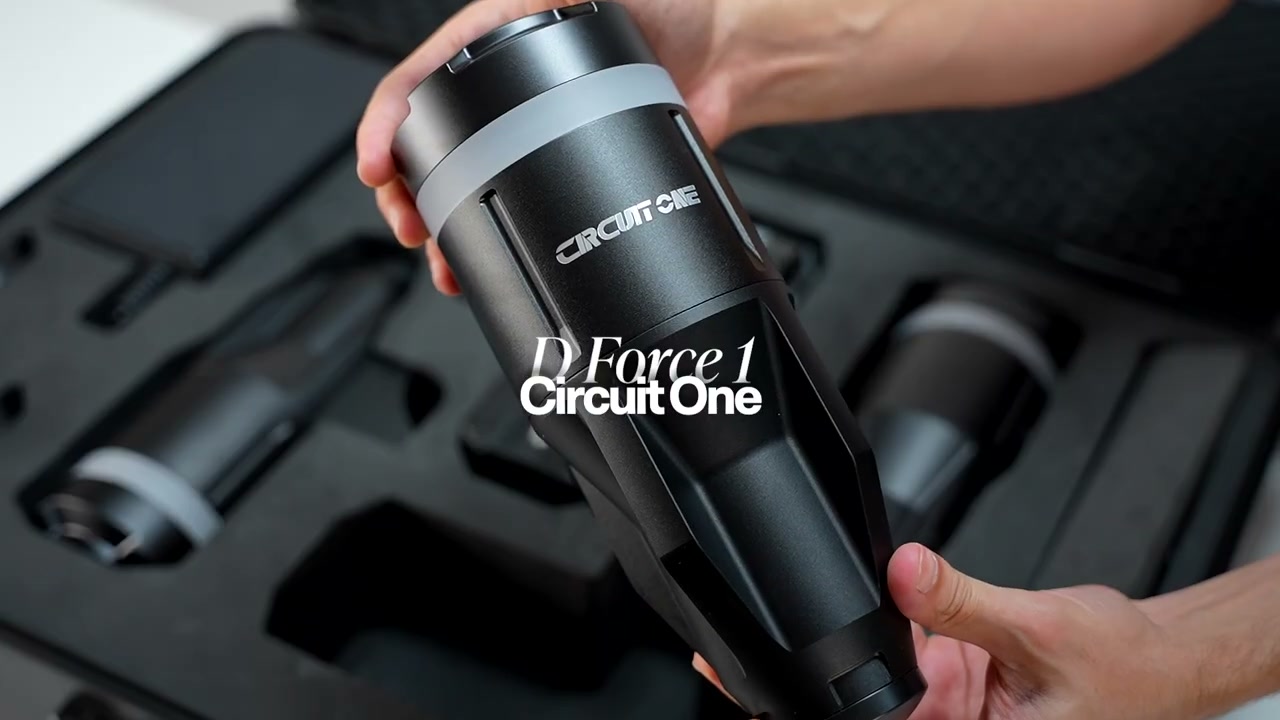
The Circuit One D Force 1 packs four motion actuators into a suitcase, installs in about 10 minutes, and trades big travel for detail you can actually use.
Assetto Corsa EVO Update 0.9 introduced a major overhaul to the game's GT tyre model, changing how cars behave around the limit across a wide range of GT machinery.
Project Motor Racing has received its Version 2.3 update, bringing the Lamborghini Temerario to the simulator alongside a new vehicle class, physics revisions, visual improvements and a series of changes…