Smart, Budget Friendly Sim Racing in 2026: 3 Powerful Tips to Start Cheap
OC Racing
December 30th, 2025
One of the biggest myths in sim racing is that you need to spend a fortune to have fun or to be competitive. Yes, there are setups out there that cost more than a used car, but the truth is you can get started for a fraction of that budget if you approach it the right way.
If you are brand new, your goal should not be building a dream rig on day one. Your goal should be getting a solid, reliable entry setup that lets you learn racing lines, consistency, braking technique, and racecraft without your equipment holding you back.
With that in mind, here are three tips I recommend if you want to get into sim racing as cheap as possible, without wasting money on the wrong upgrades.
If you want the biggest savings in the shortest time, the used market is the move. Wheels, pedals, wheel stands, cockpits, seats, and even full bundles are constantly being sold by people who either upgraded or lost interest. That is your advantage.
Look at platforms like Facebook Marketplace, Craigslist, and local buy and sell groups. In many areas, you will see complete starter setups listed for a fraction of retail, sometimes even including extras like a shifter, a stand, or a spare rim.
The key is patience. If you jump on the first listing you see, you are probably overpaying. But if you check listings regularly for a week or two, you will almost always find a better deal. Most of the best listings get picked up fast, so it helps to be ready to move quickly when something fair pops up.
Here are a few quick rules I use when buying used:
First, prioritize condition and completeness. A wheel and pedals that are clean, tested, and come with all cables and clamps are worth more than a cheaper listing missing parts.
Second, ask the right questions. Confirm it powers on, confirm the pedals register input, confirm the buttons and shifters work, and ask if they can show a short video of it working if you are not buying in person.
Third, do not assume you need the newest version. Plenty of older gear is still totally fine for learning, especially if the price is right. The goal is to get seat time and build skill. You can always upgrade later when you actually know what you want.
Buying used is also a great way to “try the hobby” without risking much money. If you decide sim racing is not for you, you can usually sell your gear for close to what you paid.
Tip 2: Go DIY Where It Actually Matters
The second big budget cut is DIY, especially when it comes to your cockpit situation. A lot of people assume you need a full cockpit to start, but the real need is stability.
If your wheel shakes your desk, if your chair rolls away under braking, or if your pedals slide every time you press the brake, you will have a frustrating experience. Not because you are slow, but because your setup is fighting you.
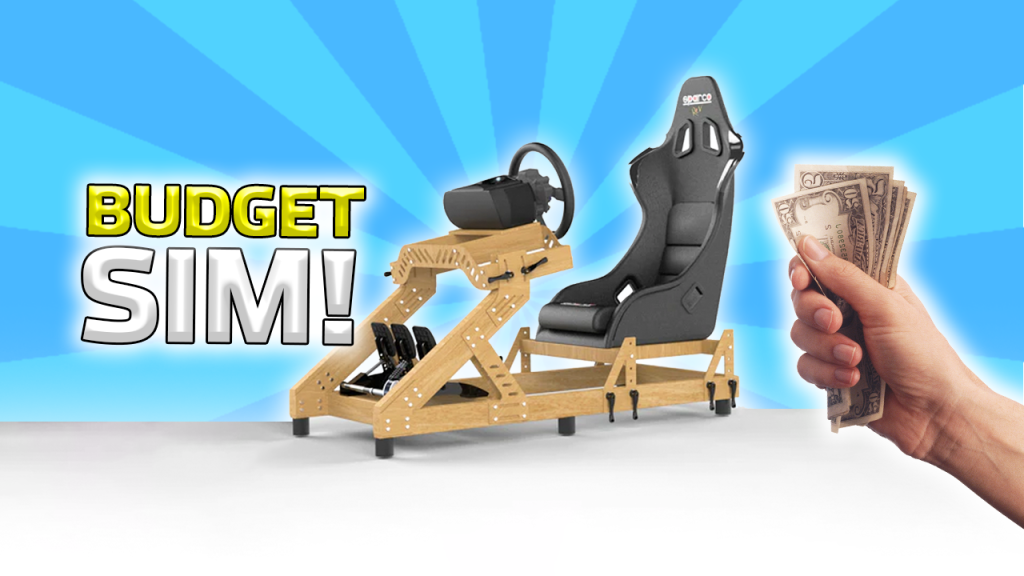
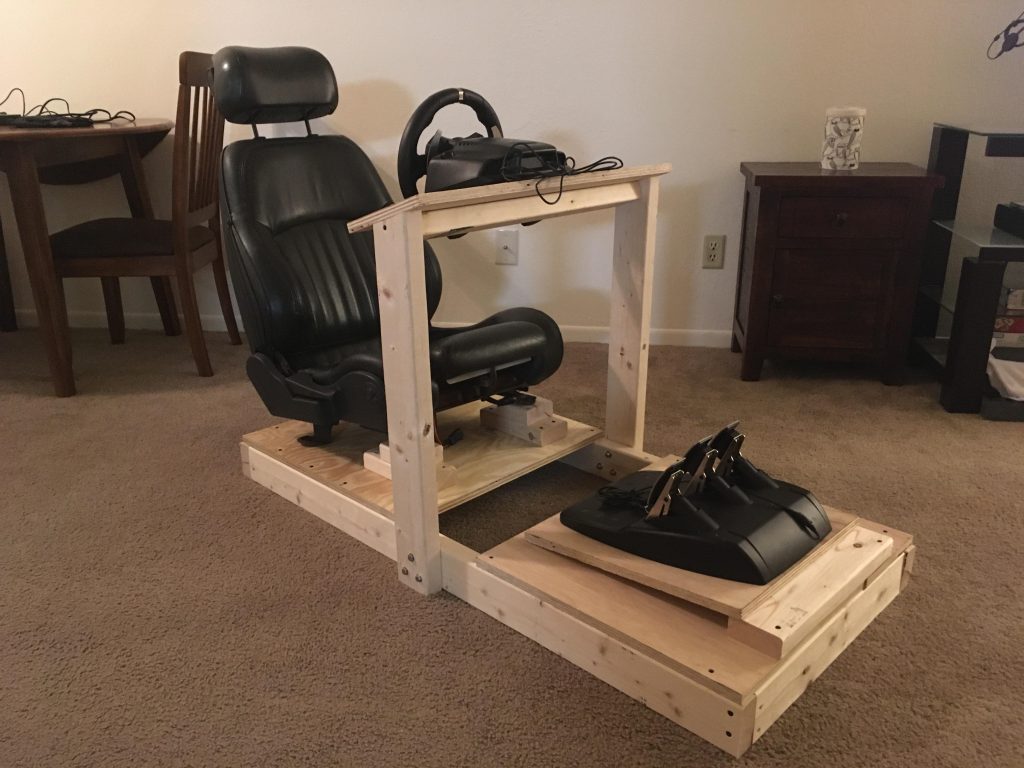
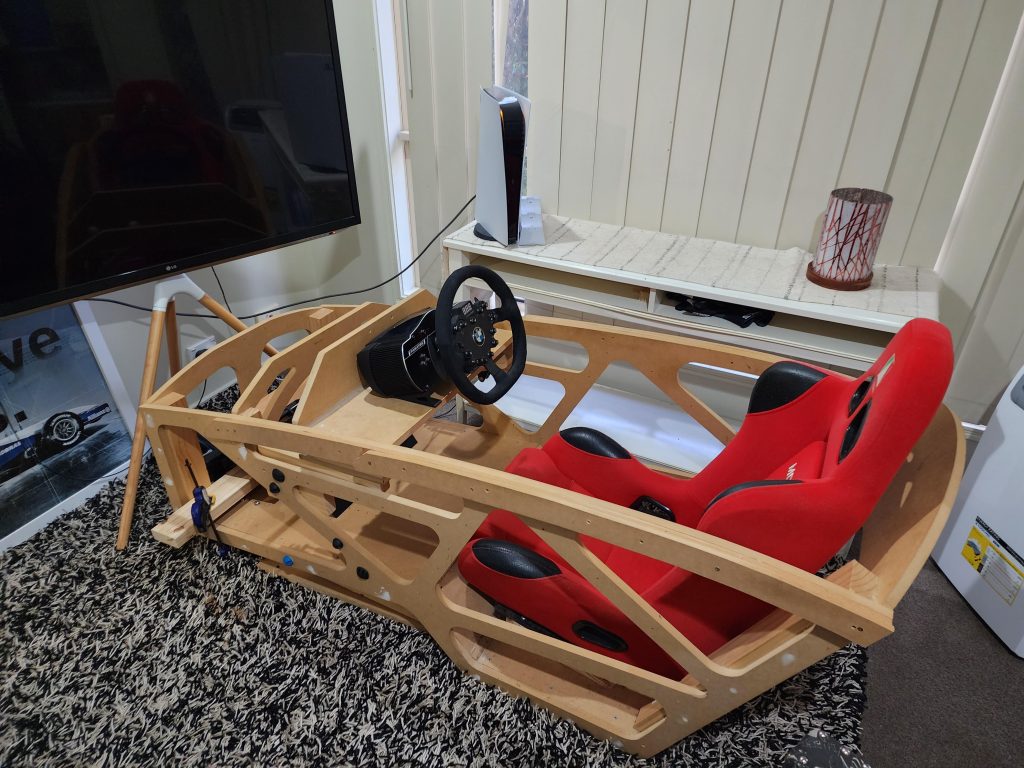
This is where DIY can be shockingly effective. A basic wooden rig built with simple tools can be sturdy, functional, and far cheaper than buying a full cockpit. It does not need to look pretty. It needs to hold the wheel solid, keep the pedals from moving, and stop your seat from sliding.
A simple DIY approach can be as basic as:
A wooden base that your chair sits on so it cannot roll backward.
A pedal mount platform with a raised lip so the pedals cannot slide forward.
A wheel mount board that clamps or bolts securely, even if it is not adjustable.
If you do DIY, keep it practical. Overbuilding is where people waste money. Do not chase perfection on your first rig. Build something stable, then make small changes as you learn what you want to improve.
Also, DIY is not just about cockpits. You can DIY comfort upgrades too. A cheap lumbar pillow, a small wedge cushion, or even simple anti slip pads can make a bigger difference than people expect.
When it comes to budget sim racing, stability is performance. If your setup stays in place, you will improve faster and enjoy it more.
Tip 3: Use What You Already Own and Upgrade Slowly
The most overlooked way to save money is also the simplest: use what you already have.
You do not need a dedicated cockpit, a racing seat, and a triple monitor setup to start. In fact, one of the smartest approaches is starting with a desk setup, learning the basics, then upgrading only when you feel a clear limitation or the budget increases
Here is what I mean by “use what you already have”:
Mount your wheel to a desk or table using the included clamps.
Use a normal monitor or a TV. It does not need to be a gaming monitor on day one.
Use an office chair, but stop it from rolling. This can be done with wheel stoppers, a cheap chair mat, a strip of rubber under the wheels, or even placing the back wheels against something solid.
Use your current PC or console before thinking you need to upgrade hardware. A lot of people spend money on power first instead of focusing on fundamentals like consistency and control.
Upgrading slowly also prevents one of the biggest beginner mistakes: buying expensive gear before you know what you actually like. Some people love a soft brake pedal. Others want a very stiff pedal. Some people prefer round wheels for drifting and rally. Others only drive GT and formula. You will not know your preferences until you have real time behind the wheel.
The cheapest way to build a great setup is to avoid buying things twice. Start simple, figure out what annoys you most, then upgrade that one thing.
If I had to prioritize upgrades for most beginners, it usually goes like this:
First, stability of your seat and pedals.
Second, a better brake pedal feel once you know you are sticking with the hobby.
Third, a cockpit or wheel stand if your desk setup becomes limiting.
This approach keeps spending under control while still moving you forward in a way that makes sense.
Final Thoughts
Sim racing can absolutely become an expensive hobby, but it does not have to start that way. If you shop used, go DIY for stability, and use what you already have, you can build a genuinely capable setup on a budget and still have a great time.
The biggest thing is not how much money you spend. It is how much time you spend driving. Seat time builds skill faster than any upgrade ever will.
So if you are looking to get started, focus on stability, comfort, and getting on track. Everything else can come later.
You can check out my video on some of the best value gear for under $500 here.
Rauh Racing has officially released its TwinG.O.A.T mod for Assetto Corsa. Here is what the April 2026 release includes, why it matters, and why this tiny Twingo is already one…
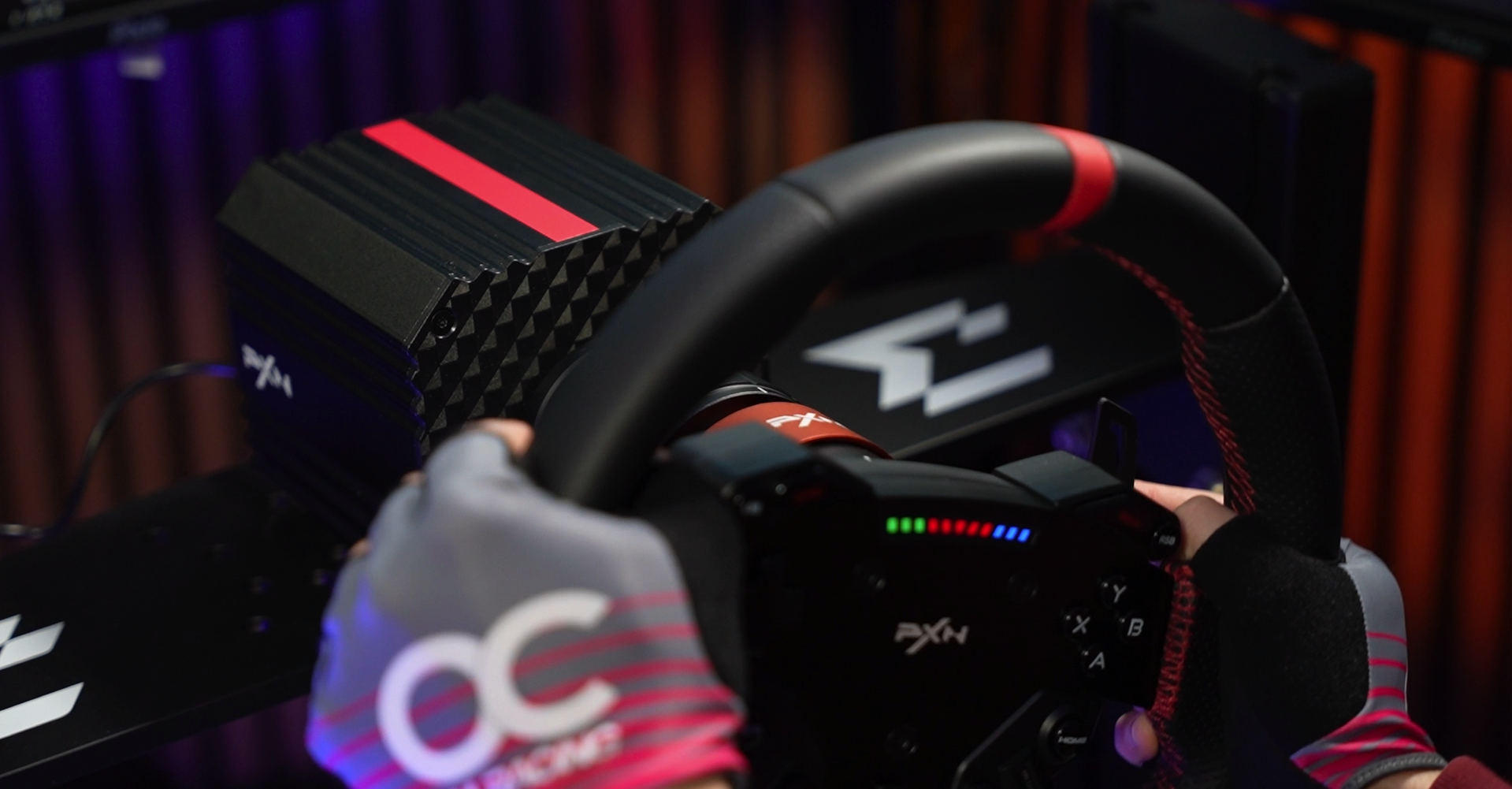
Wondering what a $500 sim racing setup looks like in 2026? Here is what you can realistically expect, where the money goes, and why direct drive is finally within reach.
Gran Turismo 7 Update 1.69 is set to arrive this week, bringing three new cars including a potential Yangwang U9 Xtreme, alongside new Café menus, events, and customization updates.
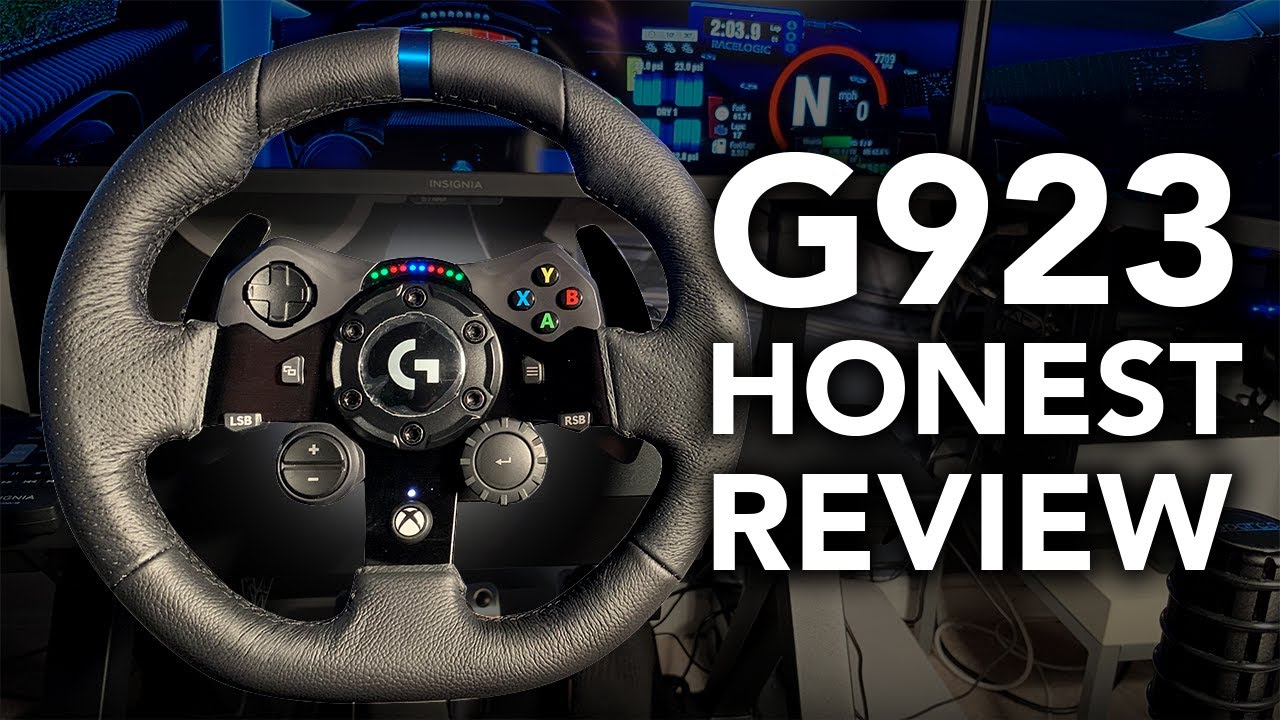
The Logitech G923 remains a recognisable and easy entry point into sim racing, but in 2026 the market has moved far ahead of it. Updated pedals, TrueForce support, and great…
RaceSimStudio expand their GT-MX lineup with the new RSS GT-MX Macca V8 for Assetto Corsa, inspired by the McLaren 720S GT3 Evo, featuring over 700 hp and advanced aerodynamics.
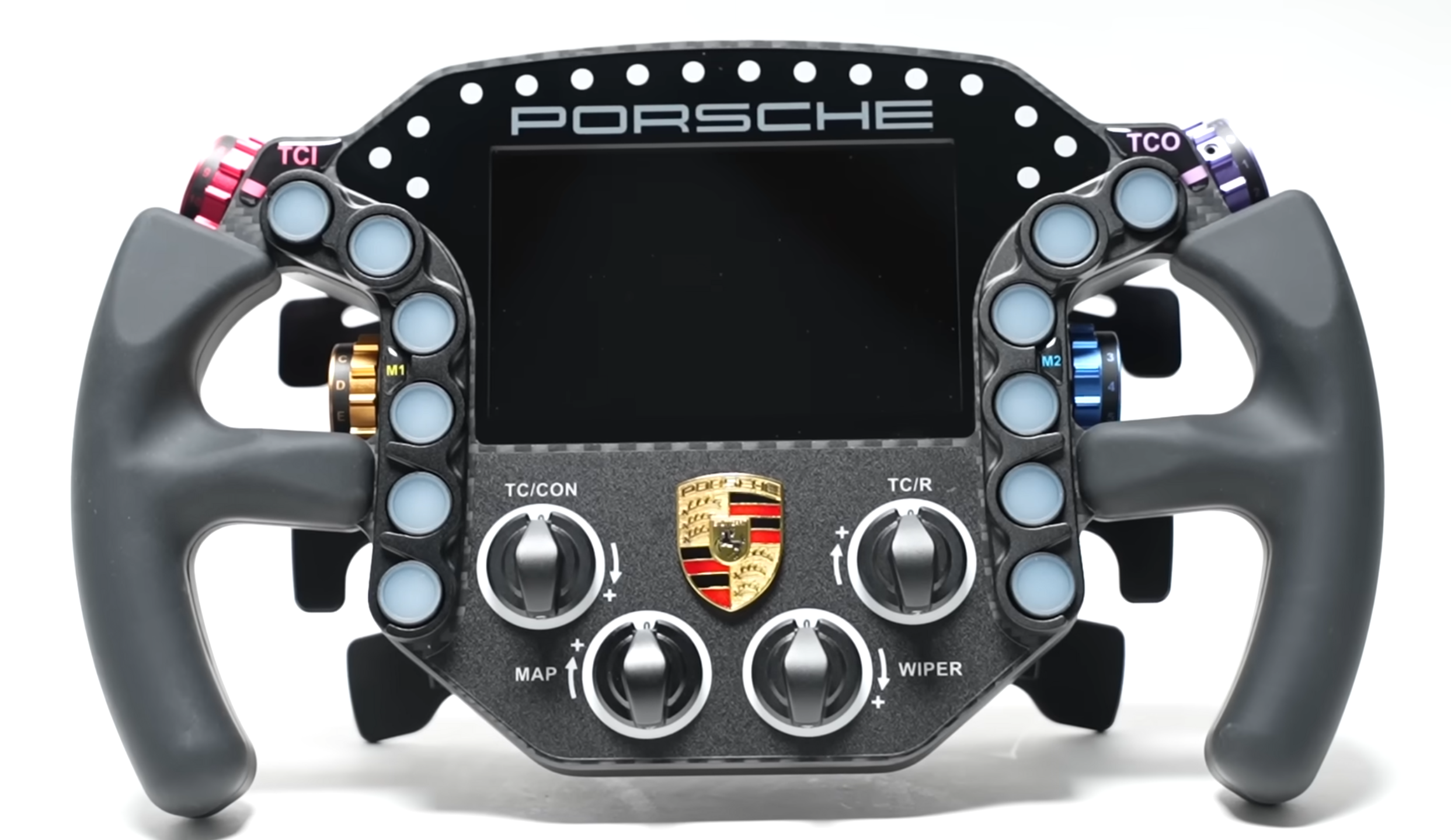
Here are 3 things you probably didn’t know about the Sim-Lab Porsche 911 RSR wheel, from its aluminum-heavy construction and huge display to the usability that makes it feel so…
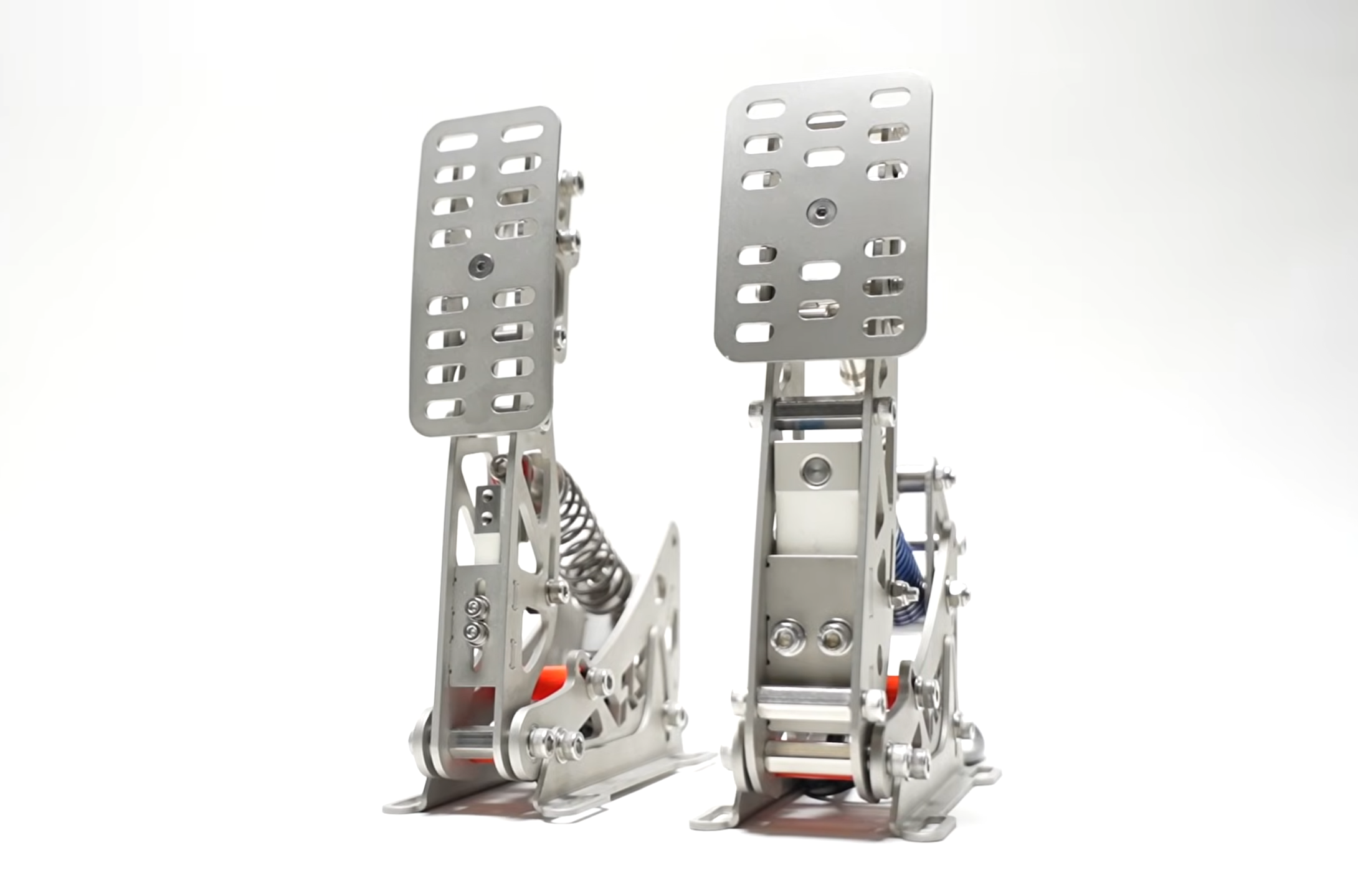
The VRS DirectForce Pro pedals are among the most respected pedals in sim racing, offering stainless steel construction, excellent consistency, and deep adjustability that explains why so many pros use…
Assetto Corsa EVO Update 0.6 introduces six new cars, Sebring International Raceway, and major physics and multiplayer improvements, but players are still calling for missing core features.


Keagan says:
Super helpful read
Henry says:
Agreed!
Evan Murry says:
Thanks, I’m broke.
Jayoo says:
This was really helpful for me and I will consider these options
SevenDegreen says:
Best for beginners!! Very glad about it! 🙂
Levi says:
Thanks for the tips.