Logitech G29 and G920 Review 2026: Why These Once-Loved Wheels Now Feel Disappointingly Outdated
OC Racing
January 29th, 2026
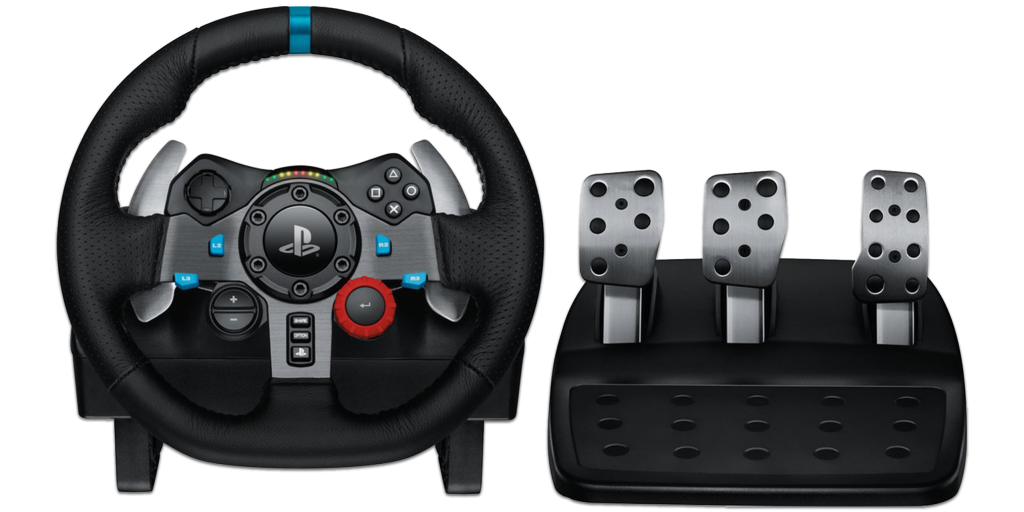
The Logitech G29 and G920 have been the entry point into sim racing for nearly a decade. Released in 2015, they were the wheels that pulled millions of newcomers into the hobby. Good build quality, force feedback, bundled pedals, console support, and a reasonable price made these sets the obvious first step for almost anyone trying sim racing for the first time.
But that was a long time ago. Today, things look very different. Direct drive systems are cheaper and more accessible than ever, entry level wheels have improved across the board, and the market now includes options like the Moza R3 bundle which simply did not exist when these Logitechs were at their peak.
So the big question is simple. Are the Logitech G29 and G920 still worth it in 2026? Let’s take a look.
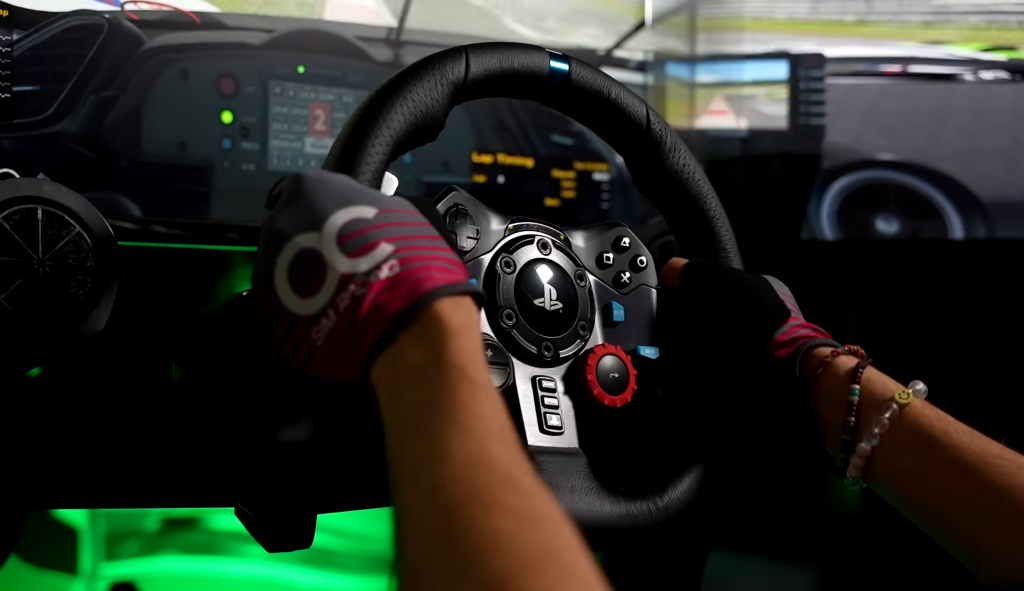
For their age and price range, the G29 and G920 still look and feel surprisingly nice. The hand stitched leather rim gives them a premium feel that is still better than the rubber coated entry wheels you see from several competitors. The anodized aluminum faceplate elevates the overall look, and details like the rev lights on the G29 give it a more complete package than most gear driven wheels.
Ergonomics are generally solid. The wheel has a comfortable thickness, the buttons sit close to your thumbs, and the paddle shifters feel decent for an older design. The only downside in the ergonomics department is the size. At around 10.5 inches, these wheels feel small, especially if you have larger hands.
In terms of quality, they still beat out many entry level options. Even today, the G29 feels nicer in the hands than the Thrustmaster T128, and it certainly looks and feels more polished than the older T150 or TMX.
Mounting and Ease of Use
This is an area where Logitech still shines. These wheels were designed for beginners who needed simple mounting options. You can hard mount the wheelbase on a cockpit, or clamp it onto a desk and it will hold firm. The pedal set can also be hard mounted or placed on the ground, and the carpet spikes help keep them in place.
Cable routing is clean thanks to the indents under the wheelbase. Everything plugs into a central hub and remains relatively tidy. Small touches like this show why the G series created such a smooth onboarding experience.
Even today, these details remain better than what some entry level wheels offer.
Pedals
The pedals are not amazing by modern standards, but they are still one of the better beginner pedal sets included with an entry wheel. The throttle and clutch have comfortable travel, and the brake pedal has a stiff progressive feel near the end of its travel.
Yes, it uses a potentiometer and not a load cell, and yes, most owners eventually move on to something better. But compared to the T150 non pro pedals, these hold up surprisingly well. In fact, they are still more solid than some of the cheaper modern offerings on the market.
The one limitation is stability. If you place them directly on the floor, they can move around unless you block them with something heavy. Hard mounting solves this completely.
On-Track Performance
Out on track is where the age truly starts to show. The G29 and G920 use an old dual motor gear driven system that outputs around 2.5 nm of force. By today’s standards, that is very weak. The internal gears also lead to a clunky, notchy feel, and the slower response time is noticeable if you are used to modern equipment.
You will still feel the car. You will still understand weight transfer, oversteer, understeer, and kerb strikes. But the precision and speed are nowhere near what you get from even the cheapest modern direct drive wheels. Bumps and fine road detail are muted, self aligning torque is slow, and the overall feel is best described as basic.
And yes, the noise is exactly as loud as you remember. These wheels have always been noisy and still sound like a bag of plastic gears scraping themselves to death when you push the force feedback.
After months or years with modern wheels, coming back to the G29 feels nostalgic, but also clearly outdated.
How They Compare to Today’s Competitors
This part is where the modern landscape becomes impossible to ignore.
Against the Moza R3 bundle This is the biggest problem for the G29 and G920. The Moza R3 bundle is cheaper, has more torque, better pedals, better build quality, much more detail, and overall gives a completely different experience. The G29 does not come close in any category other than leather wrapping.
Against the Logitech G923 The G923 adds minor improvements like TrueForce vibrations and a nicer brake pedal. The performance is still mostly the same, and the gear driven system remains outdated. The G29 does not lose by much here, which is both a compliment and proof of how little the G923 changed.
Against the Thrustmaster T128 The build quality of the G920 is a bit better, but the T128 has better force feedback quality. It feels more modern and alive, even if the build is cheaper.
Against the Thrustmaster T248 The T248 has better force feedback and more detail. The G29 has nicer materials, but the difference in driving feel is noticeable. The T248 simply performs better where it matters.
This is exactly why the G29 and G920 feel out of place in 2026. The market evolved around them.
Are They Still Worth Buying in 2026?
Here is the honest answer. Not at retail prices. Not even close.
When these wheels cost around 300 dollars new, they sit too close to direct drive systems that outperform them in every category. The Moza R3 alone makes the argument impossible.
But the second hand market changes everything. You can reliably find G29 or G920 sets for 100 to 150 dollars, sometimes even cheaper, and at those prices they become one of the best ultra budget options in the hobby.
The build quality is still solid. The pedals are still decent. The experience is still fun. And for someone exploring sim racing for the first time, a cheap used G920 can be the perfect starting point.
After all, the G920 was one of my first wheels too. It holds a special place in a lot of sim racers’ memories. It just is not the product it once was in terms of value.
Final Thoughts: Great Used, Outclassed New
The Logitech G29 and G920 are iconic, and nothing can change that. They introduced millions to sim racing, and even nearly a decade later they remain reliable, accessible, and enjoyable to drive with.
But the world moved on.
New wheels are stronger, smoother, quieter, and more detailed. Direct drive is no longer some expensive luxury. The G29 and G920 cannot keep up in immersion or realism, and even Logitech’s own G923 does not move the needle enough to fix the aging foundation under it.
So here is the verdict. If you can find one second hand for under 150 dollars, the G29 or G920 is still a great way to start sim racing. If you are buying new, or you care even a little about modern performance, there are much better wheels waiting for you.
If you want to see how they compare to the latest affordable direct drive options, check out my reviews on the Moza R3, Moza R5, and Fanatec CSL DD.
This wheel is available in more stores and is easy to buy.. I just saw a kid a couple days ago that tested this in a local store, DD are not that popular in my locals store and that’s a shame..
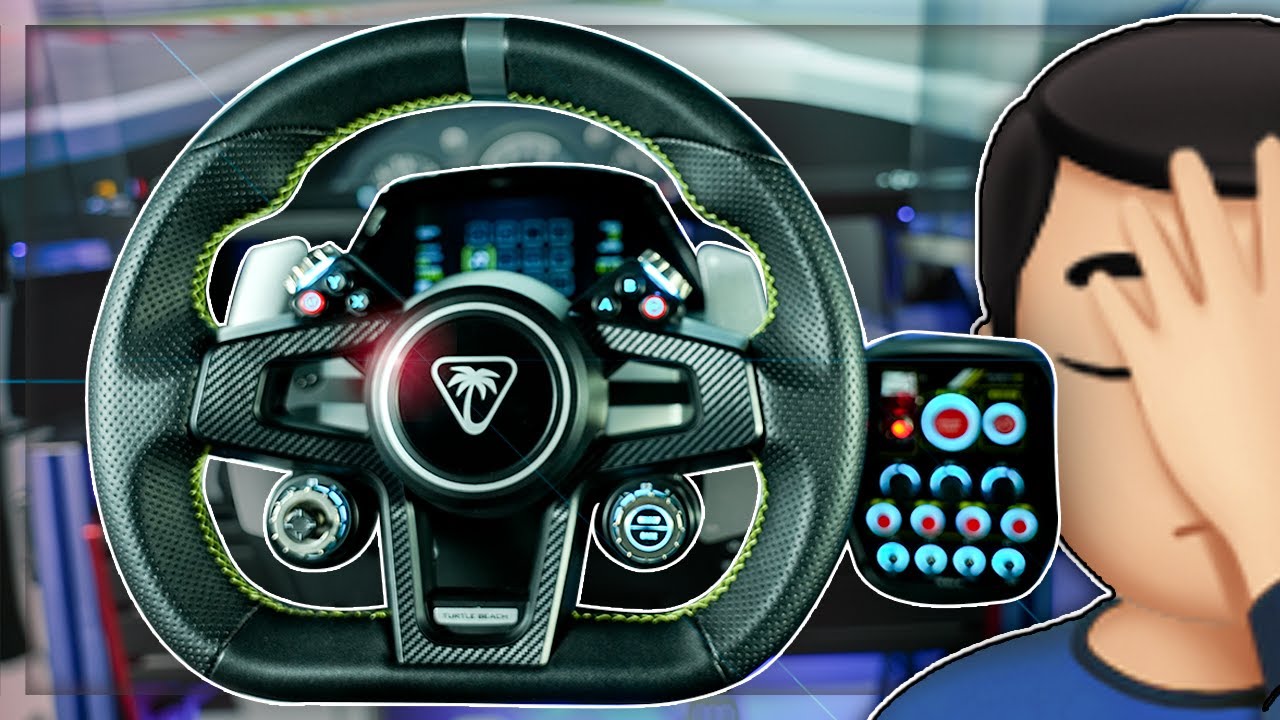
The Turtle Beach VelocityOne bundles a 7.2 Nm direct drive wheelbase, load cell pedals, a full button box, and a leather D-shaped rim for 650 dollars. On paper it sounds…
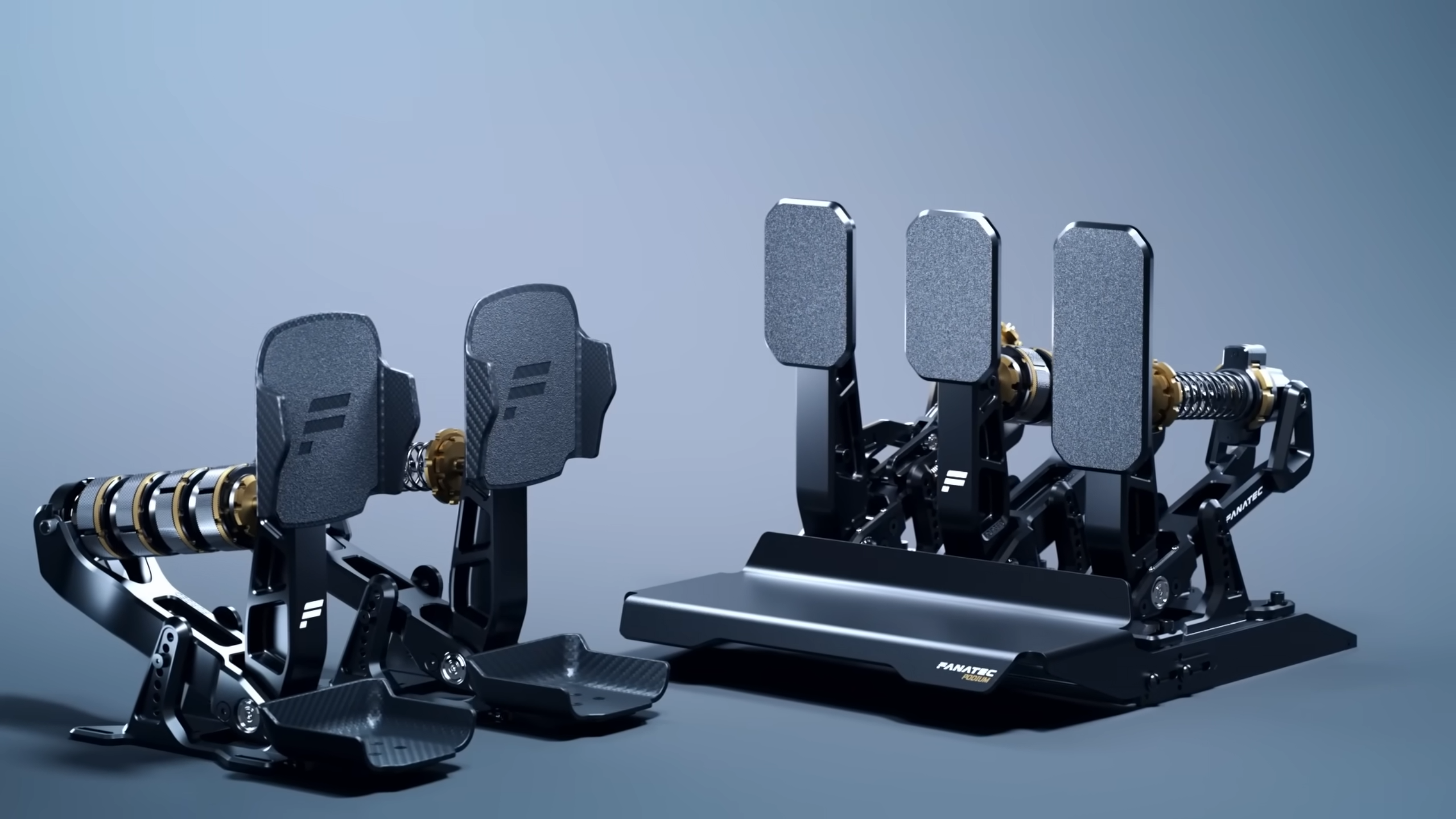
Fanatec’s long-awaited Podium Pedals are finally nearing release. Here is everything you need to know about the price, versions, brake design, adjustments, software features, and what Fanatec shared in its…
A new update has been released for Le Mans Ultimate, focusing heavily on stability, usability improvements, and broad Balance of Performance adjustments across multiple car classes.
The FIA has launched its Global Rally Esports Tour, with Assetto Corsa Rally at its core, featuring online qualifiers, regional events, and a live final in Shanghai.
Fanatec introduces the ClubSport Formula V3 steering wheel alongside new Podium Pedals, focusing on refinement, load cell braking, and high adjustability.
The Fanatec ClubSport Formula V3 finally updates Fanatec’s long-running Formula wheel design with a larger screen, better controls, and a wider 290 mm shape, but it still feels less exciting…
The official RauhRacing TwinG.O.A.T mod brings the real Nürburgring 24 project Twingo into Assetto Corsa for free. It’s simple, understeery, and a little rough around the edges, but the story…
Asetek has been acquired by CQXA Holdings in an $82 million deal, with plans to go private and focus on liquid cooling. The sim racing division will continue operating under…

Marc.hgt says:
Great review, you’ve really sold me on buying a moza bundle instead of a G29!!
DAV_10 says:
I just think today its more worth it to just buy something like the r5 bundle
Ebbe785 says:
You should just get a MOZA r3
Travis says:
It was hard to decide on this or a Moza R3
awol__dave says:
I jumped at the chance to upgrade from logitech to the moza r3 bundle, especially at its sale price.
Max Bornträger says:
Nice review
Frox4 says:
it is better to jump in direct drive wheel.
Frox4 says:
it is better to jump in direct drive wheel. g29 has a lot of issues based on an experience.
Joseph Cook says:
thanks for the advice
Joseph Cook says:
thanks for the advice bro
Mb says:
Love your rewiev
Eb says:
Luv it
Sander Nurm says:
Wow this led me to buy a g29 and get me into sum racing
Yassin says:
I have one
Ghalem Habib says:
GG
Eren says:
I feel like its better to get an r3 or r5 immediately and just upgrade along the way.
Nomad says:
This wheel is available in more stores and is easy to buy.. I just saw a kid a couple days ago that tested this in a local store, DD are not that popular in my locals store and that’s a shame..
Valerio says:
Yeahh direct drive wheelbases are much better
Jozef Zachariah says:
Still using this going strong
Carel Willemse says:
Not bad
Jacob Teeny says:
I wish I saw this before I bought a G29 brand new 🤦🏻♂️
blahy_ says:
G29 is not worth the money imo, nor is g923 (I own it), but still rather buy that for a bit more money.
Tica says:
I really do wish other companies could make affordable bundles for consoles.
Keep up the great work I love these posts!
Auticka1 says:
Nice
Laszlo says:
That was my first wheel
Bolt_Action12 says:
With the budget availability now from MOZA and pxn it is out of the question.
Cas says:
I have noticed the build quality of the g29 is not as good as most people think. I broke mine in like a years time.
Bludshroom says:
I had this since day one, it’s a nice wheel to get you started, but I would never ever go back to it.