The Turtle Beach VelocityOne sim racing bundle arrived with a lot of hype. Not just because it packs a direct drive wheelbase, pedals, button box, and rim into one package, but because Turtle Beach is not a sim racing company. They are known for gaming headsets, not force feedback technology. So when they announced a 7.2 Nm direct drive system for 650 dollars, a lot of people, including myself, were stunned.
For this review I did not rely on the unit Turtle Beach sent me. Everything you are seeing here is from the bundle I personally purchased for 689 dollars after tax. That allowed me to approach it the same way I do with Moza, Fanatec, Thrustmaster, and Logitech products I buy myself. No shortcuts on honesty.
This review will go over the wheel rim, pedals, button box, and finally the wheelbase before ending with my conclusion on the VelocityOne bundle, which I think many of you may not expect.
NOT RECOMMENDED
Turtle Beach VelocityOne
7.2 Nm direct drive bundle with rim, pedals and button box
VERDICT
A bold but flawed all in one direct drive bundle: a strong 7.2 Nm base and impressive rim, held back by pedals and software that are not ready yet.
BEST FOR
Beginners who want one bundle for Xbox and PC
NOT FOR
Drivers who want polished software and pedals today
REVIEW UNIT personally purchased for $689 after tax, not the sent unitTITLES dash connection attempted with iRacing, Assetto Corsa and ACCTUNING dash and Windows app strength, damping and rotation limitsCOMPARED AGAINST Moza R3, Fanatec CSL DD and Logitech G Pro
Wheel Rim
The wheel rim on the VelocityOne is easily the most impressive part of this bundle. It is wrapped in leather, although I cannot confirm whether it is real or synthetic, with bright yellow hand stitching, perforated sides, and a carbon weave style faceplate. The overall design looks good and the ergonomics work surprisingly well in practice.
The diameter sits at a comfortable 300 mm, which is right in line with many mainstream rims and feels natural across GT, road, and casual driving. The magnetic paddle shifters on the back have a fast and crisp response, although they are thinner than I would like and sometimes feel a bit flimsy. The clutch paddles beneath them, on the other hand, barely offer any resistance and feel like an afterthought.
The quick release resembles what you see from Simagic or Moza Racing, but none of their rims actually connect, which means third party compatibility is not supported. For beginners this will not matter, but for anyone who likes modular ecosystems, it is a notable limitation.
The buttons and rotary encoders on the front do not feel premium. The encoders have a light, hollow feel, and the top two rotaries snap back rather than rotating freely. It gives the rim a slightly toy-like quality that holds it back from truly competing with the rims you get from the more established sim racing brands.
The backlighting, however, is genuinely cool. Once in game, the glowing buttons give the rim a modern, high tech look that I did not expect. Despite the plastic frame and fake carbon texture, the rim felt sturdy enough during races. No flex on the rim, no slop in the quick release, and the overall driving feel was solid. It is not premium, but it is not bad either.
Pedals
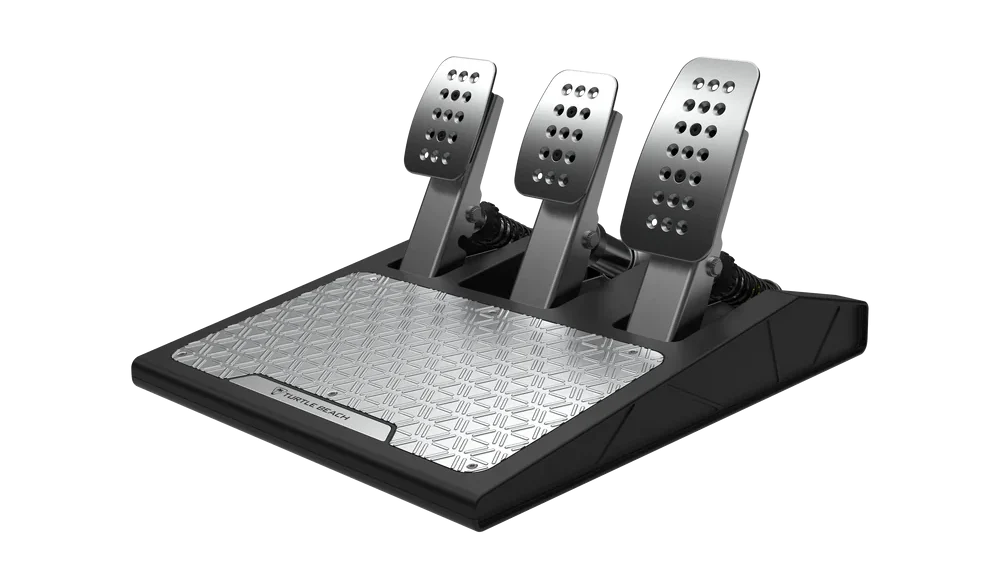
The VelocityOne’s pedals were the first major disappointment. For a bundle that advertises a load cell brake, I expected at least mid-range performance and some meaningful adjustability, but the experience fell far short.
The housing is entirely plastic. The pedal arms and plates are aluminum, which helps, but the structure underneath flexes when you push the brake. This flex is not dramatic in game but it is clearly visible on camera and very noticeable under your foot once you recognize it.
The clutch and throttle both use springs that you can reposition slightly, but the adjustments are minor. The clutch has almost no resistance and does not simulate a bite point. The throttle has too much travel and registers full input early, which left a massive dead zone at the end of its physical movement that I could not fix in the software.
The load cell brake is called Dynamic Brake Tek and is rated at 50 kg, but that number feels meaningless when the pedal barely needs force to reach max input. Even when trying to push deeper into the load cell range, I was already locking up the car well before the load cell was fully engaged.
Worse than that, I encountered multiple input issues at high speed. The throttle sometimes lagged or failed to register entirely during demanding moments. You can literally see it in the footage. It made the pedal set feel unreliable and inconsistent, especially compared to even cheap third party load cell upgrades you can add to Amazon pedal sets.
The potential is there, but the execution needs a complete overhaul.
Button Box
Including a button box in the VelocityOne bundle is a cool idea and it definitely generated buzz when the product was first revealed. In practice, though, the quality falls short.
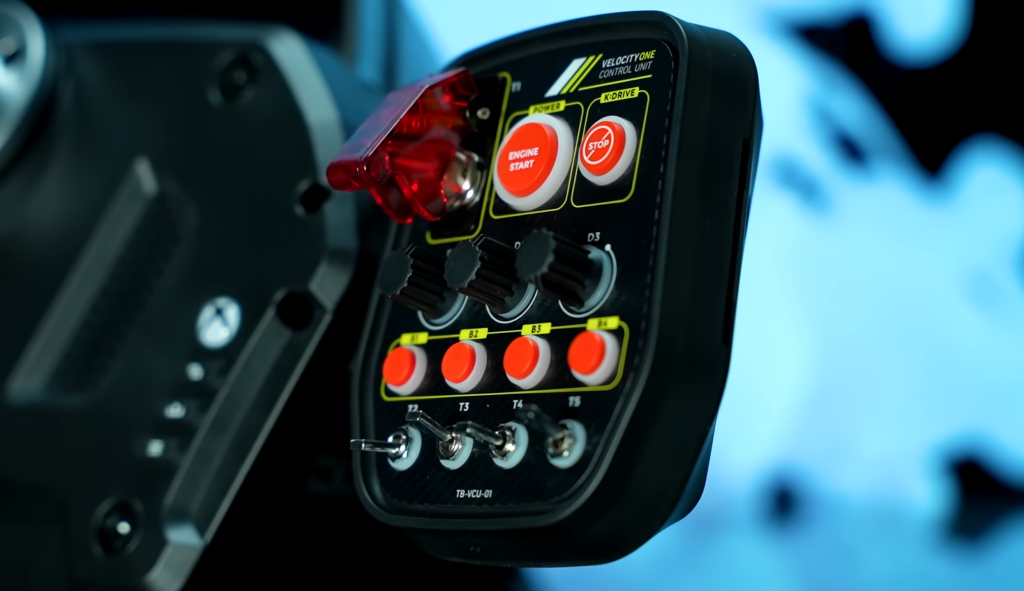
The entire housing is plastic and the carbon weave pattern is printed, not real. The buttons and switches do not have a premium feel, although the backlighting does look great and the main power switch lighting up at the tip is a neat touch.
The biggest flaw is how the button box mounts to the wheelbase. A thin metal bracket connects it to one side of the base, and whenever you press buttons that are farther from the bracket, the entire thing flexes and wobbles. It takes away from the immersion and makes the whole setup feel fragile.
There is also a major design oversight. The large red engine start button is not actually an engine start button. It turns the wheelbase on. The smaller button beside it turns it off. Neither of them send input to the game. So when you try to assign engine start in a sim, you cannot bind the big red button. You have to assign it to a small random button on the underside. It makes no sense at all.
The idea behind the button box is strong, but the execution misses the mark in multiple ways.
Wheelbase
The 7.2 Nm wheelbase is clearly the star of the VelocityOne bundle. The shape is unusual and the placement of the dash screen gives it a futuristic appearance. It works with Xbox and PC, which is a big selling point for console racers looking for a direct drive experience.
One clever feature is the integrated clamp system. You open the side compartments and adjust the internal clamps using the included Allen key. It is similar in spirit to Logitech’s clamp system but far more secure. Hard mounting is available as well and uses a standard bolt pattern.
Because of the unusual shape and upward angle of the wheelbase, I had to heavily adjust my cockpit plate to get the wheel into a natural position. On a normal desk, this would be much more challenging and could leave you with a wheel pointing upward instead of straight ahead.
All the cables are braided, which I appreciated, and the quick release feels solid enough, although I would have loved third party compatibility.
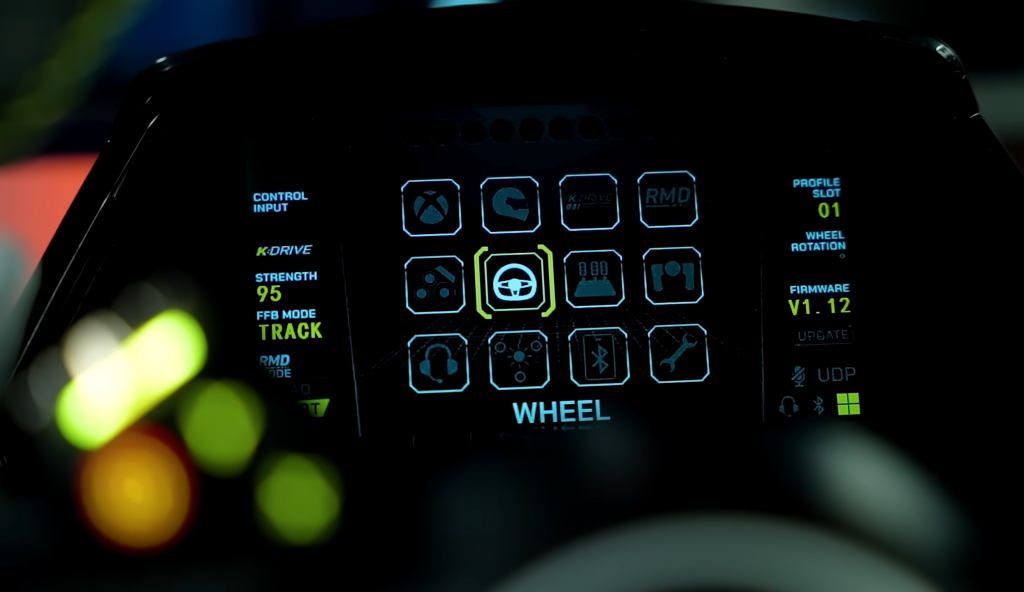
The dash display is a great concept. It gives you tuning controls directly from the wheelbase, which is especially useful on Xbox where external software is not an option. You can adjust strength, damping, limits, and other basic settings.
The issue is that the software simply is not ready. Many settings had no effect. The dash refused to connect to iRacing, Assetto Corsa, or ACC. The Windows app, which you download from the Microsoft Store, had the same problems. Important adjustments did not register and presets did not behave as intended.
Worth knowing: The dash would not connect to iRacing, Assetto Corsa or ACC, and many tuning settings had no effect.
This is the same problem almost every newcomer to the direct drive market has faced. Building hardware is one thing. Building good force feedback tuning software is a completely different challenge, and it takes years to get right.
Because of these limitations, the on-track performance felt underwhelming. The base is strong, fast, and completely silent, but the lack of detail and limited tuning prevented me from getting the wheel to feel the way I wanted. You can tell the potential is there, but right now the software is holding it back.
Final Thoughts: A Promising Vision That Needs More Time
When you look at the Turtle Beach VelocityOne bundle as a whole, it feels like a jack of all trades but a master of none. It includes everything a beginner could want: a direct drive base, a D-shaped leather rim, a button box, and a load cell pedal set. The price is appealing and the idea is bold.
The takeaway: A great idea that needs more time, because unfinished software and pedals hold back strong hardware.
The problem is execution. The pedals need refining. The button box needs stronger mounting. The software needs a lot more work before the base can compete with something like a Moza R3 or a Fanatec CSL DD. Even systems like the Logitech G Pro or RS50 offer far more polish, tuning capability, and long term ecosystem value.
The VelocityOne is full of potential and I genuinely hope Turtle Beach continues refining it. They have the hardware foundation. They just need to improve quality control and radically overhaul the software.
Would I recommend it today? Not yet. But with updates, improvements, and better tuning options, this could eventually become one of the most interesting all-in-one systems on the market. I will be keeping the unit Turtle Beach sends over, which means I might revisit this product in a few months once firmware and software updates roll out.
If they fix the software alone, it could become a far more compelling option than it is today.
Until then, it remains a great idea that needs more time to reach its full potential.
FINAL VERDICT
Recommendation: Not yet. Wait for Turtle Beach to fix the software and pedals before buying.
Ideal buyer: Patient beginners who want one Xbox and PC bundle and accept early software issues.
Major drawback: Software is not ready and the pedals flex with throttle lag and a dead zone.
Bottom Line: A bold 7.2 Nm bundle announced at $650, personally purchased for $689 after tax, with a strong base and rim held back by unfinished software.
Sim racing hardware reviewer and creator. Every review on this site is hands-on tested across direct-drive wheelbases, pedals, cockpits, motion systems and accessories before a word is published.
Thank you for such an in-depth review. I’m new to the hobby and started watching your content on YouTube to help with my first build.
It’s too bad about this Turtle Beach bundle because I was strongly considering it. It offers an affordable path into DD with a good amount of force and lots of mid-tier accessories like the LC pedal and control box. If the software gets improved, would that make the bundle worth considering, or do the hardware issues still make it a non-starter?
I am now comparing the R5 bundle with the VD6 bundle, and based on my research, the VD6 bundle seems to be the better choice.
Kunos Simulazioni has shared a detailed look at the future of Assetto Corsa EVO, outlining changes to the game's development direction and revealing more information about its long-awaited Free Roam…
Conspit CHS · $369 Conspit sent this product to me for review. Conspit has entered the shifter market with the CHS, a dual-mode shifter that combines a 7-gear H-pattern with…
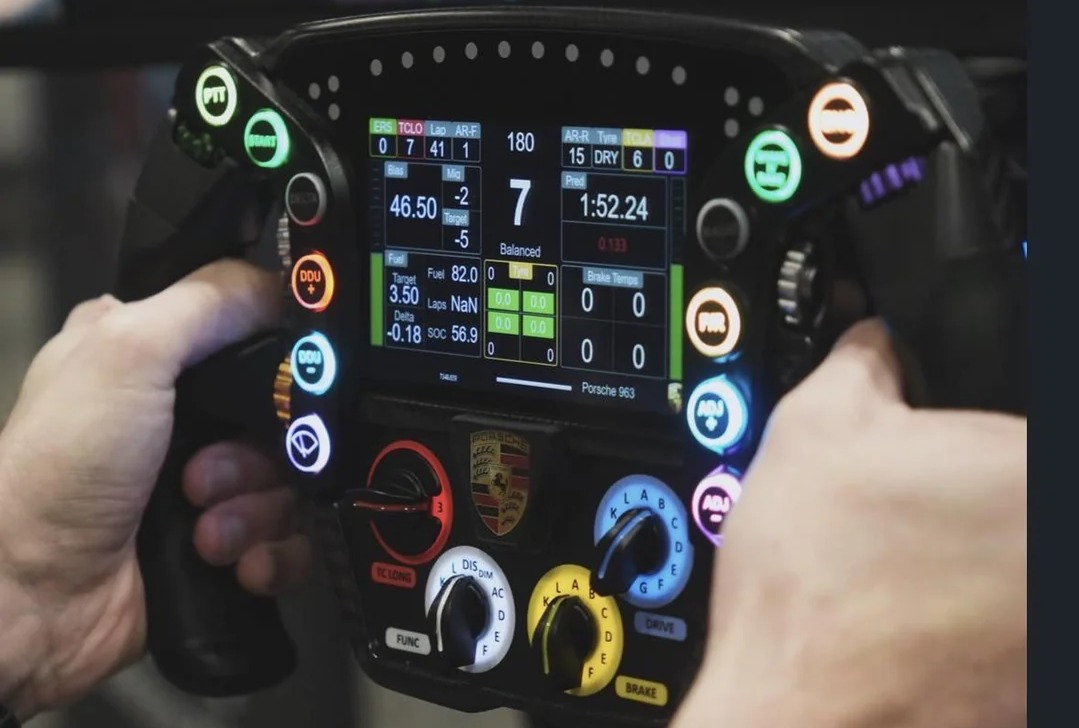
After making its public debut in Chicago, Sim-Lab is bringing its upcoming Porsche 963 replica steering wheel to SimRacing Expo Frankfurt for another major showcase.
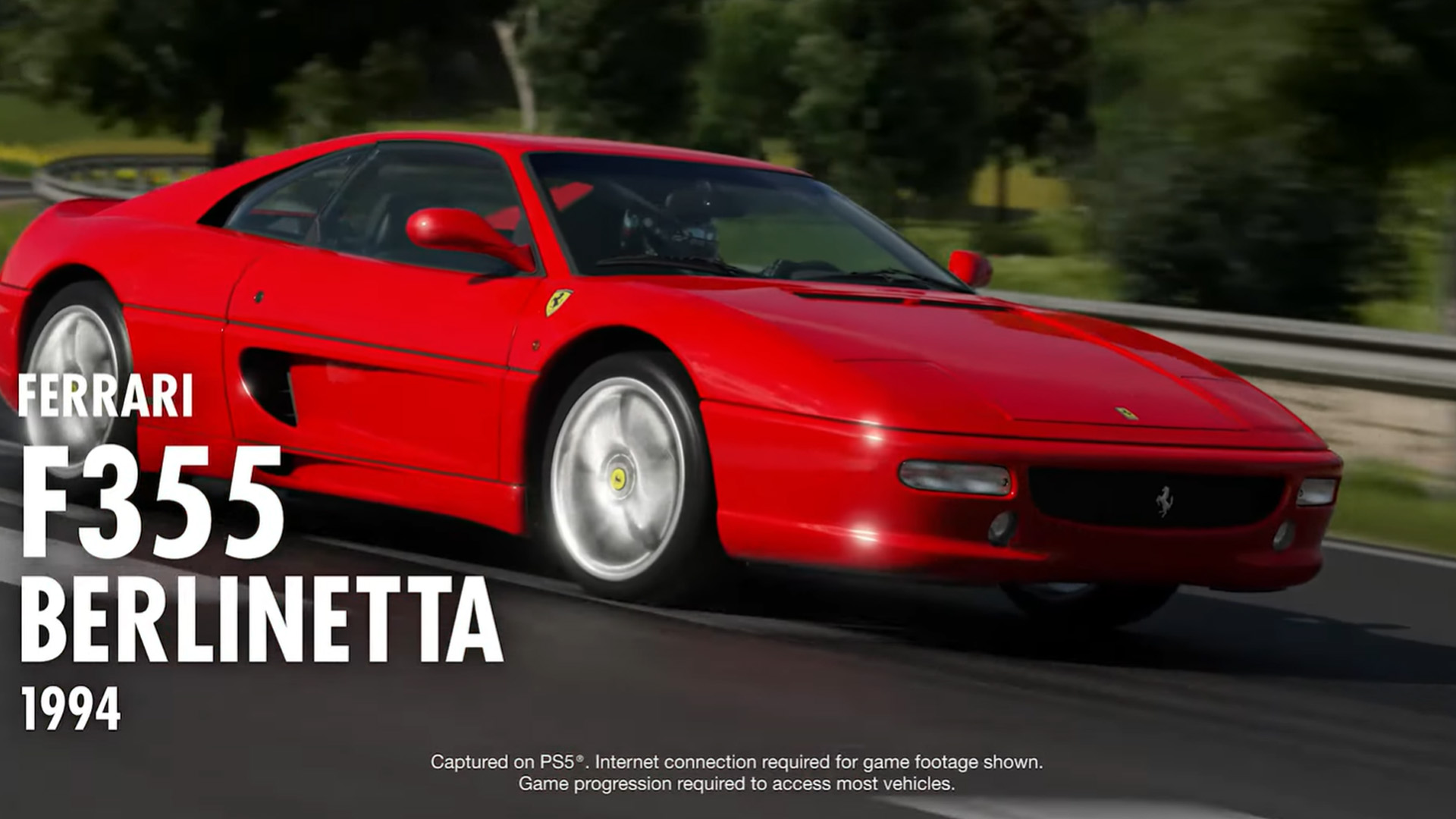
Gran Turismo 7 Spec IV Part 1 arrives October 15 with Sportsland SUGO, six new cars including the Ferrari F355, new Brand Central challenges, Car Concierge, Car Viewer and more.
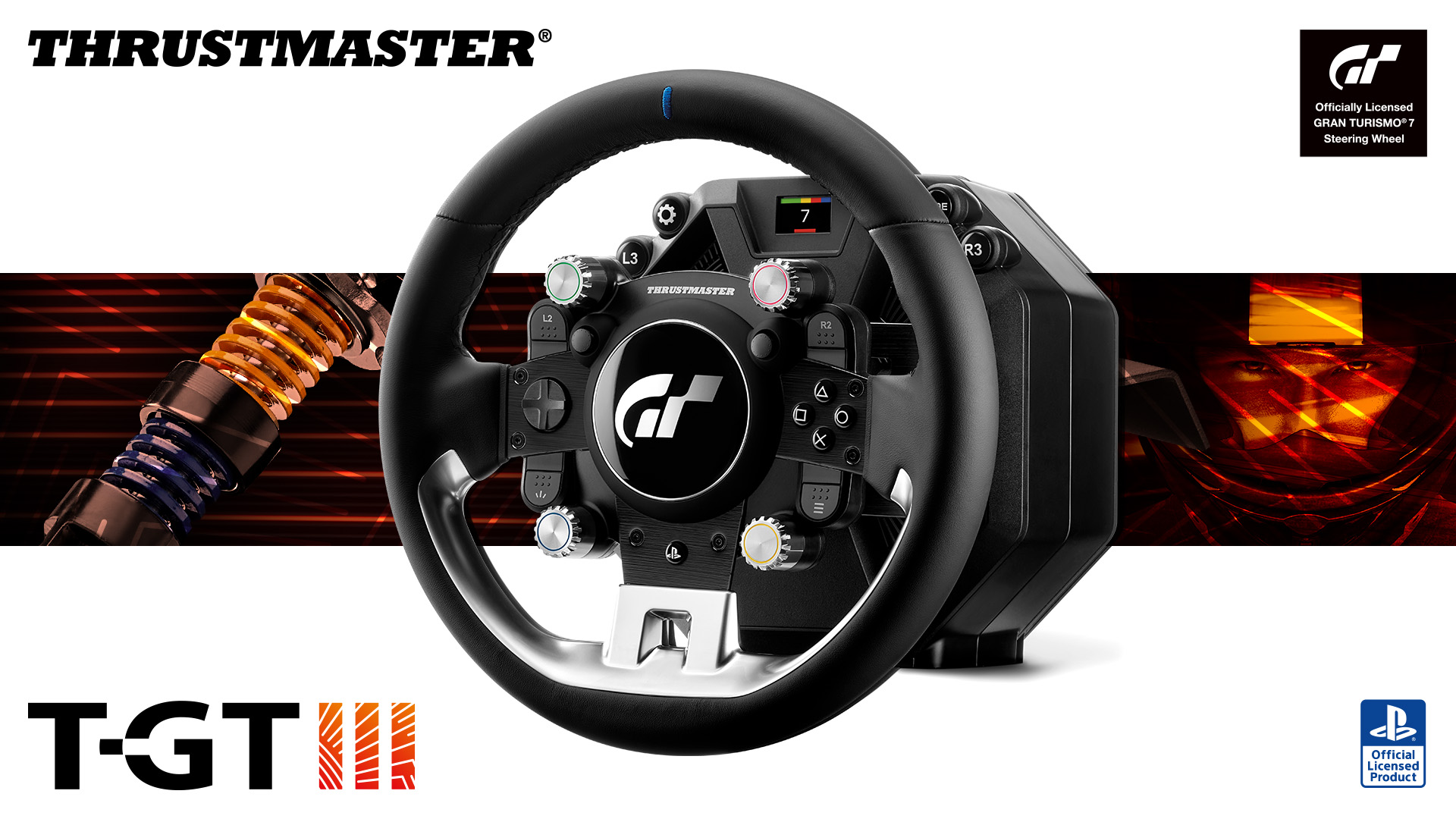
The new Thrustmaster T-GT III brings Direct Axial Drive, 5 Nm of constant torque, load cell pedals, and dedicated Gran Turismo 7 haptics to PS5 and PS4.
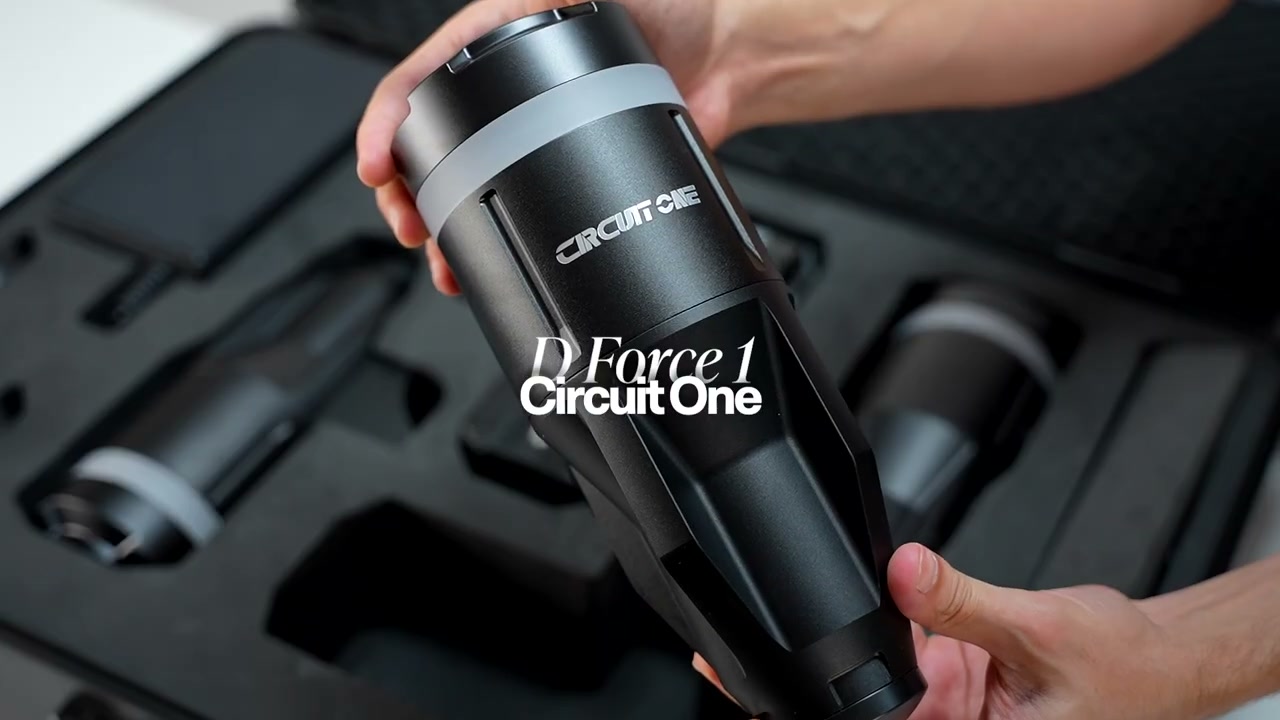
The Circuit One D Force 1 packs four motion actuators into a suitcase, installs in about 10 minutes, and trades big travel for detail you can actually use.
Assetto Corsa EVO Update 0.9 introduced a major overhaul to the game's GT tyre model, changing how cars behave around the limit across a wide range of GT machinery.
Project Motor Racing has received its Version 2.3 update, bringing the Lamborghini Temerario to the simulator alongside a new vehicle class, physics revisions, visual improvements and a series of changes…



Fidel says:
Thank you for such an in-depth review. I’m new to the hobby and started watching your content on YouTube to help with my first build.
It’s too bad about this Turtle Beach bundle because I was strongly considering it. It offers an affordable path into DD with a good amount of force and lots of mid-tier accessories like the LC pedal and control box. If the software gets improved, would that make the bundle worth considering, or do the hardware issues still make it a non-starter?
I am now comparing the R5 bundle with the VD6 bundle, and based on my research, the VD6 bundle seems to be the better choice.
Keep up the great work!