Project Motor Racing 2.0 Update: Mixed Comeback After a Rough Launch
Project Motor Racing 2.0 aims to recover from a disastrous launch. Here is a clear look at community feedback, improvements, and the ongoing issues.

The Project Motor Racing 2.0 update has now been out for a few days, and the overall picture is clearer. After one of the roughest launches in recent sim racing history, expectations for this update were high. The question was simple: could this game recover, or was the damage already done?
Verified purchase options at lowest current prices:
Project Motor Racing entered the market with strong visibility. Heavy marketing and pre-launch hype pushed it into direct competition with established titles. That attention also created pressure, and the launch failed to meet it in almost every area.
At release, the game struggled with core elements. Physics felt inconsistent, performance was unstable, AI behavior was unreliable, and menus lacked polish. The backlash was immediate and widespread. For a full-priced title, expectations were not just missed but completely off target.
The simultaneous release across PC, PlayStation, and Xbox raised additional concerns. It felt like too much focus had been placed on platform coverage rather than refining the core experience. Shortly after launch, layoffs at Straight4 Studios added to the uncertainty around the project’s future.
At that point, many had already written the game off.
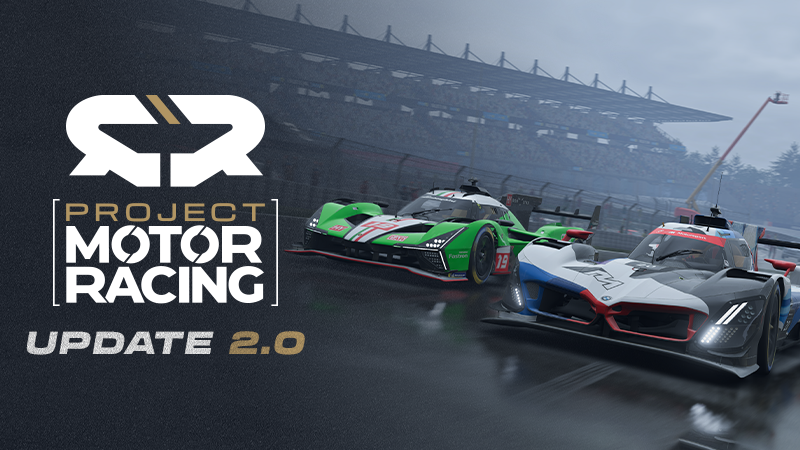
The 2.0 update represents the first major attempt to turn things around for Project Motor Racing. It introduces new content, UI adjustments, and general improvements across multiple systems. Some areas clearly show progress.
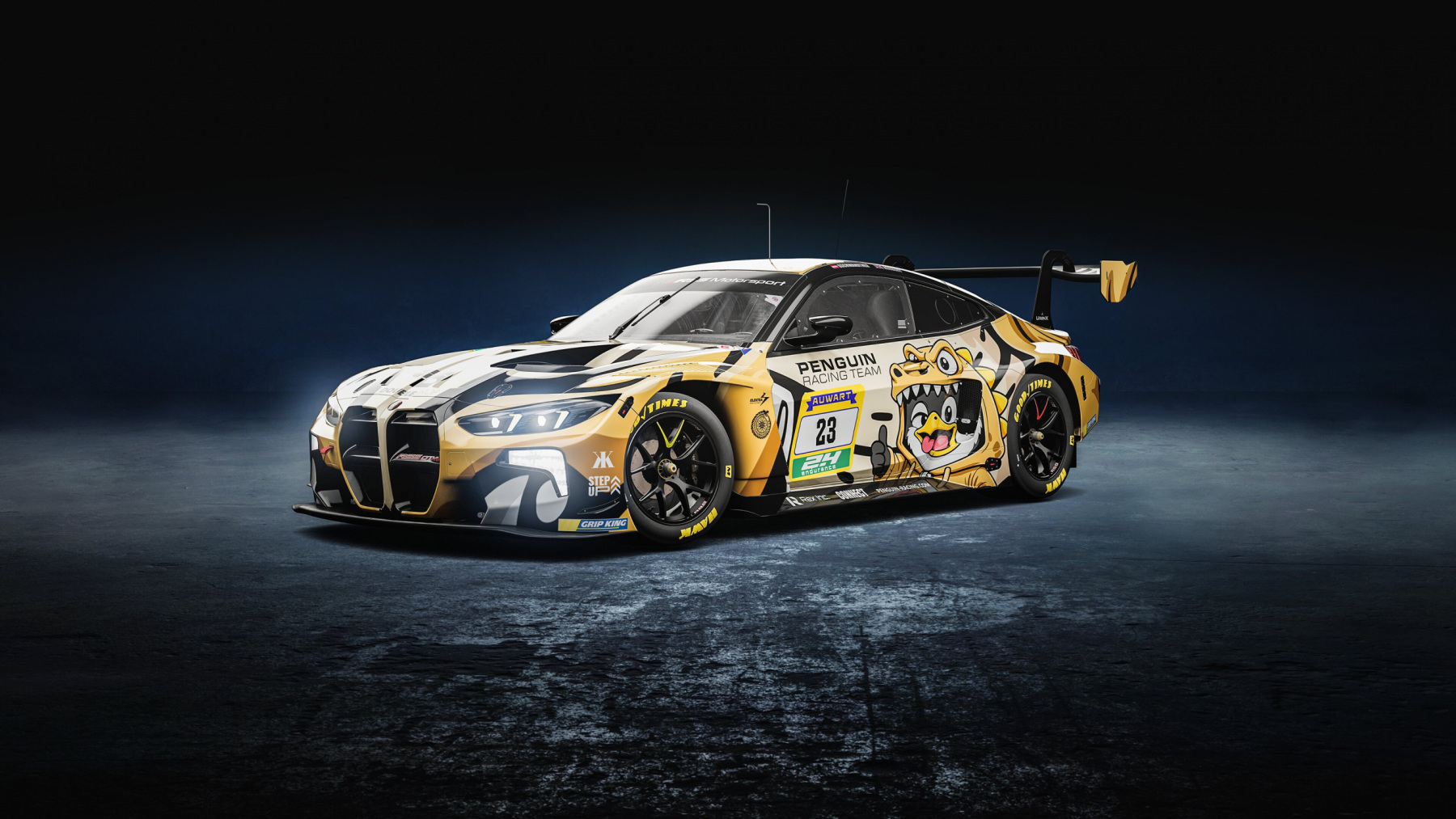
Certain menus, such as car selection and setup screens, are now more structured and easier to navigate. The car roster and track list remain one of the stronger aspects of the game, even if licensing gaps are still noticeable. Audio and visual presentation have also seen incremental improvements, though they remain inconsistent overall.
There are signs of direction now, which was missing at launch. However, the update does not feel like a complete overhaul. It is more of a step forward rather than a reset.
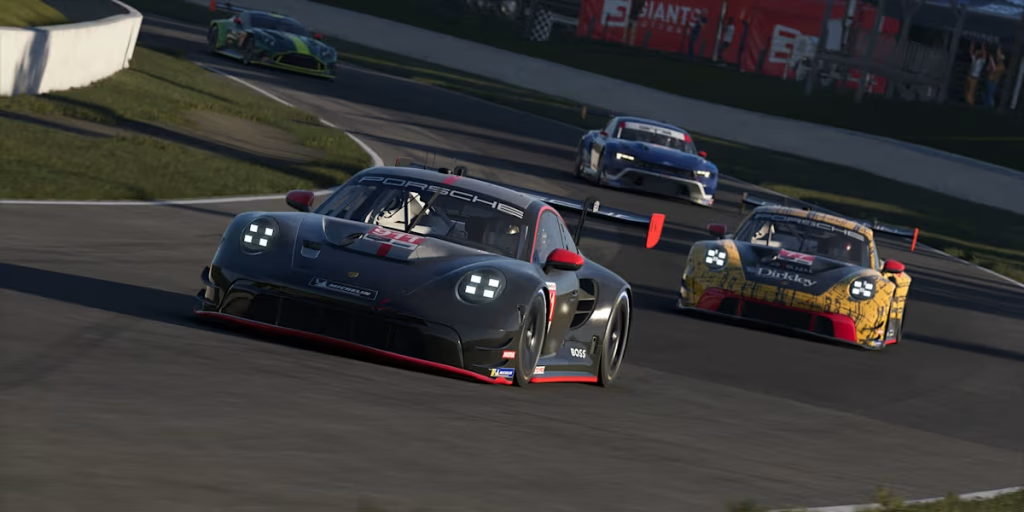
Performance remains one of the biggest problems reported by players. Even on higher-end systems, the game struggles to maintain stable frame rates. Stutters appear in situations where other simulators run without issues.
Some players report inconsistent frame pacing despite acceptable average FPS. Others highlight basic interactions, such as camera movement, causing noticeable drops. These issues extend to consoles as well, raising concerns about overall optimization.
For a racing sim, where smooth performance is essential, this continues to hold the game back significantly.
Online racing was positioned as a key selling point, especially with cross-platform ranked events aimed at competing with established systems.
Right now, that promise is not being met. Reports of disconnects during sessions are frequent. Players are often unable to complete qualifying sessions or even leave the pit lane before being returned to the menu.
Even when the system works, participation appears limited. This creates a situation where the feature exists but lacks reliability and consistency, making it difficult to recommend.
The driving experience in Project Motor Racing continues to divide opinion. Some players find the handling acceptable once they adjust to it, especially on a controller. Others strongly criticize it, describing it as inconsistent and lacking realism.
Differences between cars are noticeable, but not always in a positive way. Certain vehicles feel more refined than others, while some lack feedback and precision. Force feedback is another weak point, particularly for older hardware setups.
For players coming from more established simulators, the gap in driving feel remains significant.
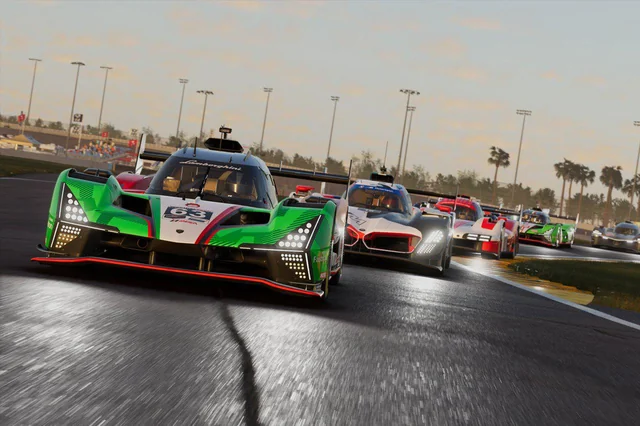
The UI has improved in parts but still lacks consistency. Some menus feel modern and functional, while others appear unfinished or visually disconnected.
Basic usability issues also remain. Certain settings require restarts, customization options are limited, and some features are unnecessarily complicated to access. Missing support for common sim racing tools and hardware integrations is another recurring complaint.
These are not headline issues individually, but together they affect the overall experience.
The overall community response to 2.0 is mixed. There is recognition that the game has improved, but also frustration about how far it still has to go.
Positive feedback focuses on the variety of cars, potential of the career mode, and the general direction of updates. Some players now consider it enjoyable in its current state, even if not fully polished.
Negative feedback remains dominant. Performance issues, weak physics, unstable online features, and lack of depth in key systems are mentioned repeatedly. Some players still consider it far from a true 1.0 experience.
There is also a recurring theme of wasted potential. The foundation is there, but execution continues to fall short.
Project Motor Racing 2.0 is a step in the right direction, but it does not fully resolve the issues that defined its launch. The improvements are noticeable, but they are not enough to change the overall standing of the game yet.
Right now, it sits in a transitional state. There is potential, but also clear limitations. Compared to long-established simulators, it still lacks the consistency and polish needed to compete directly.
For now, it may be worth a look for those curious about its progress or interested in its car selection. For everyone else, it remains a wait-and-see situation.