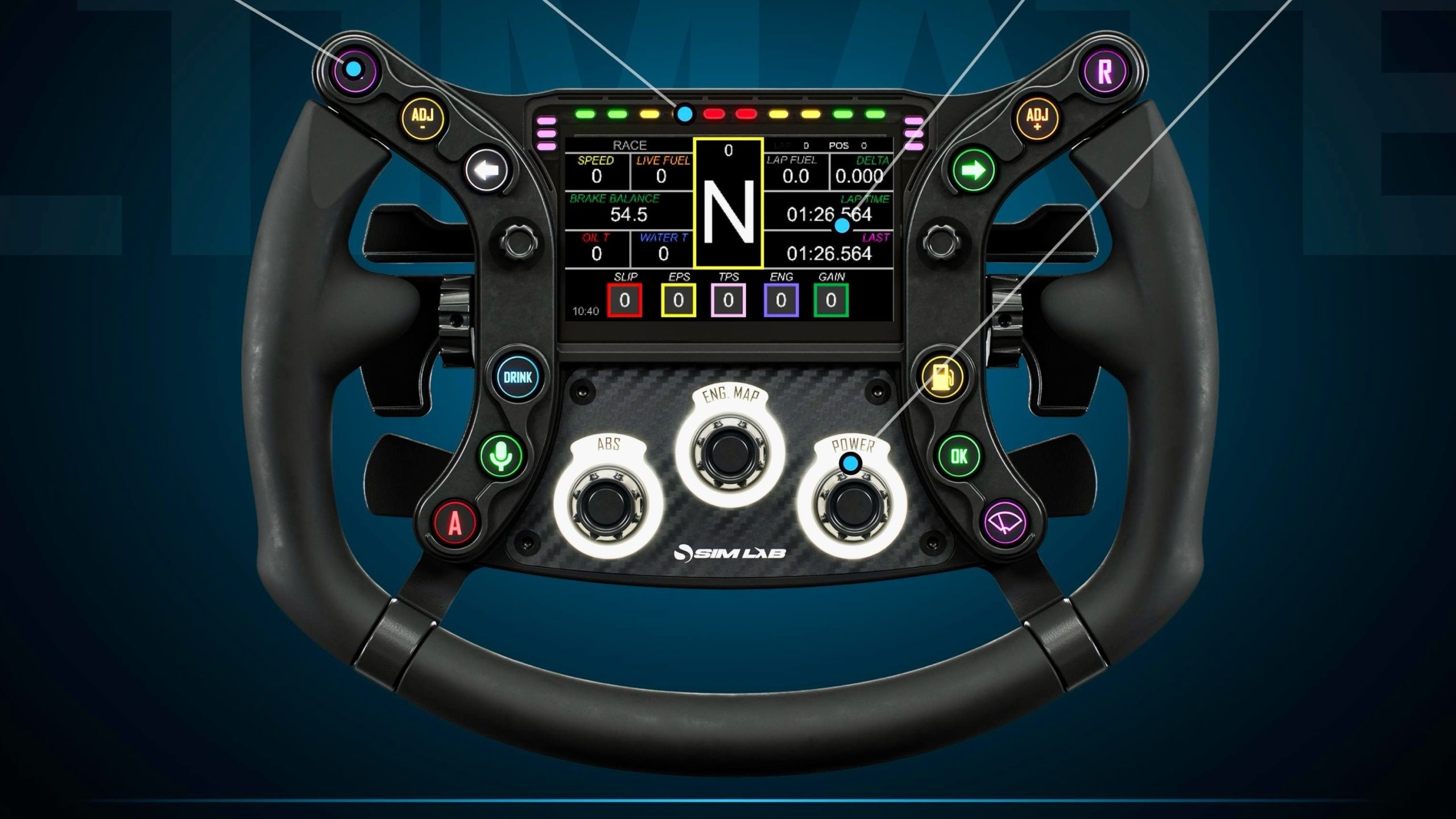
Sim-Lab unveils GTSL Ultimate steering wheel at Sim Racing Expo Frankfurt
Sim-Lab will unveil the GTSL Ultimate, a new version of its GTSL steering wheel platform, at Sim Racing Expo Frankfurt this weekend.

Project Motor Racing Update 2.0 introduces a redesigned UI, improved physics, a reworked career mode, and enhanced online systems, establishing a new foundation for the sim.
Update 2.0 represents a reset point for Project Motor Racing.
Following months of iteration and community feedback, the update delivers changes across core areas of the sim, including user interface, handling, career progression, and multiplayer systems.
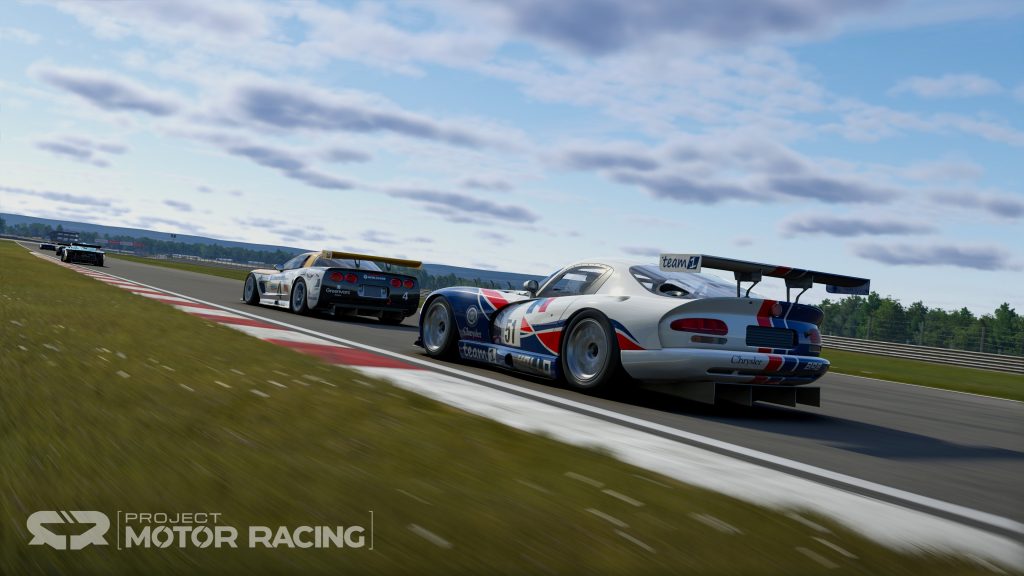
The interface has been redesigned with a focus on clarity and speed. Navigation across menus is more intuitive, and new tooltips provide guidance for setups and force feedback adjustments.
The car selection screen has also been expanded to include more detailed vehicle information.
Multiplayer has been updated with a stronger focus on structure and fairness.
Anti-cheat systems are now active in ranked modes, alongside improvements to session flow and incident handling. The License Points system has been refined to promote cleaner racing.
From April 1, ranked events will include all car classes, including DLC.
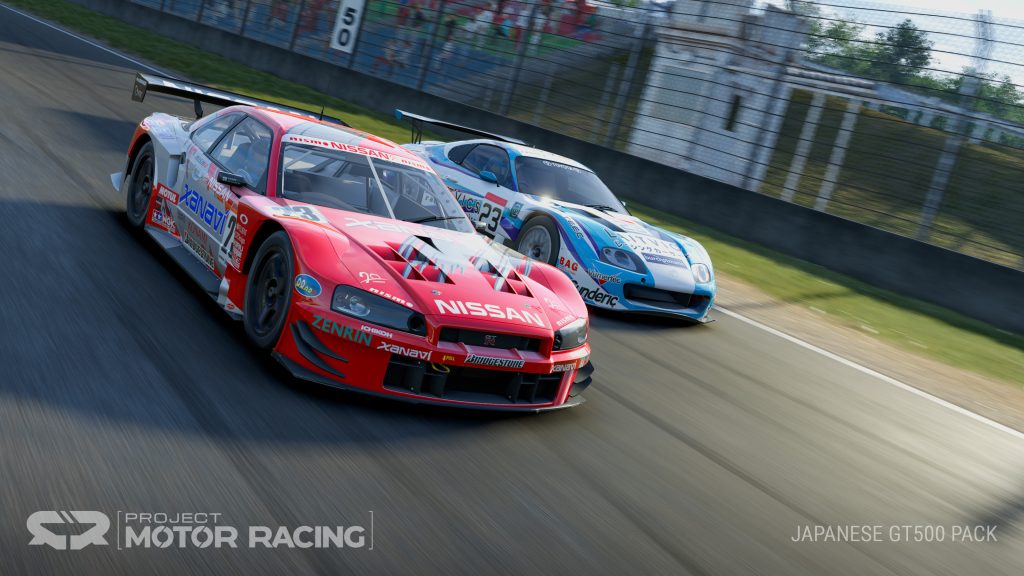
Career Mode has been reworked into a more structured progression system.
It now includes real-world sponsors such as Liqui Moly, improved presentation, podium ceremonies, trophies, and a clearer long-term objective.
Handling has been refined with the aim of improving consistency and feedback.
New tyre models have been introduced across several classes, including GT, GTE, N-GT, and the Porsche 992 Cup. The N-GT class currently represents the most advanced implementation and serves as a reference for future updates.
The Mazda MX-5 Cup has also received a full overhaul.
The ECU Widget provides real-time telemetry data, including tyre load, weight transfer, aerodynamic balance, and fuel usage.
The accompanying FFB Widget offers additional insight into force feedback behaviour, supporting more precise setup adjustments.
Engine mapping functionality within the ECU Widget is currently limited to LMDh cars.
While Update 2.0 introduces substantial improvements, several concerns remain within the community.
There is still no clear communication regarding VR support on PC, leaving uncertainty for players who consider it essential.
Performance issues persist in certain scenarios, particularly with larger grid sizes. The lack of grid size customization in Career Mode further limits accessibility for users with less powerful CPUs.
There is also ongoing confusion about the title’s status, as the scope and nature of updates suggest an evolving product, while it is presented as a full release.
Additionally, the absence of triple-screen support continues to be a significant limitation for sim racing setups.
The update includes improvements to lighting, weather systems, and track environments.
Performance and stability have been enhanced overall, supported by updates to foliage and Level of Detail systems.
Update 2.0 establishes a stronger foundation for the sim.
However, key areas such as VR support, triple-screen compatibility, and further optimisation remain unresolved and will likely define the direction of future updates.
Design & development by CIDIX
· Sim rig builder, deals pipeline, simracing tools, comparisons, adspace & forum · Custom code licensed to OC Racing