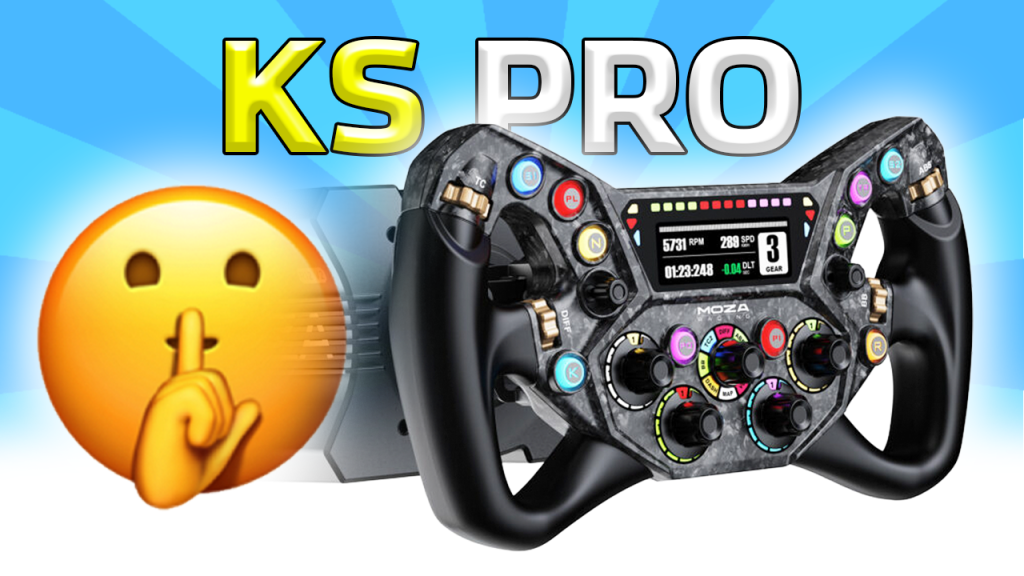
Moza has officially released its newest formula-style steering wheel, the KS Pro, priced at $330. On paper, it looks like a feature-packed mid-range option designed to sit comfortably between entry-level formula wheels and higher-end flagship offerings.
Most people have already talked about the price and the feature count. Instead, here are five details about the KS Pro that are easy to overlook but worth paying attention to.
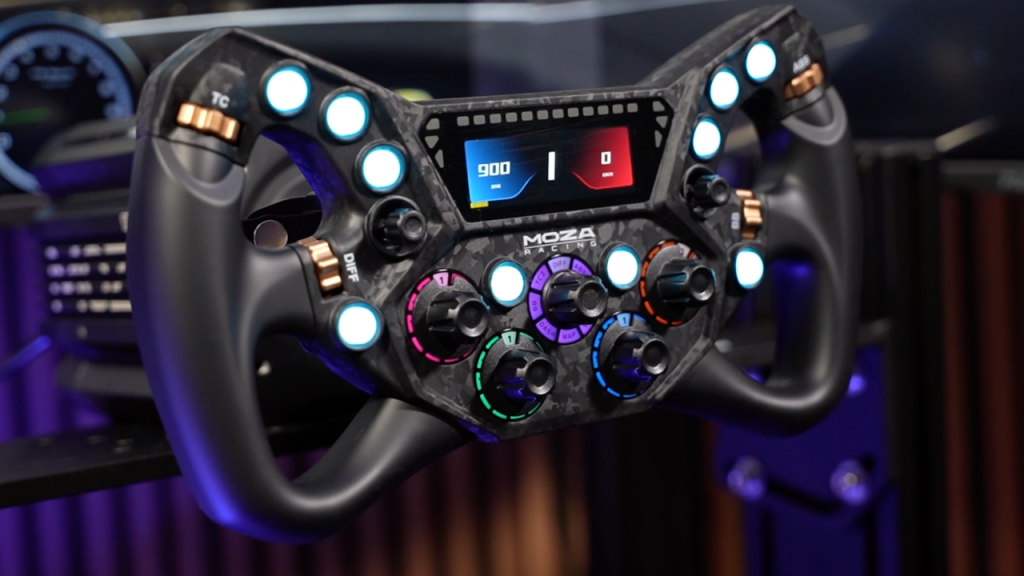
Backlit buttons are not unusual in 2026, but the KS Pro goes further than many wheels in this price bracket. Almost every primary input on the face of the wheel is illuminated, including the rotary encoders, which feature subtle lighting effects.
The lighting is not just decorative. It improves visibility in darker rooms and gives the wheel a more modern, polished appearance. At $330, that level of visual refinement is notable.
Price history
CA$459.00~$322.76at Full Push CA
Across shops
$321.57 – $397.41
Readings
83
Retailers
9
Tracking since
26 Feb 2026
Last checked
14 Oct Full Push CA
83 readings so far — not daily.
Tracked daily across every shop we follow+Add to build
2) The “Forged Carbon” Look Is Actually Carbon Reinforced Plastic
Visually, the KS Pro appears to use forged carbon fiber across its housing. In reality, the material is carbon reinforced plastic.
This decision keeps both weight and cost under control while still delivering a convincing aesthetic. At this price point, material choices like this are part of what allow brands to offer strong functionality without pushing into premium territory.
Specifications
Diameter
300 mm
Rim Material
TPE
Buttons
12
Display
Yes
Magnetic Shifters
Yes
Quick Release
D1-Spec
3) The 3-Inch Display Uses Moza’s Own Dash Software
The KS Pro features a 3-inch digital screen that can be customized through Moza’s proprietary dash editing software. It does not rely on SimHub integration.
That is an interesting direction. Many brands default to third-party dash solutions, but Moza has invested in building its own ecosystem here. Whether users prefer that approach will likely depend on future updates and refinement, but the level of effort behind it is clear.
4) There Are Additional Inputs Behind the Wheel
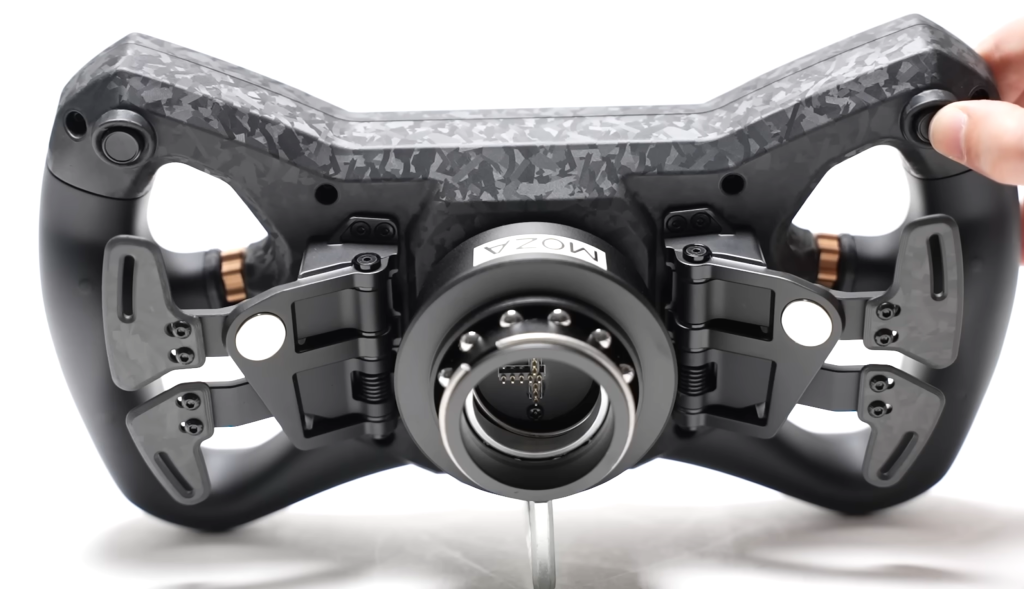
Beyond the already busy front layout, the KS Pro includes two additional inputs positioned behind the wheel. These are placed so they can be reached naturally while maintaining your grip.
Hidden inputs like this often go unnoticed in spec sheets, but they increase flexibility for mapping extra controls without overcrowding the front face. For sim racers who use multiple in-car adjustments, that extra reach can be useful.
5) It Can Be Used With Third-Party Wheelbases
Despite being part of Moza’s ecosystem, the KS Pro can be used with third-party wheelbases when paired with Moza’s Universal Hub Kit.
This opens up compatibility beyond Moza hardware, although it does require additional components. Still, the fact that the option exists makes the wheel more flexible than many might initially assume.
KS Pro on a third-party base – what it actually costs
The Moza KS Pro is positioned as an aggressive mid-range formula wheel with a strong balance between price and functionality. From its lighting implementation to its screen integration and expanded compatibility, there are more layers here than first impressions might suggest.
If you want a deeper breakdown of how it performs on track and how it compares to other formula wheels in this segment, I have a full review article covering that in detail. This piece simply highlights a few aspects that are easy to miss when scrolling through the specs.
Simagic is finally preparing to reveal its long-awaited Active Pedal during its global product launch on October 14, nearly two years after the first prototype appeared.
Race Sim Studio has released the Formula Hybrid 2026 for Assetto Corsa, bringing active aerodynamics, a new 350 kW hybrid system, adaptive ERS deployment, and an extensive suite of racing…
Kunos Simulazioni has shared a detailed look at the future of Assetto Corsa EVO, outlining changes to the game's development direction and revealing more information about its long-awaited Free Roam…
Conspit CHS · $369 Conspit sent this product to me for review. Conspit has entered the shifter market with the CHS, a dual-mode shifter that combines a 7-gear H-pattern with…
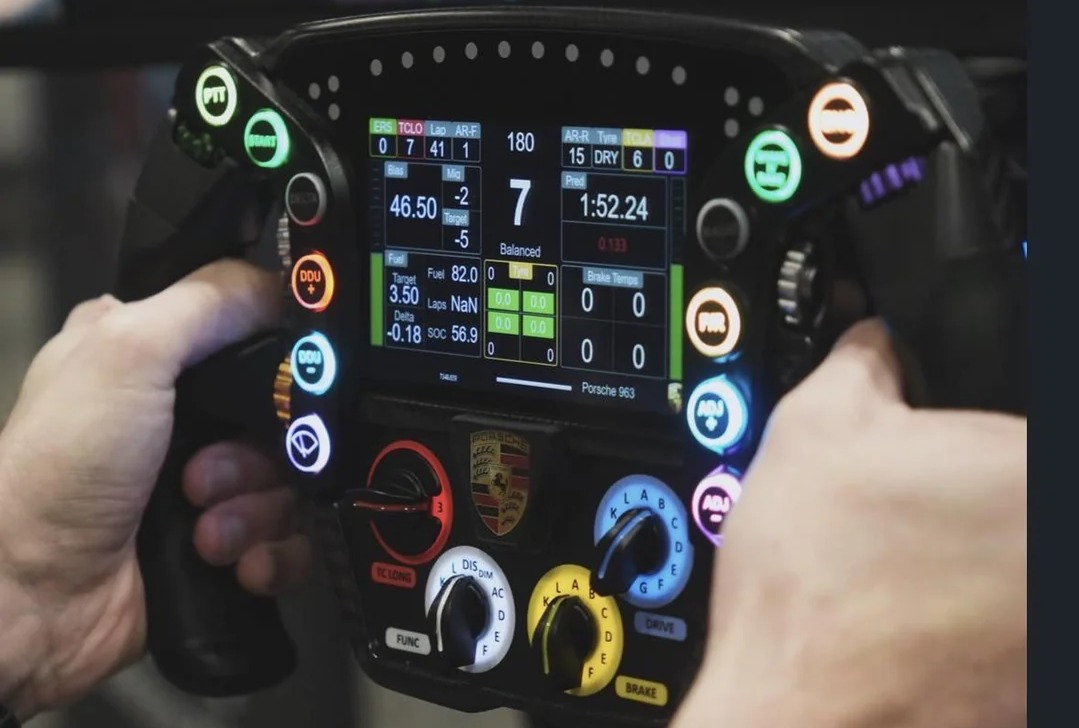
After making its public debut in Chicago, Sim-Lab is bringing its upcoming Porsche 963 replica steering wheel to SimRacing Expo Frankfurt for another major showcase.
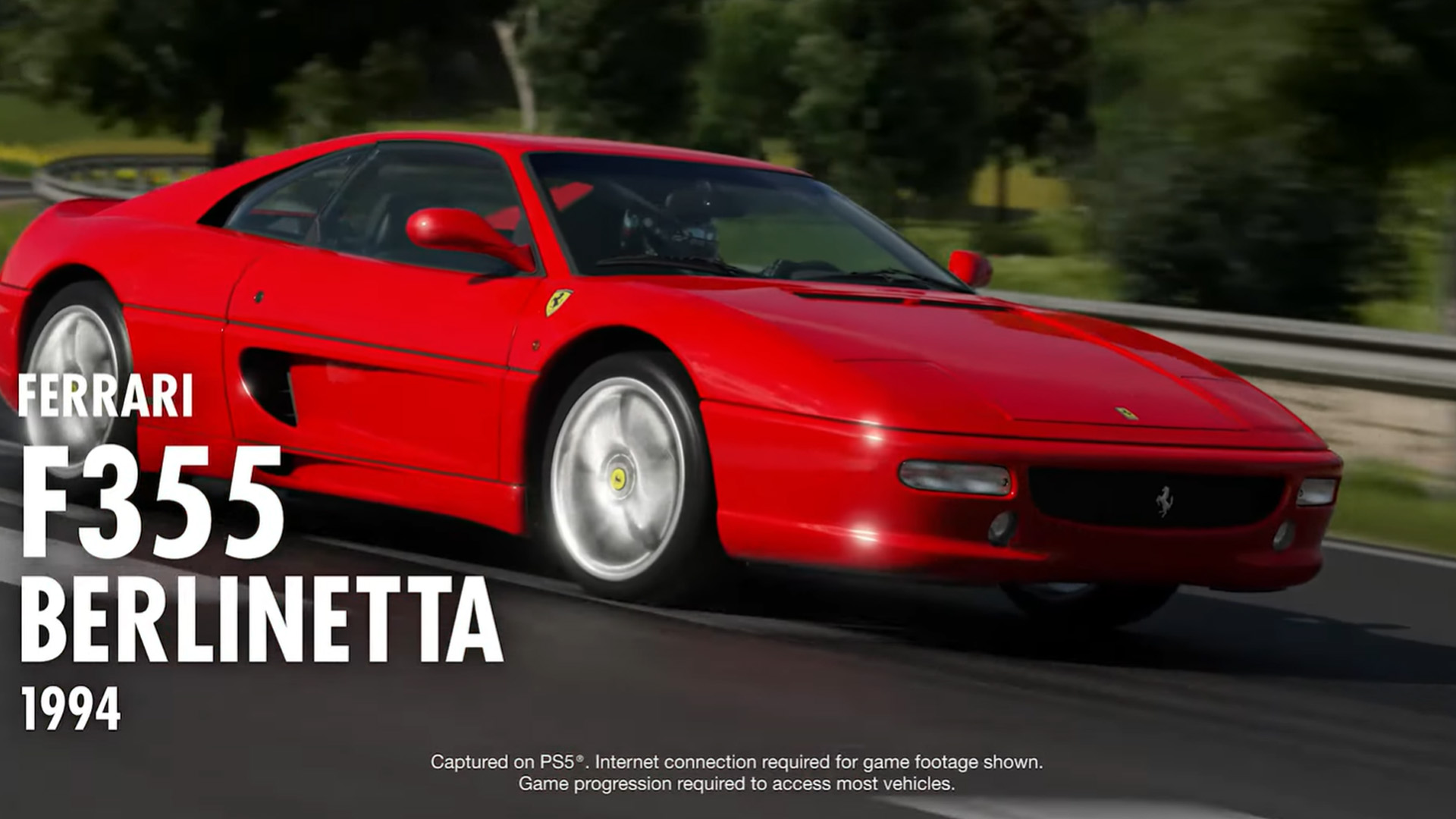
Gran Turismo 7 Spec IV Part 1 arrives October 15 with Sportsland SUGO, six new cars including the Ferrari F355, new Brand Central challenges, Car Concierge, Car Viewer and more.
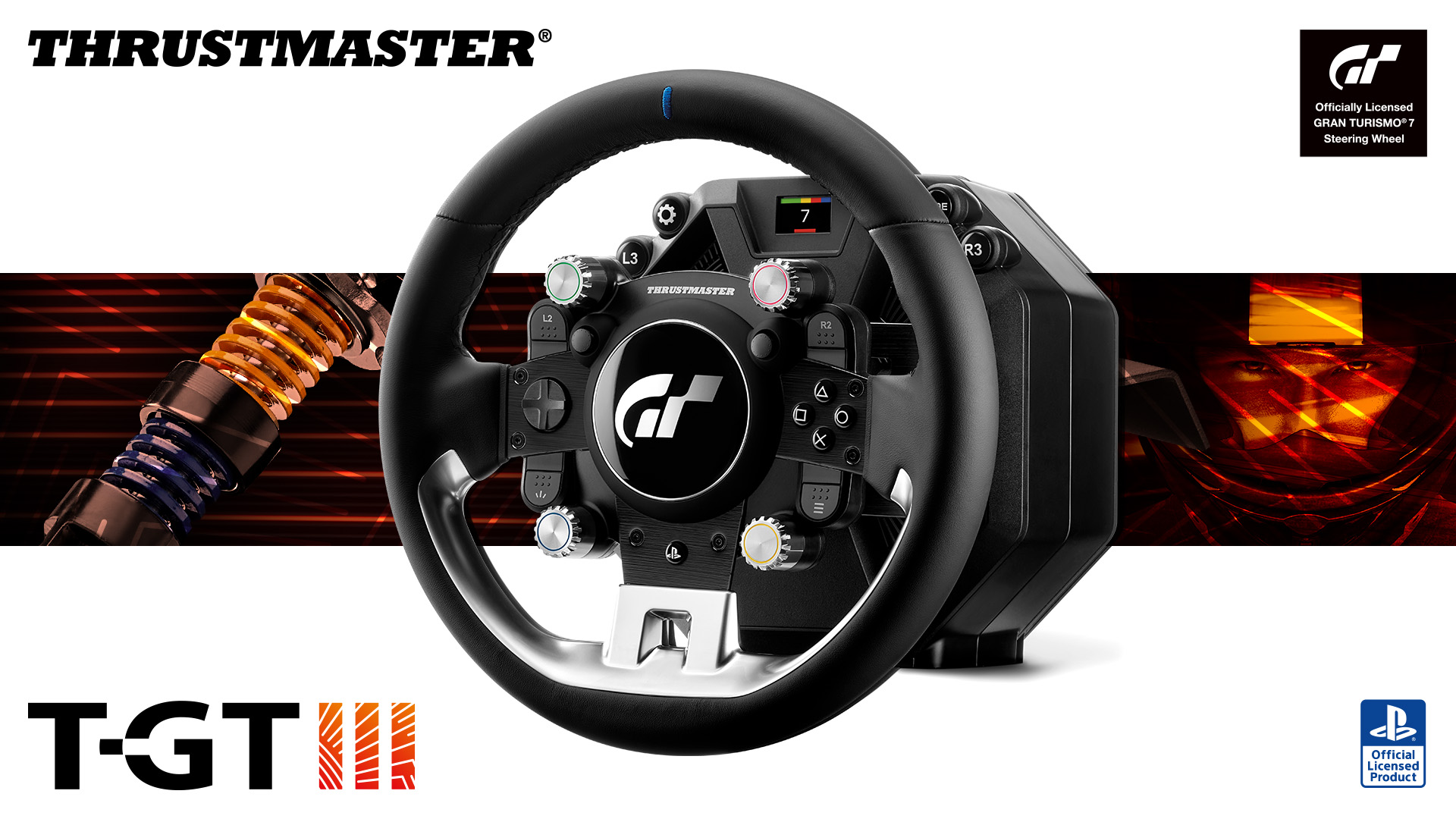
The new Thrustmaster T-GT III brings Direct Axial Drive, 5 Nm of constant torque, load cell pedals, and dedicated Gran Turismo 7 haptics to PS5 and PS4.
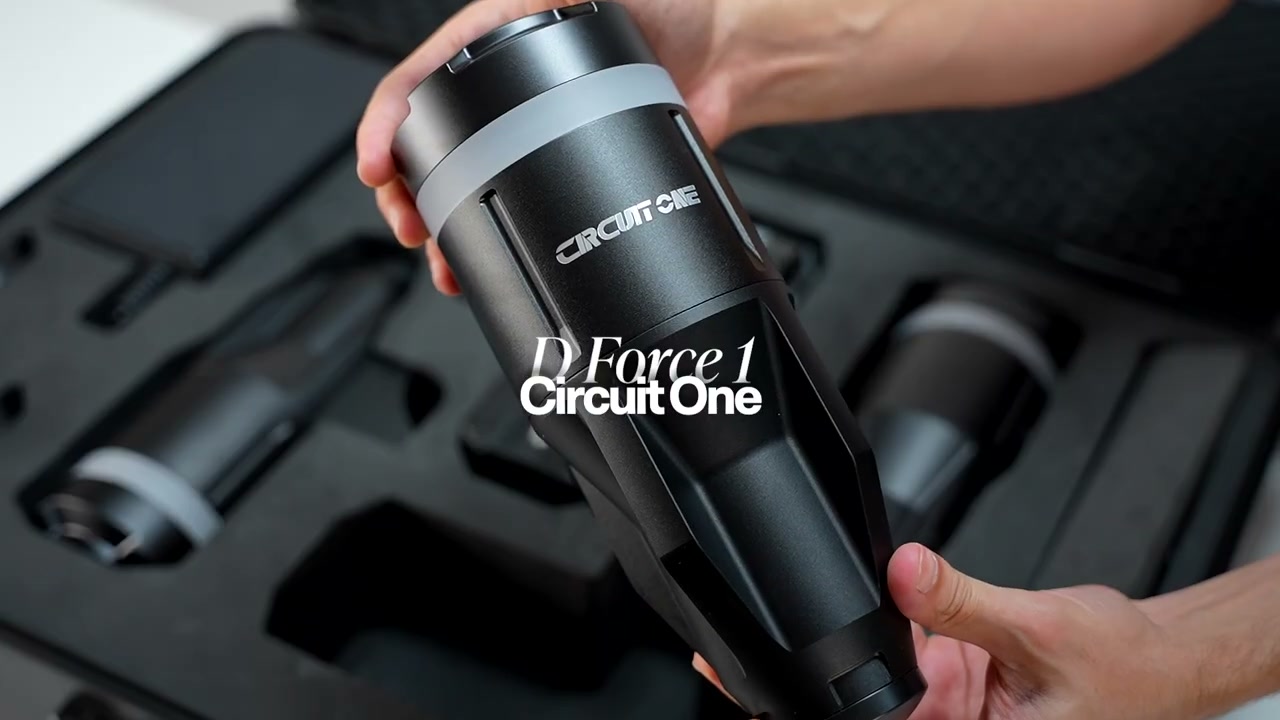
The Circuit One D Force 1 packs four motion actuators into a suitcase, installs in about 10 minutes, and trades big travel for detail you can actually use.