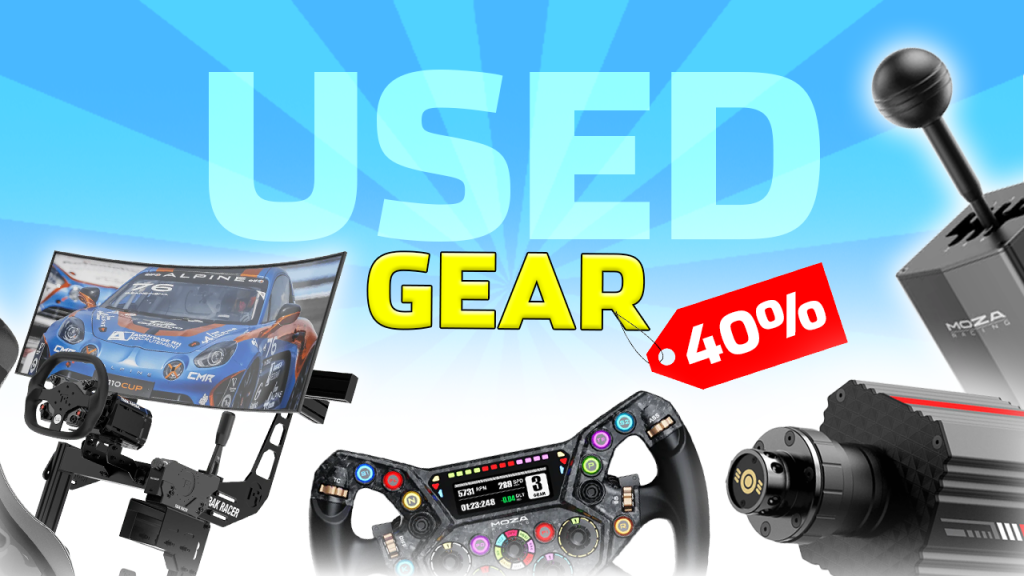
A question I get a lot is what the best way is to buy used sim racing gear, so here is a proper quick guide. If you are shopping in 2026, the used market is still one of the best ways to save serious money on wheel bases, pedals, cockpits, shifters, handbrakes, monitors, and more. You can easily save hundreds, and in some cases even thousands, compared to buying everything brand new.
Now, before getting into it, this advice mainly applies to the United States. The same general principles can still carry over elsewhere, but the platforms, pricing, shipping expectations, and meetup habits can vary depending on where you live. In the U.S. though, the process is pretty straightforward if you know what to look for and what to avoid.
In 2026, the two best places to buy used sim racing gear are still Facebook Marketplace and specialty sim racing buy and sell Facebook groups. That is where the volume is, that is where the best deals tend to show up first, and that is where you will usually find the widest mix of entry-level, mid-range, and high-end gear. Marketplace is especially useful if you want something local, while the dedicated groups are often better if you are hunting for specific brands or more enthusiast-level equipment.
The reason these places still matter so much is simple. Sim racers tend to upgrade often, switch ecosystems, or part out complete rigs, so good gear is constantly rotating through those platforms. If you are patient and check regularly, there is a very good chance you will find a much better value there than on traditional retail sites. A lot of the best listings also go fast, so it helps to know what you are looking for before you start scrolling.
The Biggest Rule Is Avoiding Scams
The biggest rule when buying used gear is avoiding scams, because that is where people get burned. If you can, meet up in person, ideally in a safe public place. That immediately removes a huge amount of risk. You get to inspect the product, confirm it is real, make sure the condition matches the listing, and avoid the whole mess of sending money first and hoping the seller is legitimate.
If shipping is involved, be much more careful. Use a payment method that actually gives you buyer protection, such as PayPal Goods and Services, and avoid sellers pushing you toward gift payments, bank transfers, crypto, Zelle, Venmo friends and family, or anything similar with little to no recourse. Also avoid anything that feels too good to be true, overly rushed, or strangely emotional. When someone is pressuring you hard, trying to get immediate payment, or making the deal feel chaotic, that is usually a bad sign. Most of the time, your gut feeling is right.
What to Ask for Before You Pay
Before committing to anything, ask for proof that the gear actually works. At minimum, I would want a quick video showing the item powered on and functioning, especially for wheel bases, pedals with load cells, button-heavy steering wheels, shifters, and anything else with electronics. It does not need to be some elaborate demo, but you do want to see that it powers on, connects, calibrates if relevant, and does not appear dead or obviously faulty.
Along with that, ask for close-up photos of connectors, serial labels, mounting points, quick releases, pedal faces, cable ends, and any cosmetic damage. This part matters more than people think. A seller can say something is in “great condition,” but a close-up may show stripped bolts, cracked plastic, bent connectors, frayed cables, rust, or signs that it has been heavily used and poorly treated. The more expensive the item is, the more thorough you should be. A few extra messages can save you from a very annoying mistake.
How to Shop Smarter on Marketplace
Facebook Marketplace gets much easier to use once you stop browsing randomly and actually use the filters. Set your price range, set a realistic distance radius, and search by exact product names when possible. If you are looking for something like a Fanatec wheel base, Simagic pedals, a cockpit, or a handbrake, typing the exact model will cut through a lot of noise. It also helps to save searches and check back often, because good listings can disappear quickly.
You should also compare asking prices to recent sale trends in your head before jumping on something. A listing being cheaper than retail does not automatically mean it is a great deal. Some sellers price used gear way too high, especially if the item is from a popular brand or if they are trying to recover most of what they paid. Others actually want it gone and leave room to negotiate. The used market rewards patience. You do not need to buy the first decent listing you see.
Always Negotiate, But Be Normal About It
One thing people often forget is that most used listings have wiggle room. Not all of them, but a lot of them. So yes, negotiate. Just do it in a normal way. If a seller has something listed for $450, sending a ridiculous lowball like $250 usually gets you nowhere. But a respectful offer with a simple reason behind it, especially if you can pick up quickly, often works. In the used market, being polite and easy to deal with goes a long way.
You should also pay attention to the seller themselves, not just the item. Do they seem normal, responsive, and helpful? Do they answer questions clearly? Do they know what they are selling? Or do they feel oddly distant, evasive, and weirdly inconsistent? That stuff matters. A trustworthy seller does not need to be perfect, but they should feel real. If the whole interaction feels off, walk away. Another listing will come along.
Final Thoughts
Ultimately, buying used sim racing gear in 2026 is still one of the smartest ways to build a setup on a budget or stretch your money further into better equipment. You can get into stronger wheel bases, load cell pedals, sturdier cockpits, or higher-end accessories for much less than retail if you shop carefully. That is a huge advantage, especially in a hobby where upgrade costs can add up fast.
Just make sure you stay disciplined. Use Facebook Marketplace and dedicated sim racing groups, prioritize in-person deals when possible, use protected payment methods if shipping is involved, ask for proof that the gear works, inspect photos carefully, negotiate when it makes sense, and trust your instincts if a seller seems off. Done right, the used market can be excellent. Done carelessly, it can become expensive very quickly.
Simagic is finally preparing to reveal its long-awaited Active Pedal during its global product launch on October 14, nearly two years after the first prototype appeared.
Race Sim Studio has released the Formula Hybrid 2026 for Assetto Corsa, bringing active aerodynamics, a new 350 kW hybrid system, adaptive ERS deployment, and an extensive suite of racing…
Kunos Simulazioni has shared a detailed look at the future of Assetto Corsa EVO, outlining changes to the game's development direction and revealing more information about its long-awaited Free Roam…
Conspit CHS · $369 Conspit sent this product to me for review. Conspit has entered the shifter market with the CHS, a dual-mode shifter that combines a 7-gear H-pattern with…
After making its public debut in Chicago, Sim-Lab is bringing its upcoming Porsche 963 replica steering wheel to SimRacing Expo Frankfurt for another major showcase.
Gran Turismo 7 Spec IV Part 1 arrives October 15 with Sportsland SUGO, six new cars including the Ferrari F355, new Brand Central challenges, Car Concierge, Car Viewer and more.
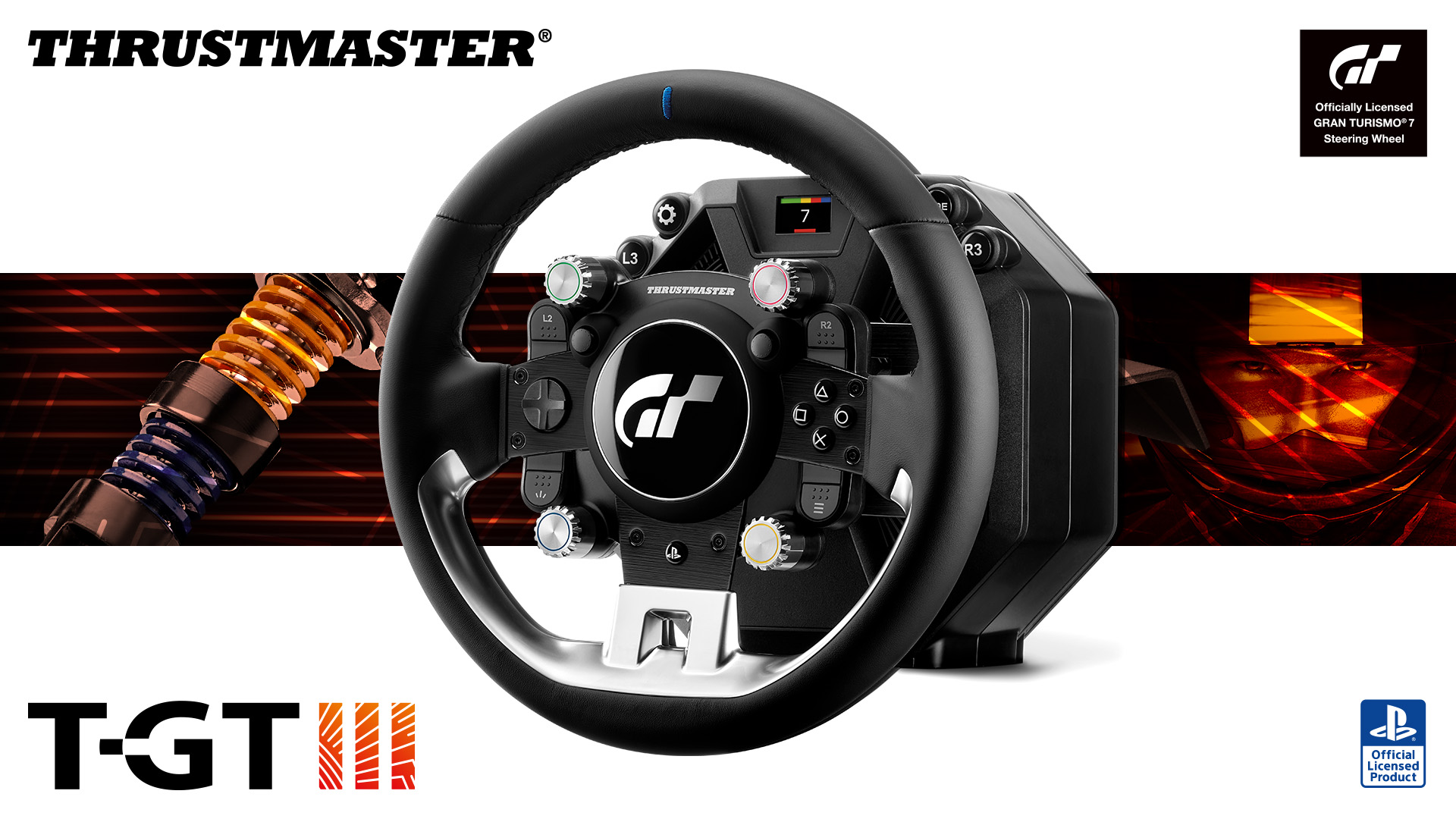
The new Thrustmaster T-GT III brings Direct Axial Drive, 5 Nm of constant torque, load cell pedals, and dedicated Gran Turismo 7 haptics to PS5 and PS4.
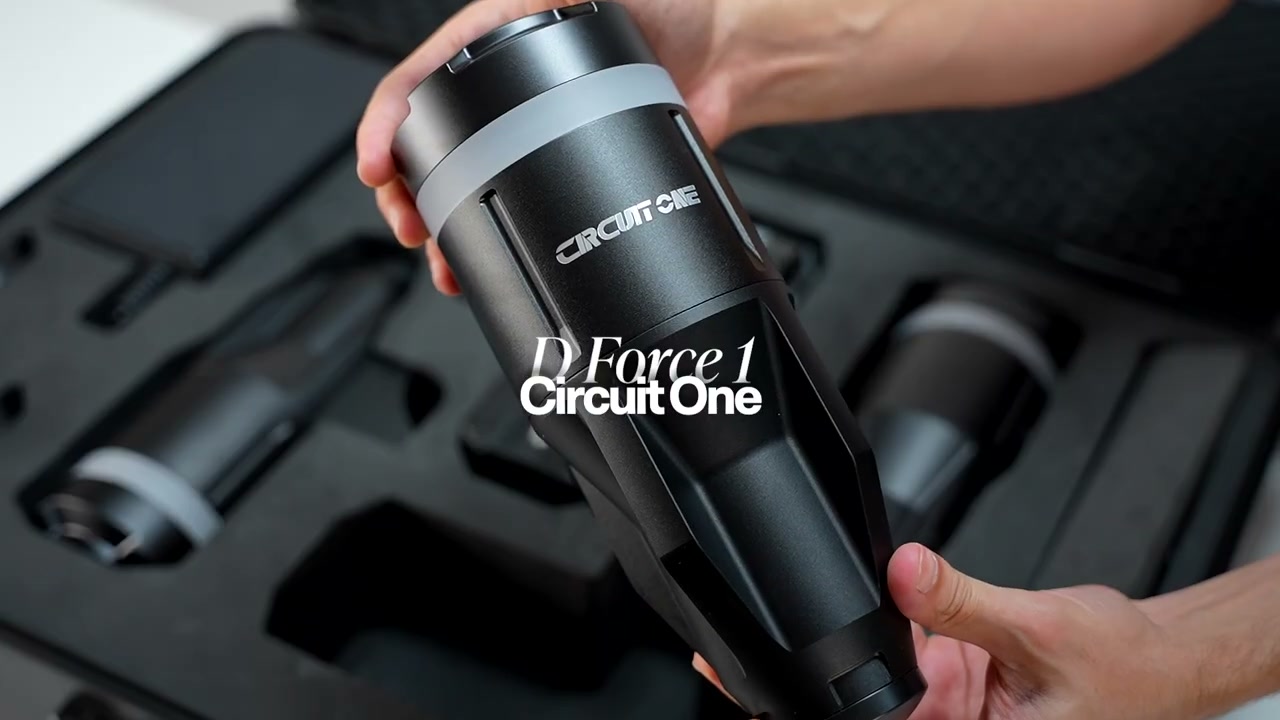
The Circuit One D Force 1 packs four motion actuators into a suitcase, installs in about 10 minutes, and trades big travel for detail you can actually use.