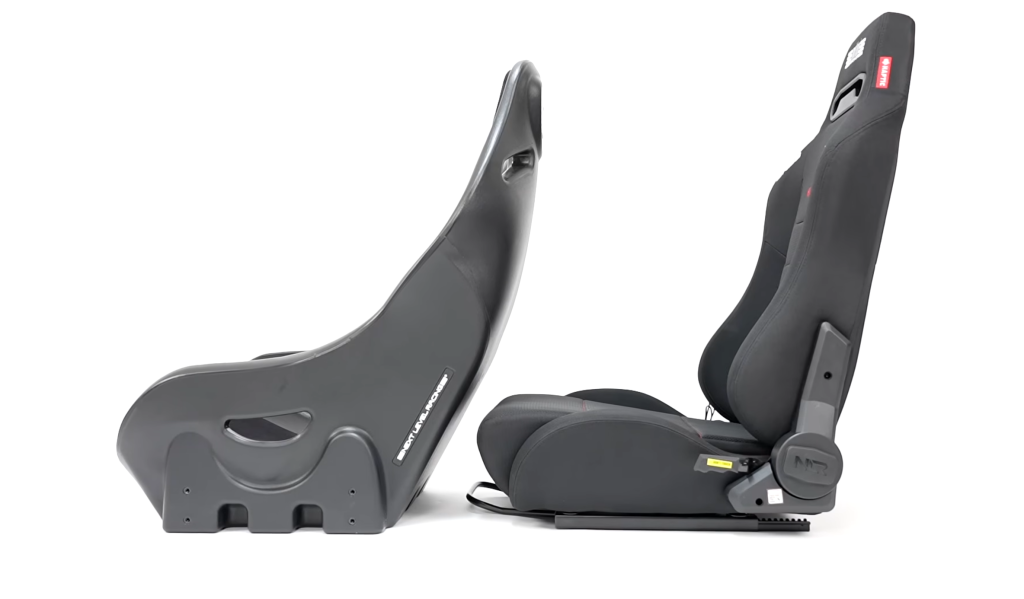
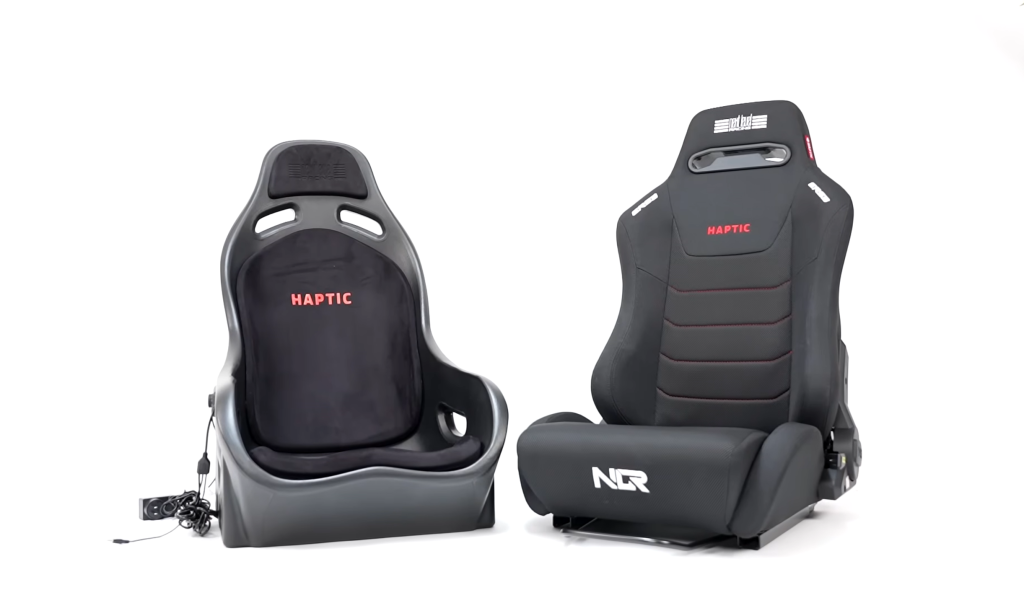
These are the brand new Next Level Racing ESR3 and ES1 haptic seats. Together, they are part of the company’s newest range of tactile sim racing products, and they are genuinely some of the most interesting releases I have seen in a long time.
After using both of them for some time, there is a lot to like here. At the same time, there is also one major catch that will make or break these for a lot of people. So today, I will go over everything that I do and do not like, and whether either of these seats actually makes sense for your setup.
Affiliate disclosure Get 5% off your order at NLR using code “OCRACING” at checkout
SETUP: ESR3 bottom mount with sliders; ES1 standard brackets; single USB on PCEFFECTS TESTED: Gear shifts, curbs, wheel slip and road textureTUNING: SimHub or NLR software; telemetry on PC, audio on consoleCOMPARED AGAINST: Buttkicker and bass shaker setups
The takeaway: About 85 percent of the bass shaker experience for a fraction of the setup effort.
First Impressions and Concept
Right away, what makes these seats exciting is what they are trying to replace. For years, if you wanted proper tactile feedback in sim racing, your main option was something like a Buttkicker or a bass shaker setup. Those solutions work well, but they also come with a lot of friction. You need to mount them somewhere, run cables, configure SimHub, deal with control boxes, and spend time dialing everything in. It works, but it is not exactly plug and play.
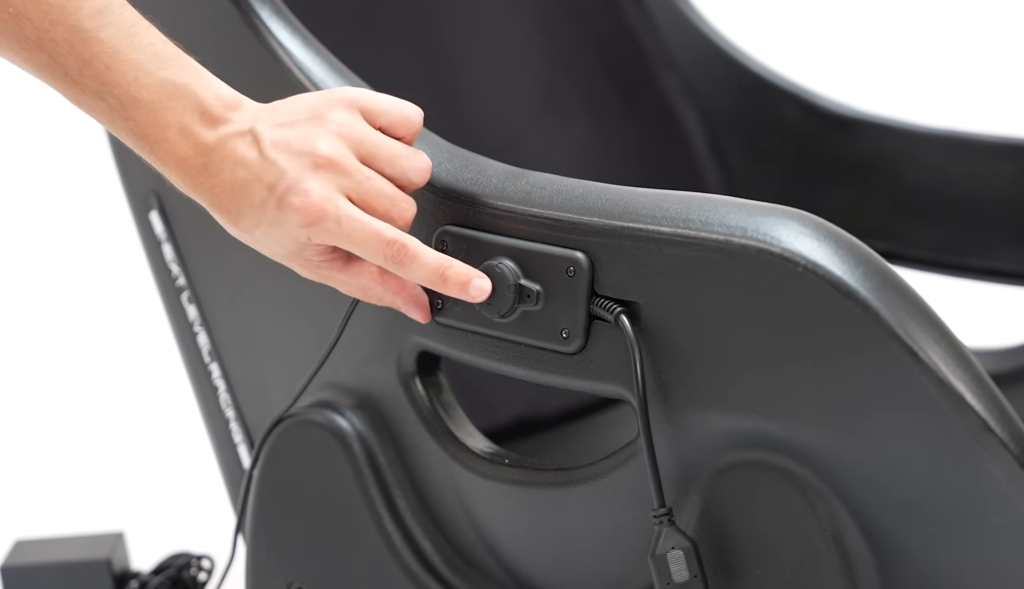
This is where the ESR3 and ES1 immediately stand out. You plug in a USB cable, connect the power supply, install the Next Level Racing software, and you are essentially ready to go. It is one of the cleanest and easiest haptic solutions I have used.
Compatibility and Setup
From a mounting perspective, both seats are easy to integrate into most setups. The ESR3 is a bottom mounted recline seat with included sliders, while the ES1 uses a more traditional bucket seat design that works with standard brackets. On PC, everything runs through a single USB connection. On console, there is also a 3.5 mm audio input that allows the seats to translate game audio into vibration. That said, there is a clear limitation here. On PC, you can use telemetry based effects through SimHub or Next Level Racing’s own software. On console, you are limited to audio driven feedback, which is less precise and less detailed. It still works, but it is not the same experience.
ESR3 vs ES1 Differences
The differences between these two seats go far beyond just looks. They feel different, mount differently, and even perform slightly differently when it comes to the haptics.
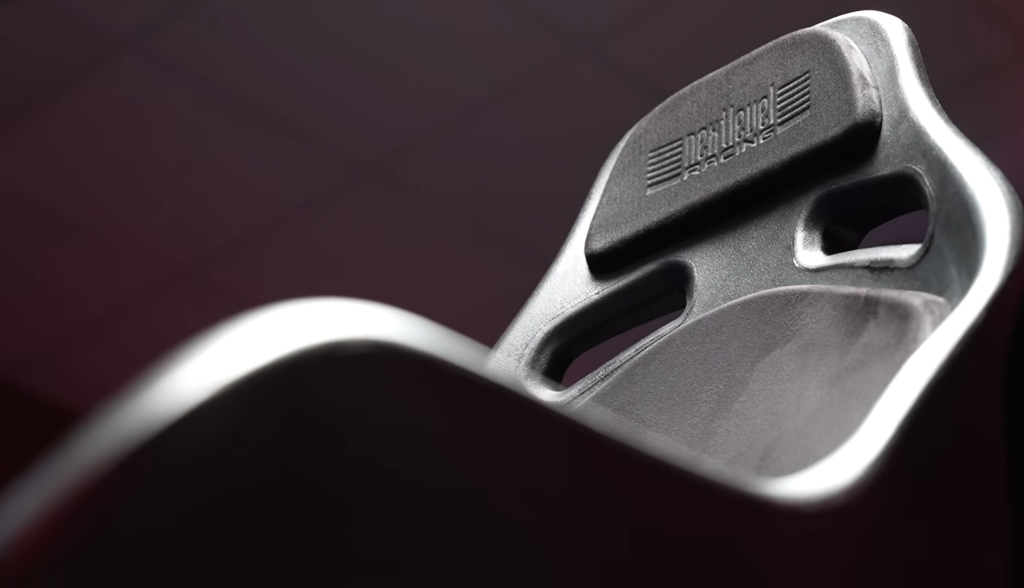
The ESR3 is an open recline seat with softer padding and more breathable materials. It is easier to get in and out of, and it stays cooler during long sessions. The ES1, on the other hand, is a more aggressive bucket seat with a rigid shell and molded padding. That rigid structure actually makes a noticeable difference. With identical settings, the ES1 feels slightly more punchy and defined. The vibrations feel tighter and more direct, likely because the hard shell transfers energy more efficiently into your body.
Haptic Performance on Track
In terms of actual performance, both seats are genuinely impressive. Each one features eight internal rumble motors placed throughout the seat, designed to deliver localized feedback. What stood out to me the most is how fast they react. Whether it was a gear shift, curb, wheel slip, or road texture, the feedback came through instantly. I never noticed any meaningful delay, which is critical for something like this to feel believable.
The level of detail is also better than expected. Instead of everything blending into one generic vibration, you can actually distinguish between different effects depending on how you configure them. That alone makes a big difference in immersion. One of my favorite effects was gear shifts. Turning that up created a sharp, mechanical hit every time I shifted, which added a lot to the overall sense of speed and engagement.
The localized feedback is also worth mentioning. If you hit a curb on the left side, you feel it on the left side of your body. It is a cool sensation and adds to the realism, even if it does not necessarily make you faster.
Comfort and Daily Use
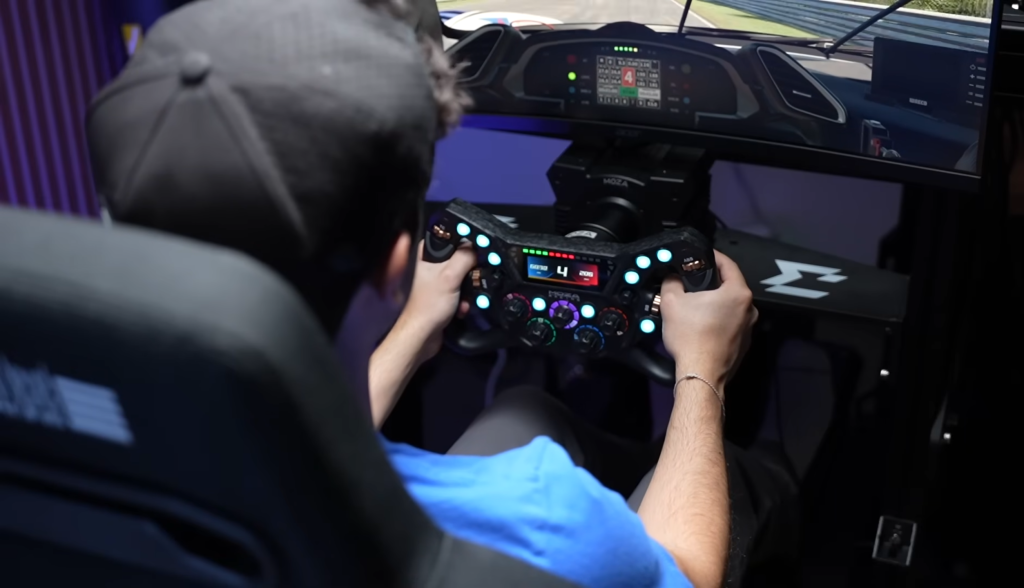
Comfort is another area where these seats take slightly different approaches. The ES1, despite being more enclosed, was actually the one I preferred over longer sessions. It holds you in place better and feels more natural when driving. The downside is that it can get warmer over time due to the more closed design.
The ESR3, on the other hand, is more breathable and easier to live with day to day. It is simpler to get in and out of, but I did find myself wanting more lower back support. At this price, a lumbar pillow should really be included.
How It Compares to a Bass Shaker
This is where things get interesting. Compared to something like a Buttkicker, these seats are far more convenient and easier to set up. However, in terms of raw power, a dedicated bass shaker still has the edge. It simply hits harder and delivers more aggressive feedback at full strength. That said, these seats feel more refined. The integration is cleaner, the response is fast, and the overall experience is more polished. It feels like a complete system rather than a collection of separate parts.
The Biggest Drawback: Price
The ESR3 comes in at $500, while the ES1 sits at $650. That immediately places both of these in a premium category, and it is something that cannot be ignored. At this price, a lot of people will simply be better off with a standalone bass shaker setup. You can achieve strong tactile feedback for significantly less money if that is your only goal.
At the same time, you are not just buying haptics here. You are also buying a full sim racing seat. When you factor that in, the value becomes a bit more understandable, even if it is still expensive.
Final Thoughts
So where do these seats land? The answer is fairly simple. They are not for everyone, and they are definitely not a necessity. For a lot of people, especially those on a budget, a bass shaker will make more sense. It is cheaper, more powerful, and gets you most of the way there in terms of tactile feedback.
However, these seats have very real advantages. The ease of use is excellent. The integration is clean. The response is fast. The effects are detailed. And the overall experience feels far more plug and play than most alternatives. I do wish they were cheaper. If these came in at a lower price point, they would be much easier to recommend to a wider audience. Especially the ES1, which at $650 is a stretch.
That said, there is clearly a target market here. For higher end sim racing enthusiasts who want a cleaner, more integrated, and more premium solution, these make a lot of sense. They deliver around 85 percent of the experience of a bass shaker with a fraction of the effort. And for the right buyer, that tradeoff is absolutely worth it.
Overall, these are genuinely cool and well thought out products. They just come at a price that limits who they are really for.
Worth knowing: On console you only get audio-driven feedback, which is less precise than PC telemetry.
FINAL VERDICT
Recommendation: Worth it for high-end buyers who want clean plug-and-play haptics. Not a necessity for everyone.
Ideal buyer: Higher end sim racers wanting a cleaner, integrated premium solution.
Major drawback: Price. ESR3 at $500 and ES1 at $650 limit the audience.
Bottom Line: Cool, polished and fast, with about 85 percent of the bass shaker experience for far less effort.
Sim racing hardware reviewer and creator. Every review on this site is hands-on tested across direct-drive wheelbases, pedals, cockpits, motion systems and accessories before a word is published.
Le Mans Ultimate V1.3: Final ELMS content meets meaningful performance gains - OC Racingsays:
[…] full 44-car ELMS grids. This change directly affects the on-track experience, with denser traffic, more intense race starts, and a stronger endurance racing […]
Kunos Simulazioni has shared a detailed look at the future of Assetto Corsa EVO, outlining changes to the game's development direction and revealing more information about its long-awaited Free Roam…
Conspit CHS · $369 Conspit sent this product to me for review. Conspit has entered the shifter market with the CHS, a dual-mode shifter that combines a 7-gear H-pattern with…
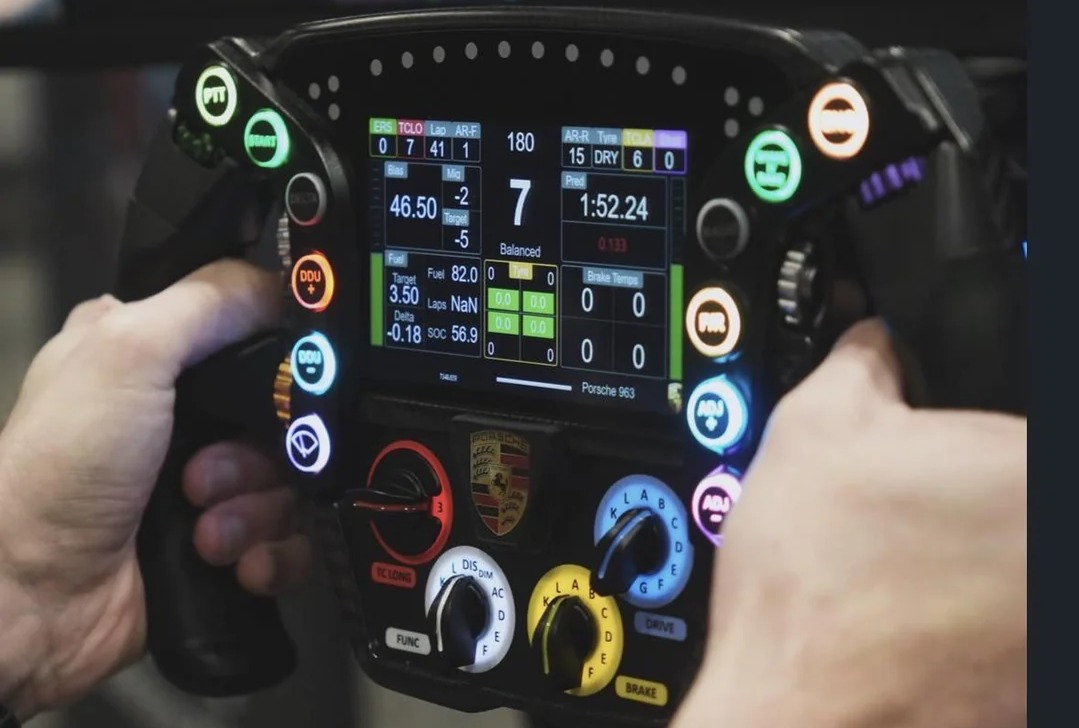
After making its public debut in Chicago, Sim-Lab is bringing its upcoming Porsche 963 replica steering wheel to SimRacing Expo Frankfurt for another major showcase.
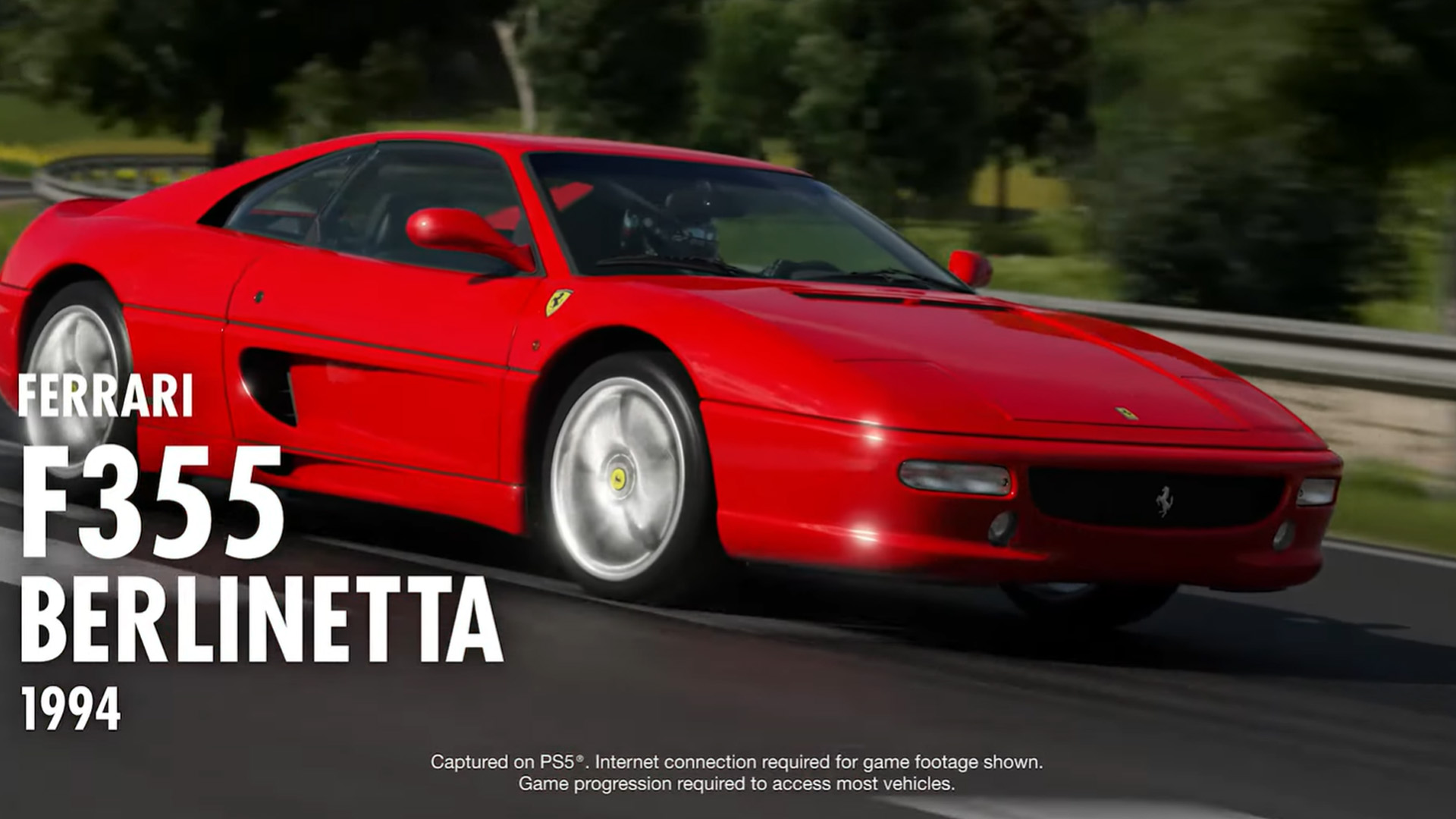
Gran Turismo 7 Spec IV Part 1 arrives October 15 with Sportsland SUGO, six new cars including the Ferrari F355, new Brand Central challenges, Car Concierge, Car Viewer and more.
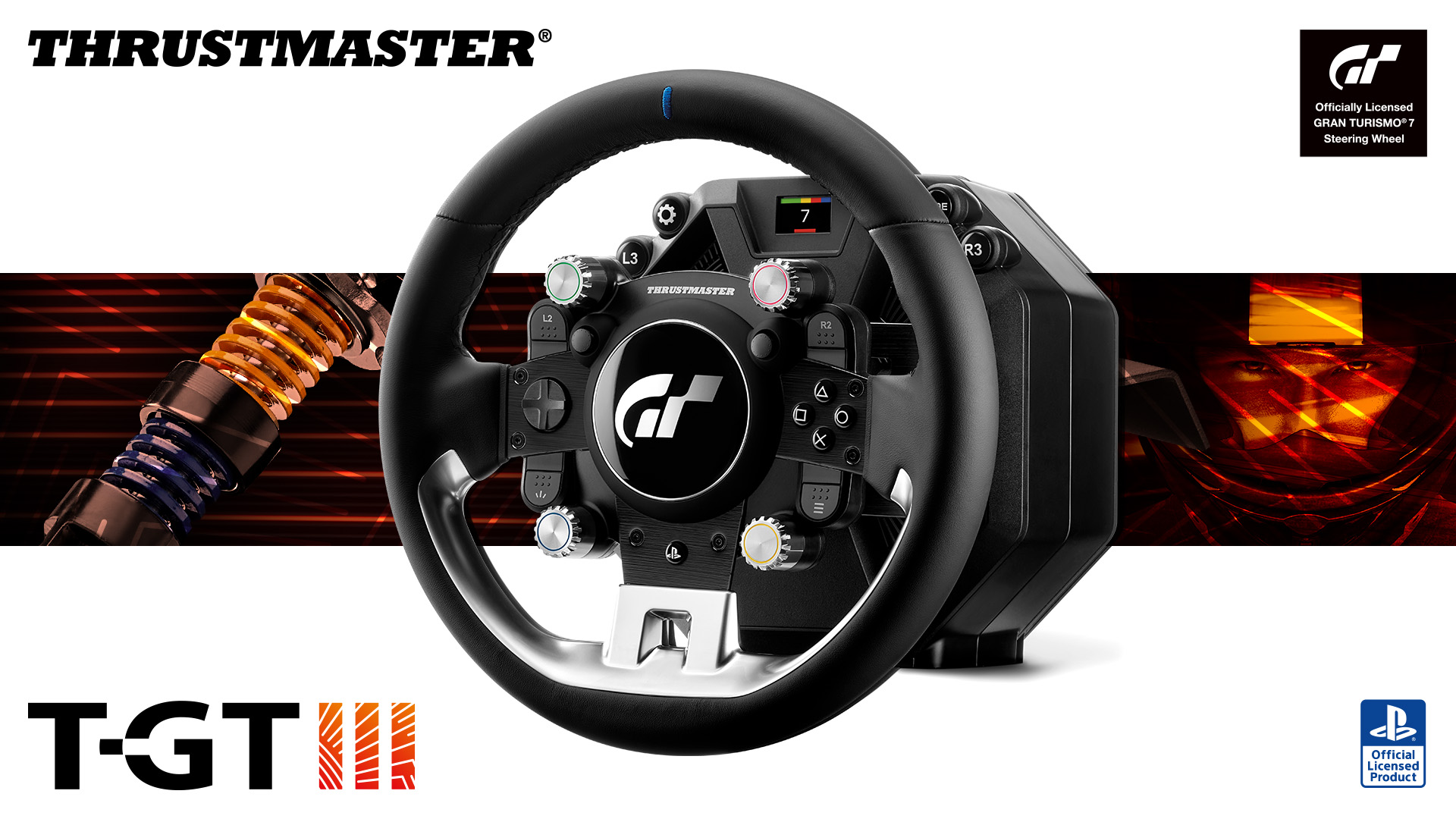
The new Thrustmaster T-GT III brings Direct Axial Drive, 5 Nm of constant torque, load cell pedals, and dedicated Gran Turismo 7 haptics to PS5 and PS4.
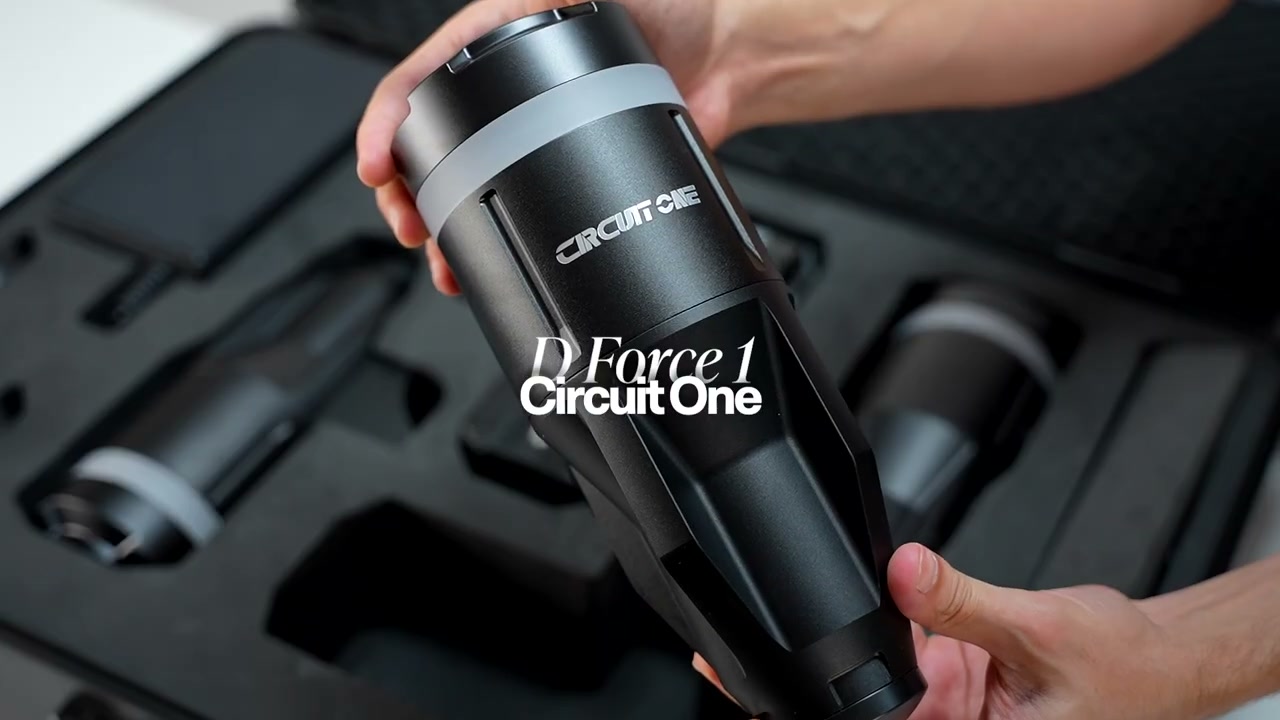
The Circuit One D Force 1 packs four motion actuators into a suitcase, installs in about 10 minutes, and trades big travel for detail you can actually use.
Assetto Corsa EVO Update 0.9 introduced a major overhaul to the game's GT tyre model, changing how cars behave around the limit across a wide range of GT machinery.
Project Motor Racing has received its Version 2.3 update, bringing the Lamborghini Temerario to the simulator alongside a new vehicle class, physics revisions, visual improvements and a series of changes…


Le Mans Ultimate V1.3: Final ELMS content meets meaningful performance gains - OC Racing says:
[…] full 44-car ELMS grids. This change directly affects the on-track experience, with denser traffic, more intense race starts, and a stronger endurance racing […]