Super Touring cars are some of the most interesting race cars Assetto Corsa can offer because they sit in a sweet spot. They’re light, they’re high-revving, they look aggressive without being over-aero’d, and most importantly, they expose driving habits instantly.
The VRC ERC Auriel 4 is VRC’s interpretation of the Audi A4 Super Touring platform, delivered as a factory-spec style mod with period-inspired liveries and the kind of polish VRC is known for. It is also a very different experience from the rear-wheel drive touring cars many sim racers default to, because this one, being front-wheel drive, has a whole nother issue to solve.
The FWD Audi A4 Super Touring mod for Assetto Corsa
VERDICT
It looks great, drives with believable Super Touring character, and delivers a surprisingly quick Assen benchmark time once the front-wheel drive style clicks.
BEST FOR
Super Touring fans who drive with patience
NOT FOR
Drivers who drive it like a rear-wheel drive car
WHAT I LIKE
✓ Believable Super Touring character that rewards patience
✓ Cockpit is the highlight: detailed and believable
✓ Surprisingly quick Assen benchmark of 1:44.265
WHAT I DON’T
✕ Soft tires fall off after roughly three laps of pushing
✕ Some textures are slightly pixelated or less detailed
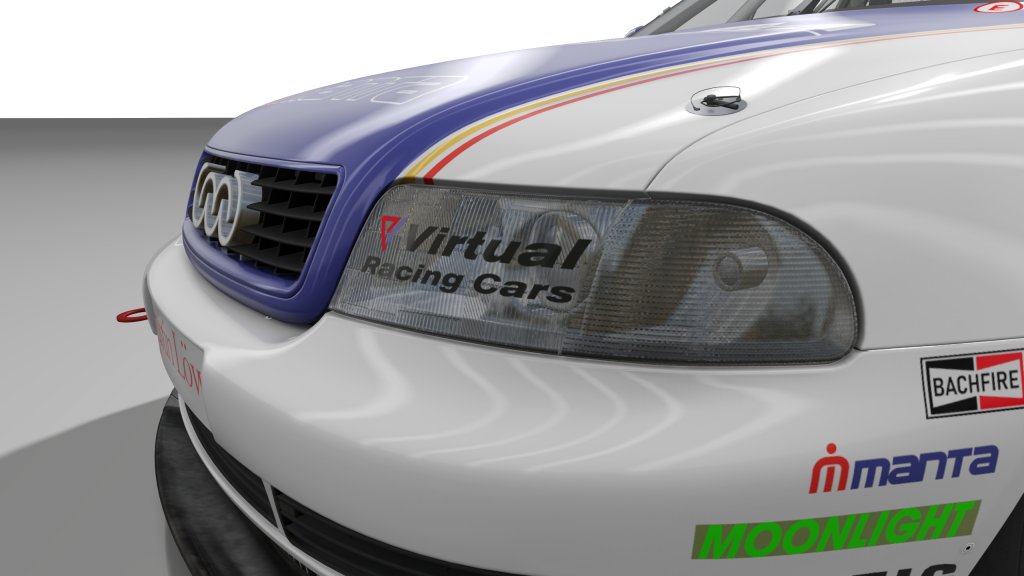
✕ Headlight VRC logo does not read as a period sticker
SETUP: Stock setup (benchmark rules)DURATION: 40 timed laps, fuel for 5 lapsTITLES TESTED: Assetto CorsaTUNING: Highest grip tire, stock setupCOMPARED AGAINST: VRC ERC Beamer 320BENCHMARK: 1:44.265 at TT Circuit AssenREVIEW UNIT: Hands-on tested by OC Racing
The Real Car Behind It
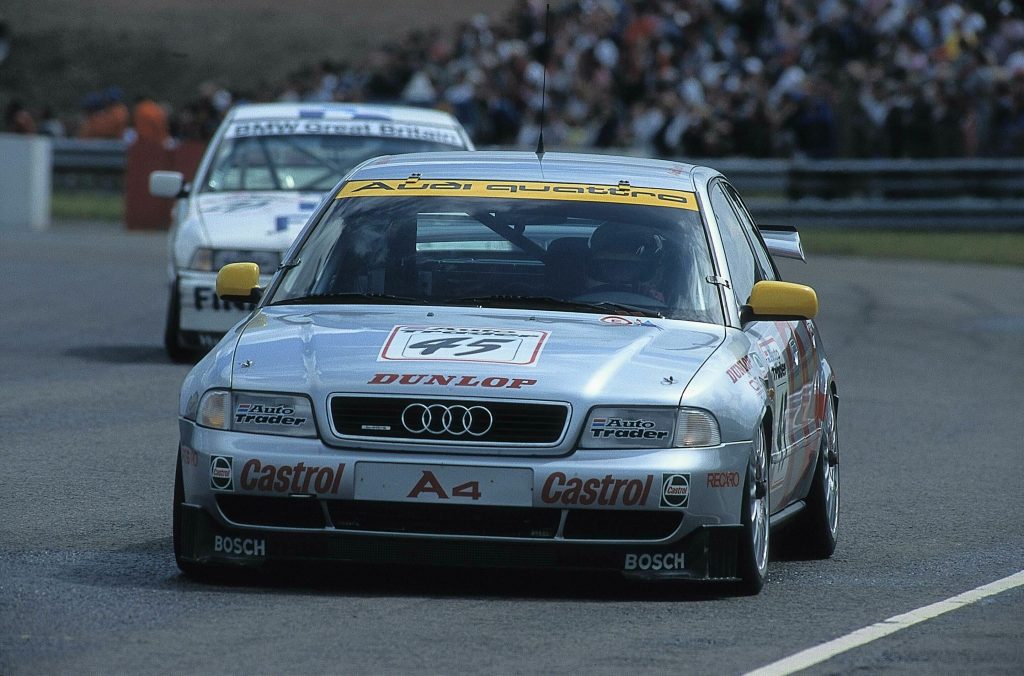
The Audi A4 Super Touring story is tied to one of the most competitive eras of touring car racing. In Germany, STW (Super Tourenwagen Cup) ran through the 1990s and used Super Touring regulations that produced close racing and constant development pressure.
Audi’s A4 entered that landscape as a serious weapon, and the car existed in more than one personality. The early headline was Audi’s quattro AWD approach. This system was a major advantage when introduced, and led the car to some decent success in its early years.
But the rules and the competition evolved. In 1998, the British Touring Car Championship, or BTCC, banned all-wheel drive cars from competing, forcing Audi to make the A4 into a full FWD spec. Although VRC says no specific team or year is replicated, the car being FWD in game indicates that this is one of the later versions of the A4.
Key Specs
VRC provides clear numbers for the Auriel 4, and they fit the Super Touring profile well. The mod is built around a 2.0L naturally aspirated inline-4, making 309 hp at 8,750(!) rpm and 265 Nm at 7,000 rpm, paired with a 6-speed sequential transmission.
Engine: 2.0L naturally aspirated inline-4
Power: 309 hp @ 8,750 rpm
Torque: 265 Nm @ 7,000 rpm
Transmission: 6-speed sequential
Class: late-90s Super Touring style touring car (VRC Tourers ecosystem)
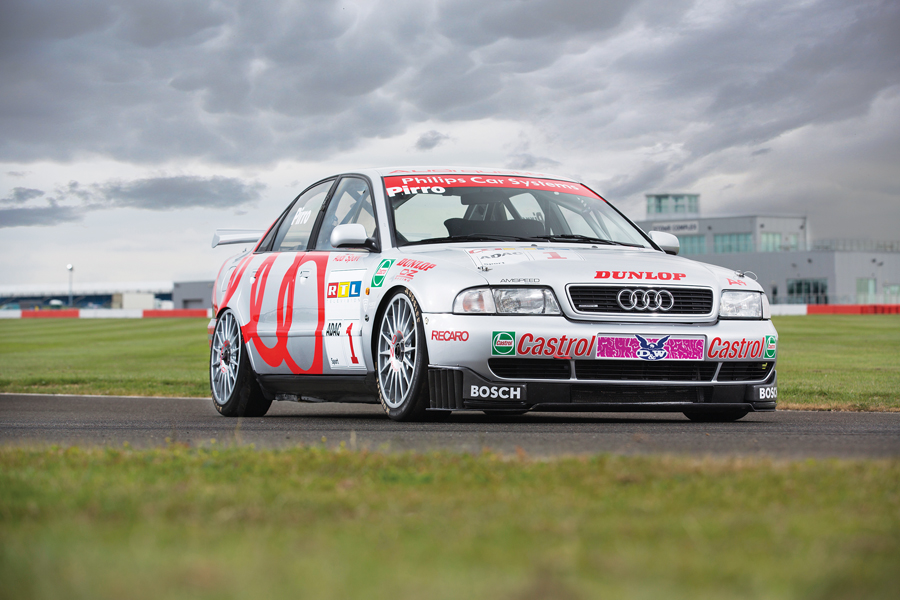
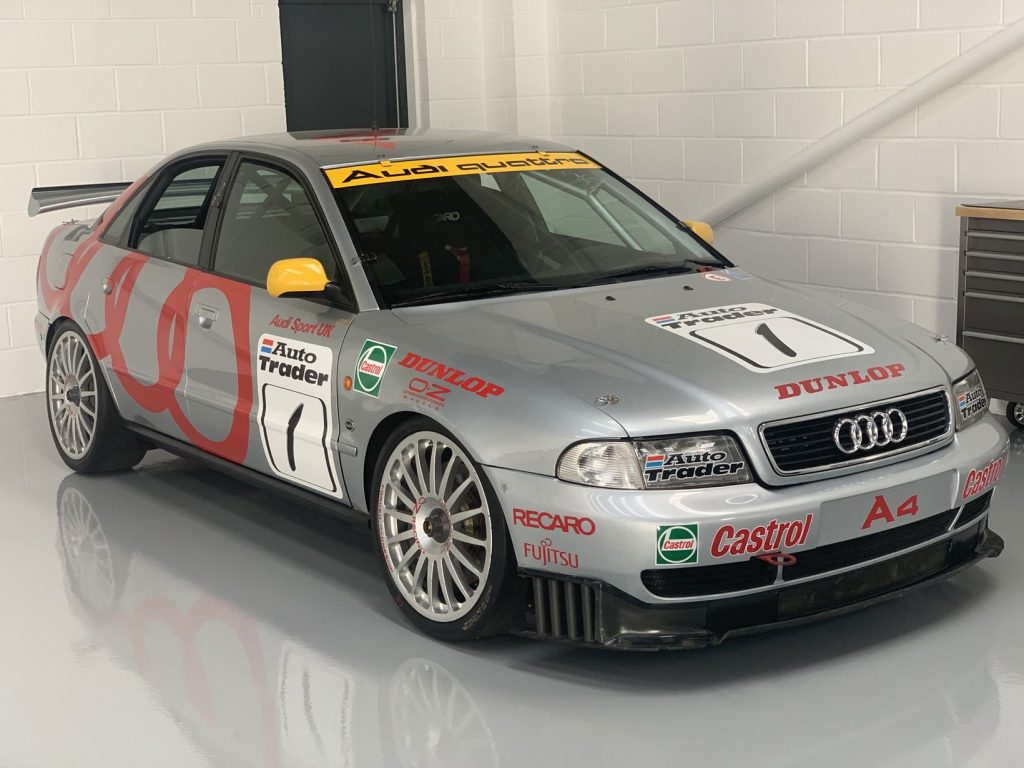
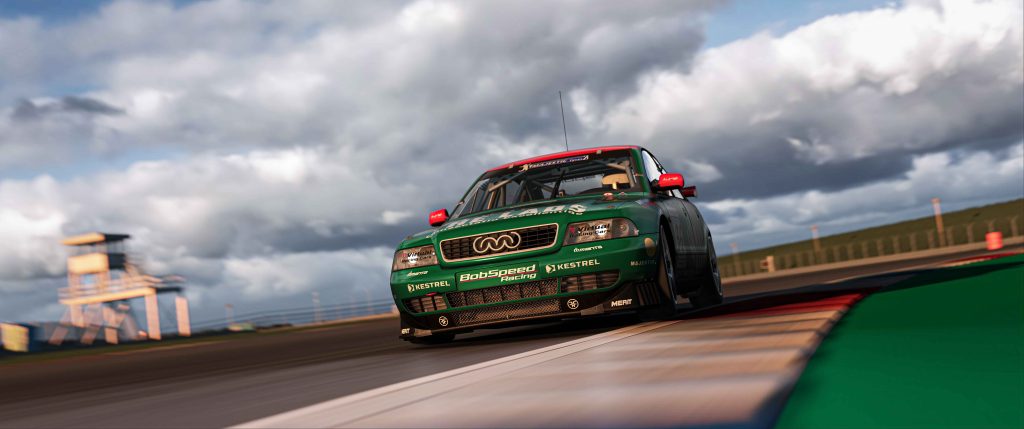
The real A4 Super Touring silhouette that the Auriel 4 represents.
Installation and Requirements
Installation is straightforward, and VRC includes both a CSP-focused version and a non-CSP version for broader compatibility.
Included settings workflow: VRC’s included settings/controls approach is part of how the car is meant to be used (to access the extra features cleanly)
No special folders, no sound swaps, and no common first-launch issues.
Model Quality
This is a strong visual package, with one caveat.
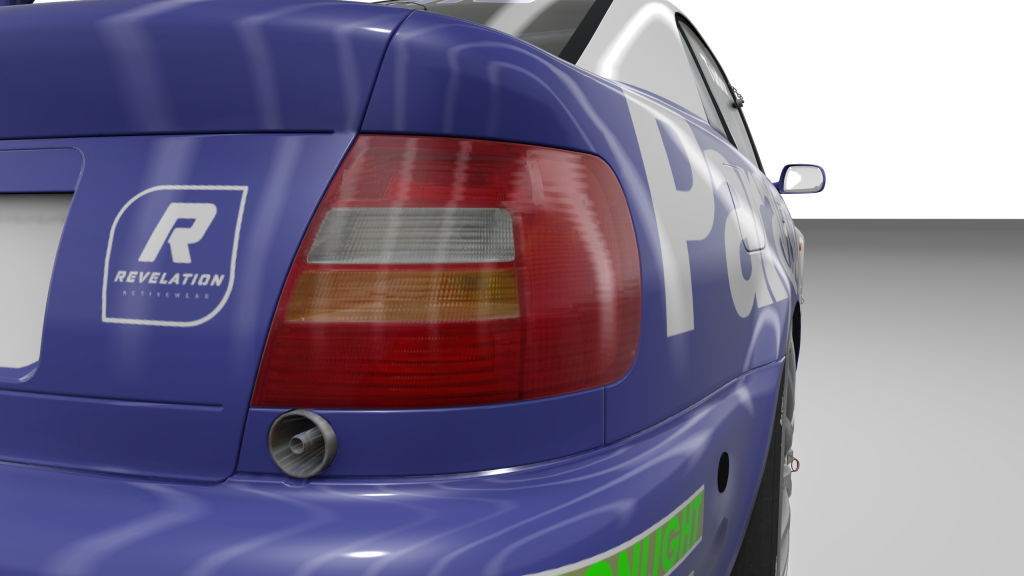
Exterior: the Auriel 4 does a great job representing the real A4 touring silhouette. The aero, lighting, and overall proportions feel right. Some textures are slightly less detailed in areas most people will never stare at, but the car looks excellent in motion and in replays.
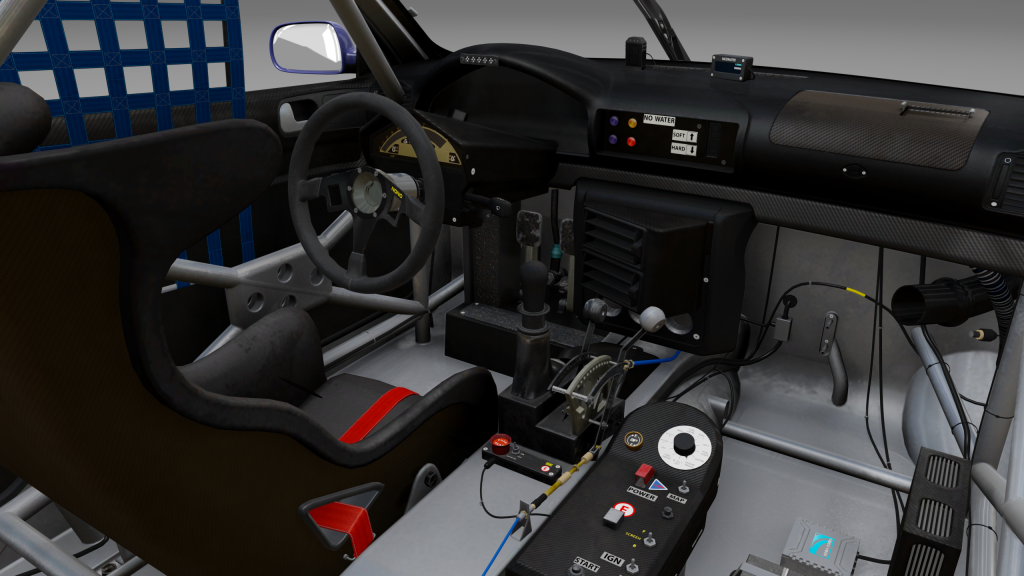
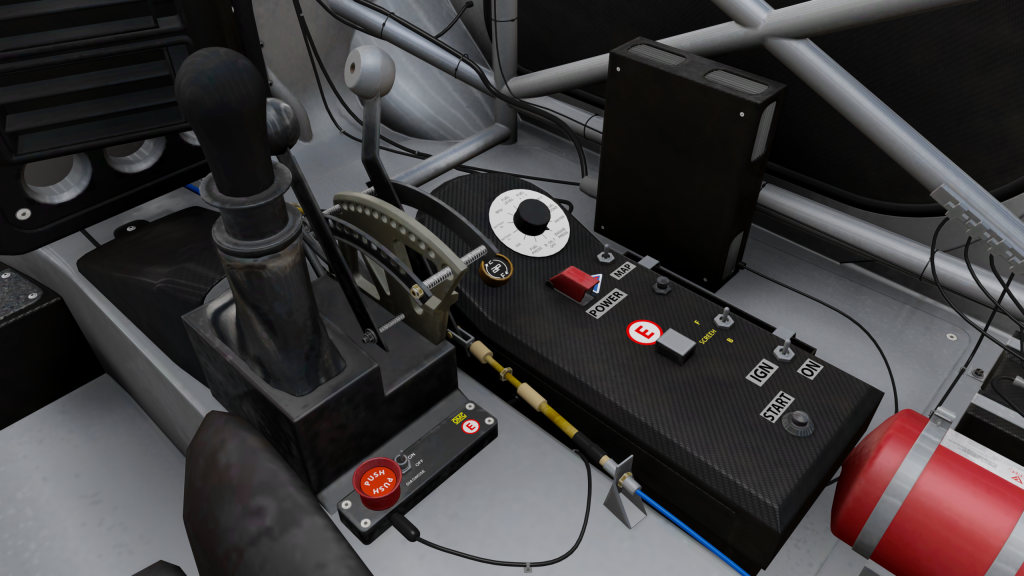
Interior: the cockpit is the highlight. It is detailed, believable, and very much a race car. Dash readability is strong, and while the dash placement can feel low, that is consistent with how these cars are laid out rather than a clear mod issue. No clipping, no major shadow problems, and nothing immersion-breaking showed up during normal driving.
Sound
The sound quality is strong and fits the era well. It does the job without calling attention to itself, which is often a compliment in touring car content. There are no obvious looping, clipping, or low-quality sample issues.
Physics and Driving Experience
The Auriel 4’s driving identity is defined by one thing: front-wheel drive under power.
Balance
Overall balance leans understeery, but not in a lazy way. The car can be rotated on entry and through braking, and then it tries to push wide the moment throttle is used.
Entry: manageable, rotation is available
Mid-corner: generally understeery
Exit: heavy understeer on throttle is the defining trait
Braking behavior is interesting because it is slightly oversteer-biased. That sounds scary on paper, but it actually works as a tool. The braking rotation helps the car point toward the exit, which is important because once power comes in, the front tires quickly become the limiting factor.
Throttle and traction
Traction loss is not constant. It tends to appear mostly when throttle application is messy. The bigger issue is not wheelspin, it’s the way the car refuses to turn once the front tires are loaded with both cornering and drive.
This is why the Auriel 4 rewards smoothness and patience. It is fast when driven cleanly, and frustrating when driven like a rear-wheel drive car, as I very much experienced.
The takeaway: The Auriel 4 rewards smoothness and patience, and it is fast when driven cleanly.
Kerbs
Kerbs are still harsh. The Auriel 4 feels slightly less violent over kerbs than the Beamer 320, but it still does not like anything beyond flat kerbing.
Tires
The biggest behavior note is tire life on the soft compound. Under the Lap Time Challenge format, the softs fall off quickly, and they can feel done after roughly three laps of real pushing. That is a meaningful limitation for hotlapping attempts because it compresses the window of peak performance into a very short run. Mediums would naturally be more sensible for longer race distances, but the benchmark rules prioritize peak grip for comparability.
Force feedback
FFB is a pleasant surprise. It communicates well and helps make sense of the understeer-heavy behavior, especially when the front tires start to load up under power.
Lap Time Challenge at Assen
The Auriel 4 was tested under the standardized OC Racing benchmark:
Conditions: 12:00, clear, optimum 100% grip, 26°C ambient, no wind
Rules: stock setup, highest grip tire, fuel for 5 laps, 40 timed laps, invalid laps count toward the 40, resets do not
Best valid lap: 1:44.265
Extracting the lap is a mixed experience. The car can feel extremely heavy, which makes it harder to sense the absolute limit in the way a lively rear-wheel drive touring car does. At the same time, within a realistic time investment, 1:44.265 is a strong lap and a solid baseline for the Touring Car category. For me anyway. I was very surprised with the difference compared to the Beamer. Although my lap in that car had a lot more potential, I feel like a 44.2 in that car would be very hard to achieve, indicating a difference in raw pace between them.
Touring Car leaderboard
VRC ERC Auriel 4 (Audi A4 Super Touring) – 1:44.265
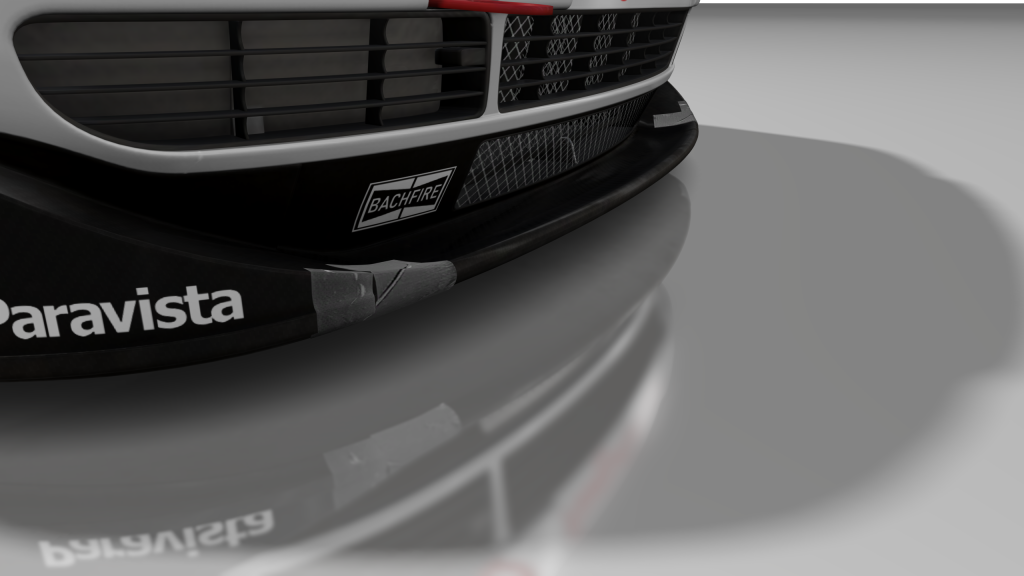
Strong adjustability similar to the Beamer 320, plus adjustable aero on this car. The front splitter can be adjusted and is visibly represented.
A very cool option in the setup menu: the ability to add two extra displays, a lap time counter and a gear indicator. That is a small feature, but it adds real usability in cockpit view.
Full animation set and cockpit life (pedals, dash behavior, lighting)
Liveries are another win: 8 total, copyright-safe, and clearly inspired by the era without crossing into branding problems.
Downsides
There are three negatives worth calling out:
Headlight branding: the VRC logo placement on the headlights is not a dealbreaker, but it does not read like a believable period sticker to me.
Texture inconsistency: some texture areas are slightly pixelated or less detailed than the best parts of the car. Most people will never notice, but it is there.
Soft tire degradation: the soft compound drops off quickly under pushing, which limits peak-lap attempts and can feel unusually restrictive in hotlap scenarios.
No major physics oddities showed up, and there are no missing variants that feel essential.
Market Context and Value
Like the Beamer 320, the Auriel 4 is part of VRC’s broader Tourers ecosystem, making them the only big team with efforts focused on this era. That makes it niche in a good way, because the broader Assetto Corsa mod market has plenty of free touring content, but not much that matches this level of consistency and polish.
Value is straightforward as a single purchase: $4.80 is reasonable for the quality. Where it becomes expensive is collecting the full lineup. Nine cars at roughly this price pushes to 44 USD, which is a real commitment.
Worth knowing: At $4.80 the single car is reasonable, but nine cars at roughly this price pushes the full lineup to about 44 USD.
Final Thoughts
The VRC ERC Auriel 4 is a unique touring car experience, and not in a gimmicky way. It looks great, drives with believable Super Touring character, and delivers a surprisingly quick Assen benchmark time once the front-wheel drive style clicks.
It will frustrate anyone trying to drive it like a rear-wheel drive car. But for drivers willing to be patient, rotate it on the brakes, and stay disciplined on throttle, it becomes a genuinely rewarding mod and a great addition to a growing Touring Car leaderboard.
What car mod should be reviewed next? Drop suggestions in the comments, including what class should be added to the Lap Time Challenge leaderboard.
FINAL VERDICT
Recommendation: Recommended. A genuinely rewarding mod once the front-wheel drive style clicks.
Ideal buyer: Drivers willing to be patient, rotate it on the brakes, and stay disciplined on throttle.
Major drawback: Soft tire degradation: the soft compound drops off quickly under pushing.
Bottom line: It looks great, drives with believable Super Touring character, and set a surprisingly quick 1:44.265 Assen benchmark.
Sim racing hardware reviewer and creator. Every review on this site is hands-on tested across direct-drive wheelbases, pedals, cockpits, motion systems and accessories before a word is published.
3 Ways to Make Sim Racing More Enjoyable When You Start Feeling Burnt Out - OC Racingsays:
[…] 72Taron March 30, 2026 No Comments Forza Horizon 6 PC requirements have been revealed ahead of its May 2026 release, outlining performance targets from 1080p low to 4K ray tracing and highlighting the increasing demand for… Read more […]
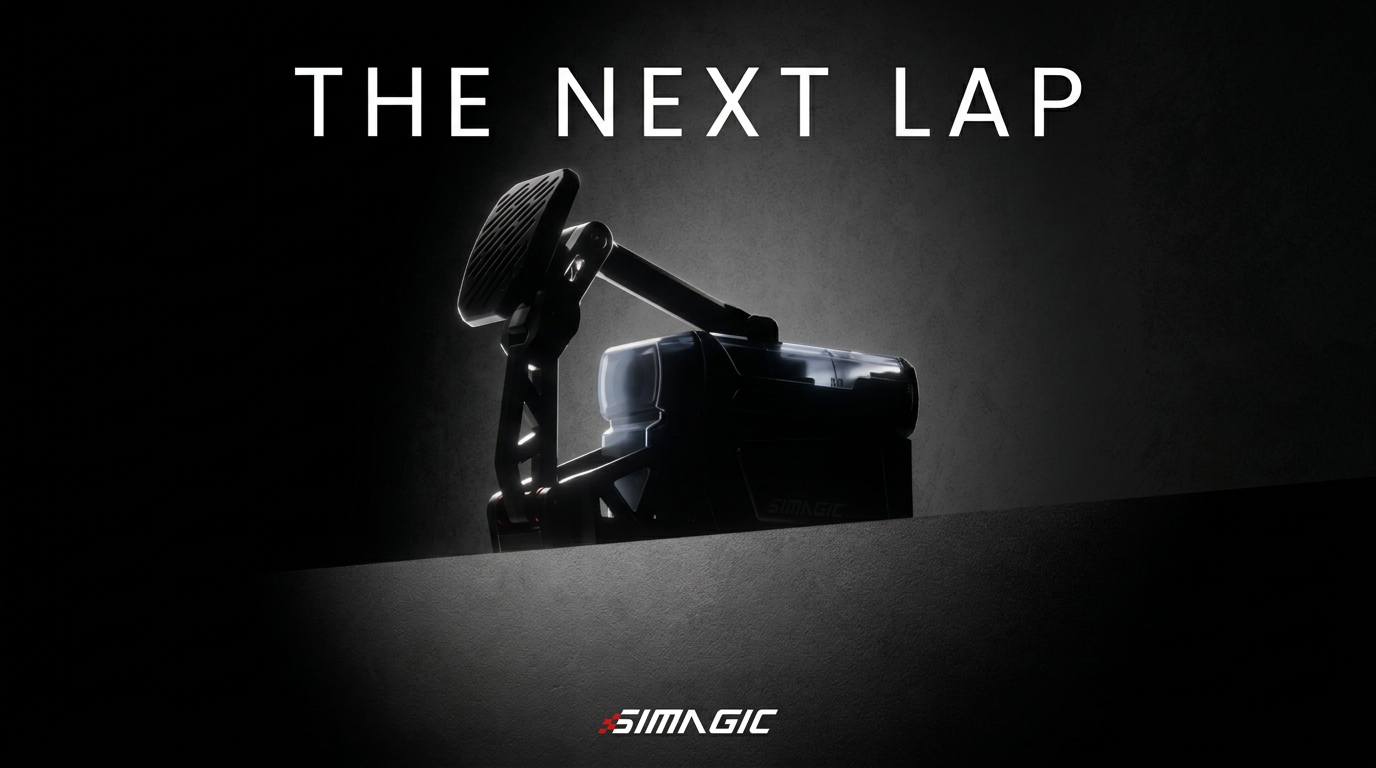
Simagic is finally preparing to reveal its long-awaited Active Pedal during its global product launch on October 14, nearly two years after the first prototype appeared.
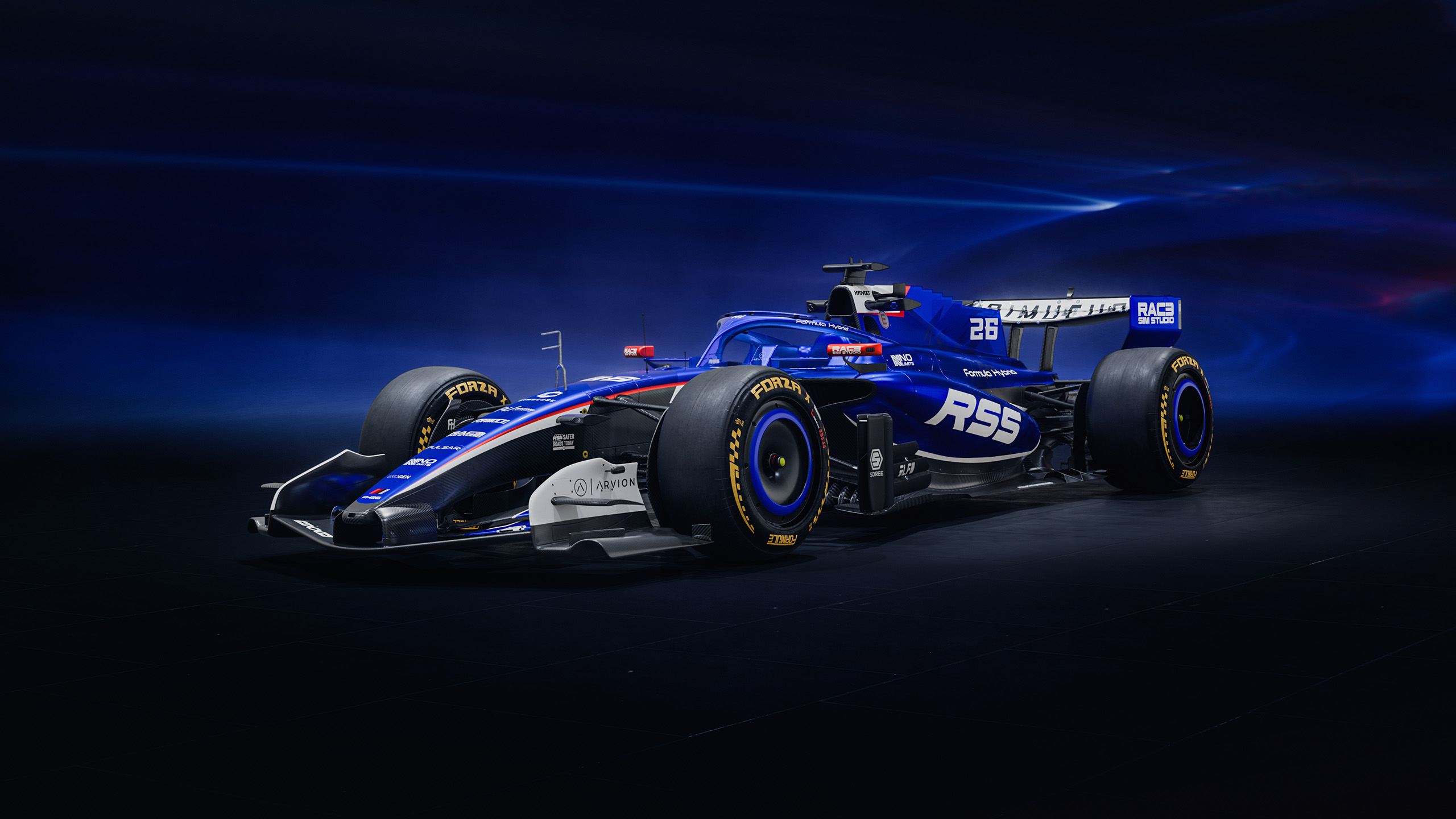
Race Sim Studio has released the Formula Hybrid 2026 for Assetto Corsa, bringing active aerodynamics, a new 350 kW hybrid system, adaptive ERS deployment, and an extensive suite of racing…
Kunos Simulazioni has shared a detailed look at the future of Assetto Corsa EVO, outlining changes to the game's development direction and revealing more information about its long-awaited Free Roam…
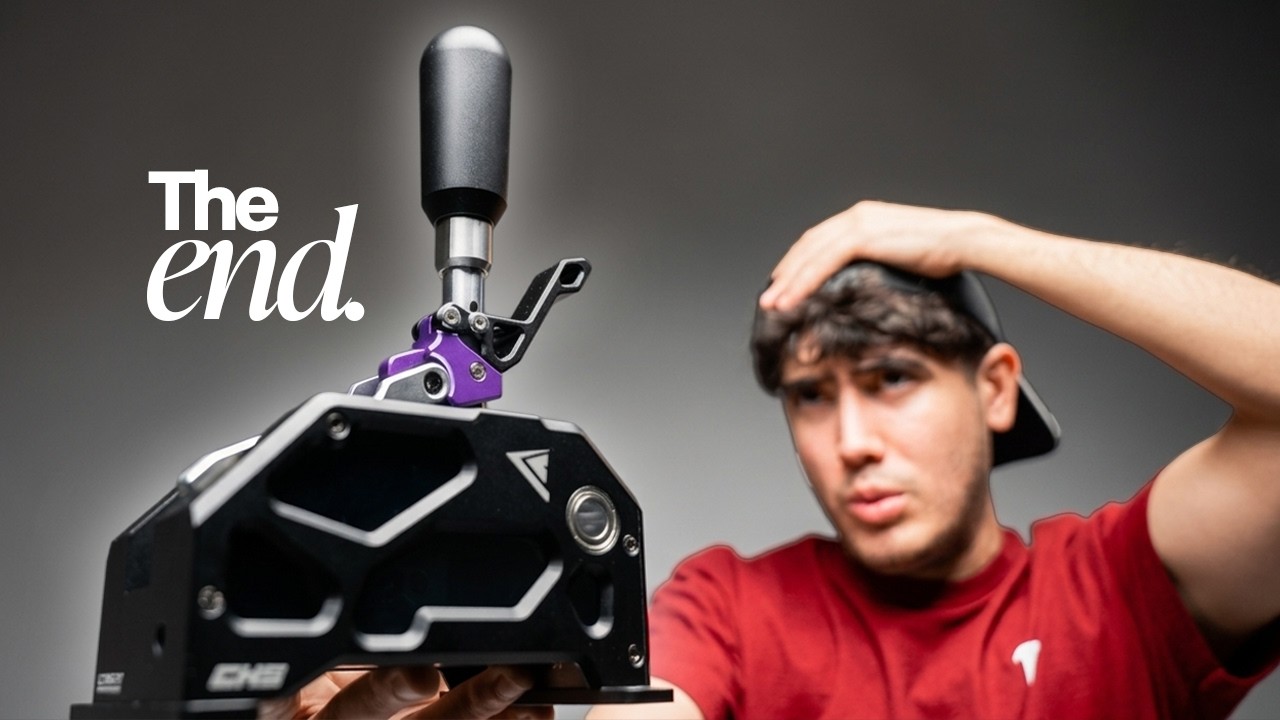
Conspit CHS · $369 Conspit sent this product to me for review. Conspit has entered the shifter market with the CHS, a dual-mode shifter that combines a 7-gear H-pattern with…
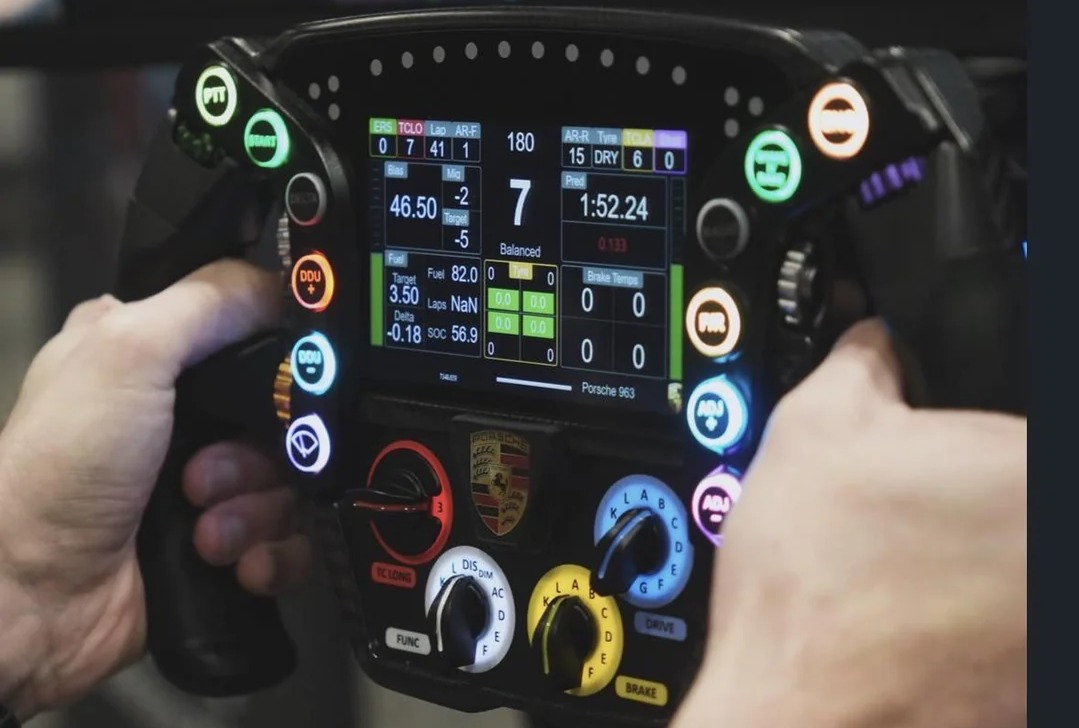
After making its public debut in Chicago, Sim-Lab is bringing its upcoming Porsche 963 replica steering wheel to SimRacing Expo Frankfurt for another major showcase.
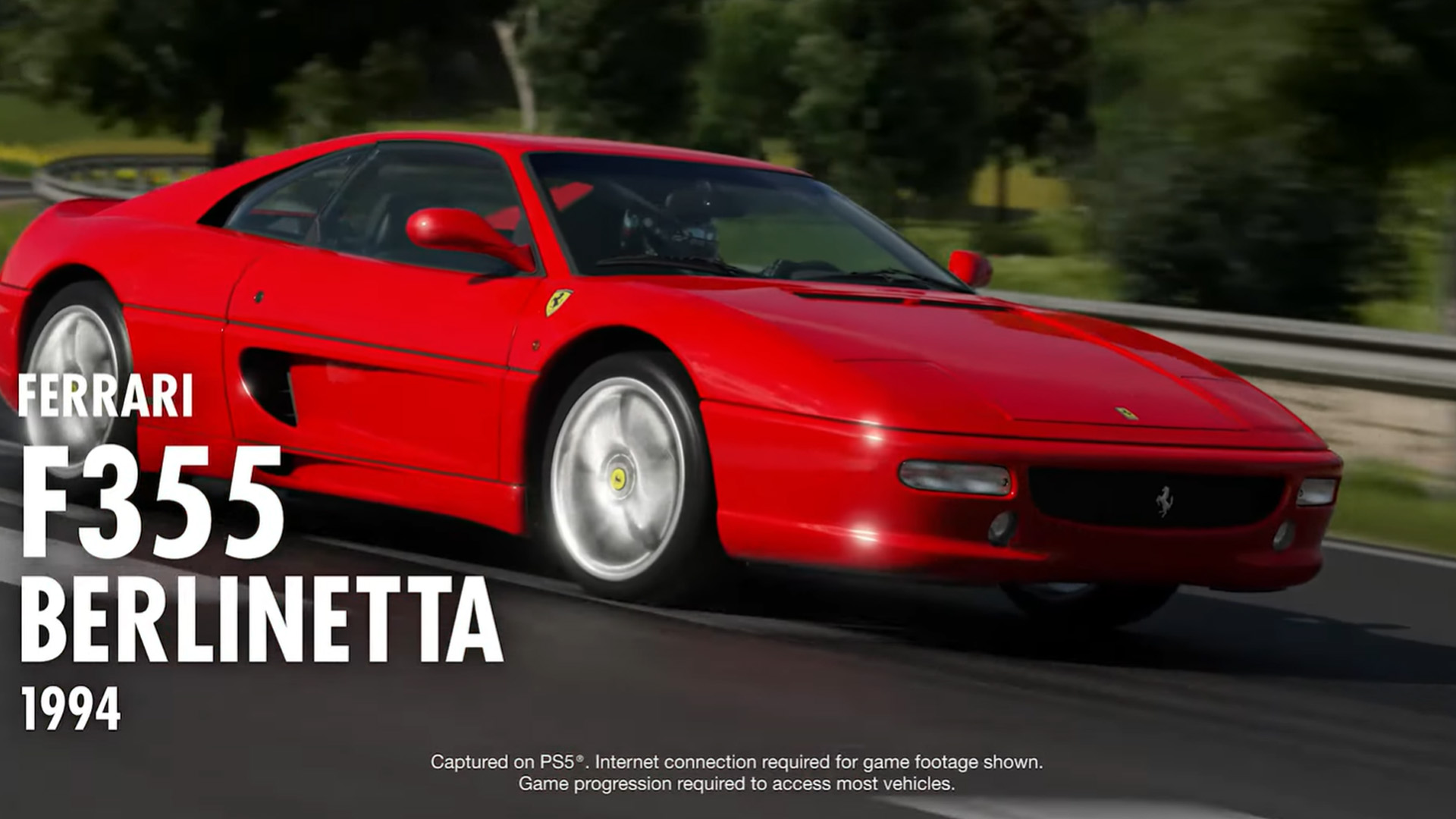
Gran Turismo 7 Spec IV Part 1 arrives October 15 with Sportsland SUGO, six new cars including the Ferrari F355, new Brand Central challenges, Car Concierge, Car Viewer and more.
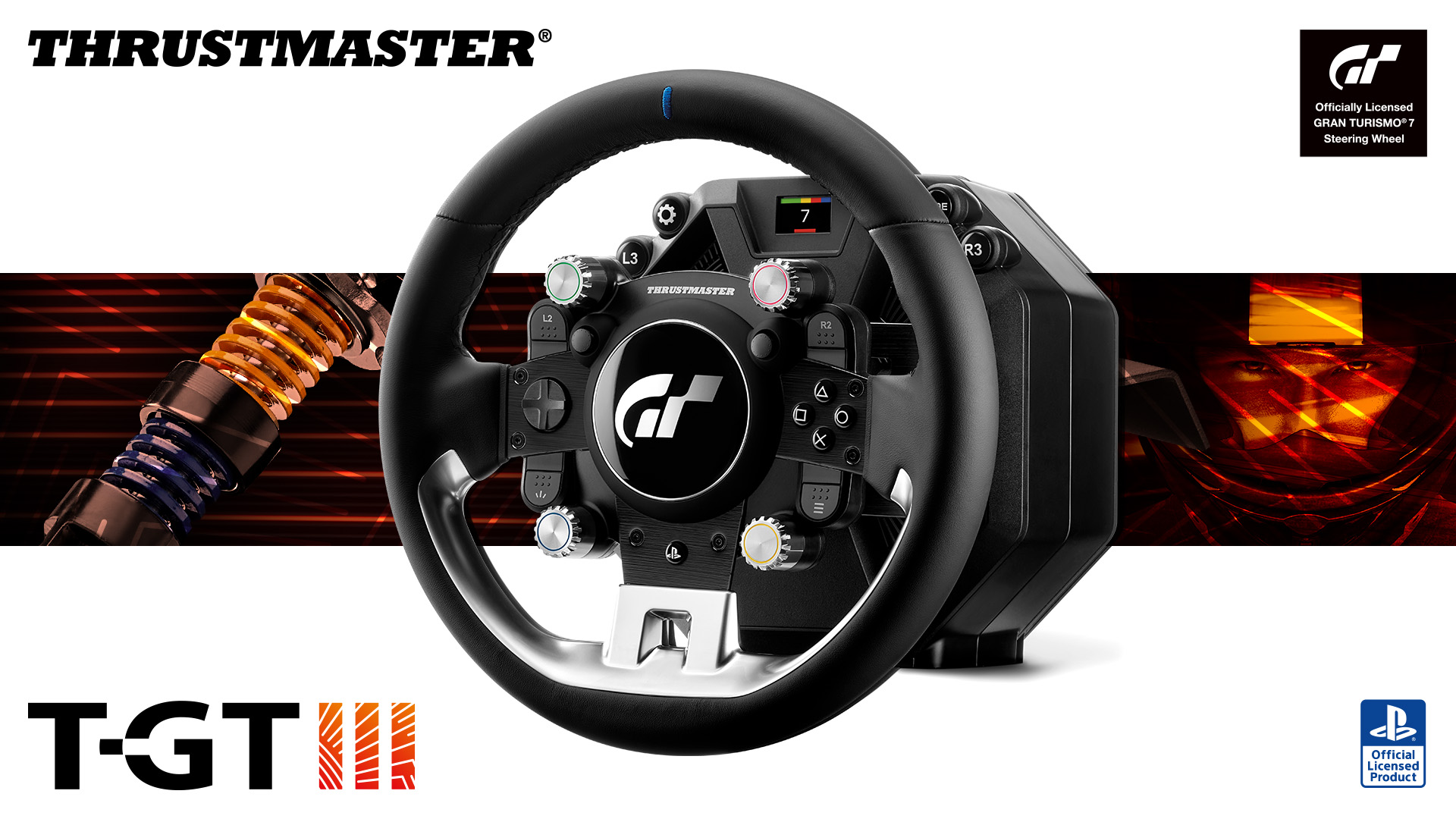
The new Thrustmaster T-GT III brings Direct Axial Drive, 5 Nm of constant torque, load cell pedals, and dedicated Gran Turismo 7 haptics to PS5 and PS4.
The Circuit One D Force 1 packs four motion actuators into a suitcase, installs in about 10 minutes, and trades big travel for detail you can actually use.


3 Ways to Make Sim Racing More Enjoyable When You Start Feeling Burnt Out - OC Racing says:
[…] 72Taron March 30, 2026 No Comments Forza Horizon 6 PC requirements have been revealed ahead of its May 2026 release, outlining performance targets from 1080p low to 4K ray tracing and highlighting the increasing demand for… Read more […]