Kunos Simulazioni has released Update 0.7 for Assetto Corsa EVO’s Early Access program. The update introduces four new vehicles, a completely redesigned particle system, major improvements across physics, graphics, audio and multiplayer systems, as well as the first version of the official Assetto Corsa EVO SDK.
While the update 0.7 represents a significant step forward for the simulator, it arrives at a time when the project continues to face criticism from parts of the community. Players continue to report stability issues, VR performance problems and crashes even on high-end hardware, while several core features originally associated with the Early Access roadmap remain absent.
The latest update continues Kunos’ effort to expand content and refine the technical foundations of the simulator ahead of future milestones.
Update 0.7 expands the vehicle lineup with four additions covering a wide range of motorsport and automotive history.
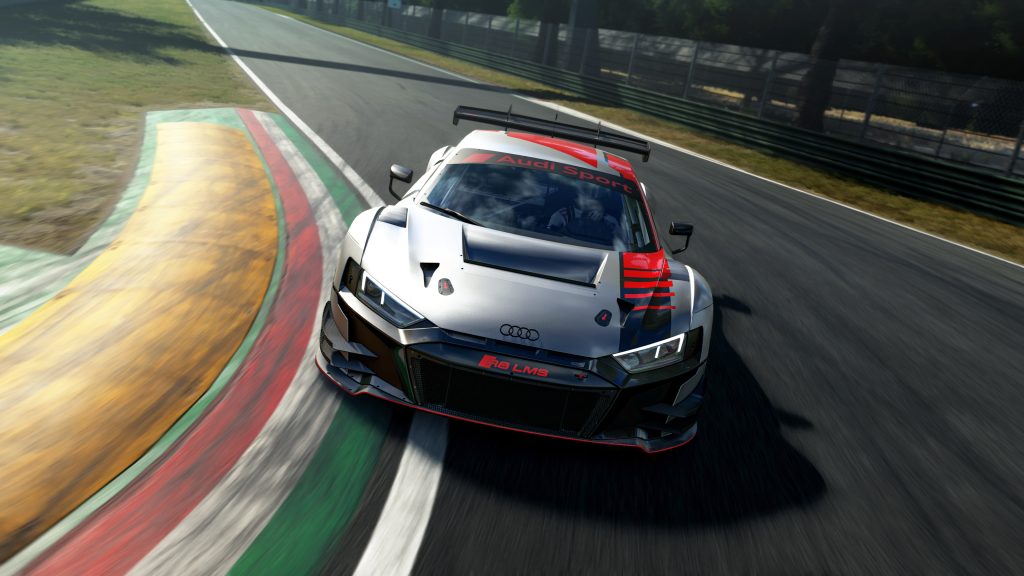
Audi R8 LMS GT3 Evo II
The modern GT3 contender joins the growing selection of race cars in Assetto Corsa EVO, bringing one of the most successful customer racing platforms of recent years.
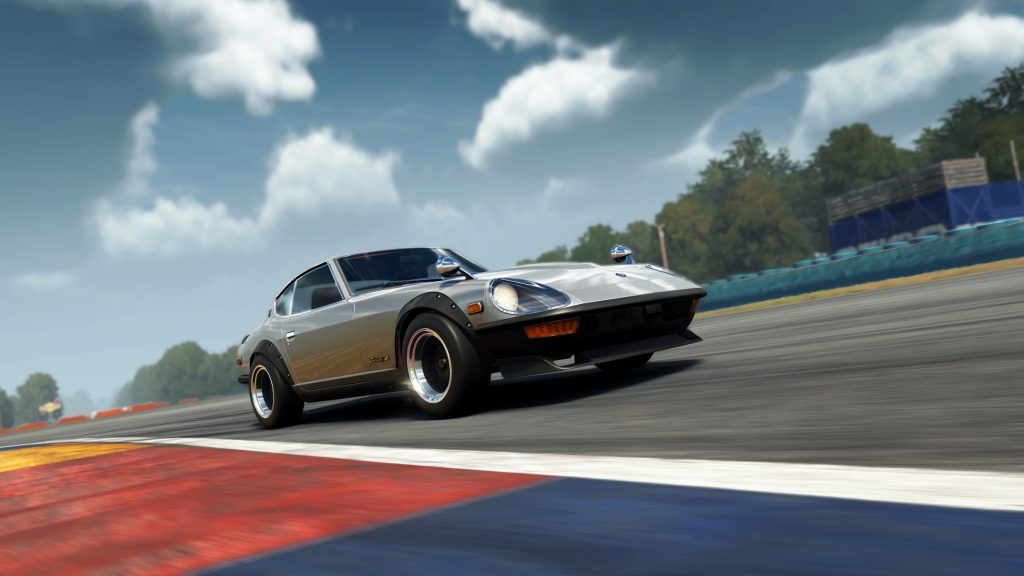
Datsun 240Z
The iconic Japanese sports car arrives in two variants, offering players a chance to experience one of the most influential performance cars of the 1970s.
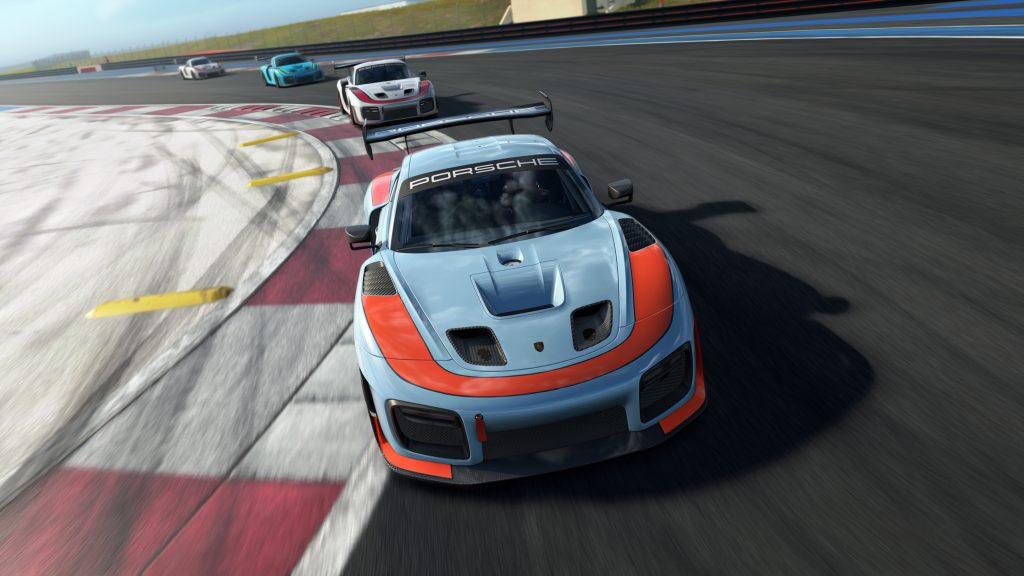
Porsche 935 (2019)
Inspired by the legendary Porsche race cars of the past, the modern Porsche 935 combines contemporary technology with classic motorsport styling.
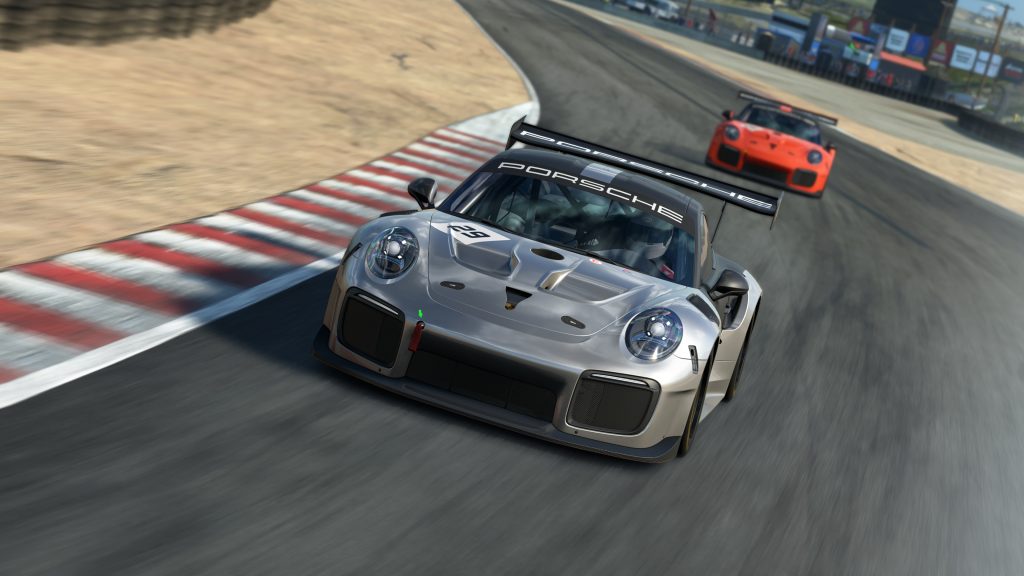
Porsche 911 GT2 RS Clubsport Evo
The track-focused Clubsport Evo expands Porsche’s representation in the sim, delivering extreme performance designed specifically for circuit use.
The addition of four new vehicles gives players more variety across both road and race car categories, something many community members have been asking for as update 0.7 expands the Early Access roster.
Brand New Particle System Introduced
One of the headline features of Update 0.7 is the introduction of an entirely new particle system.
The new technology brings significantly improved visual effects including:
Tire smoke
Dirt and dust effects
Water spray
Impact particles
Kunos has also included a graphics option that allows players to disable the more demanding effects if additional performance is required.
The overhaul is expected to improve immersion during racing, particularly in wet conditions and close wheel-to-wheel battles. However, despite the visual improvements, VR users report performance and stability concerns, an area many players hope will receive further attention in upcoming updates.
Official Assetto Corsa EVO SDK Now Available
Modding has always been one of the defining strengths of the Assetto Corsa franchise, and Update 0.7 marks the first step toward community-created content in EVO.
The newly released SDK Editor Tool allows technically minded users to begin creating custom vehicles for use in single-player sessions.
Kunos has confirmed that future updates will expand the SDK’s capabilities, including support for bringing community-created content into multiplayer environments.
The arrival of the SDK also fulfills one of the most requested features from the community. Modding has long been considered one of the pillars behind the success of the original Assetto Corsa, and many players have been waiting for official tools since Early Access launched. For now, custom content remains limited to single-player use, although multiplayer support has already been confirmed for a future update.
Major Graphics and Rendering Improvements
Beyond the new particle effects, Update 0.7 includes a long list of rendering upgrades and visual fixes.
Several lighting and shadow improvements have been implemented to reduce unrealistic glow effects when cars transition between sunlight and shadow. Cloud shadows, fog rendering, reflections and volumetric effects have also received attention.
Texture streaming has been completely reworked using GPU feedback technology, which should improve performance and texture loading behaviour, particularly on larger circuits.
VR users also benefit from several fixes, including improvements to volumetric rendering and restored FSR functionality in VR and triple-screen setups. While these changes are welcome, many players report that VR remains one of the simulator’s weakest areas from a stability perspective.
Physics and Vehicle Balancing Updates
Kunos has continued refining vehicle handling with a number of physics adjustments for the 0.7 update.
The BMW M3 E46 receives engine inertia tweaks, while the Toyota GR86 benefits from setup revisions. The BMW M3 E30 and Mercedes-Benz 190E have also undergone balancing changes.
Additionally, several vehicles have received updates to power output and torque delivery characteristics.
A bug affecting caster adjustments on certain suspension configurations has also been resolved.
Audio Improvements
The audio department has not been overlooked. Update 0.7 introduces various audio improvements.
The Lotus Exige V6 now features entirely new interior sound recordings, while both versions of the Toyota Supra have received extensive sound updates.
The stock Supra gains new interior and exterior audio, custom turbo sounds and revised backfire effects. Meanwhile, the drift-spec Supra has undergone a comprehensive engine sound rework alongside drivetrain and boost adjustments.
Multiplayer and User Interface Updates
Update 0.7 also introduces several multiplayer improvements, including tuning filters, additional server administration tools and expanded race result information.
Alongside the update, Kunos continues to push Assetto Corsa EVO toward a more competitive online environment. The recently introduced Safety Rating system aims to provide structured multiplayer racing and attract players looking for a more professional online experience. However, many community members still feel that the online infrastructure requires additional refinement before it can compete with more established racing platforms.
The user interface has received numerous quality-of-life improvements, including:
Backend-driven notifications
Vehicle specification sheets
Improved customization menus
Enhanced paintshop colour picker
Free camera controls with advanced settings
Exit to desktop button
Additional localization updates
Players can now also quickly switch between H-pattern and sequential shifting without needing to leave the session.
Looking Ahead
With the addition of four new vehicles, major visual upgrades and the first release of official modding tools, Update 0.7 represents an important milestone in Assetto Corsa EVO’s Early Access development.
At the same time, the update does not completely address several of the community’s biggest concerns. Reports of instability, crashes and inconsistent VR performance continue to surface, and many players remain frustrated by the lack of progress on features that were previously highlighted as key selling points of the project.
The most frequently mentioned omission remains the Nürburgring open-world freeroam experience. Originally promoted as one of Assetto Corsa EVO’s flagship features, the highly anticipated free-roam environment is still unavailable long after its originally expected arrival. As a result, community frustration has continued to grow, with many players questioning when the open world will finally become reality.
Those frustrations have been amplified by the disappearance of the game’s original roadmap. After missing several planned update windows and delaying the originally targeted 1.0 release, Kunos removed the roadmap entirely, leaving players with less visibility into the project’s long-term development plans.
Even so, Update 0.7 demonstrates that development is continuing at a significant pace. Whether the update will be enough to rebuild momentum and increase player numbers remains to be seen, but the addition of new content, expanded multiplayer systems and long-awaited modding support certainly gives the community more reasons to keep an eye on Assetto Corsa EVO’s future.
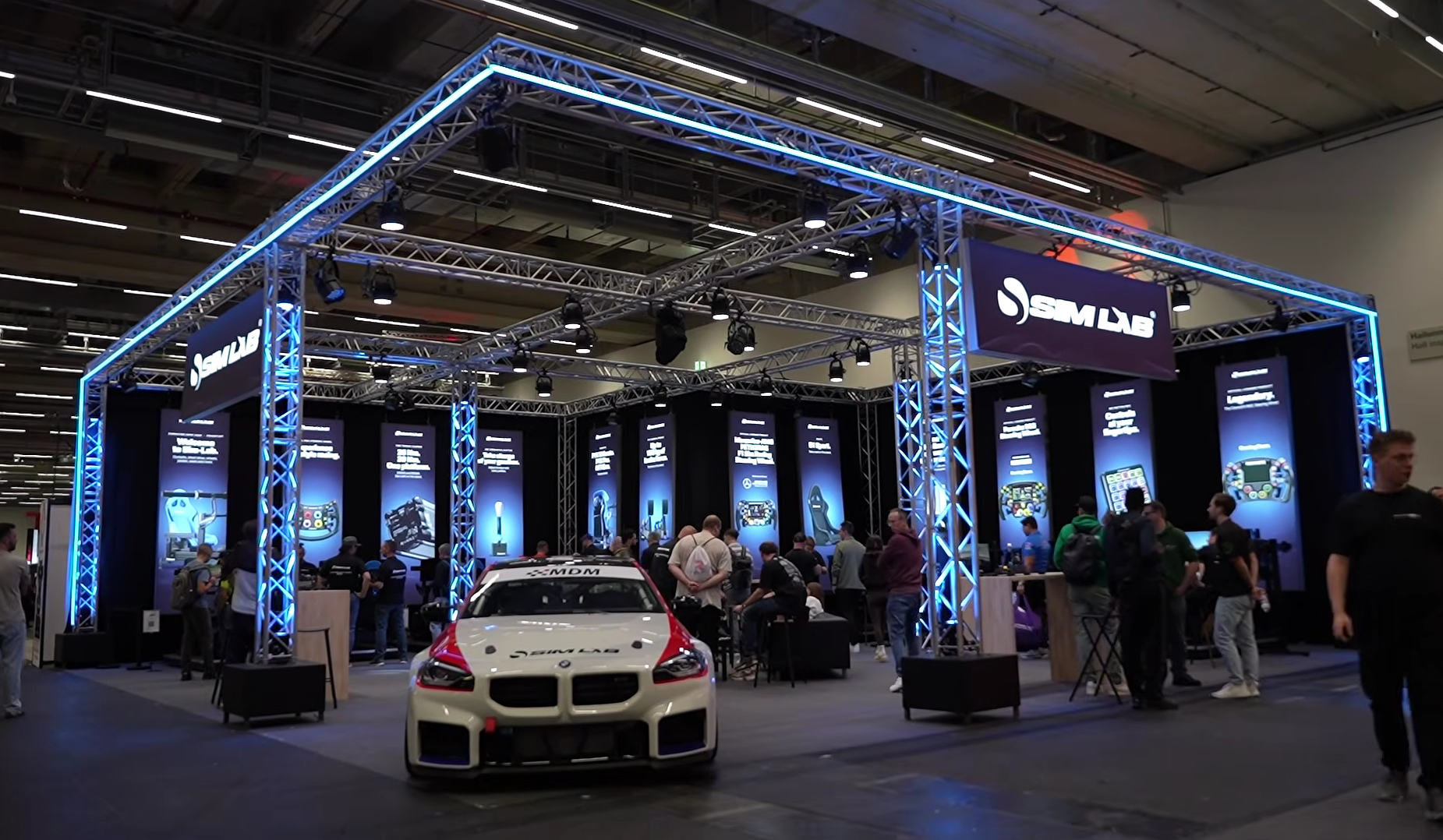
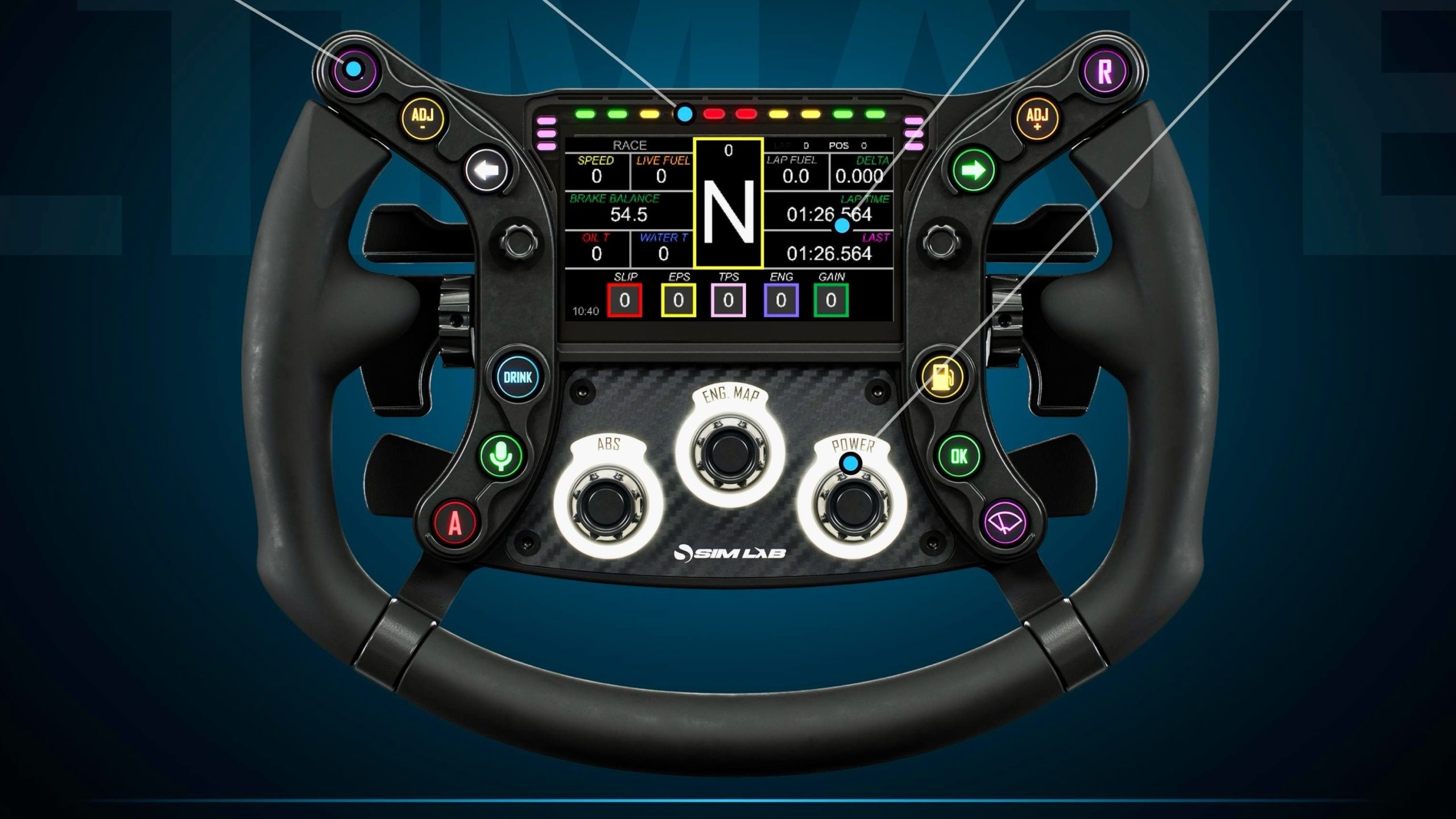
Sim-Lab brought one of the biggest booths to SimRacing Expo Frankfurt, with its DDS TorqueSync bases, new GTSL Ultimate, Porsche 963 and Cosworth wheels, DBX button box, MLD displays, and…
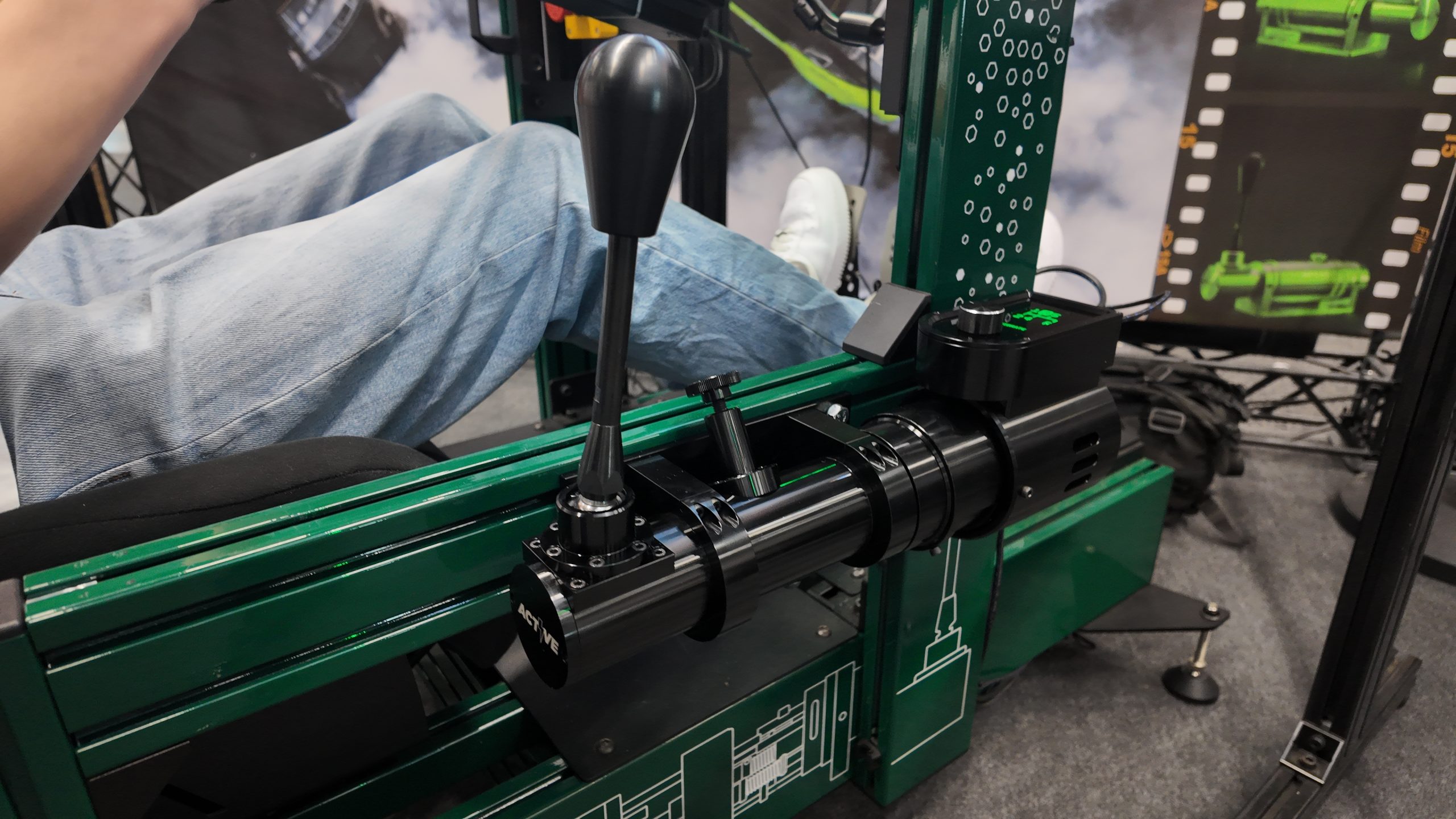
I tried the latest BDH Active Shifter, and the updated system feels far more convincing, with proper shift lockouts, custom gate layouts, and a much more solid mechanical feel.
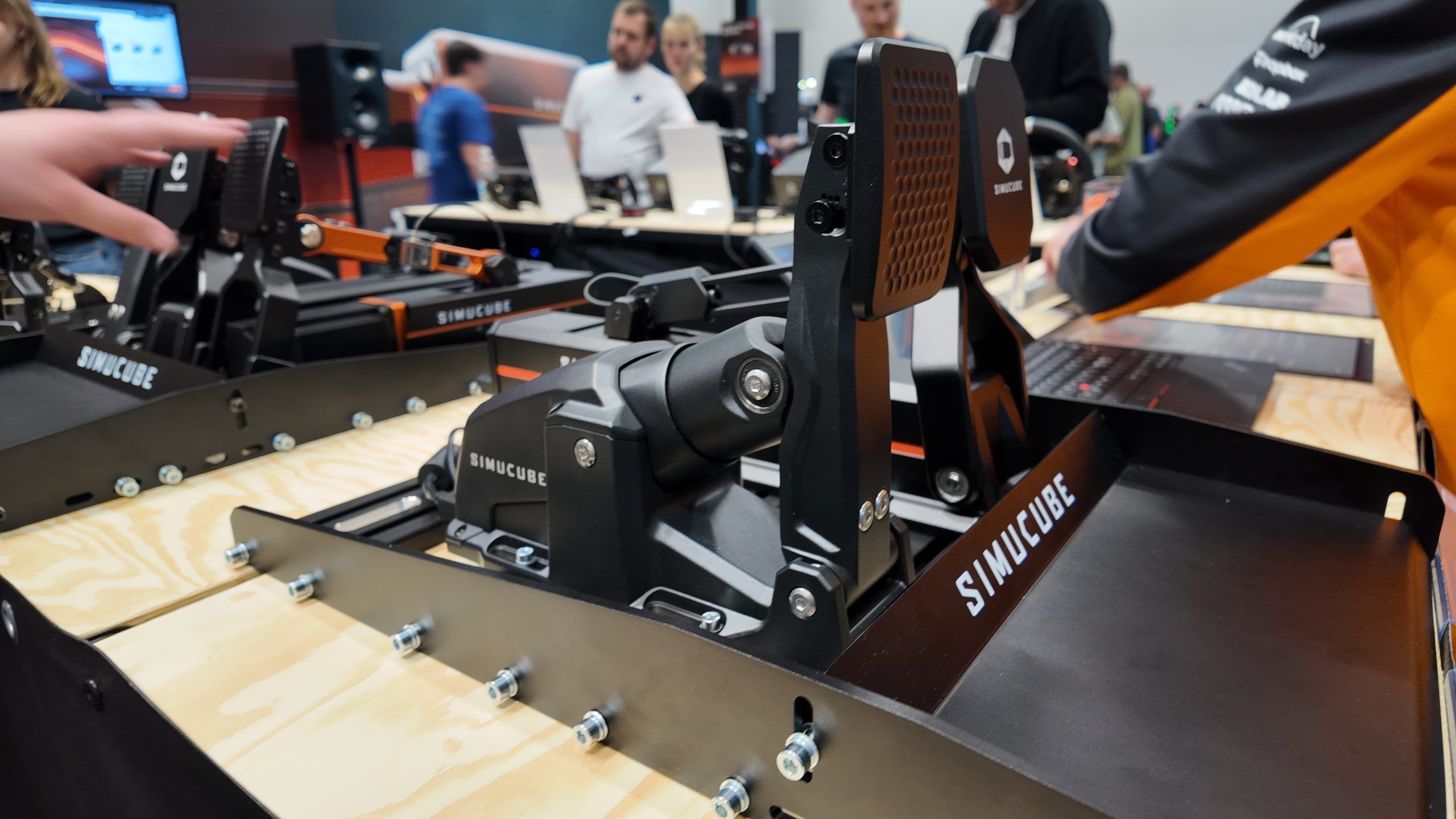
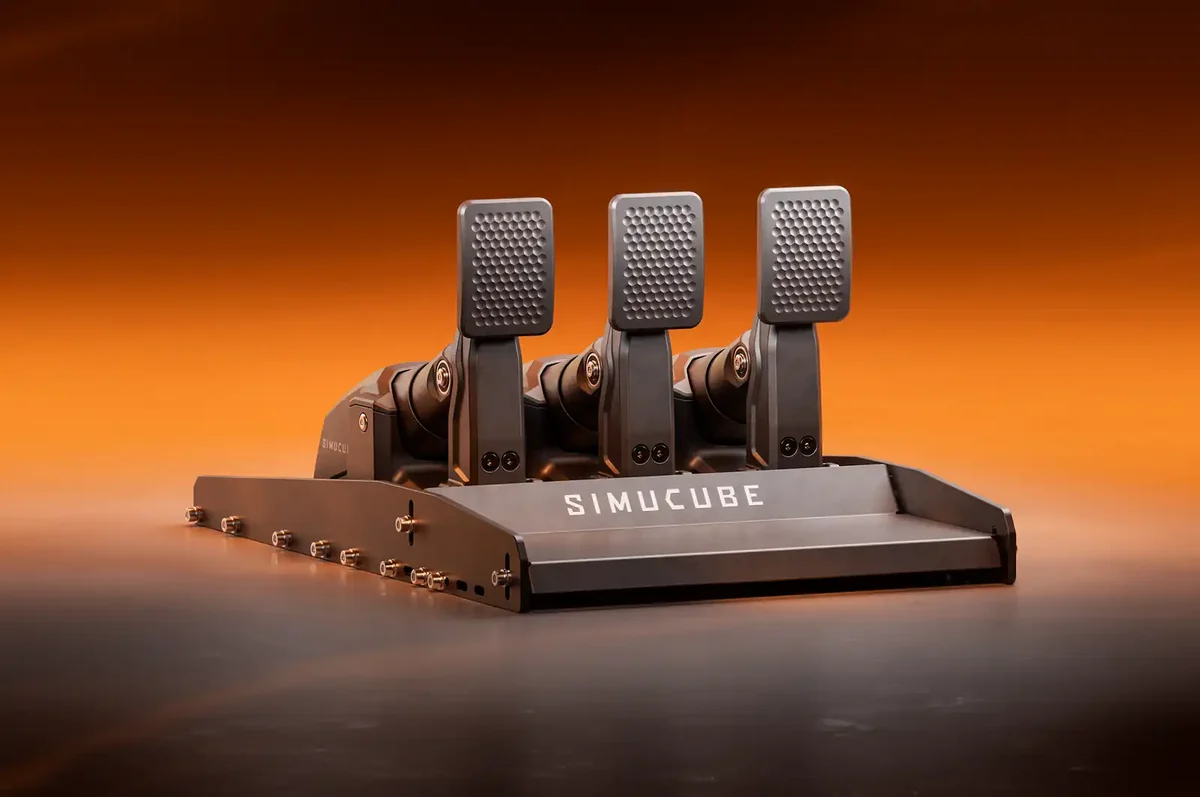
I got an early hands-on test with the new Simucube ActivePedal Sport, and despite lower force and travel, it delivers much of the same experience as the Ultimate for considerably…
Simucube has unveiled the ActivePedal Sport, a more affordable version of its force-feedback pedal technology. The new model will make its public debut at SimRacing Expo Frankfurt from 16 to…
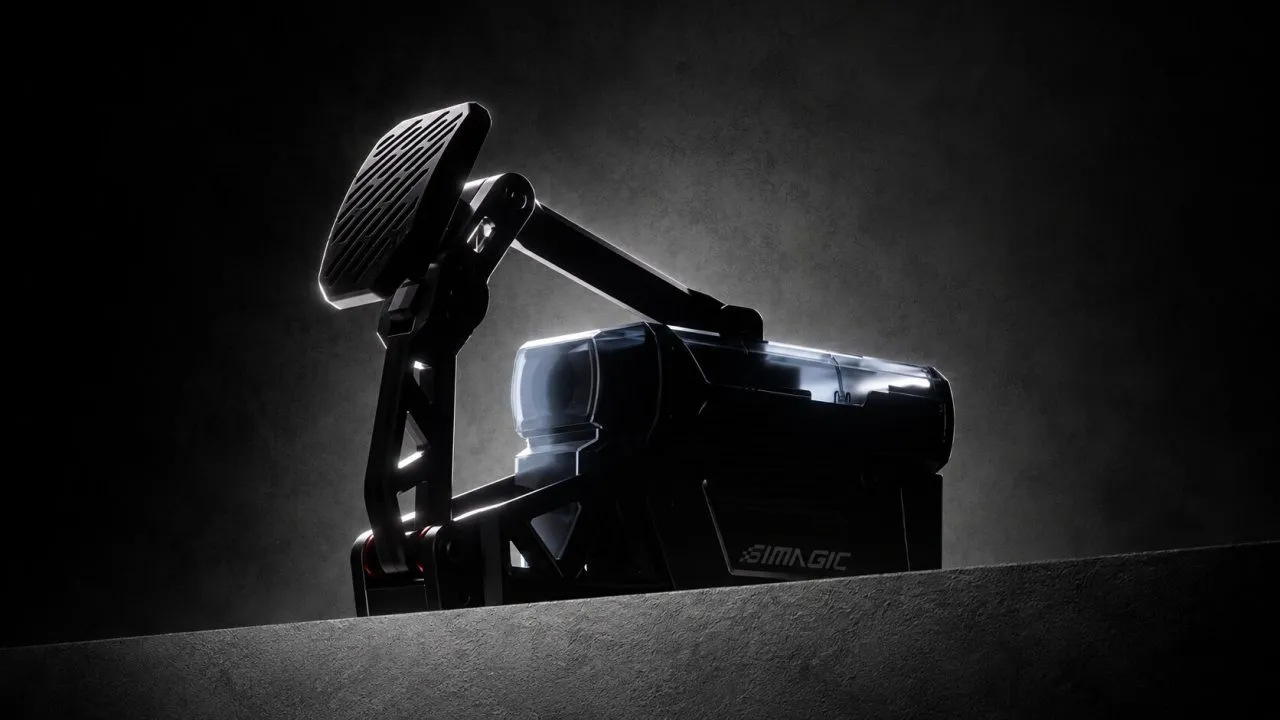
Simagic is finally preparing to reveal its long-awaited Active Pedal during its global product launch on October 14, nearly two years after the first prototype appeared.
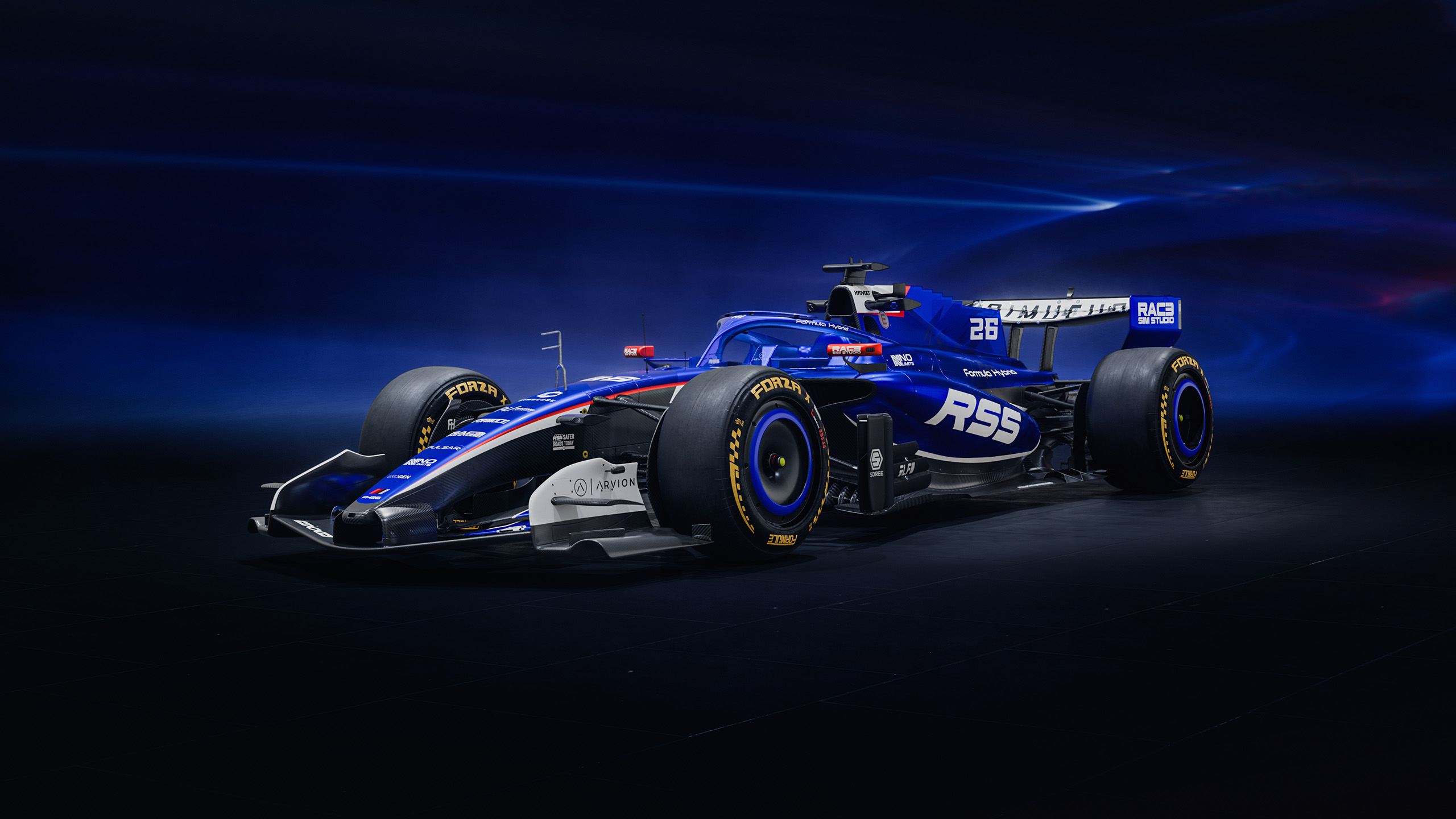
Race Sim Studio has released the Formula Hybrid 2026 for Assetto Corsa, bringing active aerodynamics, a new 350 kW hybrid system, adaptive ERS deployment, and an extensive suite of racing…