The Moza HMA150 is easily one of the company’s most ambitious products yet. Priced at $3,000, it is a complete four-actuator motion system designed to move your entire simulator and add physical feedback for braking, acceleration, cornering, elevation changes, kerbs, and more.
Motion platforms have traditionally sat at the very high end of sim racing, often requiring expensive hardware, large external control boxes, and a fair amount of setup. The HMA150 brings that type of experience into a considerably more approachable package, at least by motion system standards. It is still a serious investment, but compared with many competing four-actuator platforms, the price is surprisingly aggressive.
MOZA HMA150 Haptic Motion System (4 Actuators)
Four fast actuators with 150 mm of travel, three degrees of freedom, built-in haptics and a relatively clean installation – an immersion upgrade rather than a way to go faster, and one that needs a rigid cockpit, room to
Best for Someone who already has a high-end simulator and wants the n
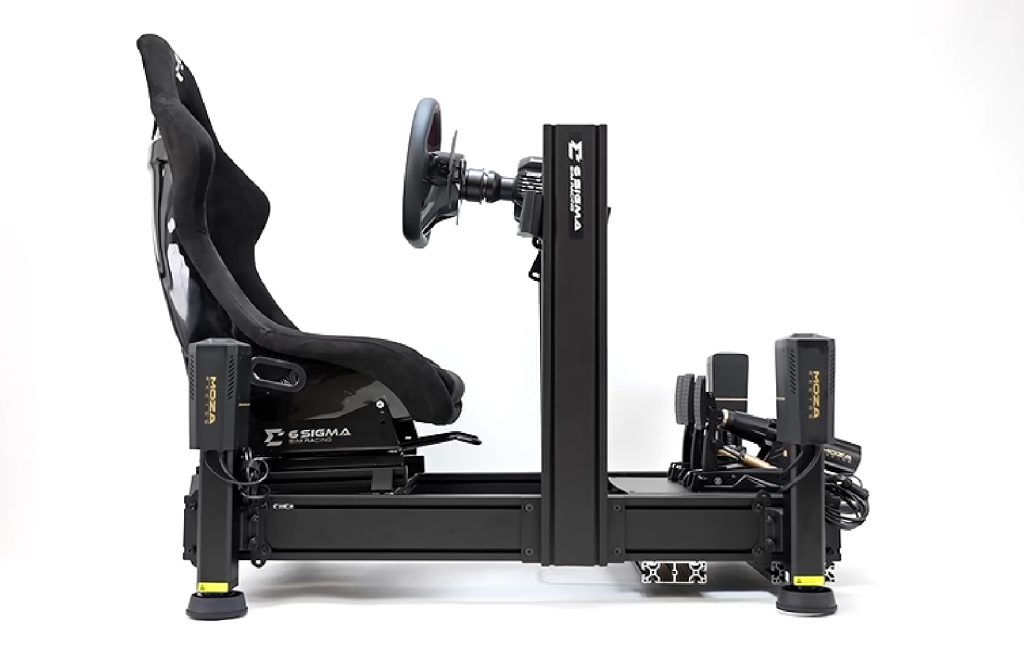
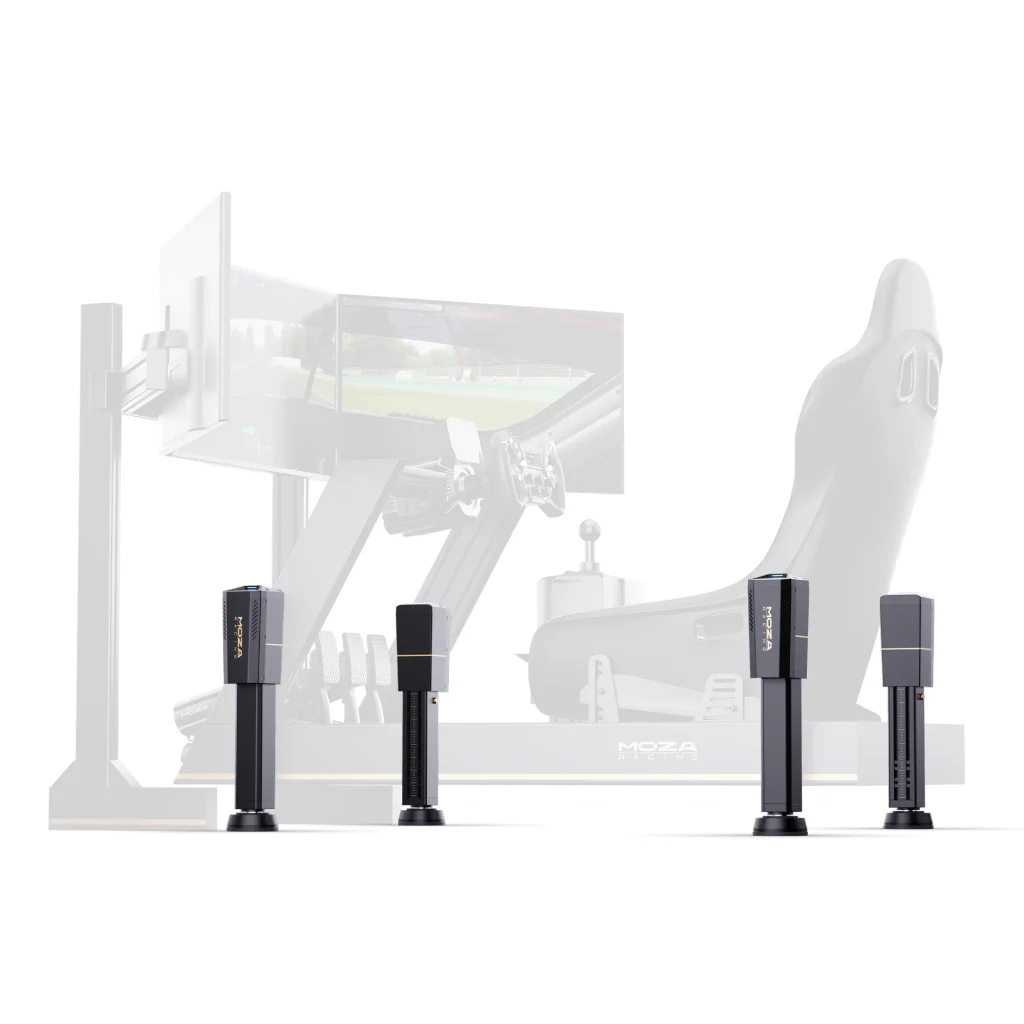
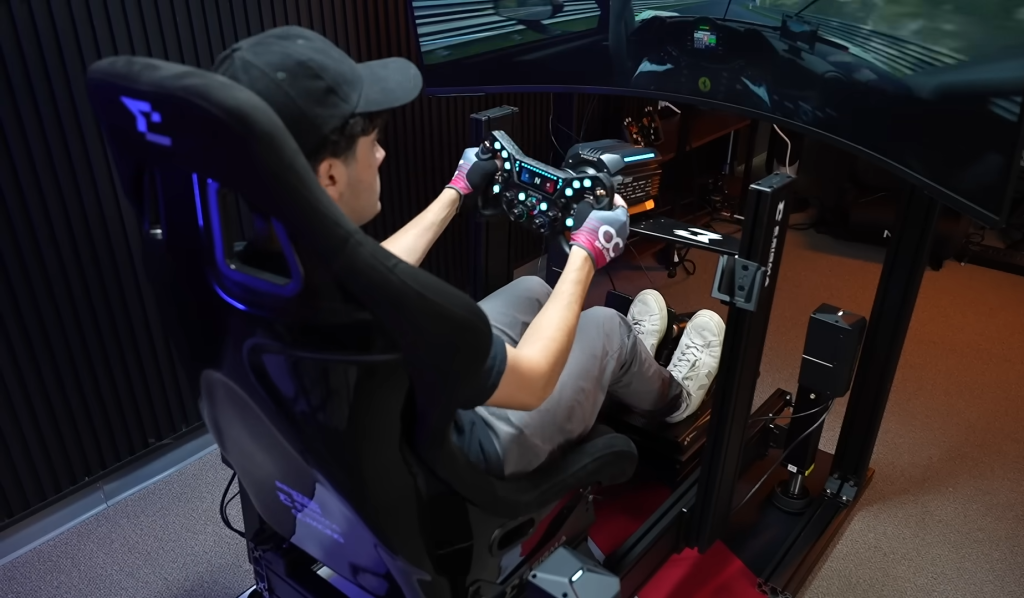
The HMA150 is a 3-degree-of-freedom motion platform built around four actuators mounted directly to an aluminum profile simulator. Each actuator sits underneath a corner of the cockpit, allowing the complete rig, including the seat, wheel, pedals, and displays mounted to it, to physically move while driving.
The system provides pitch, roll, and heave. Pitch moves the simulator forward and backward to recreate braking and acceleration. Roll tilts it from side to side to represent cornering forces and weight transfer. Heave raises and lowers the complete rig for bumps, compressions, kerbs, and changes in elevation.
Those three movements work together rather than independently during normal driving. Hit the brakes while approaching a downhill corner, for example, and the platform can combine pitch, roll, and heave to create a much more physical interpretation of what the virtual car is doing.
Four Actuators With 150 mm of Travel
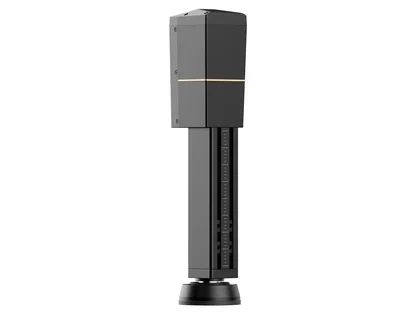
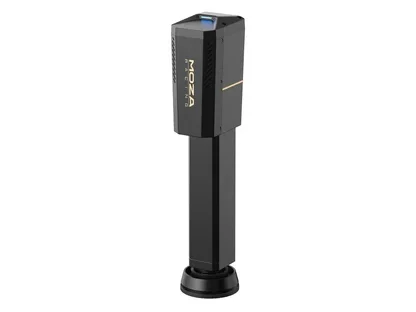
The hardware itself is impressive. Each HMA150 actuator provides 150 mm of stroke, a maximum movement speed of 300 mm per second, and peak acceleration exceeding 1g. There is enough travel and speed available to create some very aggressive movement if that is what you want.
In practice, using all of that movement is rarely the goal. Motion tends to feel much better when it is restrained, especially for normal racing. The actuator speed is more useful because it allows the system to react quickly to sudden changes without feeling noticeably delayed.
The actuators also feel relatively smooth in operation. When configured properly, the transitions between movements can feel natural rather than mechanical, which goes a long way toward making the platform believable.
The Installation Is Surprisingly Clean
One of the more unusual aspects of the HMA150 is how much hardware Moza has integrated directly into the actuators. Many motion platforms require a separate control box mounted somewhere around the cockpit. Here, that functionality is largely integrated into the system itself.
Inside the package are the four actuators, mounting brackets for aluminum profile cockpits, actuator cups, the necessary wiring, a USB hub, and the power supply. Once everything is installed and properly cable managed, the complete setup can look remarkably clean for a full-cockpit motion platform.
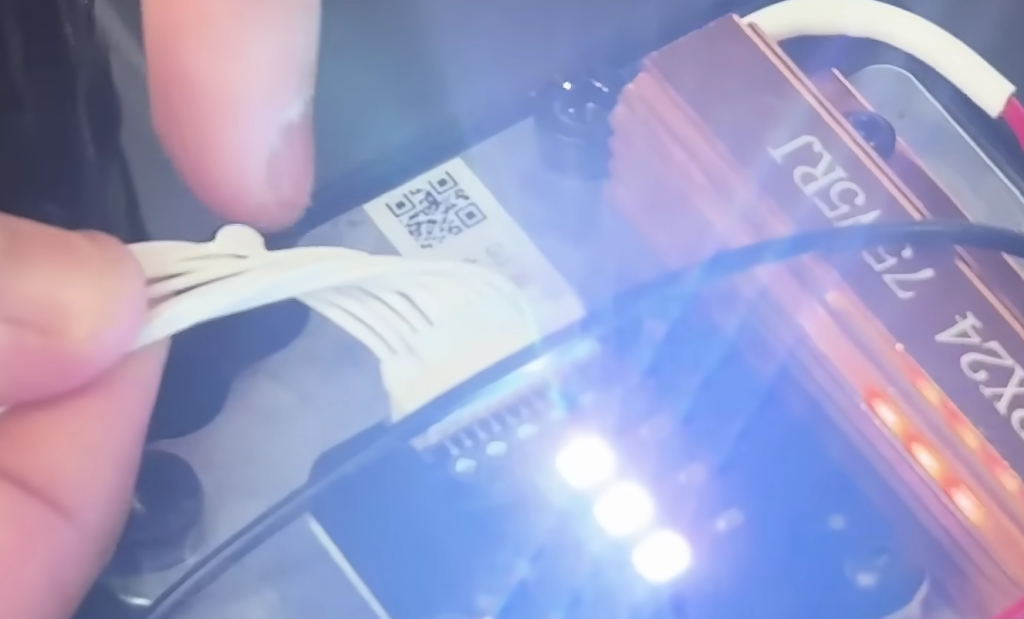
Cable routing does require some attention. Two cables come from each actuator, and they need enough room to move as the simulator rises and lowers. Poorly positioned wiring can potentially become pinched when the system powers down, so spending extra time on cable management is definitely worthwhile.
Software Tuning Makes a Huge Difference
Moza provides dedicated motion software for configuring the HMA150, and there is plenty to adjust. Individual movement effects can be increased, reduced, or balanced depending on how much pitch, roll, heave, and other feedback you actually want.
This is important because more movement does not necessarily create a better experience. Aggressive pitch can make braking feel like the entire cockpit is throwing you forward, while excessive roll can have you moving dramatically from side to side through every corner. Large kerbs can also become far more violent than they need to be.
A more restrained setup generally feels considerably better. Small amounts of pitch can communicate braking and acceleration without becoming distracting, while subtle roll gives you a physical sense of weight transfer. Heave is particularly effective for elevation changes and larger surface movements.
Expect to spend some time experimenting. The hardware is capable of a lot, but the quality of the experience depends heavily on the profile being used.
Built-In Haptics Are Included
The HMA150 also includes haptic feedback alongside the larger actuator movements. These vibrations can be used for effects such as kerbs, brake lockups, and other smaller details that do not necessarily require the entire simulator to physically change position.
The feature adds some useful texture, although it is not the strongest reason to buy the system. Dedicated pedal haptics, bass shakers, or seat-based haptic systems can provide more localized and easier-to-identify feedback.
For someone who already uses separate haptic hardware, there is no real reason to remove it. The built-in effects work better as an additional layer on top of the main motion system rather than a complete replacement for dedicated tactile feedback.
Does Motion Actually Make You Faster?
Probably not. Motion can actually make precise driving slightly more difficult depending on how aggressively the system is configured. Under heavy braking, for example, the cockpit physically moving underneath you introduces another variable while you are trying to repeat the exact same pedal input lap after lap.
For serious competition, a stationary simulator can still make more sense because of that consistency. Running a much more restrained motion profile can help, but buying the HMA150 purely to improve lap times would be missing the main reason this product exists.
The real benefit is immersion.
Where the HMA150 Makes the Most Sense
For casual driving, VR, road cars, rally, and simply experiencing different vehicles, motion can add a lot. Braking becomes something you physically feel through the cockpit, elevation changes become far more noticeable, and larger kerbs or compressions suddenly involve your entire body.
VR benefits especially well because your visual and physical sensations start working together. The simulator moving as the virtual car pitches, rolls, and travels over the road can make the overall experience considerably more convincing.
It is also fantastic for demonstrations and events. Someone trying a high-end simulator for the first time will immediately understand what the motion system is doing, and it gives the entire setup a much stronger sense of occasion.
Reliability and First-Generation Concerns
The HMA150 is still a relatively new and mechanically complex product, so long-term reliability is something worth watching. On my unit, an internal actuator cable that had been pinched during production eventually failed after extended use. The repair itself was straightforward with guidance from Moza, but that is obviously not something anyone should have to deal with on a $3,000 product.
Outside of that issue, the system handled extended sessions, event use, and even outdoor heat without any noticeable performance problems. Moza also revised the original power supply after early units shipped with one that was excessively loud.
Those improvements are encouraging, but with any first-generation motion platform, after-sales support and long-term durability matter just as much as the specifications.
Final Thoughts
The Moza HMA150 is a very interesting addition to the motion platform market. For $3,000, you get four fast actuators, 150 mm of travel, three degrees of freedom, built-in haptics, relatively clean installation, and enough adjustment to dramatically change how your simulator feels.
It is definitely not something every sim racer needs. You need a rigid cockpit, enough room for the simulator to move, and the willingness to spend time tuning everything properly. It also makes far more sense as an immersion upgrade than something designed to improve competitive performance.
For someone who already has a high-end simulator and wants the next major step in immersion, though, the HMA150 makes a strong case for itself. Motion is still expensive, complicated, and very much optional, but Moza bringing a complete four-actuator system to this price point makes the category considerably more accessible than it has traditionally been.
Moza at Gamescom 2026: MotoGP, Mercedes, Ford and Porsche Hardware Revealed - OC Racingsays:
[…] haptics to a much lower price point. Moza is additionally demonstrating its Racing Lab AI Coach and HMA150 motion system at the show, although those were already revealed earlier this […]
Kunos Simulazioni has shared a detailed look at the future of Assetto Corsa EVO, outlining changes to the game's development direction and revealing more information about its long-awaited Free Roam…
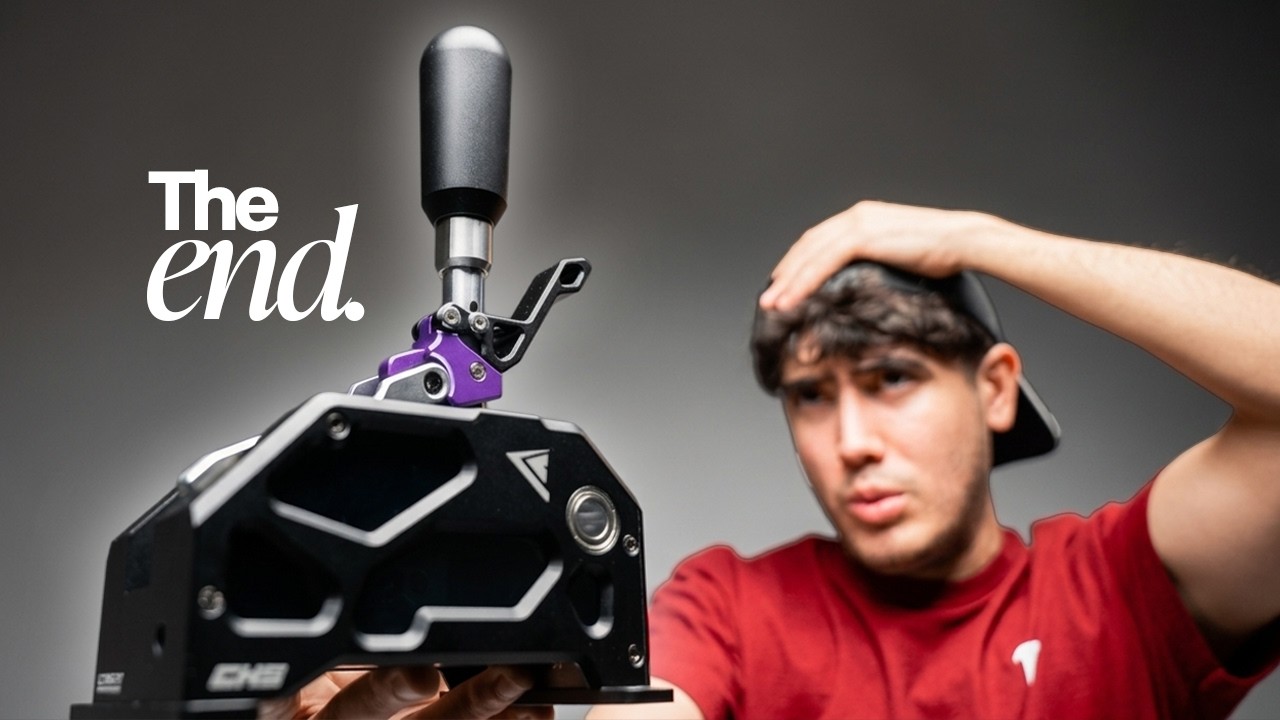
Conspit CHS · $369 Conspit sent this product to me for review. Conspit has entered the shifter market with the CHS, a dual-mode shifter that combines a 7-gear H-pattern with…
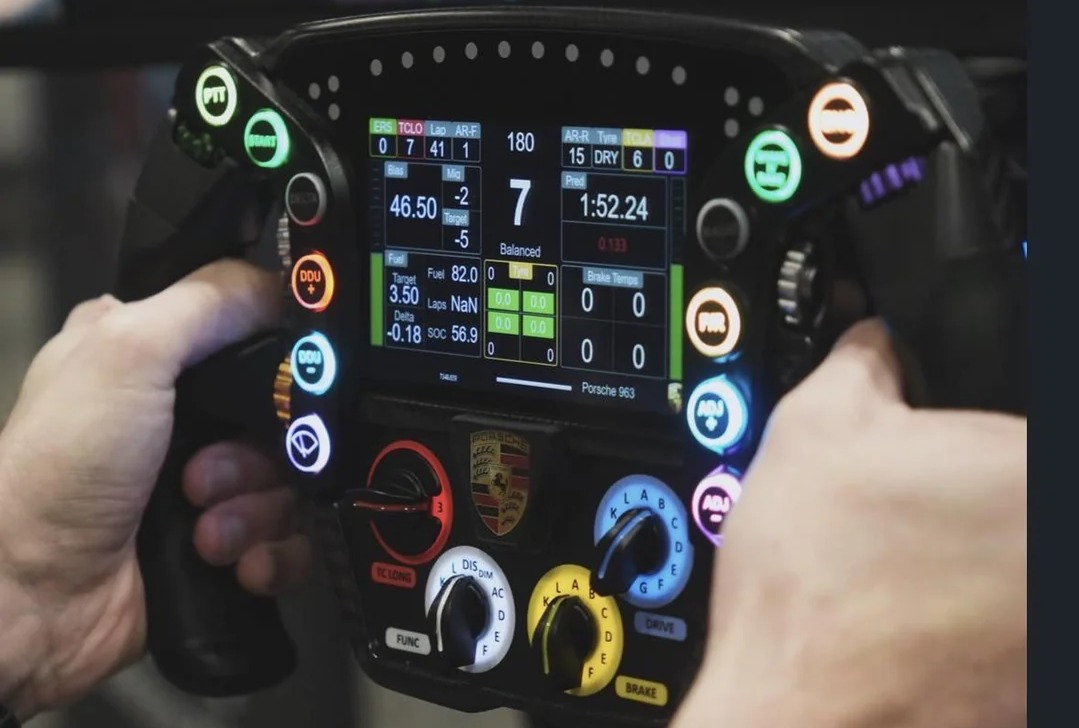
After making its public debut in Chicago, Sim-Lab is bringing its upcoming Porsche 963 replica steering wheel to SimRacing Expo Frankfurt for another major showcase.
Gran Turismo 7 Spec IV Part 1 arrives October 15 with Sportsland SUGO, six new cars including the Ferrari F355, new Brand Central challenges, Car Concierge, Car Viewer and more.
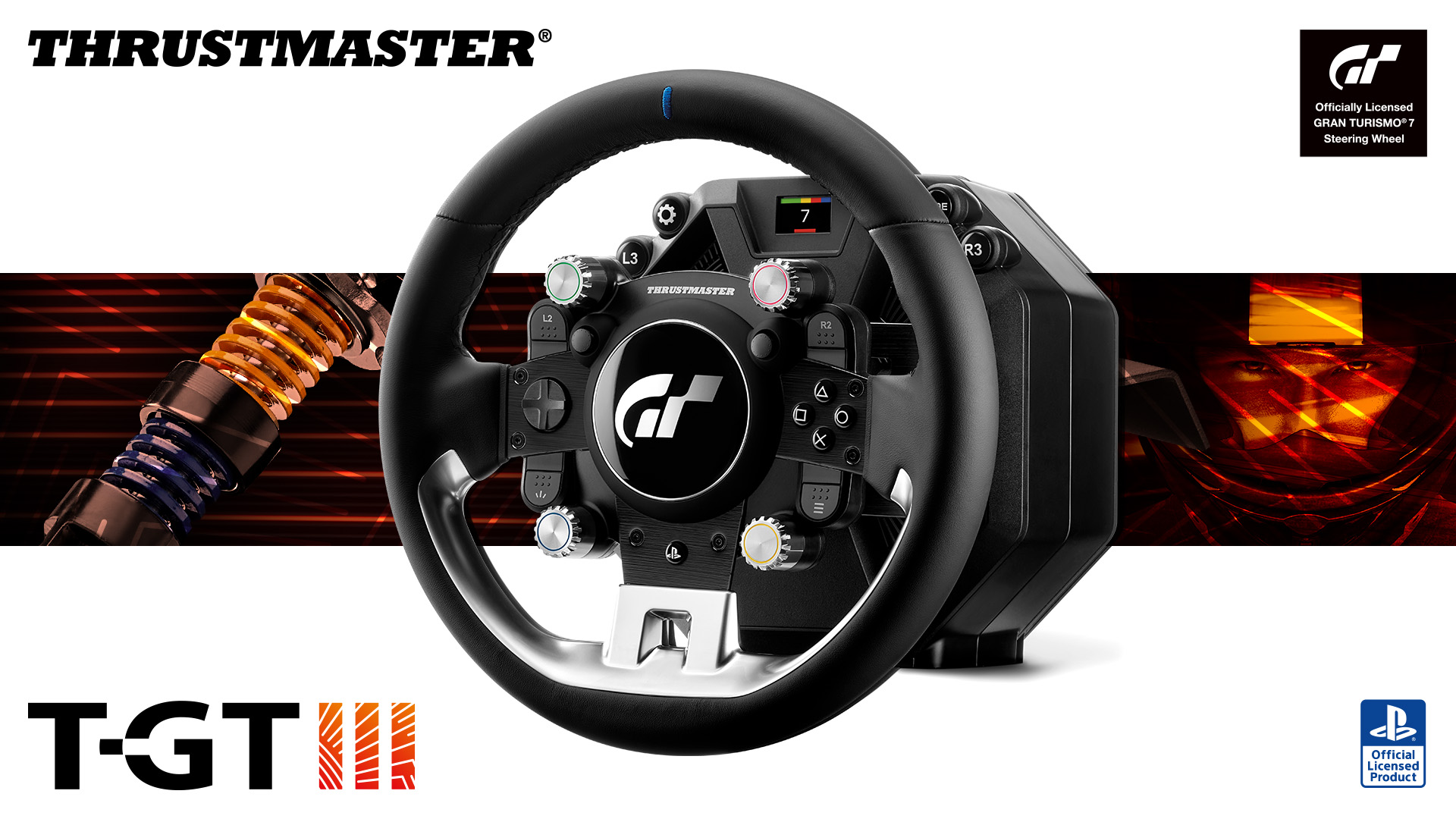
The new Thrustmaster T-GT III brings Direct Axial Drive, 5 Nm of constant torque, load cell pedals, and dedicated Gran Turismo 7 haptics to PS5 and PS4.
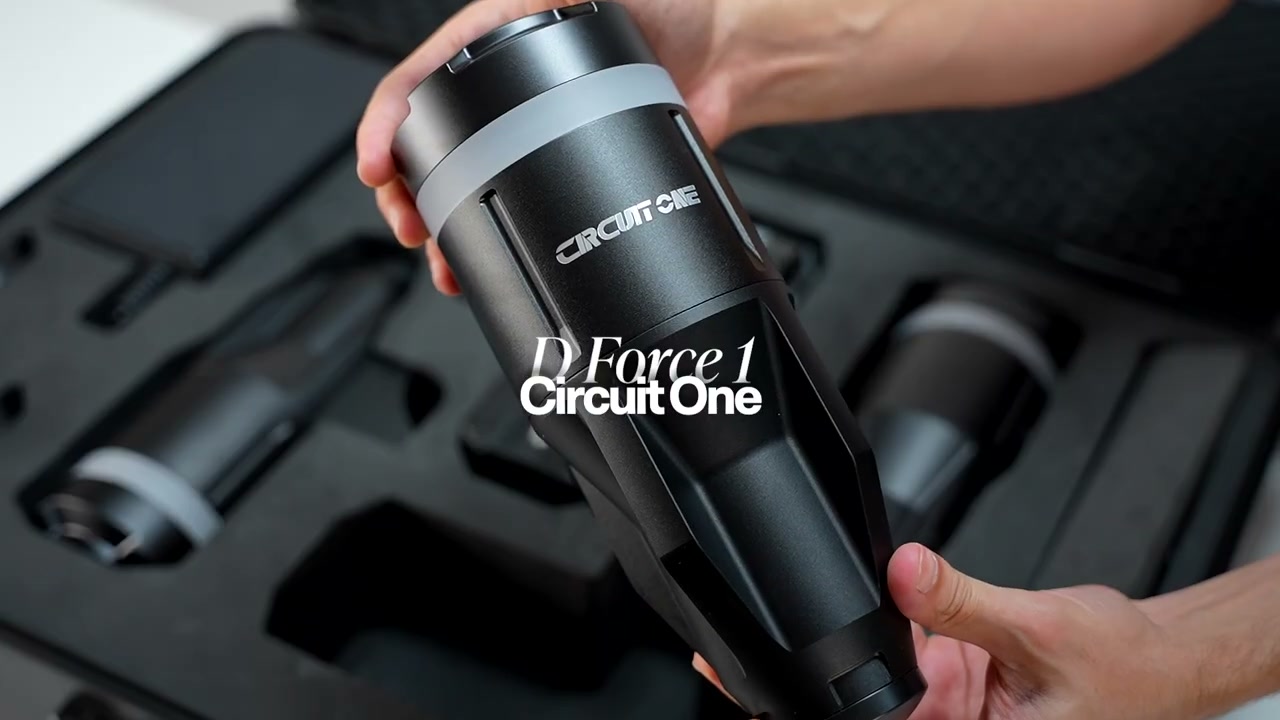
The Circuit One D Force 1 packs four motion actuators into a suitcase, installs in about 10 minutes, and trades big travel for detail you can actually use.
Assetto Corsa EVO Update 0.9 introduced a major overhaul to the game's GT tyre model, changing how cars behave around the limit across a wide range of GT machinery.
Project Motor Racing has received its Version 2.3 update, bringing the Lamborghini Temerario to the simulator alongside a new vehicle class, physics revisions, visual improvements and a series of changes…



Moza at Gamescom 2026: MotoGP, Mercedes, Ford and Porsche Hardware Revealed - OC Racing says:
[…] haptics to a much lower price point. Moza is additionally demonstrating its Racing Lab AI Coach and HMA150 motion system at the show, although those were already revealed earlier this […]
Jordan says:
Hi
Do you want to share your settings for the MOZA HMA150 MOTION PLATFORM?
Have a nice day
Jordan
Ps like your video’s