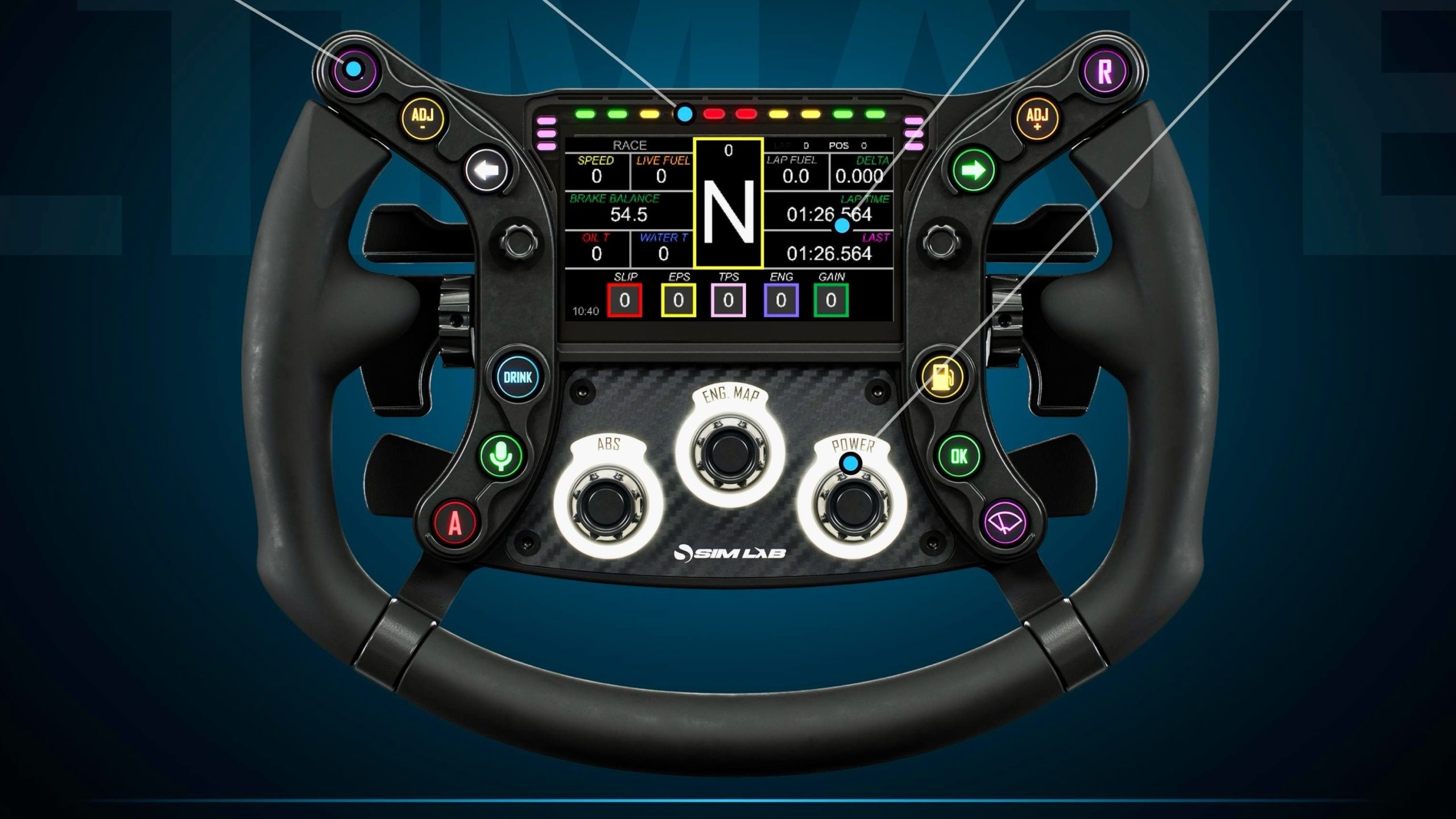
Sim-Lab unveils GTSL Ultimate steering wheel at Sim Racing Expo Frankfurt
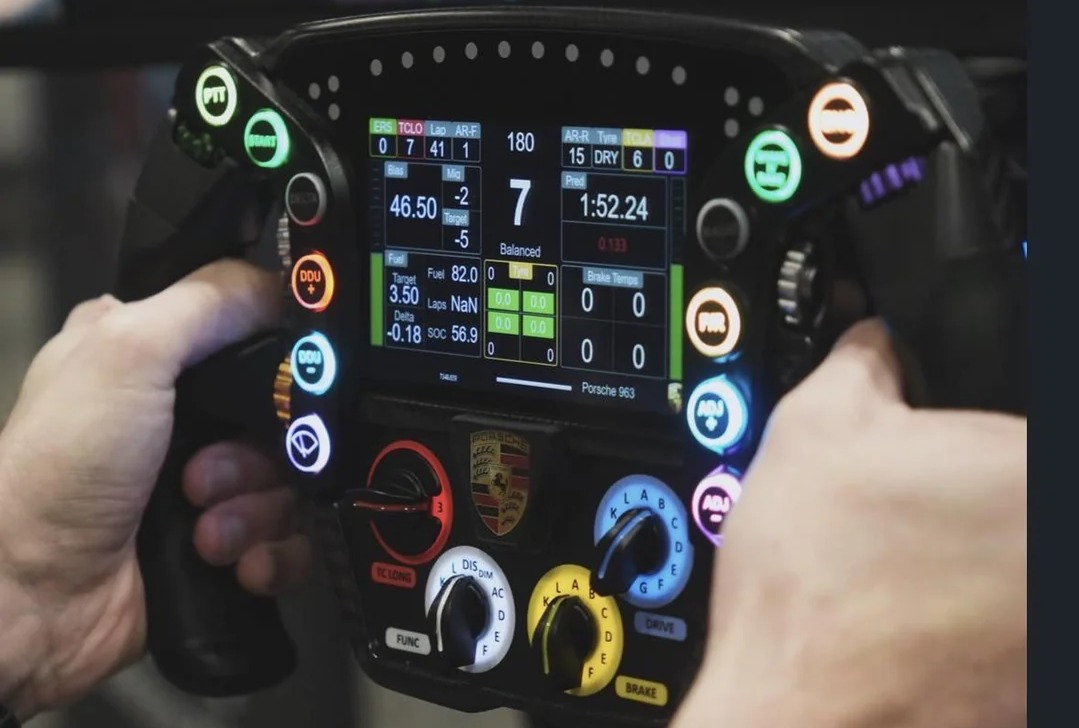
Sim-Lab will unveil the GTSL Ultimate, a new version of its GTSL steering wheel platform, at Sim Racing Expo Frankfurt this weekend.

If you spend enough time in sim racing, at some point you start asking yourself the same question most of us do. What hardware upgrades actually make the biggest difference? Not just what looks cool on Instagram, not just what sounds impressive on paper, but what genuinely improves the experience every time you sit down and drive.
That answer will always vary a little from person to person, especially depending on budget, goals, and what type of sim racer you are. But looking back at my own setup and everything I have used over the years, there are three upgrades that stand out above the rest. These are the ones I would recommend to almost everyone because of how much they improve either performance, consistency, immersion, or simply the enjoyment of the hobby.
Verified purchase options at lowest current prices:
Affiliate disclosure
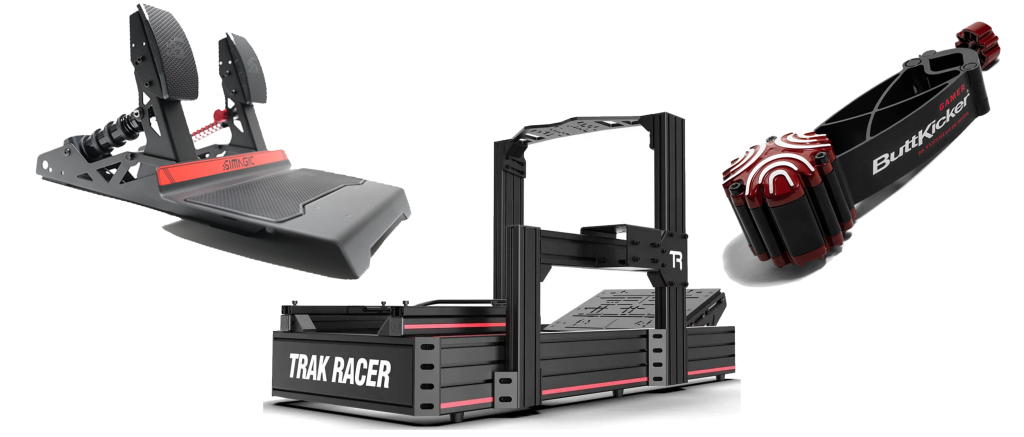
If I had to choose one major upgrade that changes the feel of a setup more than almost anything else, it would be a proper sim racing cockpit. This is the kind of upgrade that affects everything. It is not as flashy as a new direct drive wheelbase or as exciting to talk about as some high-end steering wheel, but the impact it has on the overall experience is massive. Once you move from a desk setup or something that flexes around too much into a sturdy cockpit, the whole simulator starts to feel far more serious and connected.
The biggest reason for that is simple. A good cockpit gives every other component a proper foundation. Your wheelbase stays planted, your pedals stop shifting around, your seating position becomes repeatable, and suddenly your hardware is allowed to perform the way it was meant to. That alone can make the entire setup feel cleaner and more confidence-inspiring. You stop fighting the rig and start focusing more on the driving itself, which is obviously how it should be.
This matters even more if you are running stronger hardware. A wheelbase that moves a desk around or causes flex in a weaker stand is never going to feel as good as it should. The same goes for pedals, and especially for braking. Once the structure underneath you becomes rigid, every input starts to feel more deliberate and more consistent. In a hobby where repeatability matters so much, that makes a huge difference.
There is also the immersion side of it. A proper cockpit changes the mood of the whole setup. It makes everything feel more intentional, more realistic, and more like an actual driving environment rather than just a collection of parts. For a lot of people, it is the first upgrade that makes sim racing start to feel like a “real” rig. That feeling matters more than people sometimes realize.
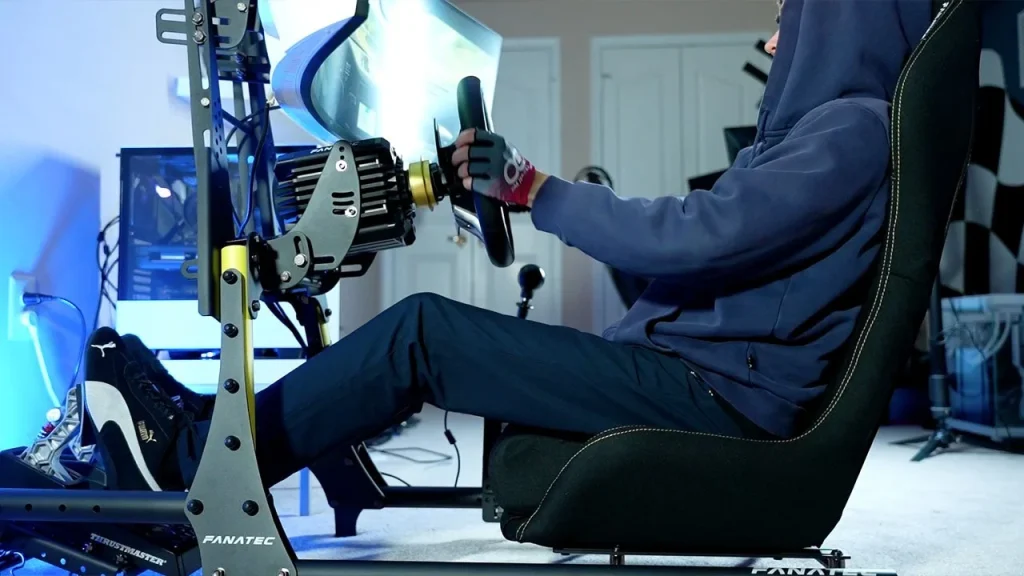
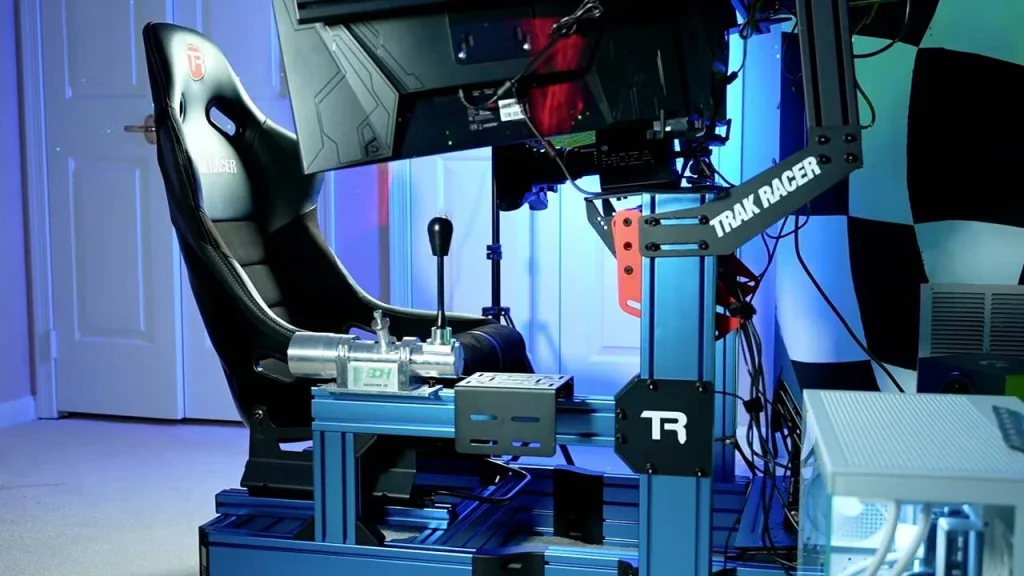
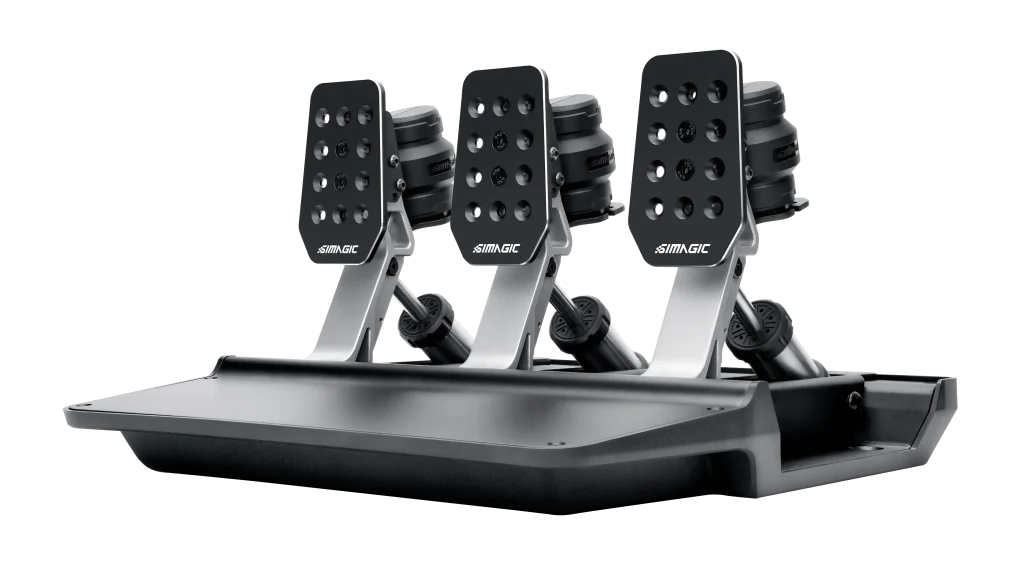
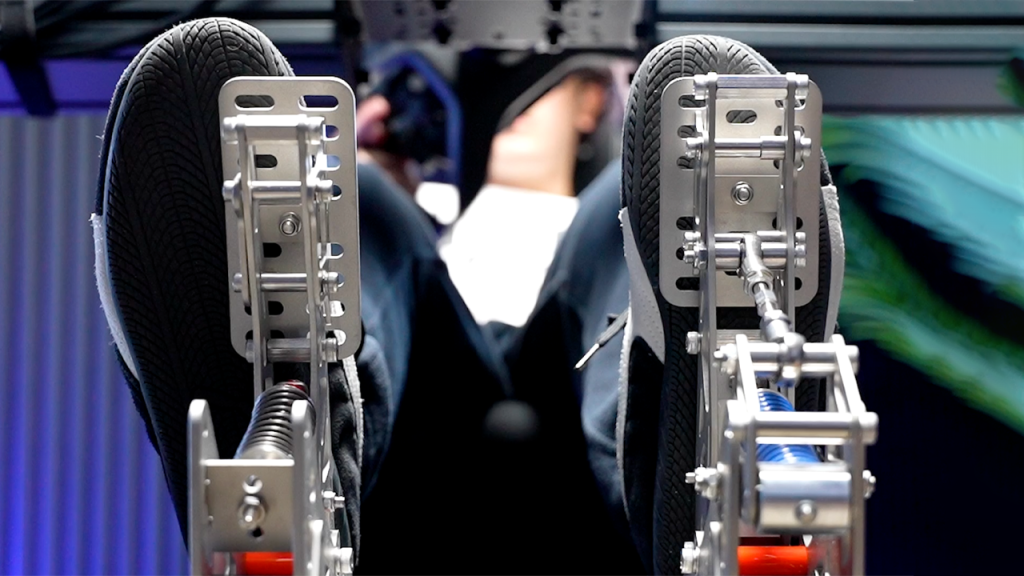
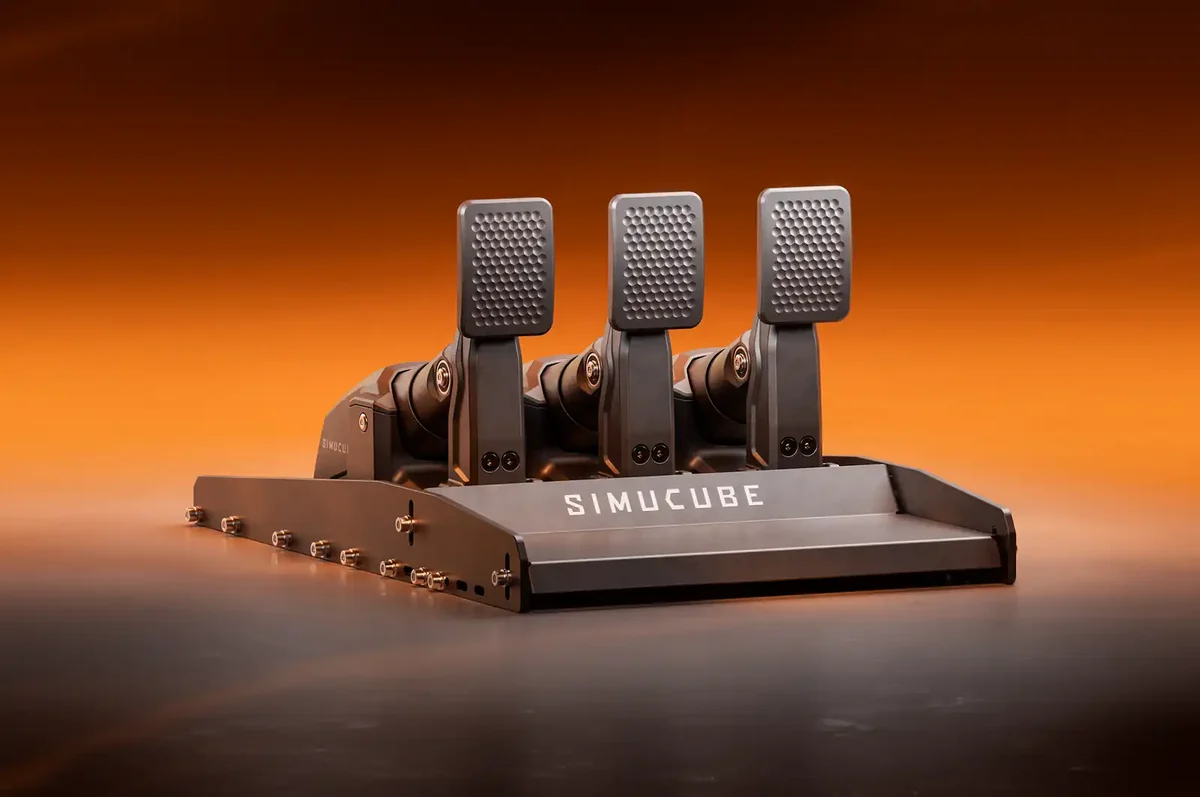
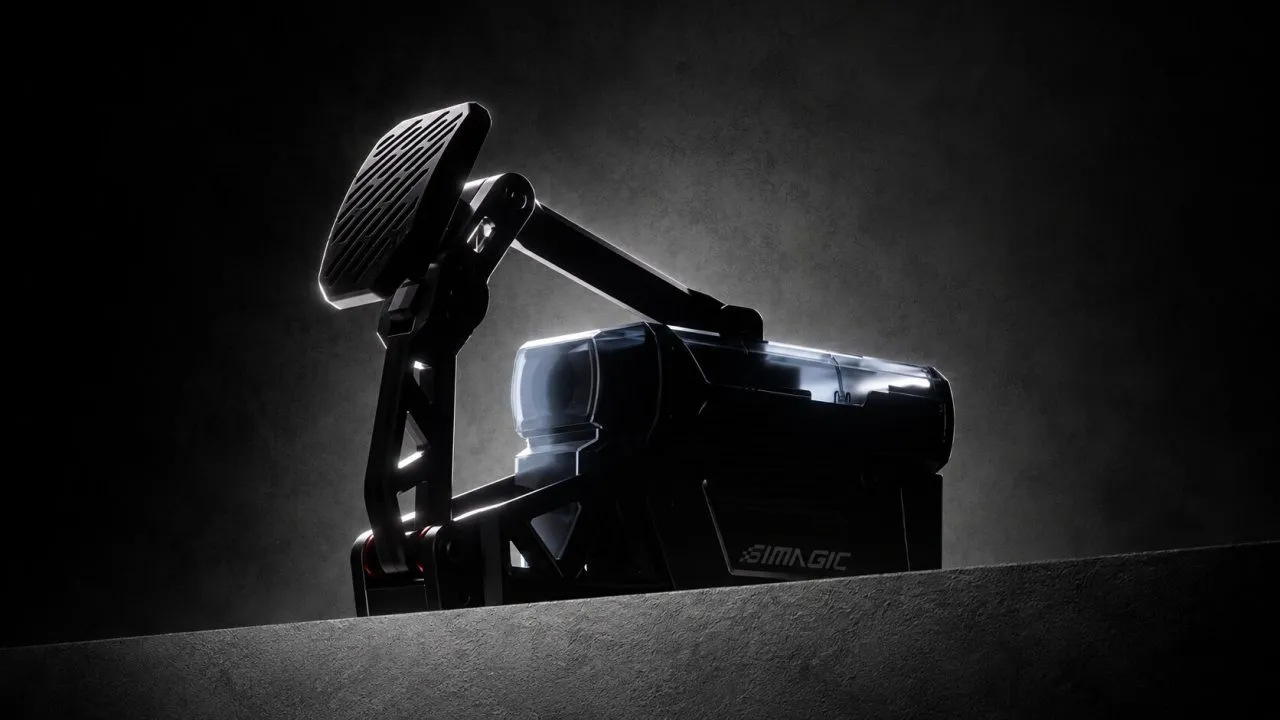
If the cockpit is the biggest structural upgrade, then a load cell brake is probably the biggest driving upgrade. This is one of the most widely praised improvements in sim racing, and for very good reason. Once you use a good load cell brake pedal, it becomes very easy to understand why so many people say it is one of the best hardware upgrades you can make.
The reason is that a load cell brake measures braking force through pressure rather than pedal travel. In other words, instead of relying mainly on how far the pedal moves, it responds to how hard you push it. That makes the whole braking process feel far more natural, especially if you have any interest in realism or consistency. Real cars are far more about force-based braking than distance-based braking, and load cell pedals bring sim racing much closer to that experience.
More importantly, it tends to make you more consistent over time. Because you are learning to apply a repeatable amount of pressure rather than trying to memorize pedal position, threshold braking becomes much easier to build muscle memory around. That does not mean you instantly become faster the second you plug one in, but it does mean the pedal gives you a much better foundation to improve from. Over time, that absolutely matters.
It also works hand in hand with the cockpit I mentioned above. A load cell brake really comes alive when it has a solid platform underneath it. If your rig flexes every time you brake hard, you lose part of the benefit. But when you combine a rigid cockpit with a proper load cell pedal, braking suddenly feels much more stable, much more believable, and much easier to trust. That is a very satisfying upgrade path because each piece improves the other.
And beyond pure performance, it simply makes the act of driving feel better. Braking is one of the most important parts of going fast, and when that part of the experience feels more realistic and more controlled, it changes how you approach every lap. It is one of those upgrades that you notice immediately, but appreciate even more as time goes on.
Now, unlike the first two upgrades, this one is not really about making you faster. It is about making sim racing way more fun. And for that reason alone, I absolutely had to include it. Haptics, whether that is a Buttkicker or another similar tactile feedback system, add a whole extra layer of immersion to a rig that is very hard to give up once you have experienced it.
What haptics do is add physical vibration and feedback to your cockpit based on what is happening in the sim. That can mean engine rumble, gear shifts, curbs, road texture, wheel slip, impacts, and all kinds of other effects depending on how you have things set up. Instead of only seeing and hearing what the car is doing, you also start feeling more of it through the rig itself. That makes the whole experience much more alive.
There is something about feeling a curb through the seat or getting that extra little jolt on shifts that adds a lot to the fun factor. It helps the simulator feel more mechanical and more connected, and it turns even casual driving into something a bit more exciting. Especially if you care about immersion, haptics are one of those upgrades that can put a big smile on your face every time you use them.
And while I would not rank them above a cockpit or load cell brake in terms of helping someone drive better, I do think they are hugely valuable in another way. Sim racing is supposed to be enjoyable. Not every upgrade has to be about lap time, ultimate pace, or shaving off a tenth. Some upgrades are worth it because they make the whole hobby more engaging, more memorable, and more satisfying to sit down with. Haptics absolutely fall into that category.
If I had to narrow it down to just three sim racing hardware upgrades that I would recommend to almost anyone, these would be the ones. A sturdy cockpit gives your entire setup the foundation it needs. A load cell brake improves one of the most important parts of driving and helps you become more consistent. And haptics add a whole extra layer of immersion and enjoyment that makes the simulator feel far more alive.
Of course, there are plenty of other great upgrades out there. Direct drive wheelbases, better displays, stronger pedals, nicer wheels, and all sorts of other accessories can absolutely be worth it too. But if we are talking about the upgrades that stand out most clearly in terms of impact, these three are right at the top for me. They improve the rig, they improve the feel of driving, and in different ways, they improve the whole sim racing experience.

Design & development by CIDIX
· Sim rig builder, deals pipeline, simracing tools, comparisons, adspace & forum · Custom code licensed to OC Racing