New PXN Direct-Drive Wheelbases Explained: VD4, VD6, and VD10 Breakdown
OC Racing
December 30th, 2025
Over the past few years, direct-drive wheelbases have gone from being a high-end luxury to something that more and more sim racers can realistically afford. Brands like Moza, Fanatec, and Simagic have done a lot to push prices down, but even then, the entry point has still felt just a bit out of reach for many people.
PXN changing that conversation is not something many expected. Historically, PXN has been associated with budget-friendly gear aimed at casual players rather than serious sim racers. That perception started to shift recently, and with the launch of the VD4, VD6, and VD10 direct-drive bundles, PXN has officially entered one of the most competitive segments in sim racing.
These three wheelbases are not only priced aggressively, but they are positioned in a way that directly challenges some of the most popular options currently on the market. Here is a clear breakdown of what PXN is offering, how the lineup is structured, and why this release matters.
Use code “OCRACING for 5% off any purchase on the PXN store, including these wheelbases.
PXN’s Direct-Drive Strategy
PXN’s approach with the VD lineup is very deliberate. Rather than releasing a single wheelbase and expanding later, they launched three models at once, each targeting a different type of sim racer.
The pricing alone makes that clear. The VD4 bundle launches at around $300, the VD6 at $380, and the VD10 at $500. That places them directly against popular entry and mid-range offerings, but with torque numbers that immediately raise eyebrows.
This is not accidental. PXN is clearly aiming at buyers who are comparing spec sheets and value per dollar, especially first-time direct-drive buyers who want to maximize performance without overspending.
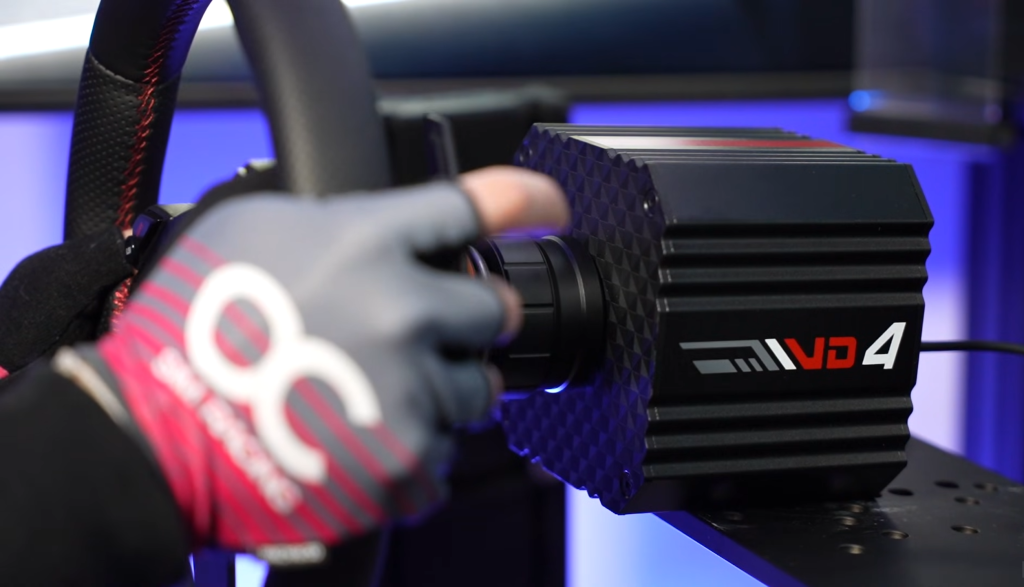
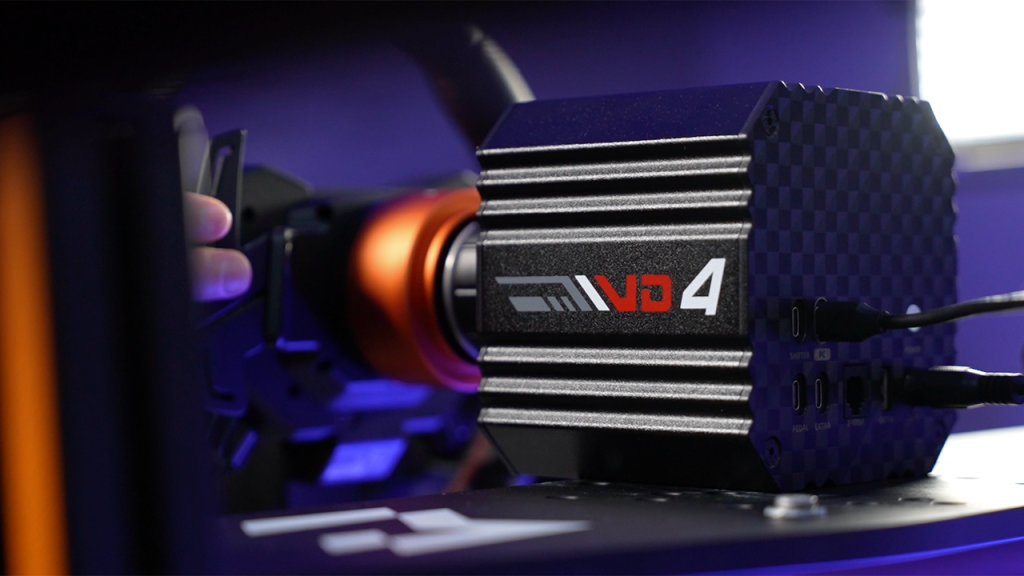
PXN VD4: Entry-Level Direct Drive
The PXN VD4 is the most affordable option in the lineup, and it is also the most important. This is the wheelbase designed to pull people out of gear-driven and belt-driven systems and into direct drive for the first time.
The VD4 delivers 4 Nm of constant torque with peak output reaching up to 5 Nm. On paper, that already places it slightly above some well-known entry-level direct-drive systems. In practice, that extra headroom can help with sharper force feedback spikes, curb impacts, and overall responsiveness.
At this price point, expectations should be realistic. The VD4 is not targeting hardcore endurance racers or those running heavy rims. Instead, it is aimed squarely at desk users, casual sim racers, and those upgrading from older wheels like the Logitech G-series or entry-level Thrustmaster bases.
The real story with the VD4 is value. Getting into direct drive at roughly $300 is a significant moment for the market, especially when torque output is competitive rather than compromised.
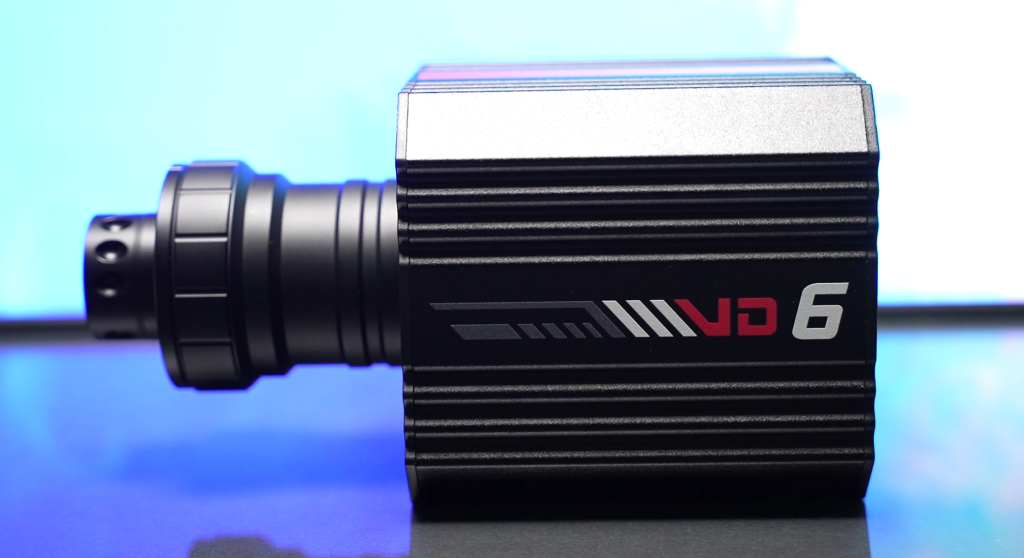
PXN VD6: The Sweet Spot
The VD6 is where PXN’s lineup becomes especially interesting. Positioned at $380, it offers 6 Nm of constant torque with peaks up to 7 Nm.
This places the VD6 directly in what many consider the sweet spot for sim racing. At around 6 Nm, force feedback becomes strong enough to feel detailed and immersive without requiring an extremely rigid cockpit or heavy-duty mounting solution.
For most sim racers, this level of torque is more than sufficient. It allows for stronger steering weight, clearer road detail, and better communication during slides and limit driving. Importantly, it also gives users room to grow without immediately feeling the need to upgrade.
What makes the VD6 stand out is that PXN did not play it safe here. Instead of matching competitors exactly, they slightly exceeded common torque benchmarks, which makes comparisons unavoidable.
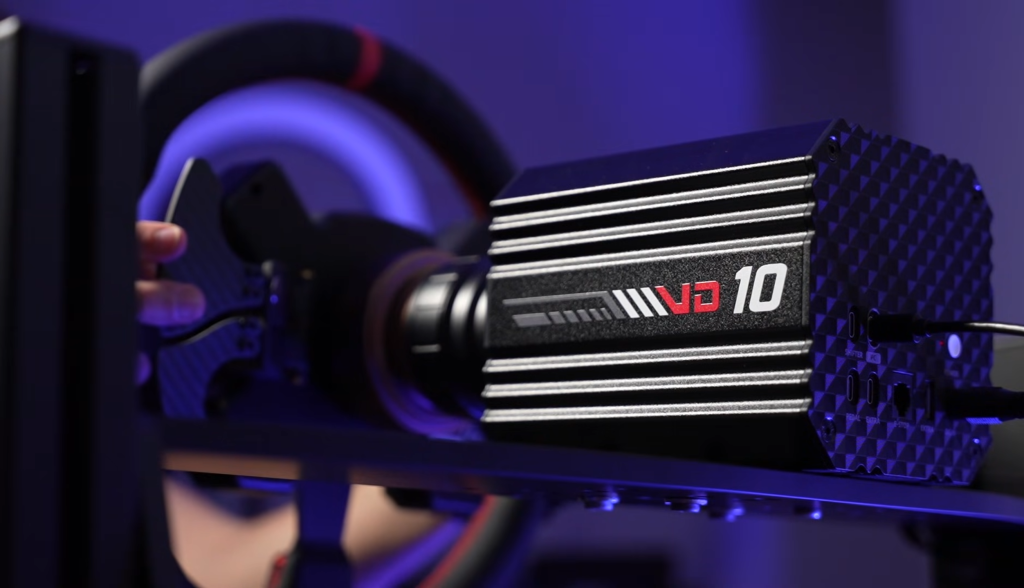
PXN VD10: Pushing Into Mid-Range Territory
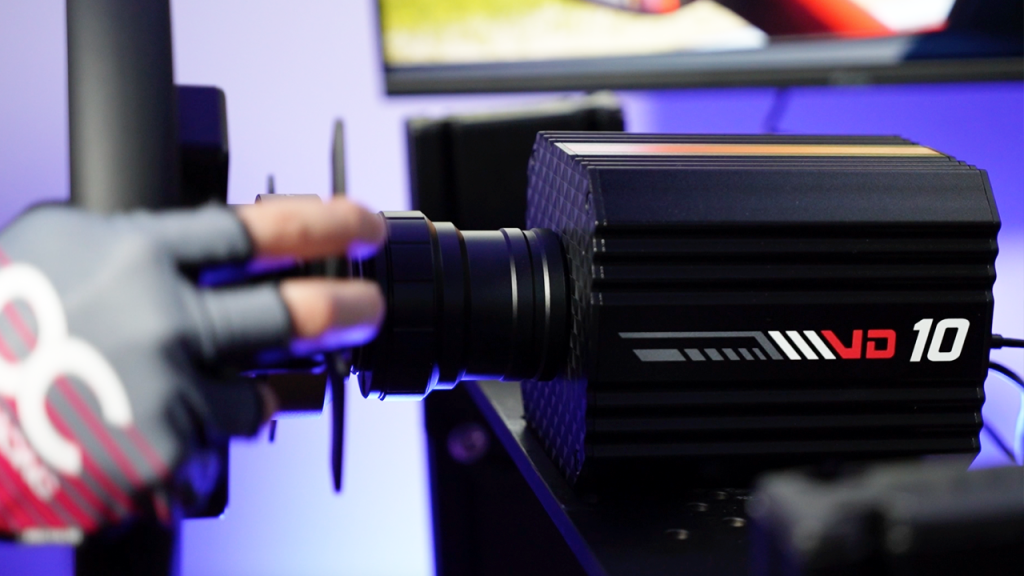
The VD10 is PXN’s most ambitious offering. At $500, it delivers 10 Nm of constant torque with peak output reaching up to 12 Nm.
This places it firmly in mid-range direct-drive territory, a space traditionally dominated by more established brands. At this torque level, the wheelbase is capable of delivering strong, authoritative force feedback that can satisfy even demanding sim racers.
Ten Newton meters is enough to run larger and heavier rims, drive high-downforce cars convincingly, and maintain strong feedback without clipping. It also means that the VD10 is no longer aimed at beginners alone, but at serious enthusiasts looking for performance per dollar.
For PXN, this model is a statement. It signals that they are not only interested in budget buyers, but also in competing directly with well-known mid-range systems.
Torque Numbers and Market Disruption
One of the most talked-about aspects of PXN’s new lineup is how the torque figures compare to existing options. In multiple cases, PXN’s bases offer slightly higher torque than similarly priced competitors.
This may seem minor on paper, but it matters. Torque numbers are one of the first things buyers look at, especially when shopping for their first direct-drive system. Even a small numerical advantage can influence purchasing decisions, particularly when prices are lower or equal.
Whether those torque figures translate perfectly into real-world performance depends on factors like motor quality, software tuning, and overall force feedback implementation. Still, PXN has made it impossible to ignore their presence in this space.
Performance Expectations and Reality
While pricing and torque numbers are impressive, they are not the whole story. Performance in sim racing depends heavily on force feedback detail, response speed, and software stability.
PXN’s direct-drive bases show clear potential, but like many new entrants, there are trade-offs. Some aspects of force feedback tuning and software refinement still lag behind more mature ecosystems. This is not unusual and has been seen with nearly every brand entering the direct-drive market for the first time.
The important thing is that PXN has laid a solid foundation. Hardware capability appears to be there, and with continued software updates, these bases could improve significantly over time.
Who These Wheelbases Are For
The VD4 is ideal for beginners and casual sim racers who want to experience direct drive without committing a large budget. It makes the transition from entry-level wheels both accessible and appealing.
The VD6 targets the broad middle of the market. If you want strong force feedback, good immersion, and long-term usability without stepping into expensive territory, this is arguably the most balanced option.
The VD10 is for enthusiasts who want serious torque at a competitive price. It is best suited for rigid rigs and users who know they want mid-range performance without paying premium-brand pricing.
Final Thoughts
PXN’s VD4, VD6, and VD10 bundles represent one of the most aggressive pushes the sim racing market has seen in recent years. By combining competitive torque figures with very sharp pricing, PXN has forced established brands to pay attention.
These wheelbases are not perfect, and they are not trying to be. What they offer is choice, value, and a lower barrier to entry for direct drive than ever before.
If PXN continues refining their software and expanding their ecosystem, this lineup could become a serious long-term presence in sim racing. Even now, it is clear that affordable direct drive has taken another major step forward.
Assetto Corsa EVO Update 0.6 introduces six new cars, Sebring International Raceway, and major physics and multiplayer improvements, but players are still calling for missing core features.
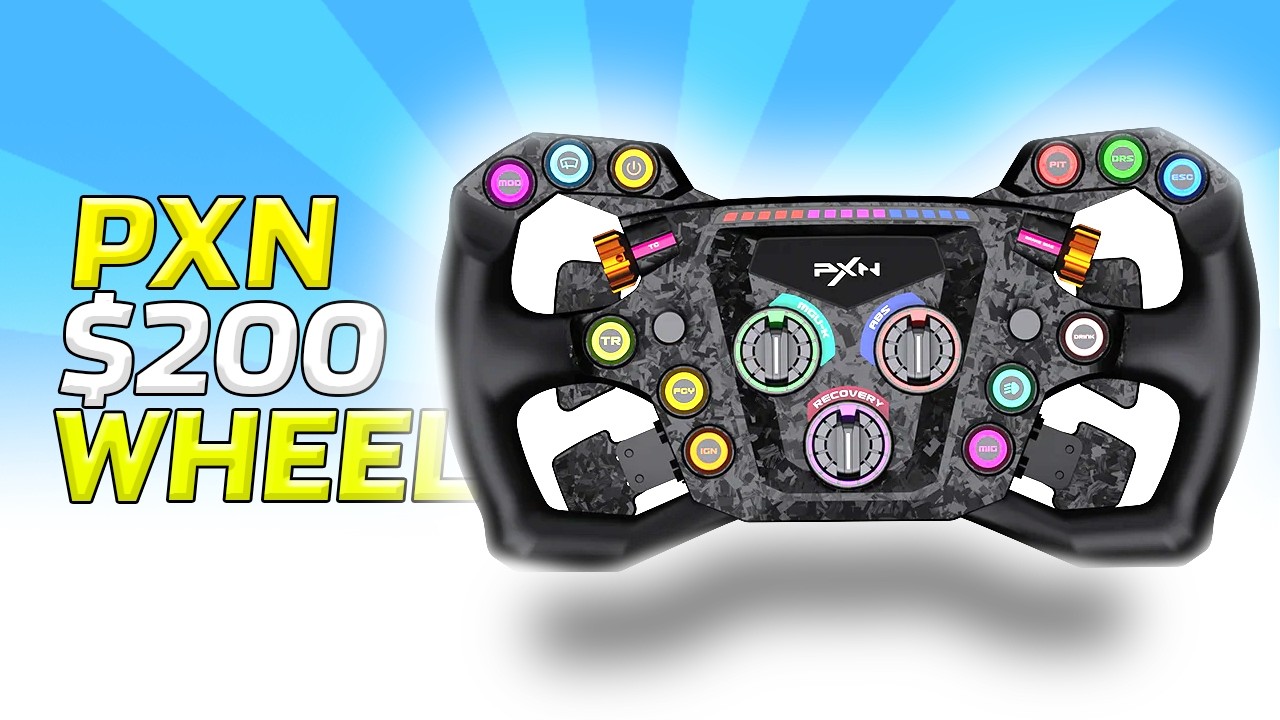
Looking for the best cheap direct drive wheel base? Here is how the Fanatec CSL DD, Moza R3, PXN VD4, and Moza R5 compare, and which one I would actually…
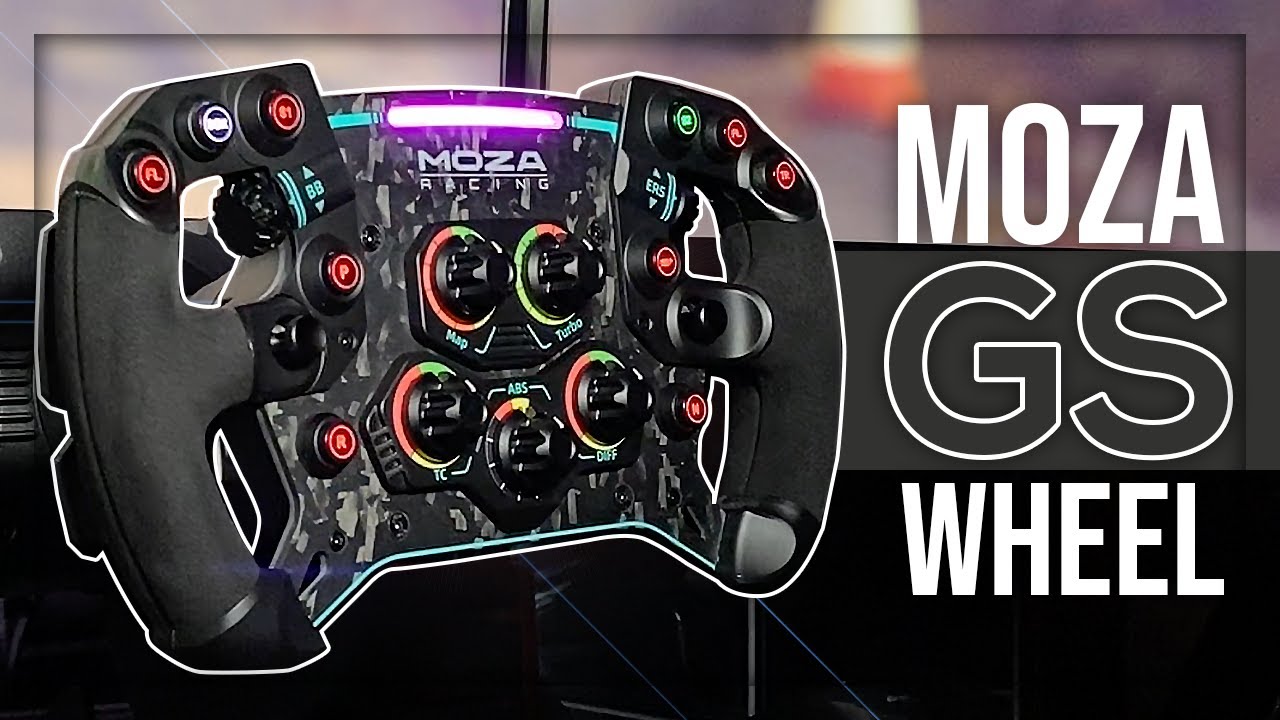
The Moza GS wheel is a high-end formula-style sim racing wheel featuring forged carbon fiber, Alcantara grips, magnetic paddles, and deep software integration. Here is a full breakdown of how…
Hot Wheels and Trak Racer have announced a new collaboration that blends iconic automotive design with immersive sim racing hardware, marking a unique crossover between nostalgia and modern racing simulation.
The PXN GT One aims to bring GT-style sim racing features to a lower price point, with solid ergonomics, strong compatibility, and better materials than many rivals.
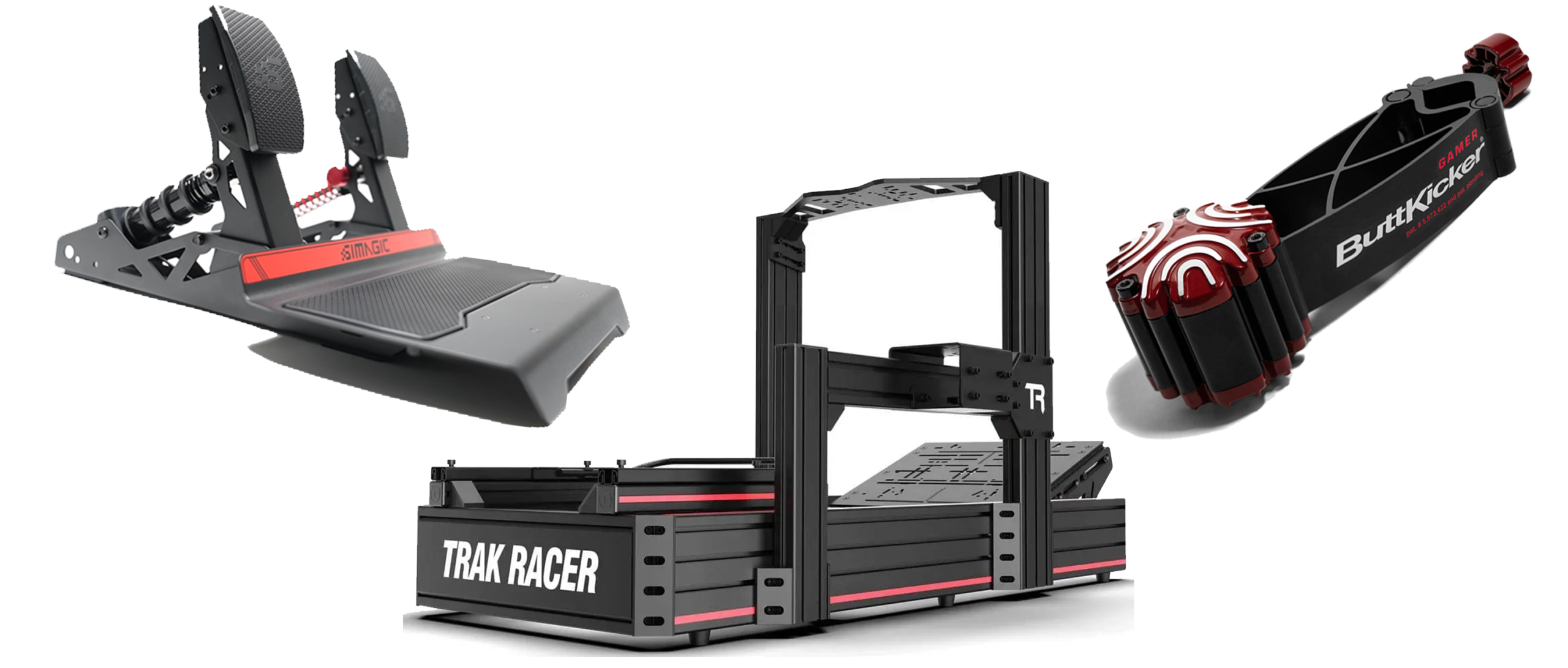
These are my top 3 sim racing hardware upgrades that I would recommend to almost everyone, from a sturdy cockpit and load cell pedals to haptics that make the whole…
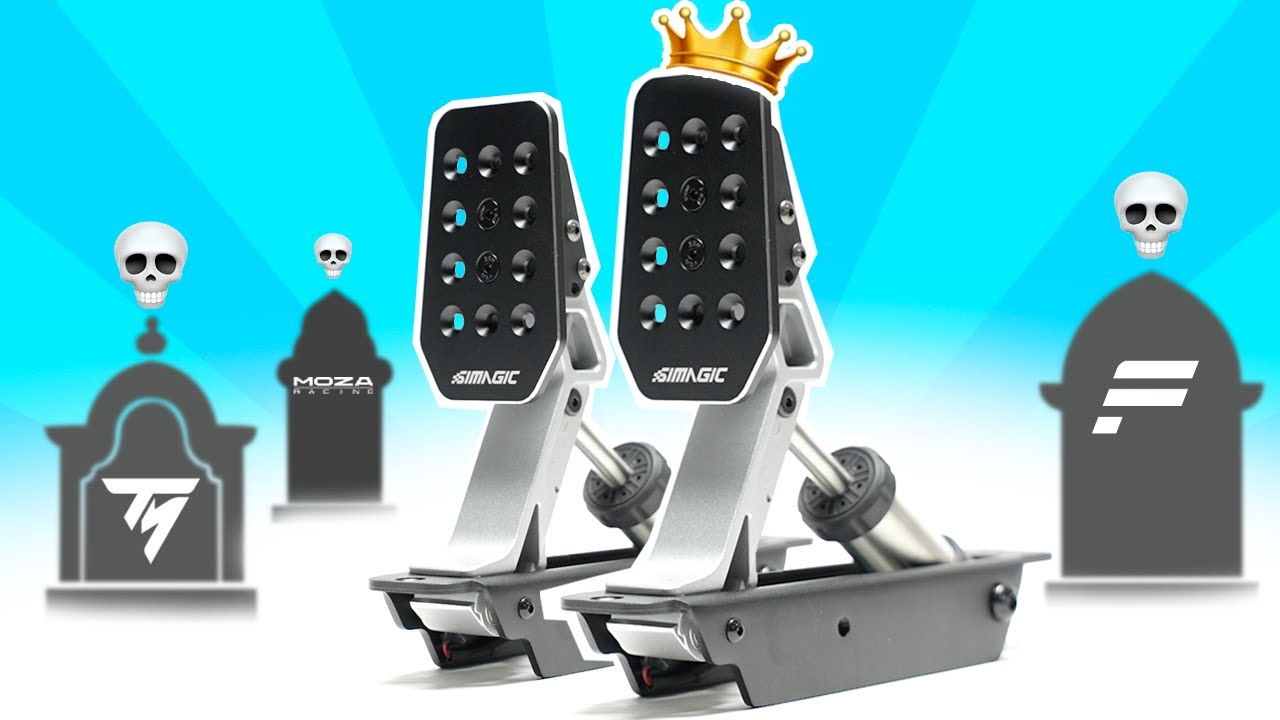
The Simagic P500 pedals bring a full metal build, 100 kg load cell braking, and optional pedal rumble to the entry-level market at only 200 dollars. Here is my full…
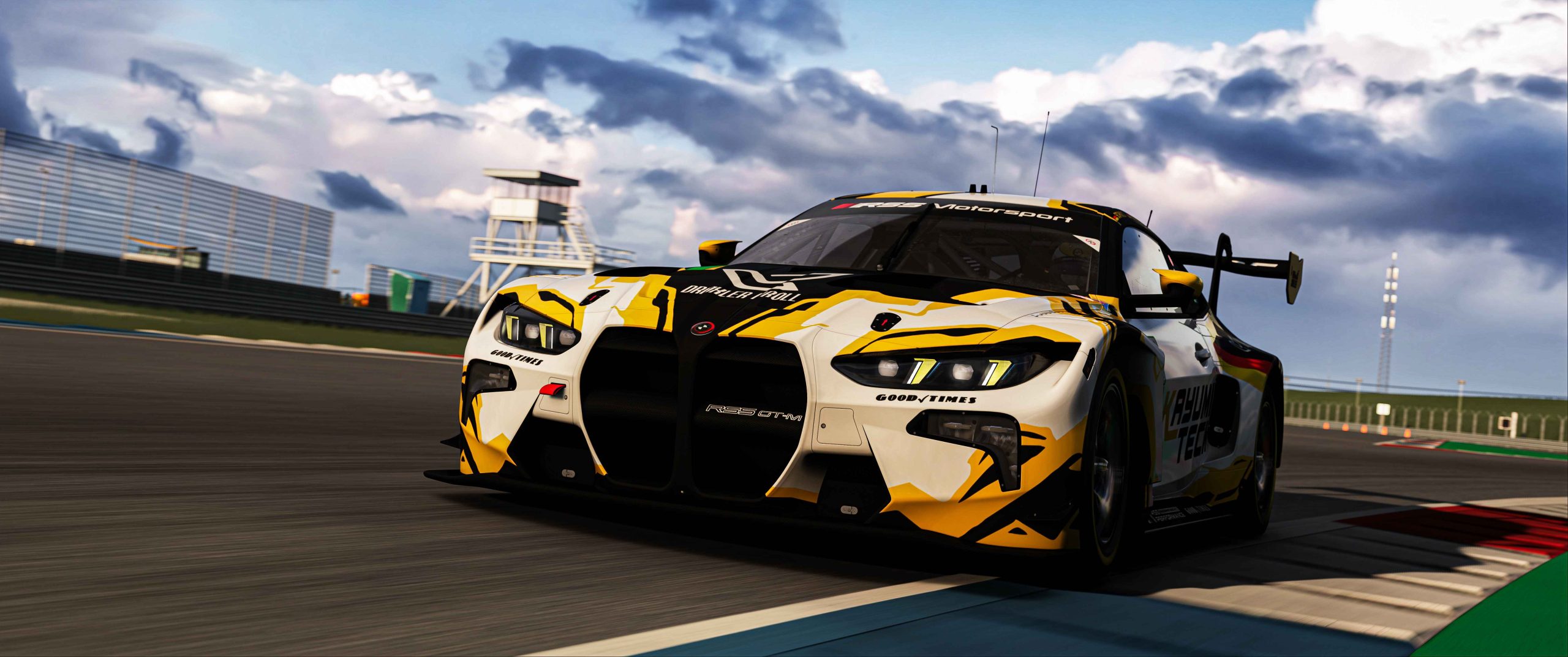
Race Sim Studio’s GT-M Bayer i6 Evo brings the BMW M4 GT3 EVO to Assetto Corsa with elite visuals, excellent force feedback, and a tricky braking balance that takes real…


Nick Cote says:
Just ordered the VD10 for my 2nd rig, can’t wait to do some head to head racing with the boys.
OC Racing says:
Nice! Excited for you 🙂