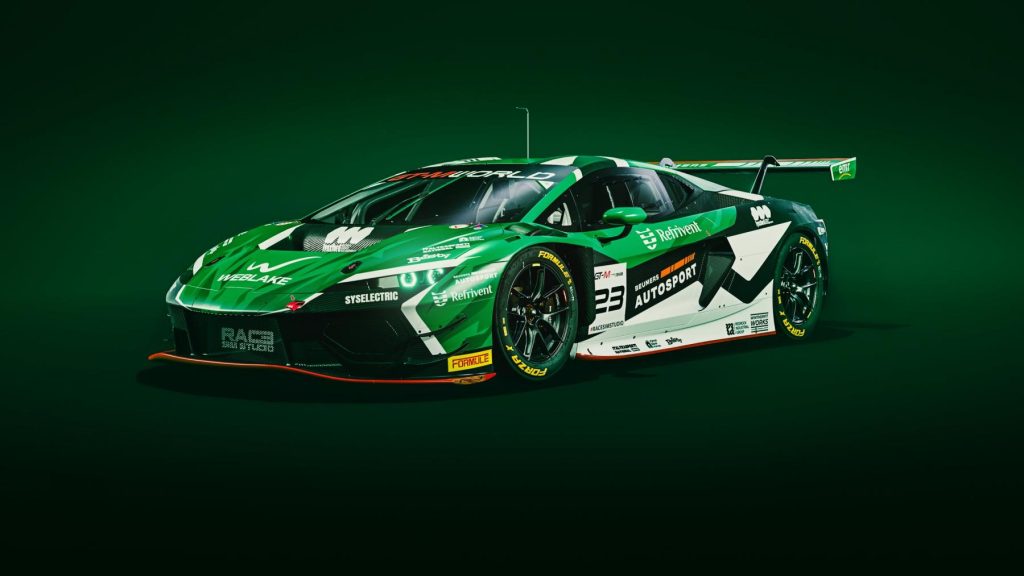
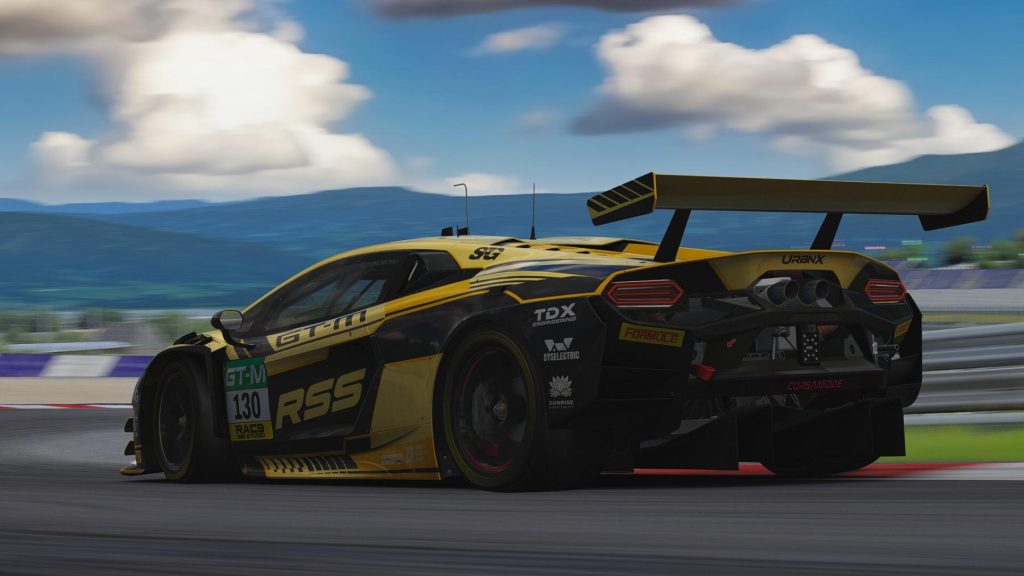
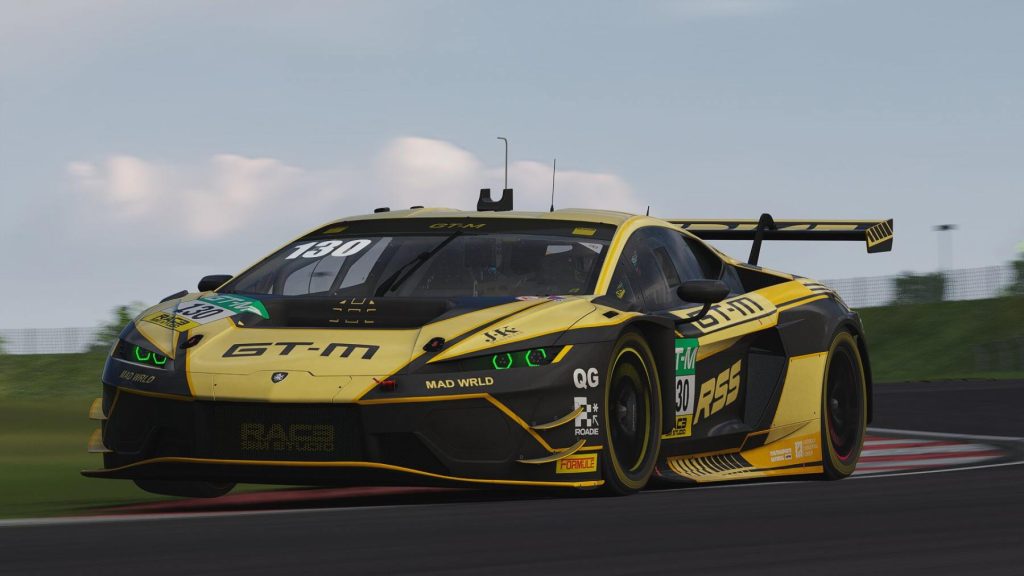
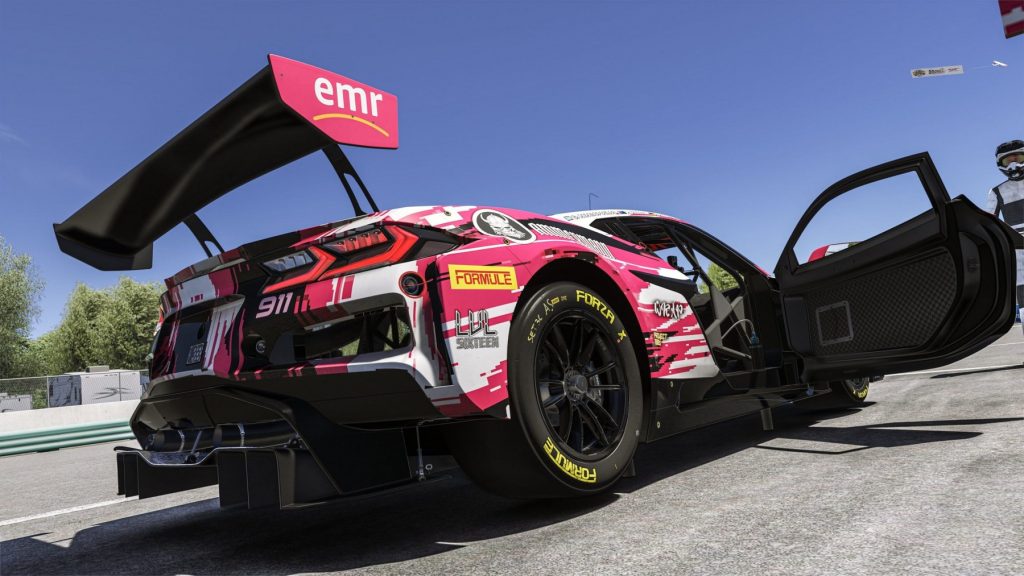
Race Sim Studio has officially released the GT-M Lanzo V8 for Assetto Corsa, bringing its interpretation of the Lamborghini Temerario GT3 to the simulator. The car launched on August 13 and is now the third available vehicle in the company’s GT-M Championship Phase 3 collection.
We actually covered the Lanzo V8 earlier this month as it approached the final stages of development, and now it is finally here. RSS is calling this its most comprehensive GT-M project to date, with a huge amount of work going into the different racing configurations, electronics, lighting, physics, and Balance of Performance systems.
The Lanzo V8 has been in development since November 2025, so this has been a fairly substantial project for Race Sim Studio. The finished car uses a twin-turbo V8 and comes with several different configurations designed to represent the various specifications the real race car can compete in.
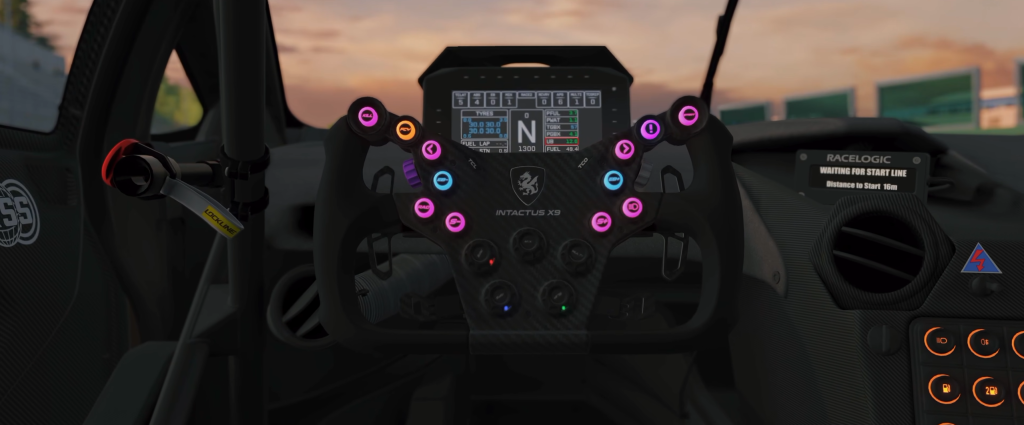
That includes configurable LED identification points, different display layouts, auxiliary racing displays, category-specific components, and several lighting configurations. Original and sprint-style lighting setups are included, along with smaller animated details such as the halo rings surrounding the headlights when the car is powered on.
RSS has also put a lot of work into the electronics and vehicle systems. The Lanzo introduces the latest version of the company’s Balance of Performance technology, including energy-limiting systems that allow the car to operate under different regulatory approaches. That should be particularly useful for leagues trying to create more authentic grids across different championships.
It Is Based on the New Lamborghini Temerario GT3
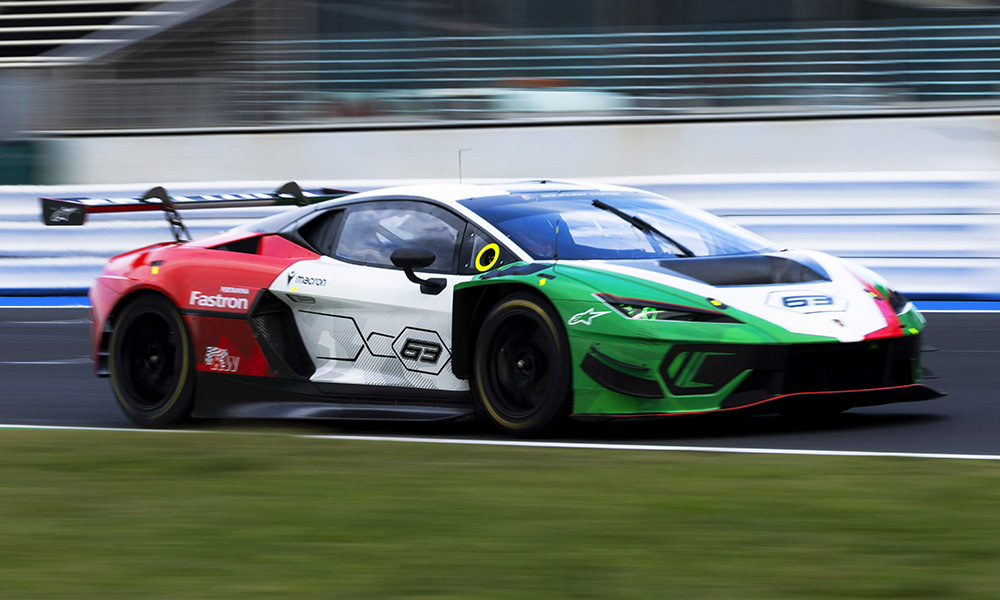
The obvious real-world inspiration here is the Lamborghini Temerario GT3, which replaces the enormously successful Huracán GT3. The real car made its competition debut during the 2026 12 Hours of Sebring and represents a major change for Lamborghini customer racing.
The biggest difference is the engine. Lamborghini has moved away from the naturally aspirated V10 used in the Huracán and replaced it with a 4.0-liter twin-turbocharged V8. The road-going Temerario combines that engine with three electric motors, but GT3 regulations mean the racing version runs without the hybrid system.
The Temerario GT3 is also significant because it is the first GT racing car entirely designed, developed, and built in-house by Lamborghini. The chassis, bodywork, aerodynamics, and servicing requirements were all developed with customer racing in mind, including removable body sections that make repairs easier during endurance events.
And the real car is already getting results. After making its debut at Sebring earlier this year, the Temerario GT3 has continued appearing in major GT championships and recently claimed its first IMSA victory at Road America.
The Lanzo V8 Has a Lot Going On Underneath
Race Sim Studio has clearly gone further than simply recreating the appearance of the car. The company says the Lanzo uses its newest physics, lighting, electronics, animations, and vehicle systems, while the audio has been developed around the new twin-turbo V8 character.
There is also more configuration than you might initially notice. Different championship specifications can alter displays, lights, identification systems, and other components around the car. For someone simply jumping in for a few laps, a lot of this will probably go unnoticed, but for leagues and people who obsess over the smaller details, there is quite a lot here.
The Lanzo V8 does require Custom Shaders Patch to work. RSS currently recommends CSP version 0.2.7 or newer, so this is not designed as a completely vanilla Assetto Corsa installation.
It Joins the GT-M Phase 3 Lineup
The Lanzo V8 is the third car released for GT-M Championship Phase 3. It joins the Cortex V8 and Lux V8 Evo, with another three cars currently in development.
Those upcoming cars are the Blackthorn V8, Toyama V8, and Nisumo V6. Once everything is released, Phase 3 will contain six modern GT cars designed around a shared technical standard and Balance of Performance system.
RSS plans to release the remaining vehicles progressively through the development period, currently stretching into 2027. Anyone purchasing the complete Phase 3 pack receives the additional cars as they become available.
The Lanzo V8 can be purchased individually, with Phase 3 products currently starting at £4.19, while the complete six-car pack is listed at £11.99. Race Sim Studio is also running its Summer Sale, with discounts across several older products.
A Quick Look at Race Sim Studio
Race Sim Studio is not actually a game development studio in the traditional sense. It is a vehicle development team focused primarily on creating premium content for Assetto Corsa, and it has been doing this for years.
Some of its most recognizable work comes from the Formula Hybrid series, which has recreated several generations of modern Formula-style machinery. RSS has also developed historic Formula cars, prototypes, GT cars, endurance racers, and a growing number of modern GT-M vehicles.
The Lanzo name itself has plenty of history within RSS. The older GT-M Lanzo V10 represented the previous generation of Lamborghini GT machinery, while other recent releases have included the Formula RSS 1990 V10, GT-M Cortex V8, Lux V8 Evo, and several Phase 2 GT cars.
That experience is part of why the new Lanzo is interesting. RSS has been developing this style of Assetto Corsa content for a long time, and Phase 3 appears to be another step forward in the amount of vehicle-specific functionality being included.
Final Thoughts
The RSS GT-M Lanzo V8 is now available, and for anyone building a modern GT3 grid in Assetto Corsa, this is probably one of the more interesting releases of the year. The real Temerario GT3 is only just beginning its racing career, so having a detailed interpretation available this early is pretty cool.
More importantly, RSS appears to have put a ridiculous amount of work into it. Between the different racing configurations, new Balance of Performance technology, electronics, lighting, animations, sound, and physics, there is much more here than a new body dropped onto an existing GT-M car.
With three Phase 3 cars now available and another three still coming, the modern GT grid in Assetto Corsa continues to get better. And despite the game itself being more than a decade old at this point, projects like this are a pretty good reminder of why people are still playing it.
Kunos Simulazioni has shared a detailed look at the future of Assetto Corsa EVO, outlining changes to the game's development direction and revealing more information about its long-awaited Free Roam…
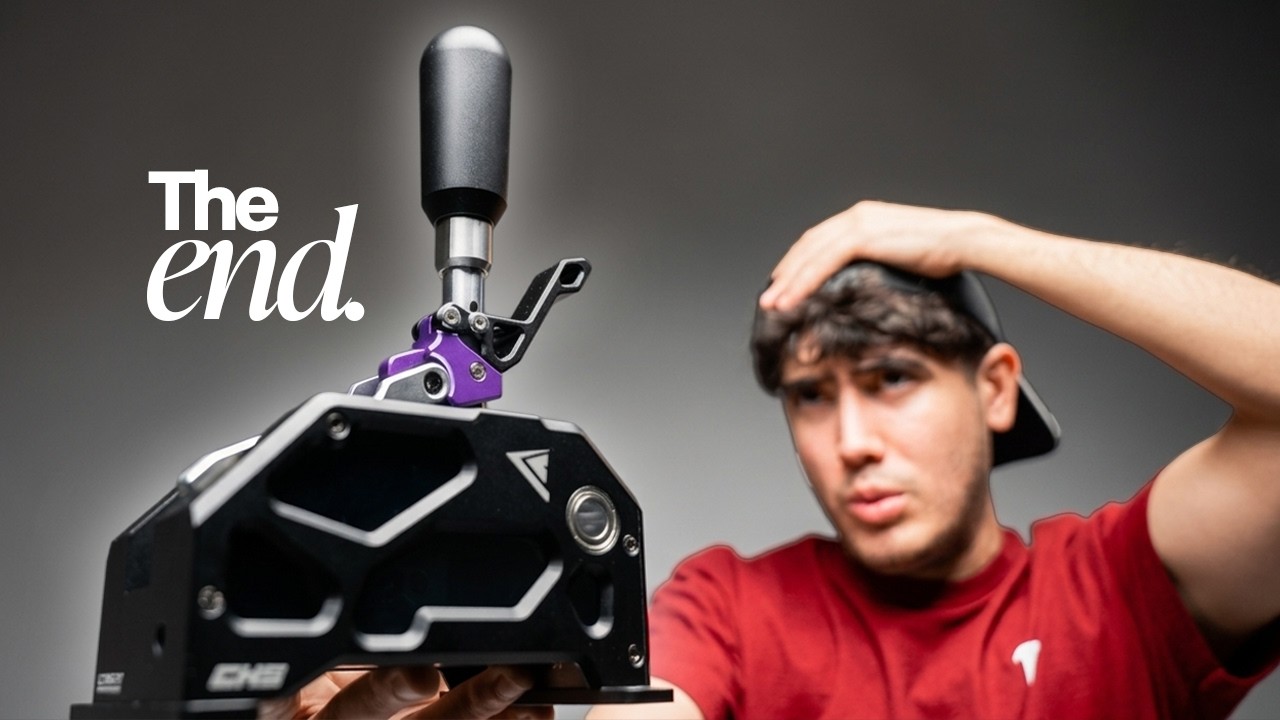
Conspit CHS · $369 Conspit sent this product to me for review. Conspit has entered the shifter market with the CHS, a dual-mode shifter that combines a 7-gear H-pattern with…
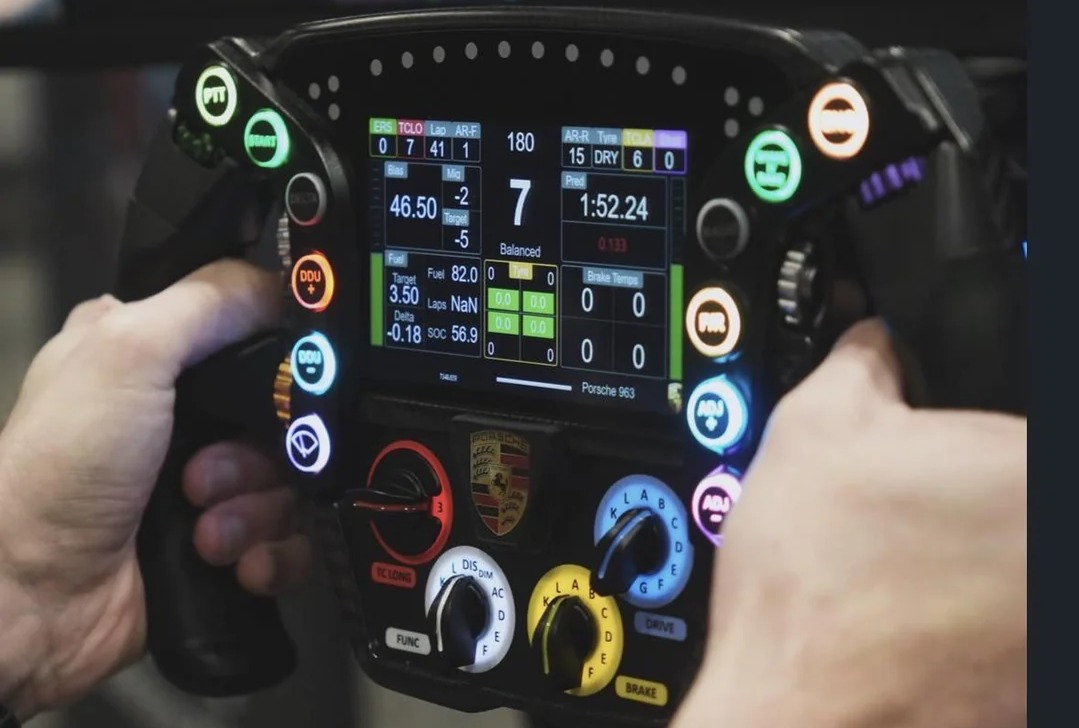
After making its public debut in Chicago, Sim-Lab is bringing its upcoming Porsche 963 replica steering wheel to SimRacing Expo Frankfurt for another major showcase.
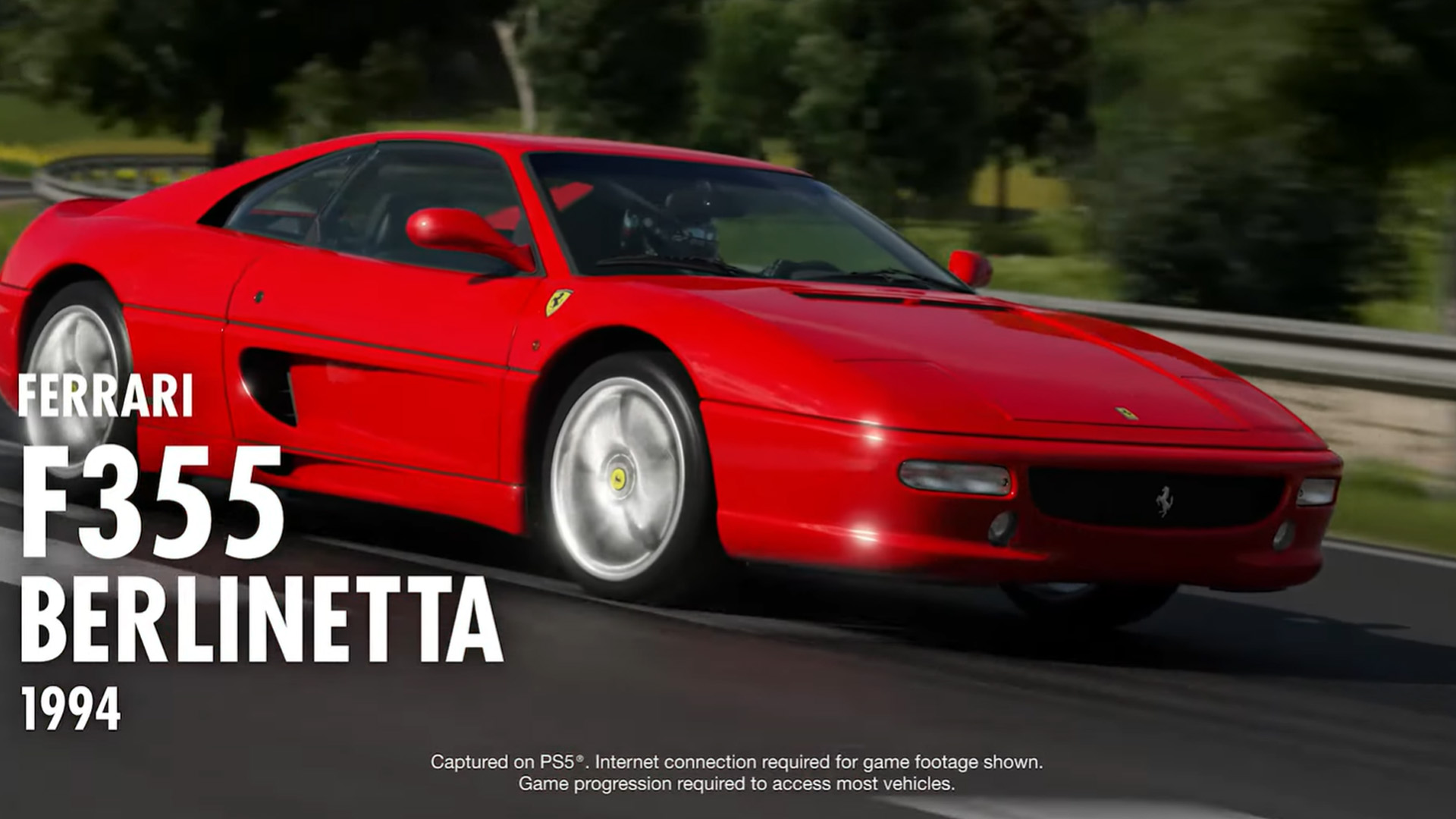
Gran Turismo 7 Spec IV Part 1 arrives October 15 with Sportsland SUGO, six new cars including the Ferrari F355, new Brand Central challenges, Car Concierge, Car Viewer and more.
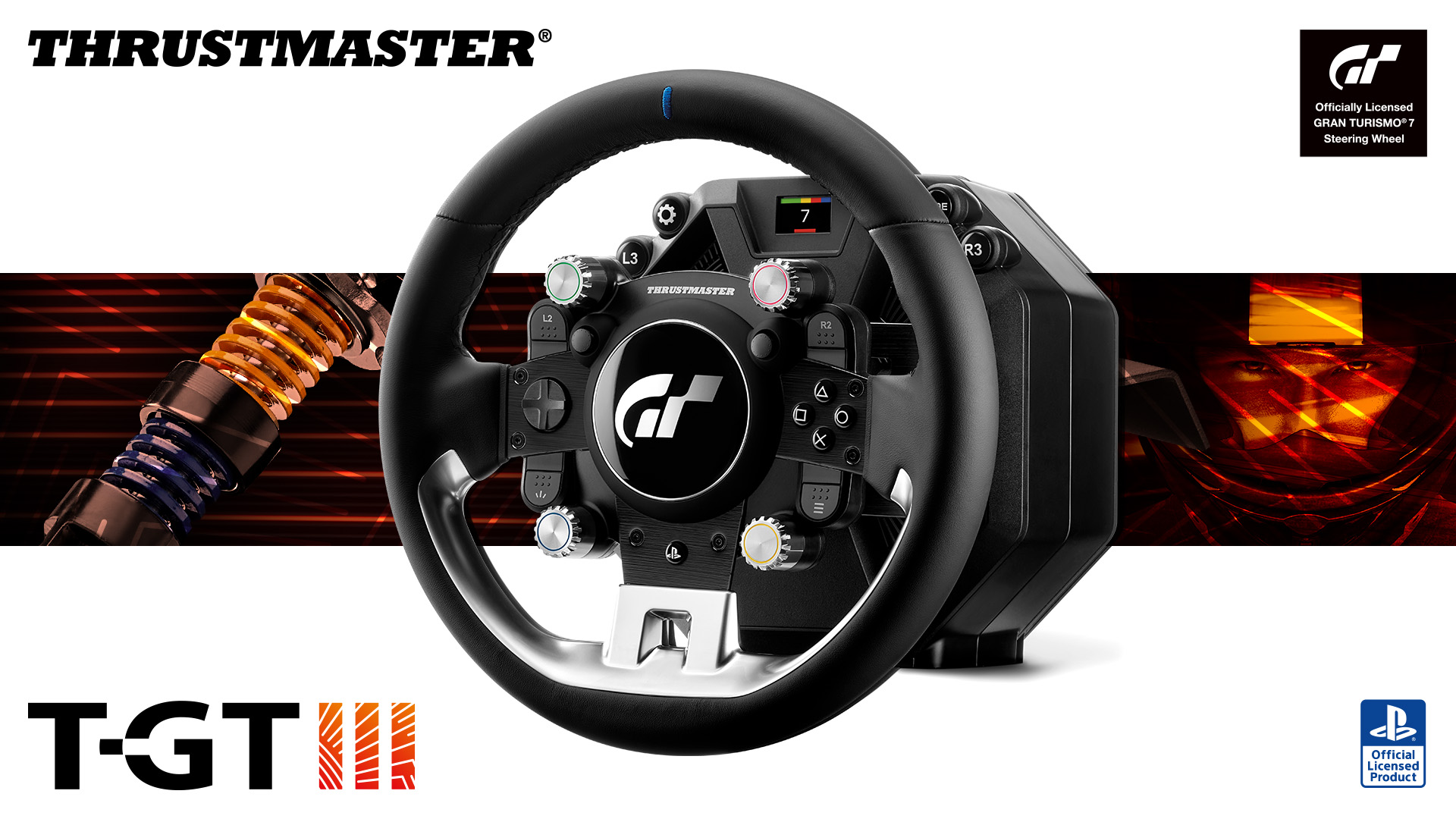
The new Thrustmaster T-GT III brings Direct Axial Drive, 5 Nm of constant torque, load cell pedals, and dedicated Gran Turismo 7 haptics to PS5 and PS4.
The Circuit One D Force 1 packs four motion actuators into a suitcase, installs in about 10 minutes, and trades big travel for detail you can actually use.
Assetto Corsa EVO Update 0.9 introduced a major overhaul to the game's GT tyre model, changing how cars behave around the limit across a wide range of GT machinery.
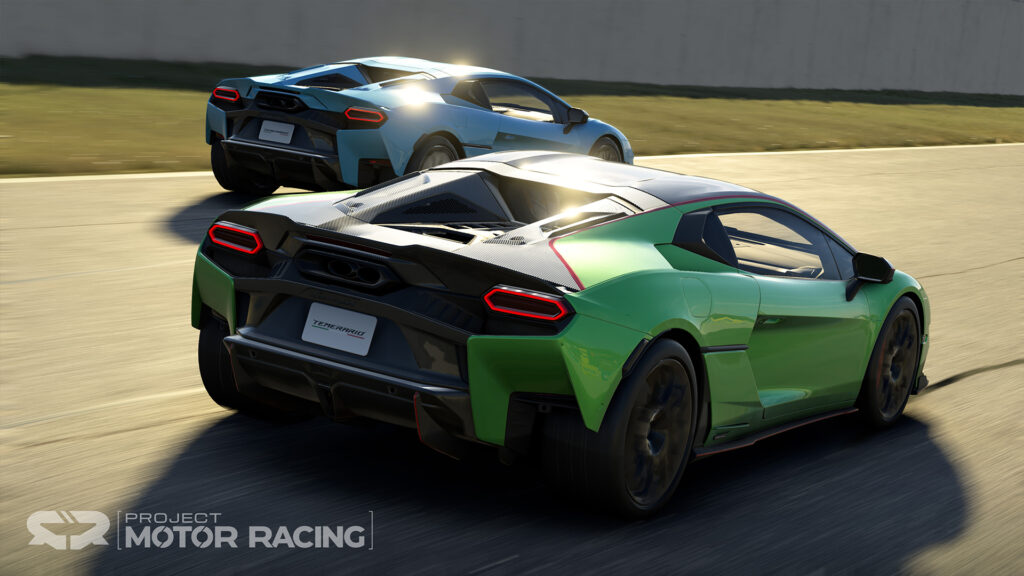
Project Motor Racing has received its Version 2.3 update, bringing the Lamborghini Temerario to the simulator alongside a new vehicle class, physics revisions, visual improvements and a series of changes…

Project Motor Racing 2.3 update adds Lamborghini Temerario and major system improvements - OC Racing says:
[…] main addition in Version 2.3 is the Lamborghini Temerario, which has been added to the base game alongside the new Track Day […]