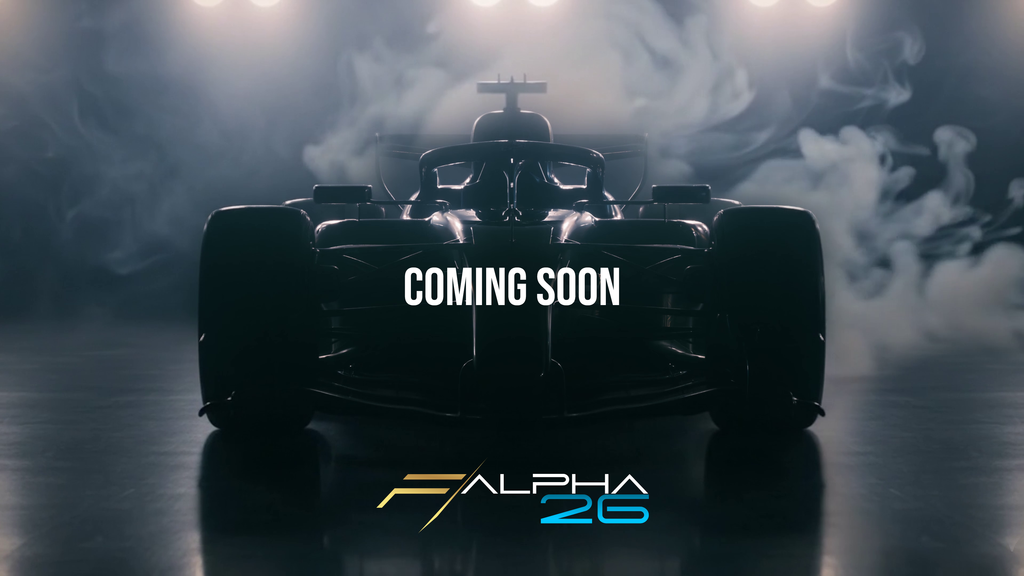
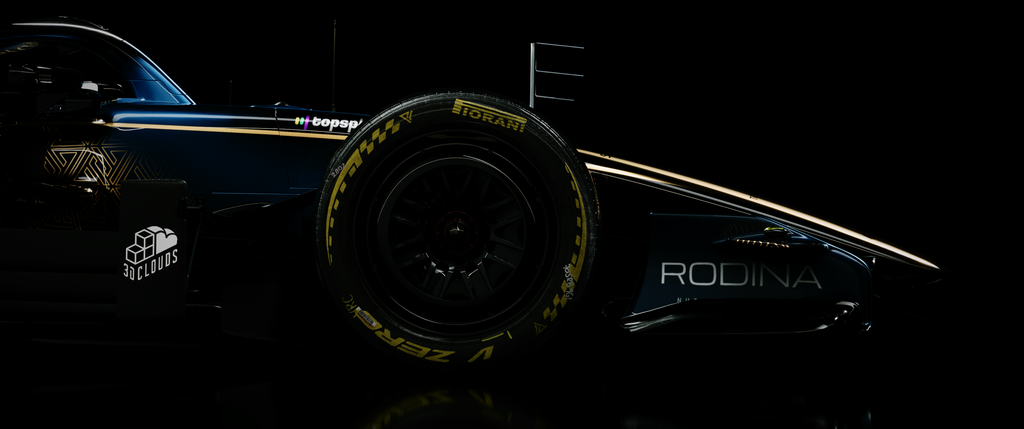
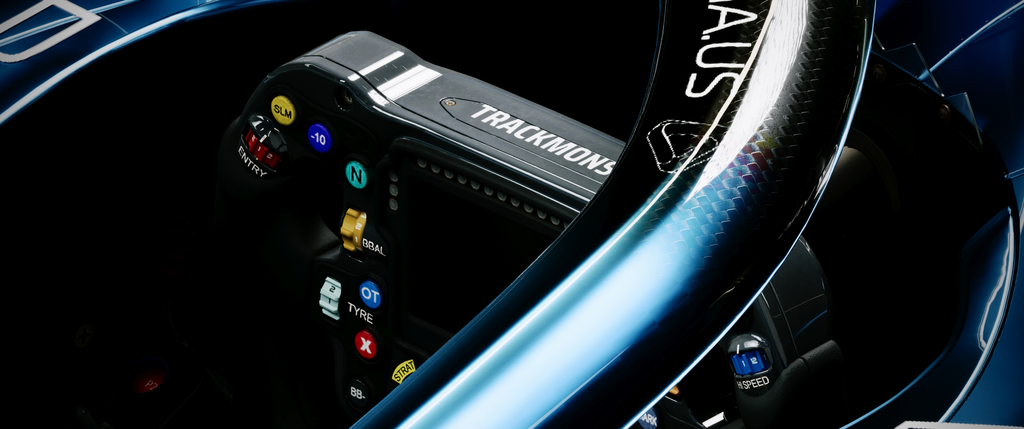
Virtual Racing Cars has started teasing the Formula Alpha 2026, giving us our first real look at what could become one of the most technically ambitious Formula cars ever made for Assetto Corsa. There is no release date or pricing yet, but VRC has already confirmed several major features, and there is quite a lot going on.
The new car is being built around the radically different 2026 Formula regulations, meaning VRC has effectively had to rethink everything from the 3D model to the hybrid system, active aerodynamics, energy management, and how certain features interact with individual circuits. If the teasers are anything to go by, this could be a pretty substantial step beyond the already complicated Formula Alpha 2025.
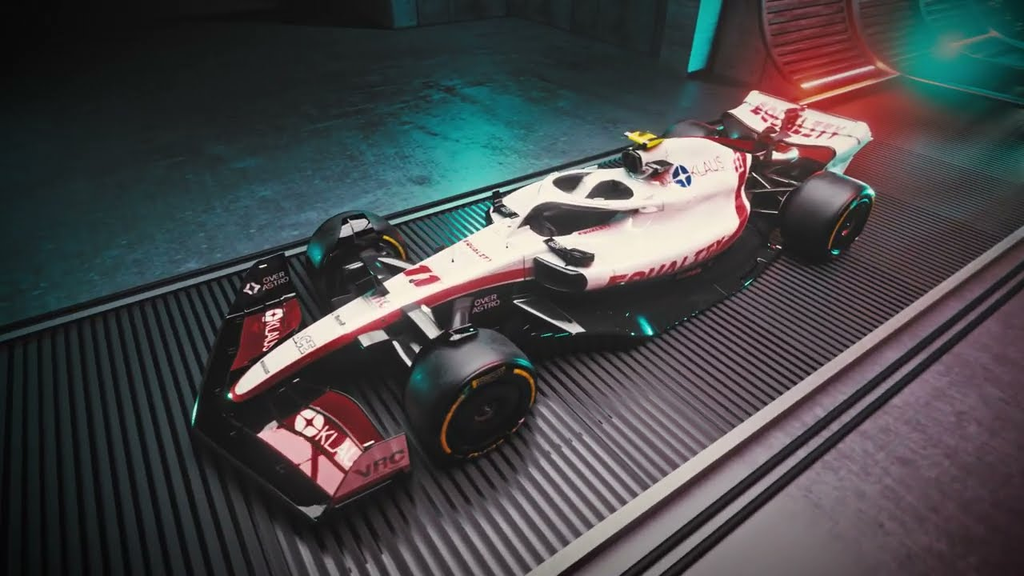
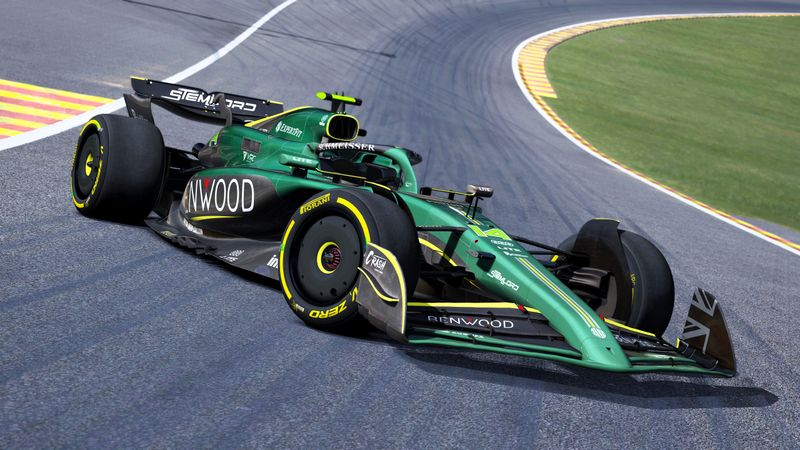
The Formula Alpha is VRC’s interpretation of modern Formula racing machinery for Assetto Corsa. These are not officially licensed Formula 1 cars, but they are developed around the regulations, technology, performance, and systems used by contemporary Grand Prix cars.
VRC has been developing the current Formula Alpha generation since 2022. Each release has gradually added more simulation underneath the car, including detailed hybrid management, brake migration, differential systems, engine maps, plank wear, power unit thermals, brake-by-wire, different aerodynamic packages, and a growing number of controls that go far beyond what Assetto Corsa originally supported.
That is probably what the Formula Alpha series has become best known for. These cars can take some time to understand, but VRC tends to put a lot of effort into replicating the systems and strategy behind modern Formula racing rather than only giving you something that looks and drives roughly like the real thing.
The 2026 Car Is Being Built From Scratch
One of the first things VRC has confirmed is a completely new 2026-spec 3D model. According to the developer, the model has been created using the official regulation boxes, which define the areas teams are allowed to work within under the current technical rules.
That matters because the 2026 cars are significantly different from the previous generation. The regulations introduced smaller dimensions, revised aerodynamics, narrower tyres, and full-time active front and rear wings. So rather than simply updating the previous Formula Alpha bodywork, VRC is creating something specifically around the new generation.
VRC says its development process also involves real-world research, technical documentation, telemetry analysis, and feedback from racing personnel. The company already lists professional motorsport organizations among its clients, so there appears to be a serious amount of research behind the project.
The New Hybrid System Could Be the Biggest Feature
The most interesting part may be the 2026 hybrid power unit simulation. Modern Formula Alpha cars have already made energy management an important part of driving, but the actual 2026 regulations place considerably more emphasis on electrical power and how that energy is harvested and deployed around a lap.
VRC is specifically highlighting efficient energy management as essential to getting maximum performance from the car. That should mean there is much more to finding lap time than simply selecting the fastest engine mode and driving flat out.
Another confirmed feature is what VRC calls its Super Clipping Strategy. Super clipping is part of the current real-world energy management picture, where electrical harvesting can occur while the driver remains at full throttle near the end of a straight. It has already become an important talking point during the 2026 season, and VRC appears to be making it a meaningful part of the simulation.
Straight Mode and Active Aero Are Coming
The Formula Alpha 2026 will also simulate Straight Mode, reflecting one of the largest aerodynamic changes introduced for 2026. Instead of the previous DRS system, the current cars can alter both the front and rear wing between their normal cornering configuration and a lower-drag configuration on designated straights.
For Assetto Corsa, recreating that properly requires more than adding an extra button to the steering wheel. The system needs to know where it is permitted, when it should become available, and how the aerodynamic state of the car changes when it activates.
VRC appears to have developed a pretty interesting solution for that.
VRC Is Creating a Track Zone Editor
Alongside the car, VRC has revealed a new Track Zone Editor. This will allow users to add, edit, and fine-tune Overtake Mode, Straight Mode, and other special zones for any circuit in Assetto Corsa.
That could be extremely useful because Assetto Corsa obviously predates the 2026 regulations by more than a decade. Existing circuits were never designed with these systems in mind, so VRC needs a way of telling the car exactly where each feature should operate.
The editor will also include session controls, allowing specific zones to be restricted to qualifying or race sessions. In theory, this should make it possible for tracks throughout the Assetto Corsa modding ecosystem to be configured around the car rather than limiting these features to a handful of circuits prepared directly by VRC.
Setup Could Matter More Than Ever
VRC is also putting a lot of emphasis on car configuration. The developer says that extracting the full performance of the Formula Alpha 2026 will require a well-balanced setup, efficient energy management, and the correct configuration for each circuit.
That fits naturally with the new regulations. Different tracks place very different demands on electrical deployment, harvesting, drag, and active aero, so the fastest configuration at one circuit may be noticeably compromised somewhere else.
For anyone who enjoys the engineering and strategy side of modern Formula racing, this could end up being one of the biggest selling points. For anyone who just wants to jump in and drive, I would probably prepare for another fairly substantial VRC manual.
What Else Can We Expect?
VRC has also confirmed an authentic 2026-spec power unit sound, while the Formula Alpha history gives us a reasonable idea of the level of smaller details we can probably expect. The 2025 car already included power unit thermal simulation, true brake-by-wire, multiple aerodynamic kits, regulated fuel flow, different steering wheels, advanced tyre data, and extensive Extended Controls support.
Exactly which of those systems will return or be redesigned for 2026 has not been fully detailed yet. Considering how different the new regulations are, though, it would make sense for many of them to evolve alongside the new power unit and aerodynamic simulation.
When Will the Formula Alpha 2026 Release?
For now, VRC has not announced a release date or price for the Formula Alpha 2026. The project is still being teased, with more information expected as development gets closer to completion.
What has already been shown is pretty promising. Between the completely new model, 2026 hybrid simulation, Super Clipping Strategy, Straight Mode, detailed energy management, and the new Track Zone Editor, VRC appears to be putting a lot of effort into the parts of the new generation that make these cars so technically unusual.
Final Thoughts
The VRC Formula Alpha 2026 is shaping up to be much more than the annual visual refresh of an existing Formula car. The real-world regulations changed considerably this year, and VRC seems determined to reproduce many of those changes inside an Assetto Corsa engine that was never originally built to handle them.
That is also why this release could be particularly interesting. Formula Alpha has gradually become VRC’s showcase for just how far Assetto Corsa can be pushed through CSP, Lua, and custom systems. With the 2026 regulations putting even more emphasis on hybrid strategy and active aerodynamics, VRC has plenty of new technology to work with.
We still need the final car, pricing, and release date before making any real conclusions, but based on what has been revealed so far, the Formula Alpha 2026 looks like it could be one of VRC’s most ambitious releases yet.
Kunos Simulazioni has shared a detailed look at the future of Assetto Corsa EVO, outlining changes to the game's development direction and revealing more information about its long-awaited Free Roam…
Conspit CHS · $369 Conspit sent this product to me for review. Conspit has entered the shifter market with the CHS, a dual-mode shifter that combines a 7-gear H-pattern with…
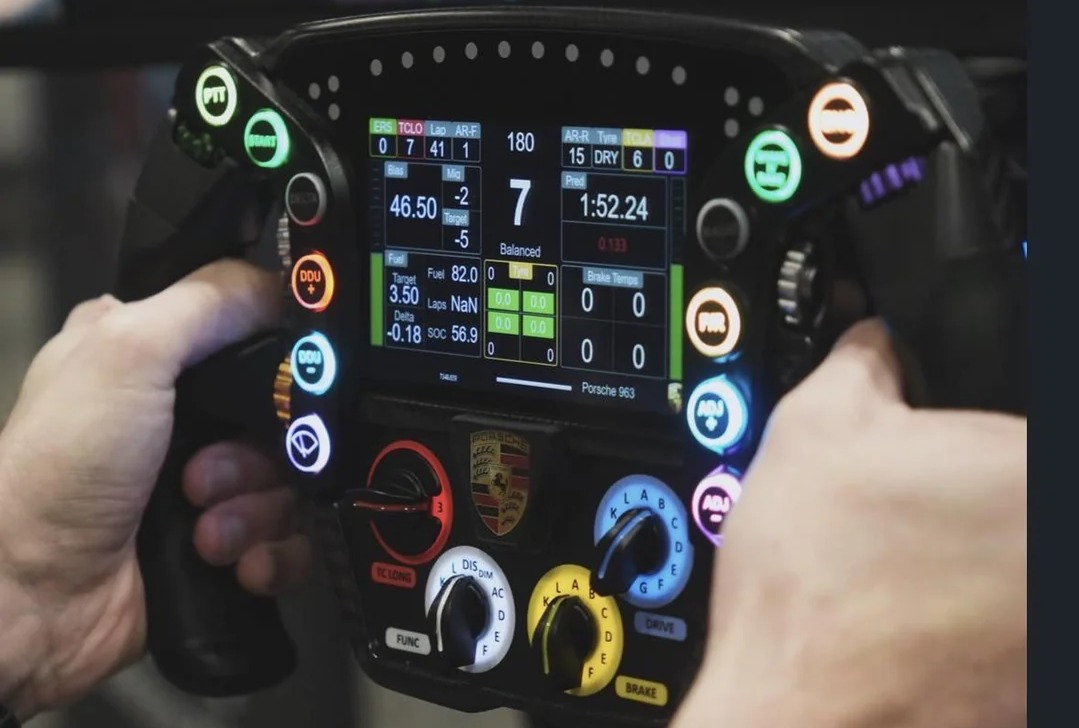
After making its public debut in Chicago, Sim-Lab is bringing its upcoming Porsche 963 replica steering wheel to SimRacing Expo Frankfurt for another major showcase.
Gran Turismo 7 Spec IV Part 1 arrives October 15 with Sportsland SUGO, six new cars including the Ferrari F355, new Brand Central challenges, Car Concierge, Car Viewer and more.
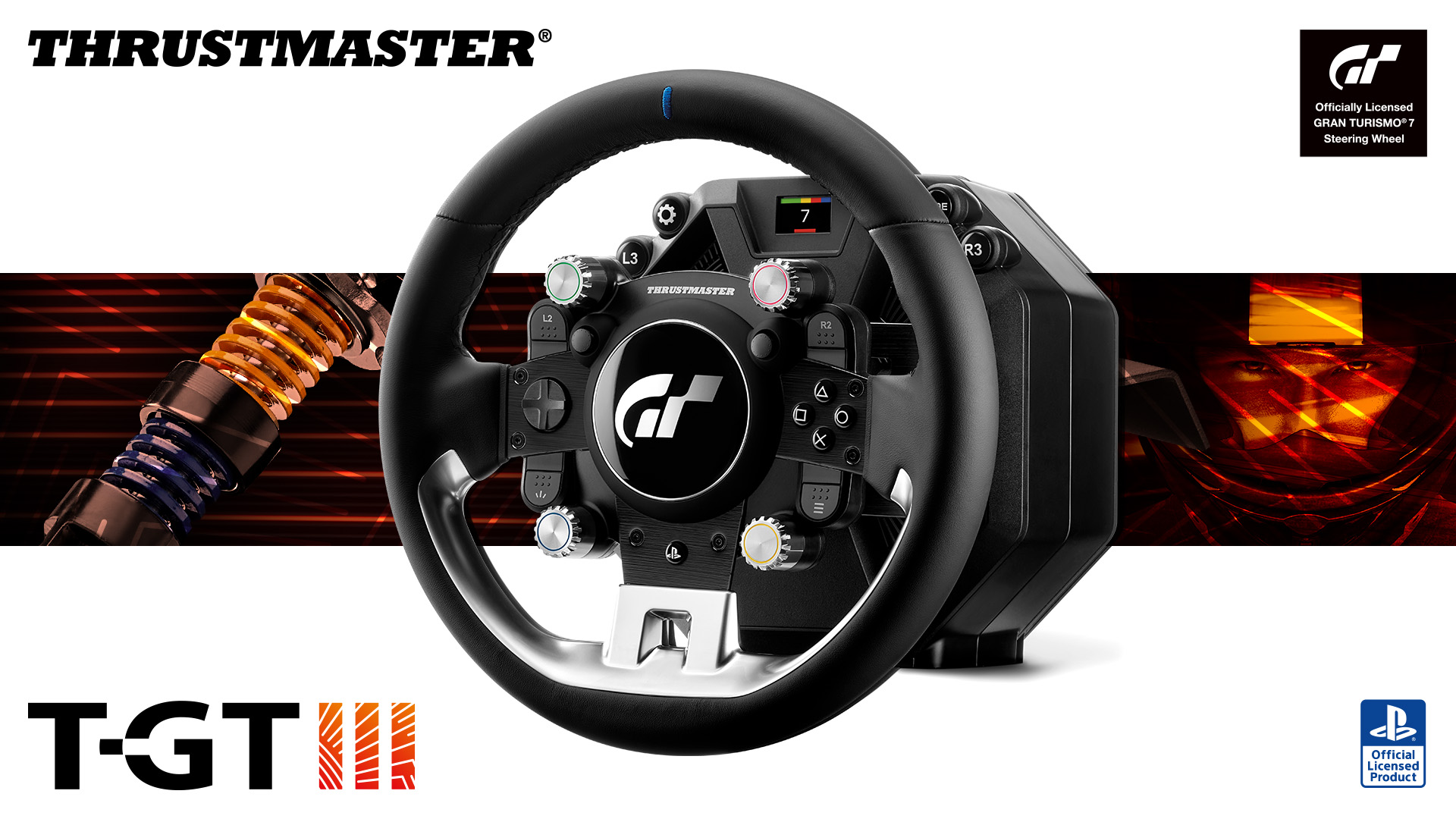
The new Thrustmaster T-GT III brings Direct Axial Drive, 5 Nm of constant torque, load cell pedals, and dedicated Gran Turismo 7 haptics to PS5 and PS4.
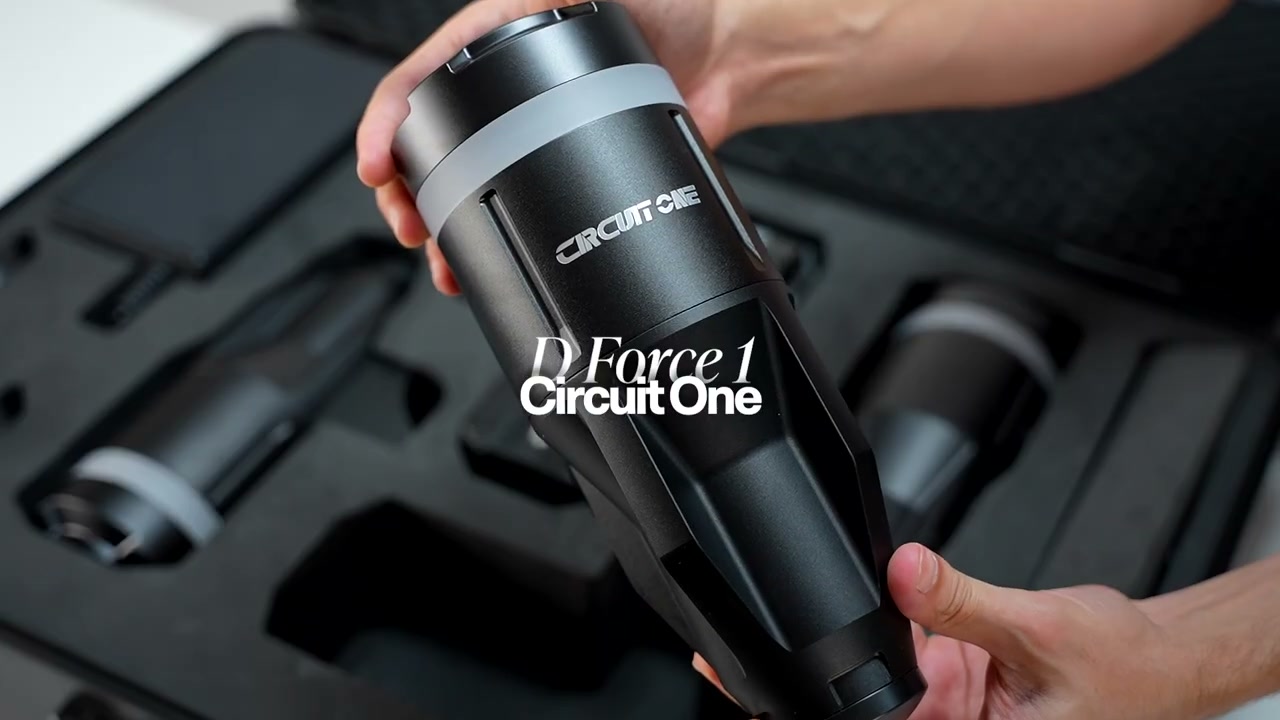
The Circuit One D Force 1 packs four motion actuators into a suitcase, installs in about 10 minutes, and trades big travel for detail you can actually use.
Assetto Corsa EVO Update 0.9 introduced a major overhaul to the game's GT tyre model, changing how cars behave around the limit across a wide range of GT machinery.
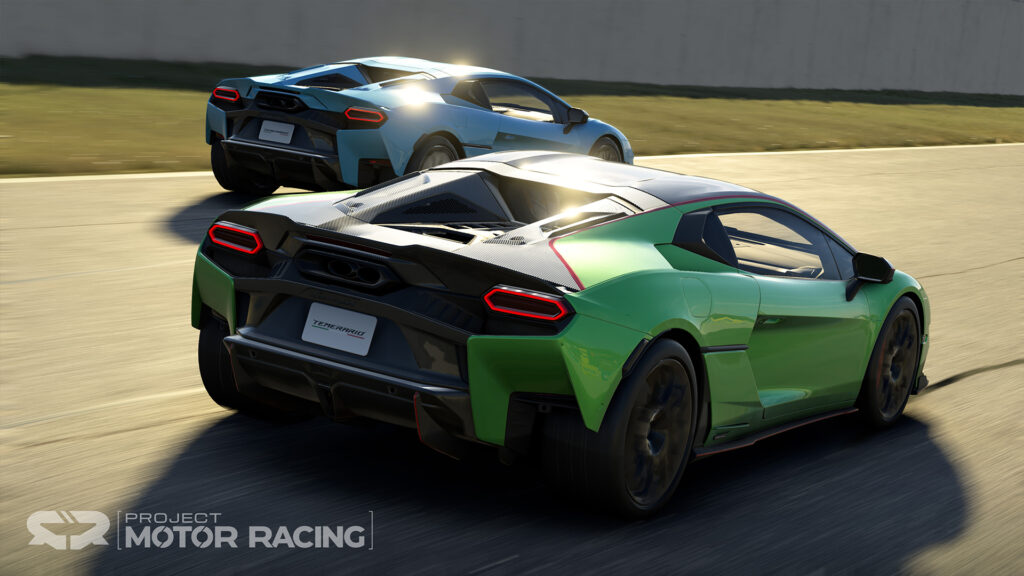
Project Motor Racing has received its Version 2.3 update, bringing the Lamborghini Temerario to the simulator alongside a new vehicle class, physics revisions, visual improvements and a series of changes…



Anonymous says:
i think that can be released in september because in the previous years the car was released about one month after the annonce