Kunos Simulazioni has revealed a brand-new Safety Rating system for Assetto Corsa EVO’s Daily Racing Portal, called EVO SR. Unlike traditional safety systems used in many online racing platforms, EVO SR focuses less on simply avoiding incidents and instead prioritizes one thing above all else: clean wheel-to-wheel racing.
The philosophy behind the new system is simple. Great racing is not measured by staying out of trouble at the back of the field. It is measured by how drivers behave when battling around others.
Most existing safety systems reward incident-free driving regardless of context. A driver spending an entire race circulating alone can often receive similar rating gains to someone spending the entire race fighting side-by-side for position.
Traditional systems often calculate safety by measuring incidents per corner, lap, or distance driven. As long as a driver avoids contact, their rating usually improves.
The downside is that drivers can sometimes artificially protect or increase their rating by avoiding battles altogether.
EVO SR takes a different approach by actively rewarding drivers for racing in close proximity to others while maintaining clean behavior.
Simply driving in clean air with nobody around will result in minimal progression. Drivers are expected to prove they can race safely while under pressure and around traffic.
According to Kunos, the largest Safety Rating gains will come from drivers who can consistently race close to opponents without causing unnecessary contact.
Wheel-To-Wheel Racing Is Actively Rewarded
The system measures meaningful time spent around other cars on track.
Whether drivers are fighting for the race lead, battling through midfield traffic, overtaking lapped cars, or participating in multi-car trains, all situations contribute to Safety Rating progression.
Who the battle is against does not matter. The focus is entirely on demonstrating consistent racecraft.
This could potentially lead to more exciting online racing environments, as drivers may no longer feel encouraged to avoid close battles out of fear of damaging their rating.
Contact Attribution Could Solve A Major Frustration
Many drivers have experienced situations where another car crashes into them, yet both drivers receive equal punishment.
EVO SR attempts to reduce this issue through impact and movement analysis.
When contact occurs, the system evaluates where and how an incident happened in an effort to determine responsibility.
In simple terms, aggressive driving should receive the larger penalty, while innocent drivers are intended to be protected whenever possible.
While no automated system is perfect, this could significantly reduce frustration if implemented effectively.
Not Every Contact Is Treated Equally
Kunos also confirmed that penalties scale depending on severity.
Minor side-by-side contact or small touches during close racing are treated differently from major collisions.
A slight brush exiting a corner carries far less weight than a heavy impact at high speed.
Hard crashes will leave a significant effect on Safety Rating progression, while smaller racing incidents can be balanced against otherwise clean driving.
Safety Rating Tiers Explained
EVO SR uses a tier-based progression system:
Rookie (0–19) Every driver starts here.
Class D (20–39) Achieved through clean and close racing.
Class C (40–59) Represents consistent racecraft.
Class B (60–79) Progression becomes more difficult.
Class A (80–100) Reserved for the cleanest and most consistent drivers.
What EVO SR Does Not Punish
Interestingly, several situations are excluded from Safety Rating calculations.
Wall impacts and solo mistakes will not affect rating progression. Kunos considers these part of the normal learning process rather than unsafe racing behavior.
Small slipstream taps while running nose-to-tail also fall below the system’s sensitivity threshold, helping avoid penalties for extremely close racing scenarios.
Additionally, drivers who are victims of avoidable contact should theoretically avoid punishment if the system correctly identifies responsibility.
Final Thoughts
At first glance, EVO SR could represent one of the more interesting evolutions of online racing systems in recent years.
Instead of rewarding passive driving, the system encourages drivers to actively participate in close battles while maintaining respect on track.
The concept itself sounds promising, particularly for competitive environments where players often become overly cautious to protect ratings.
However, the real challenge will come down to execution. Determining fault through automated data analysis will be a big challenge. If Kunos can reliably identify responsibility and avoid unfair penalties, EVO SR could become a major step forward for Assetto Corsa EVO’s competitive future.
On paper, the idea looks strong. Now it becomes a question of whether it performs as well in practice as it does in theory.
Sim Gaming Expo 2026 brought Moza, Sim-Lab, Simucube, Heusinkveld, VRS, Simagic and dozens of other brands together for one massive weekend in Chicago.
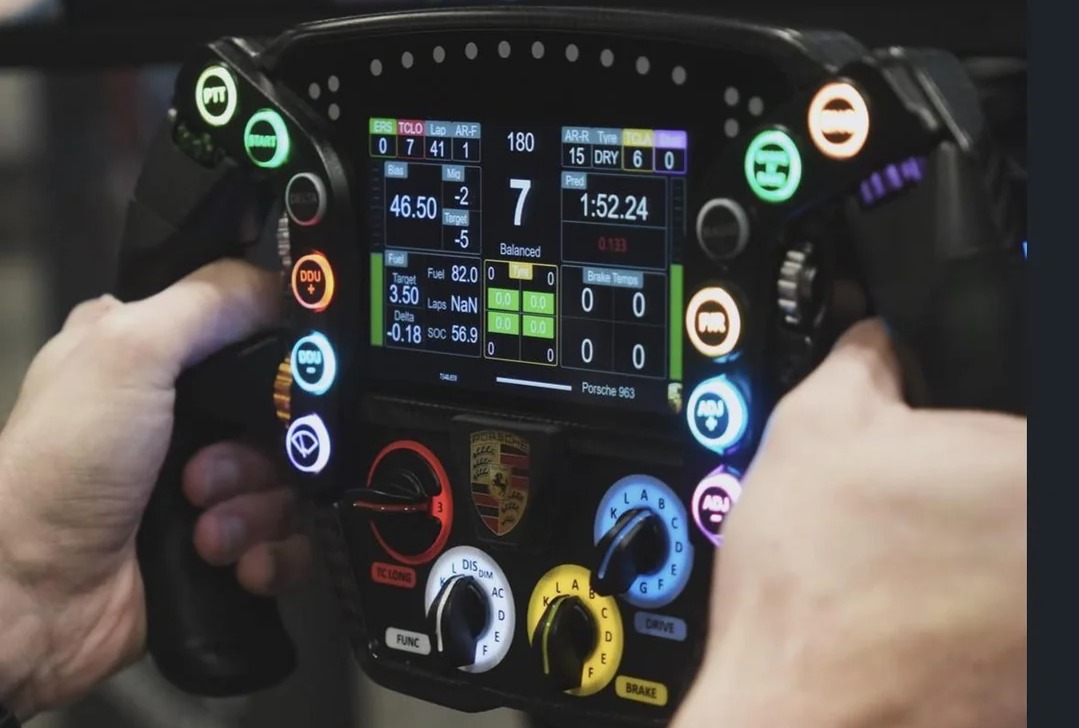
Sim-Lab has brought several new products to Sim Gaming Expo 2026, led by a Porsche 963 steering wheel alongside its DDS wheel bases and new control hardware.
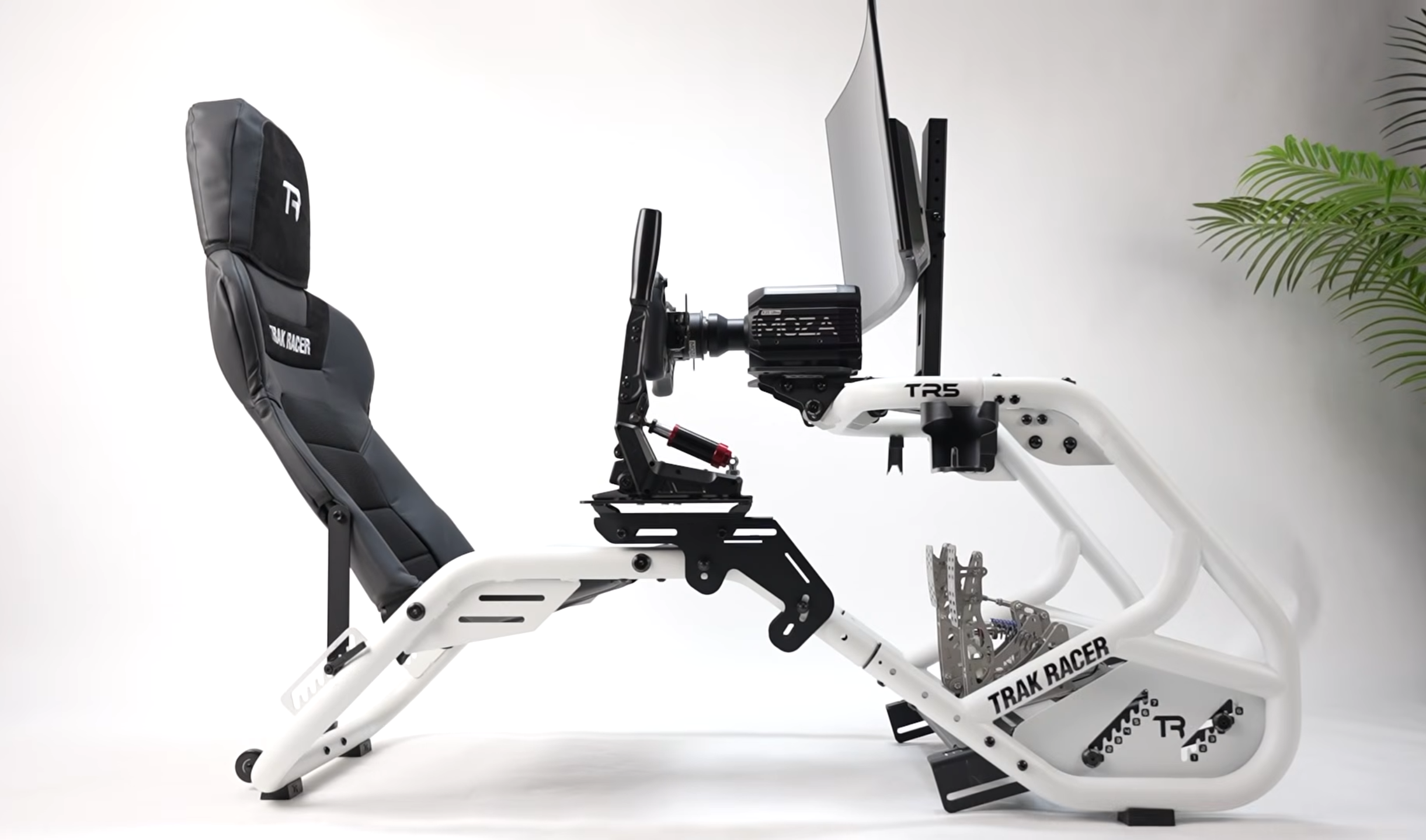
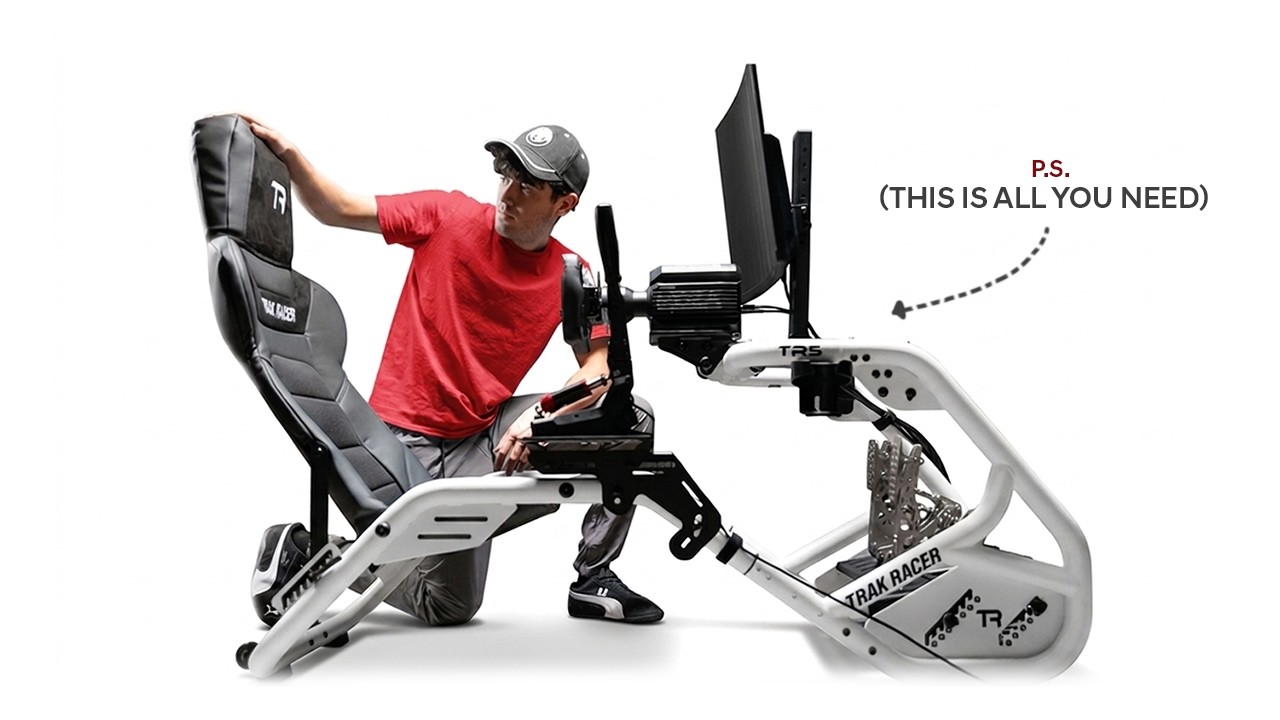
The Trak Racer TR5 combines a complete seat and chassis package with impressive adjustability, broad compatibility, and more rigidity than I expected for $599.