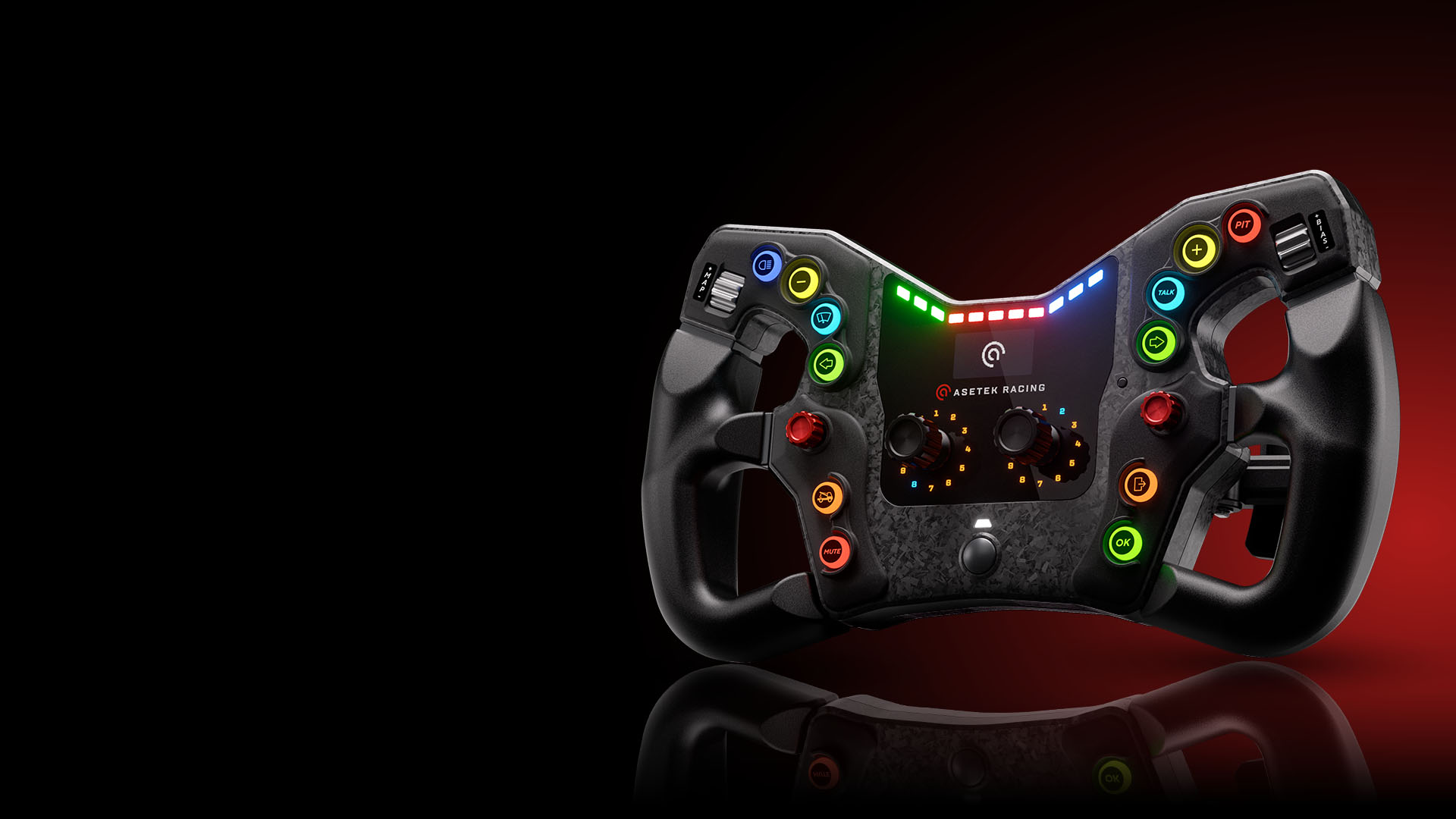
Asetek GT Nova Revealed at $299 With RaceHub Link
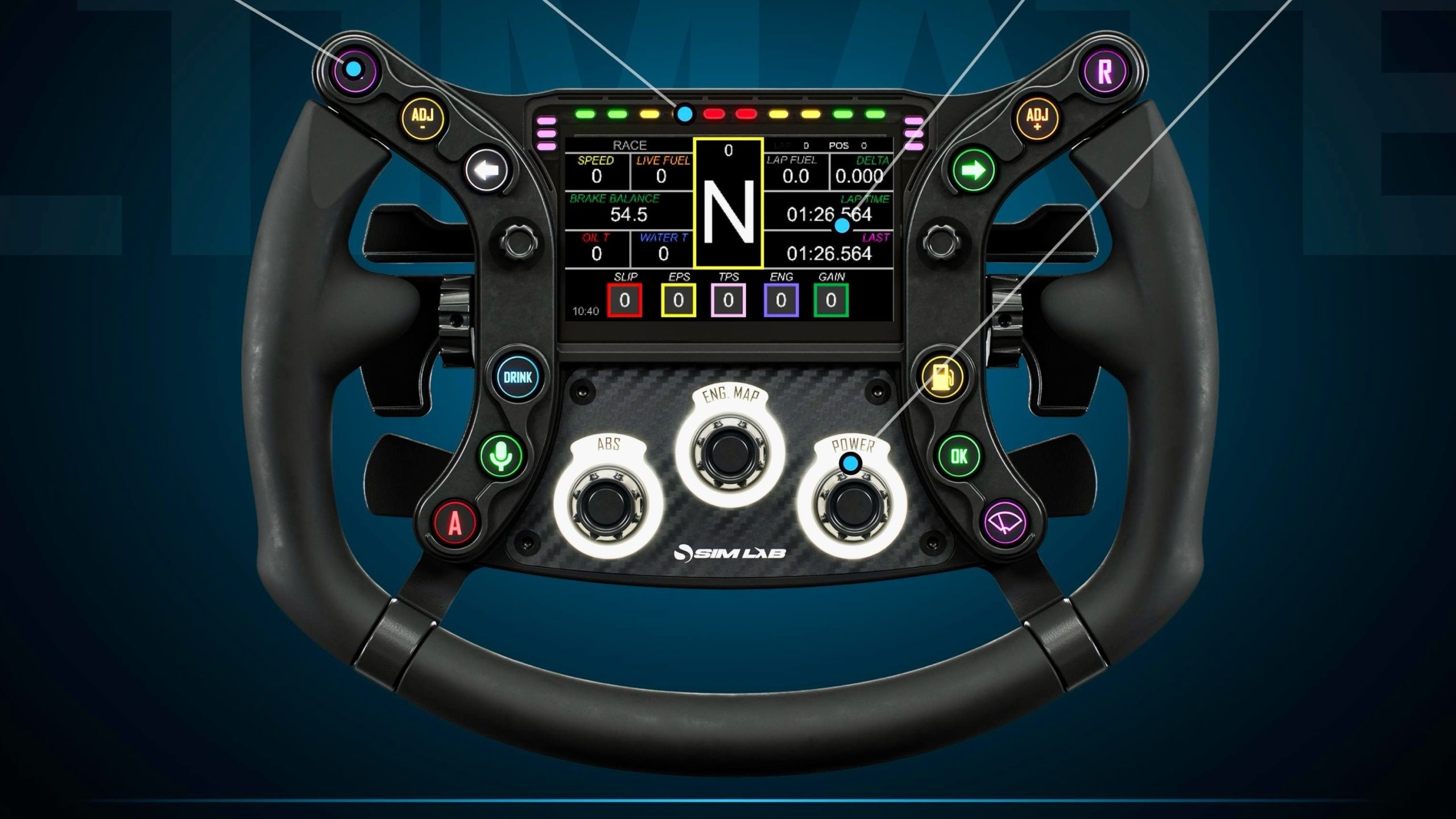
Asetek has revealed the GT Nova, a new 290mm GT steering wheel with an OLED display, RaceHub controls, MultiLink functionality, RGB lighting, and a $299.99 price.

If you are new to sim racing, the Fanatec ecosystem can look a little messy at first. There are several wheel bases, a huge number of wheels, different pedal tiers, console compatibility rules that confuse almost everyone at the beginning, and enough add-ons to make it feel like you are building a race car one part at a time. So, if you want the simple version, this is Fanatec in 2026 explained as clearly as possible.
The easiest way to understand Fanatec is by understanding its tiers first. CSL is the more affordable entry point, CSL Elite and ClubSport sit in the middle as the more serious enthusiast range, and Podium is the flagship tier for the highest-end hardware. That general structure applies across wheel bases, pedals, and steering wheels, and once you understand that ladder, the rest of the ecosystem starts making a lot more sense.
Verified purchase options at lowest current prices:
Affiliate disclosure
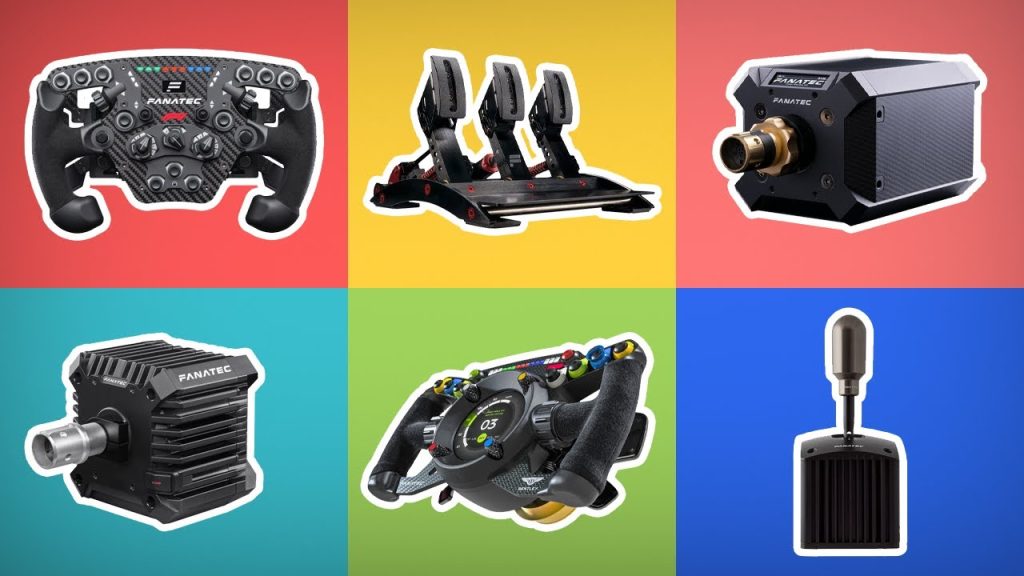
The easiest place to start is with the wheel bases, because that is really where the whole ecosystem begins. Right now, Fanatec’s direct drive ladder is built around the CSL DD, Gran Turismo DD Pro, ClubSport DD, ClubSport DD+, and Podium DD. In simple terms, that is the lineup from more affordable and beginner-friendly all the way up to the high-end stuff.
The CSL DD is the cheaper PC-focused entry point and comes in 5 Nm or 8 Nm form depending on whether you have the Boost Kit. The Gran Turismo DD Pro is basically the PlayStation-friendly version lower down the ladder. Then you move into the ClubSport DD at 15 Nm, the ClubSport DD+ at 18 Nm, and finally the Podium DD at 25 Nm for people who want the strongest and most premium option Fanatec currently offers.
For most people, the sweet spot is somewhere in the middle. The CSL DD and GT DD Pro make sense for people starting out or upgrading from belt-driven gear. The ClubSport DD range is where things start feeling more serious. The Podium DD is there for the buyer who already knows they want the top end.
| Model | Price | Difference | |
|---|---|---|---|
| Fanatec CSL DD QR2 5Nm WheelBase for Xbox and PC | — | Build | |
| Fanatec CSL DD QR2 8Nm WheelBase for Xbox and PC | — | Build | |
| Fanatec Gran Turismo DD PRO 8Nm base for PlayStation and PC | — | Build | |
| Fanatec ClubSport DD 12Nm WheelBase for Xbox and PC | $699.99at 6sigma Racing | cheapest | BuyBuild |
| Fanatec ClubSport DD+ 15Nm WheelBase for PlayStation and PC | $899.99at 6sigma Racing | +$200 | BuyBuild |
| Fanatec Podium DD | — | Build |
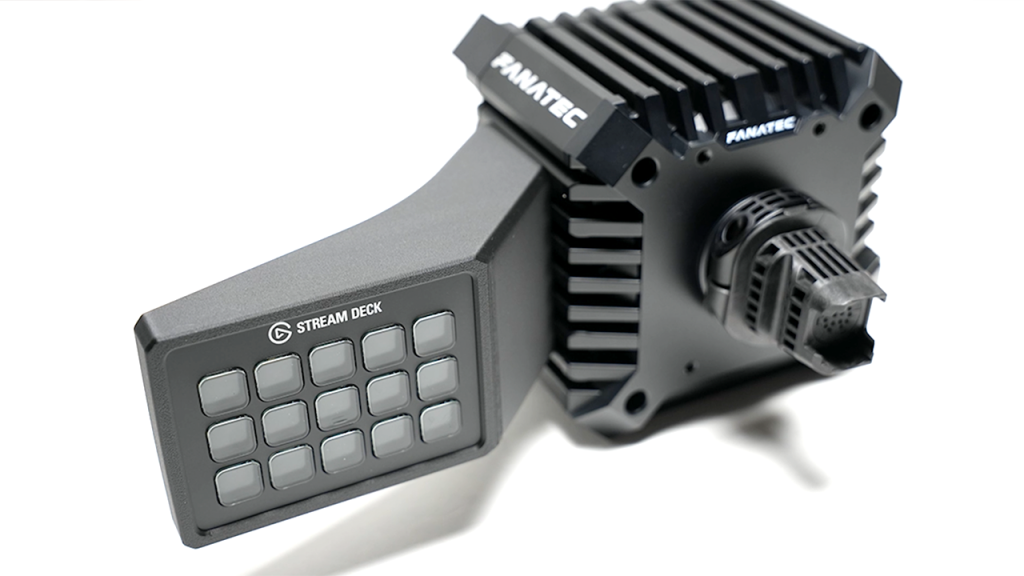
This is the part you need to understand properly before buying anything. All Fanatec bases work on PC. For PlayStation, the security chip is in the wheel base, which means you need a PlayStation-licensed base like the Gran Turismo DD Pro or ClubSport DD+ to make the whole setup work there. For Xbox, the license is in the steering wheel, which means you need an Xbox-licensed wheel to unlock Xbox compatibility.
That also leads to one of the most useful things about Fanatec. If you combine an Xbox-licensed wheel with a PlayStation-licensed base, the whole connected setup can work across PC, Xbox, and PlayStation. That sounds more confusing than it is, but the short version is simple. PlayStation comes from the base. Xbox comes from the wheel. PC works anyway.
Once you understand that, shopping the Fanatec ecosystem becomes much easier. Most beginner mistakes with Fanatec come from people buying the wrong wheel or the wrong base for the console they want to use.
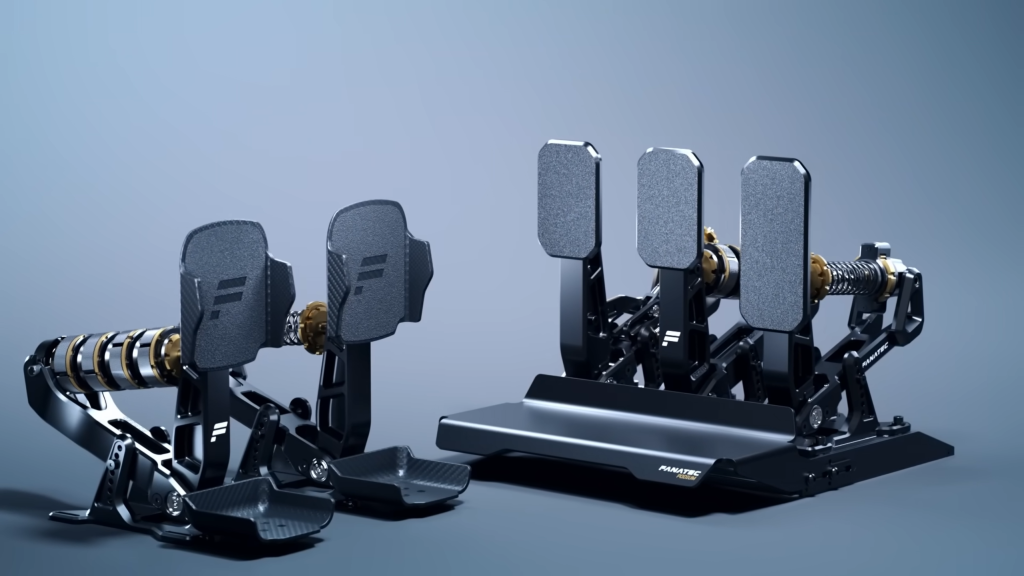
Fanatec’s pedals are actually pretty easy to understand once you stop looking at them all at once. At the bottom, you have the CSL Pedals, which are the budget-friendly entry point. Then you have the CSL Pedals LC, which bring load cell braking into that lower part of the market. Above that sits the CSL Elite Pedals V2, which many people see as the more serious value pick. Then you move into the older but still relevant ClubSport Pedals V3 and ClubSport Pedals V3 Inverted.
That already covers most buyers. If you want something cheap, go CSL. If you want a smarter performance-per-dollar choice, the Elite V2 makes a lot of sense. If you want something more established and more premium, the V3 range is still there. Then above all of that, Fanatec has also announced the Podium Pedals, which are the next step up and clearly aimed at the higher end, though the rollout has been split between the Formula configuration first and the GT set later.
So again, the ladder is pretty clear once you stop overthinking it. Cheap, better, older premium, and then upcoming flagship.
This is the part of the Fanatec ecosystem that can look overwhelming, because there are a lot of wheels. The easiest way to understand them is by splitting them into CSL, ClubSport, and Podium. CSL wheels are the simpler and cheaper entry point. ClubSport is the middle ground with more variety and more serious builds. Podium is where the special stuff lives.
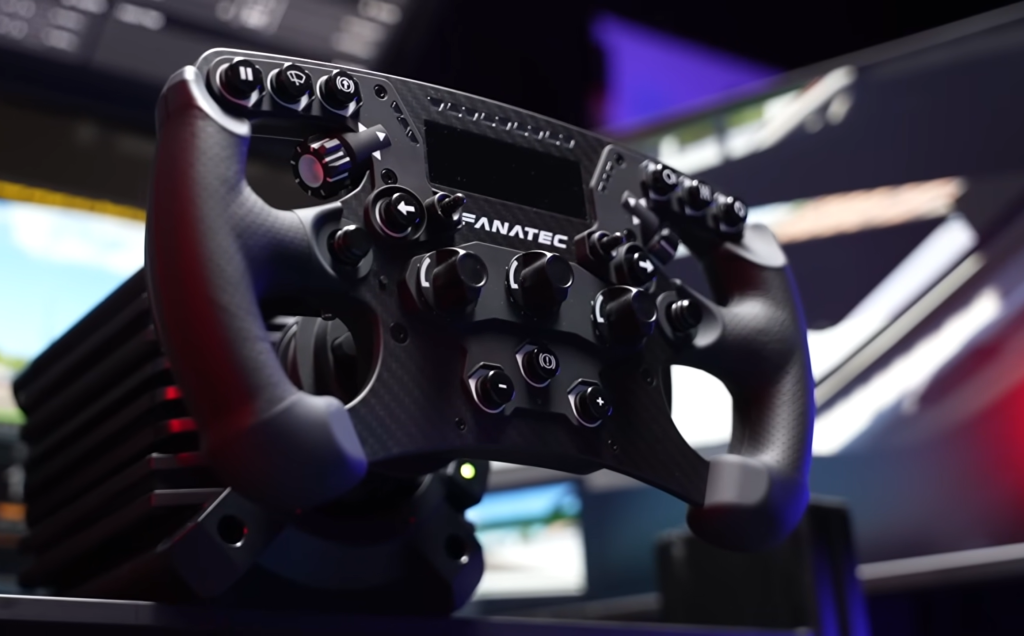
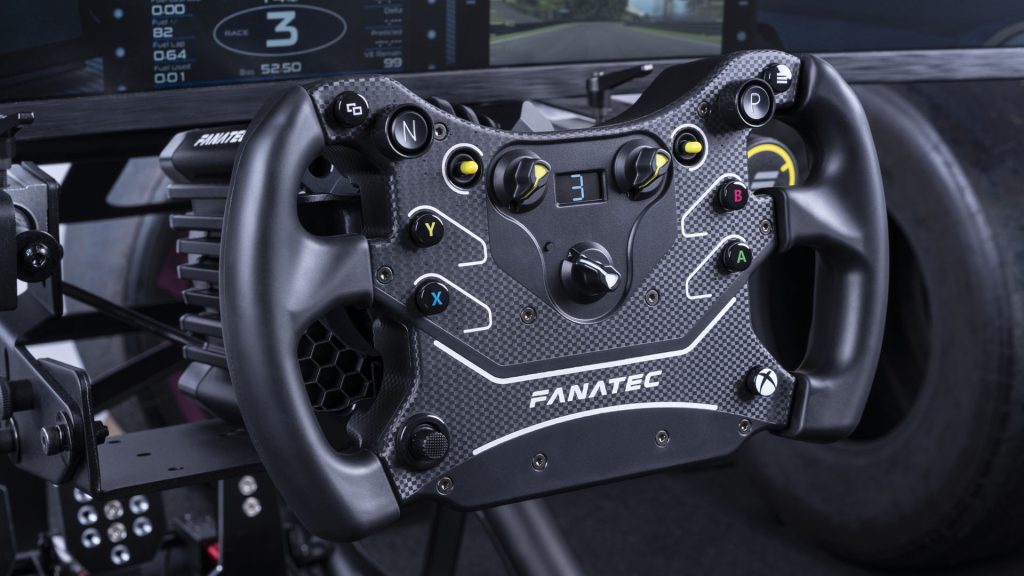
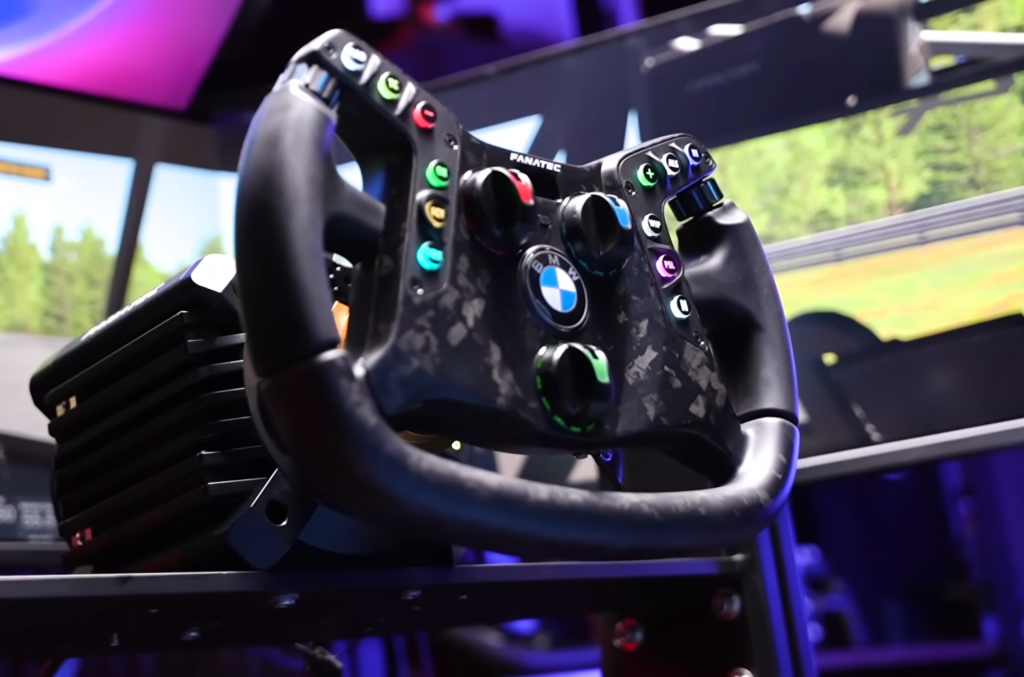
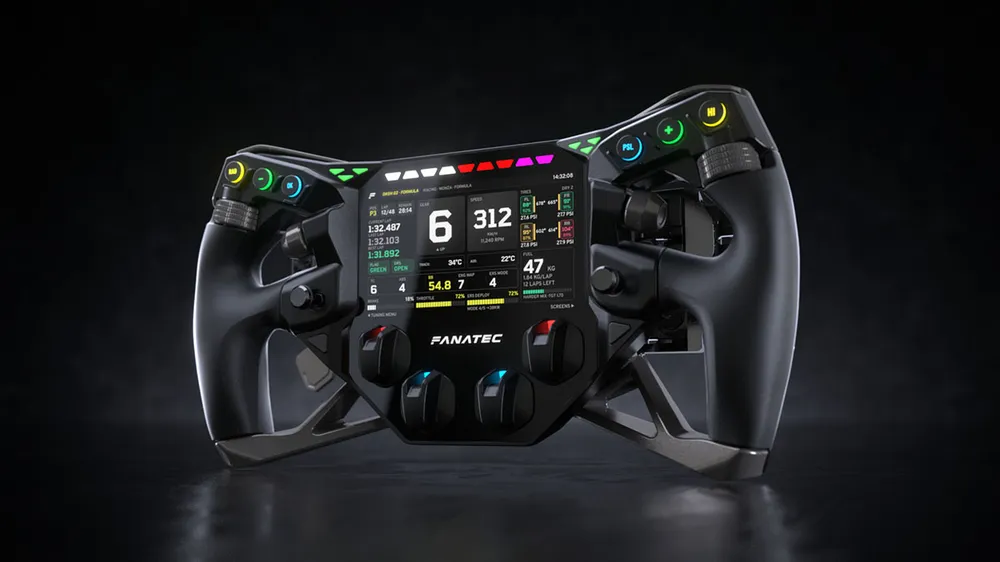
At the more affordable end, Fanatec currently has wheels like the CSL Steering Wheel GT3, CSL Elite Steering Wheel WRC, and CSL Elite Steering Wheel Porsche Vision GT. Then in ClubSport and Podium you get a much wider mix of round wheels, GT wheels, rally wheels, Formula wheels, and higher-end licensed products. That includes things like the ClubSport Formula V3, the Podium BMW M4 GT3, the Porsche GT3 R options, and a whole lot more.
The best way to think about it is simple. Fanatec has one of the broadest wheel catalogs in sim racing. So rather than asking whether they have a wheel for your style, the better question is how much you want to spend on the one they probably already have.
| Diameter | 300 mm |
|---|---|
| Rim Material | rubber |
| Buttons | 9 |
| Display | Yes |
| Magnetic Shifters | Yes |
| Quick Release | Krontec-style |
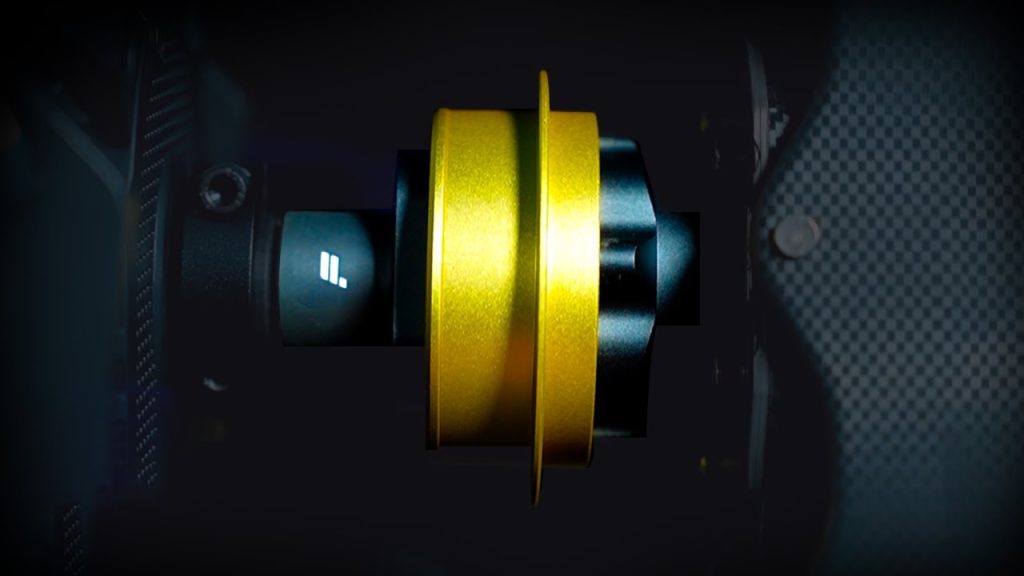
If you are buying into Fanatec now, you also need to understand QR2. Fanatec has been moving its ecosystem over to this newer quick release standard, and at this point it is a major part of how the current lineup is meant to work. Newer hardware and newer bundles are increasingly built around QR2, and that is part of why the ecosystem feels more modern now than it did a couple of years ago.
The simple advice here is this. If you are buying new, buy with the assumption that QR2 is the standard you want to be on. It makes the current Fanatec lineup easier to understand and avoids some of the compatibility headaches that used to come up more often before the ecosystem shift.
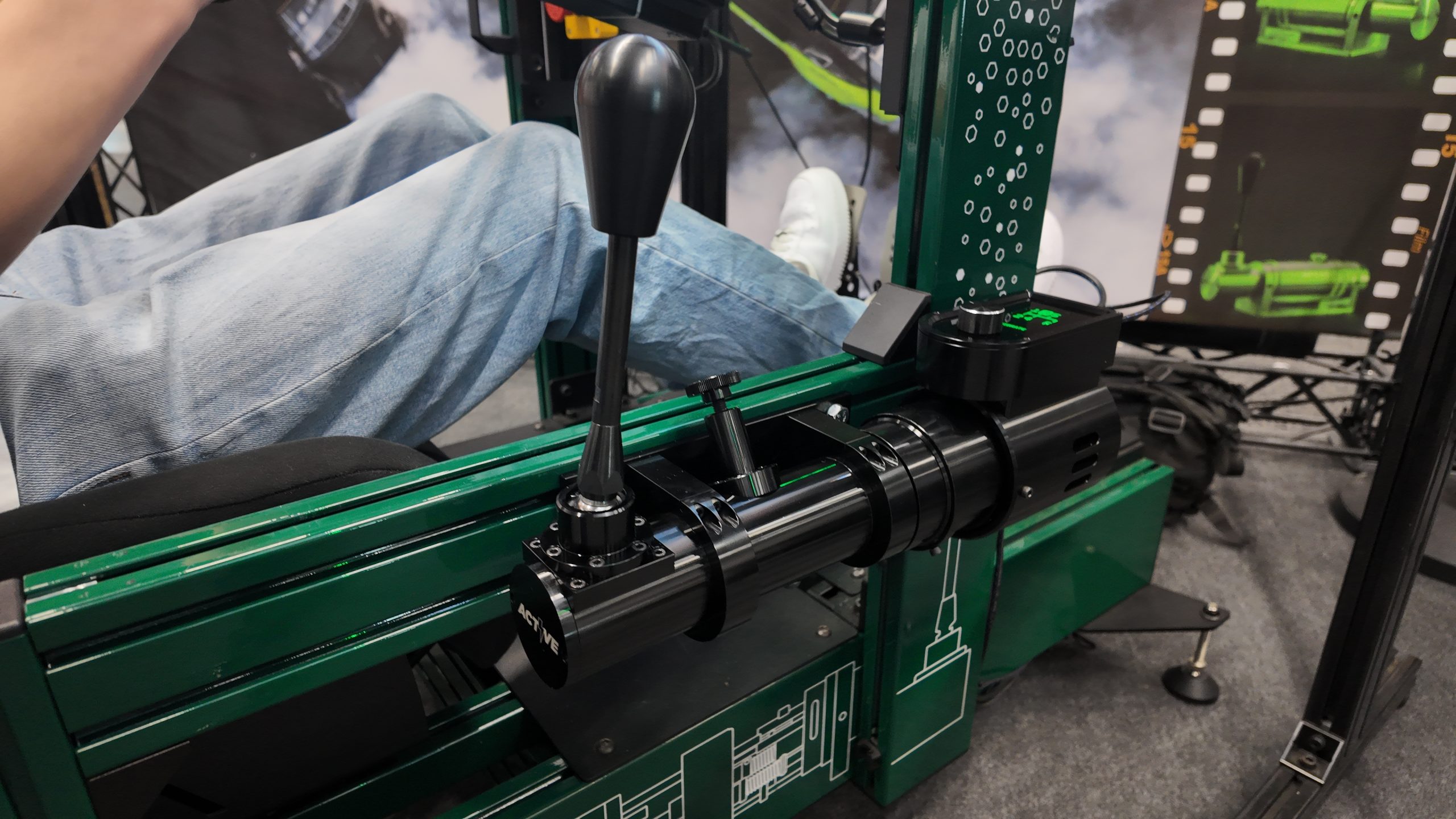
Beyond the main wheel, base, and pedal setup, Fanatec still has one of the broader add-on ecosystems around. The main names to know are the ClubSport Shifter, the ClubSport Handbrake, and Fanatec’s cockpit options and bundles. The company still leans heavily into the idea that the base acts as the center of the setup, with the rest of the hardware plugging into it to keep the whole thing tidy.
That is one of the biggest reasons Fanatec still gets recommended so often. Once you are in the ecosystem, it is relatively easy to keep building around it. Add a better wheel, add a shifter, add a handbrake, upgrade pedals, move up a base, and keep going. Whether that is the cheapest route is another question, but in terms of simplicity, Fanatec still makes a lot of sense for people who want most of their setup under one brand.
$229.99 at Podium1 Racing Up 15.0% in 90 days
The highest price we have recorded in the last 12 months.
94 readings so far — not daily. · Sale prices predate daily tracking.
At $229.99 this is its usual price.
Cheaper than 0% of the last 12 months. The lowest we have recorded is $199.99 on 26 Jul 2026.
So if you want the short version, here it is. Fanatec’s ecosystem starts with the wheel base, and from there everything else becomes easier to understand. CSL DD and GT DD Pro are the lower end. ClubSport DD and DD+ are the middle upper ground. Podium DD is the top. Pedals run from CSL to Elite to ClubSport and now toward Podium. Wheels are split into CSL, ClubSport, and Podium families. PC is always supported, PlayStation comes from the base, and Xbox comes from the wheel.
And really, that is the whole thing. Fanatec can look confusing at first because there is a lot of stuff, but the structure underneath is actually pretty logical. Once you understand the wheel base ladder and the compatibility rules, the rest of the ecosystem starts making a lot more sense.
Design & development by CIDIX
· Sim rig builder, deals pipeline, simracing tools, comparisons, adspace & forum · Custom code licensed to OC Racing