The Trak Racer TRX V2 is the company’s newest version of its flagship tubular frame cockpit, and right away, I can say this much. It looks fantastic. Especially in the Silver Arrow colorway I had here, it is one of the best-looking cockpits I have tested in a long time. It has real presence, real character, and compared with the endless sea of black aluminum profile rigs out there, this thing definitely stands out.
But of course, looks are only one part of the story. A cockpit at this level also needs to be practical, adjustable, sturdy, and worth the kind of money Trak Racer is asking for it. And that is where the TRX V2 gets a bit more interesting. Because while there is a lot to like here, there are also some very real compromises that come with this kind of design. So after spending proper time with it, here is my full take on the good, the bad, and whether I would actually recommend it.
Alpine Racing TRX V2
One of the best-looking and most quickly adjustable cockpits around, as long as you accept a little more movement and harder accessory mounting than an aluminium profile rig.
Best for People who want one cockpit that swaps between Formula and G
Flagship tubular frame cockpit that moves between Formula and GT layouts without tools
VERDICT
One of the best-looking and most quickly adjustable cockpits around, as long as you accept a little more movement and harder accessory mounting than an aluminium profile rig.
BEST FOR
One cockpit swapping between Formula and GT layouts
NOT FOR
Drivers wanting static rig rigidity and easy accessory mounting
WHAT I LIKE
One of the best-looking cockpits tested, with real presence
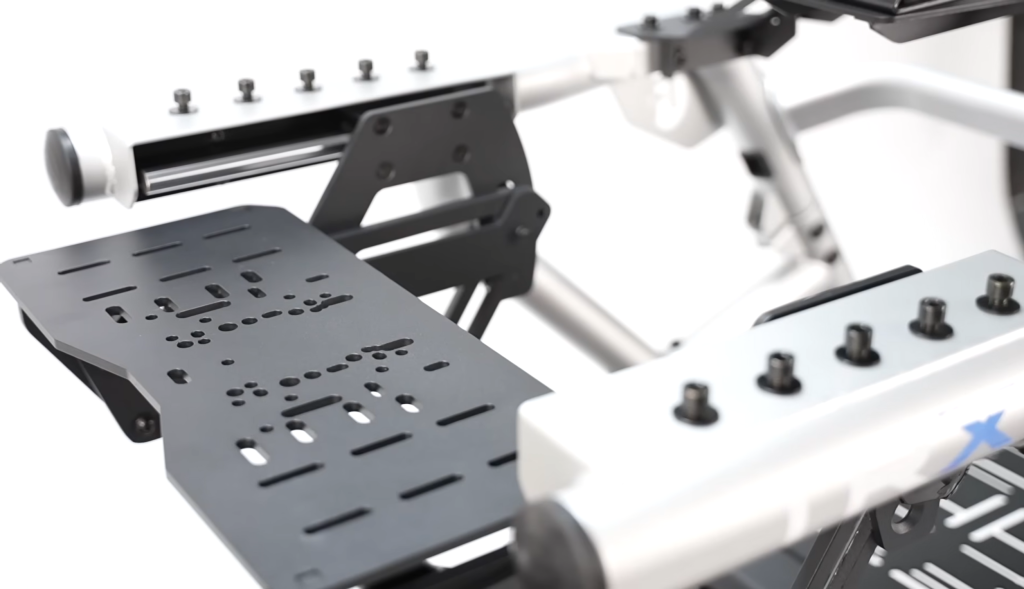
Wheelbase mount, pedal tray and seat on sliders for quick tool-free changes
No unwanted flex from the wheel deck with a Moza R25 mounted
WHAT I DON’T
Visible pedal tray flex and seat movement under hard braking
Fiddly assembly, keep everything loose until the very end
Seat, monitor stand and shifter mount sold separately
A cockpit that looks every bit as special as it should
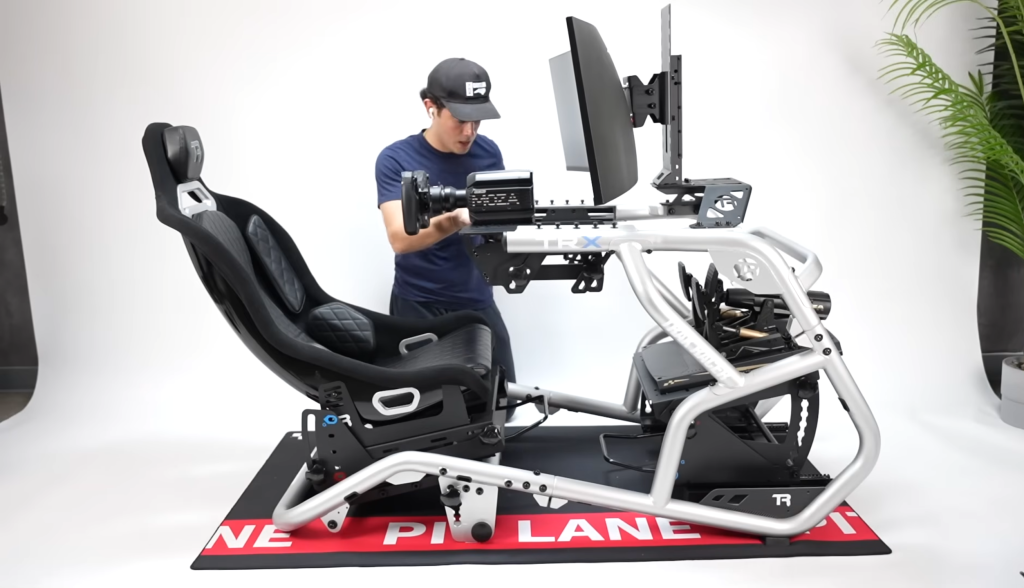
The original TRX was already one of the more distinctive cockpits on the market, and this updated version continues that same idea. Designed alongside Alpine Racing’s Formula 1 team, the big appeal of this rig is that it can move between a more Formula-style driving position and a more typical GT or road car layout very quickly, and all without needing tools. That is still a very cool concept, and it remains one of the biggest reasons why the TRX platform stands out.
Visually, the TRX V2 absolutely delivers. It has far more character than a traditional aluminum profile chassis, and there are loads of little design touches around the rig that make it feel more thought-out and more premium. You get Trak Racer logos cut into various parts of the chassis, carbon-look accents, and just a general sense that a lot of attention went into making this thing feel special rather than purely functional. And honestly, it works. This cockpit has presence.
The only downside to the silver finish I had here is that small blemishes and minor defects become a bit more visible than they would on a darker color. It is not a huge deal, but at this sort of price, expectations are naturally high. So while the rig looks great overall, I did notice a few little things during filming that were easier to spot than I would have liked.
Putting it together is not exactly fun
Now here is where the experience becomes a bit less glamorous. While the TRX V2 can transform between driving positions in a matter of minutes once it is built, actually assembling it is a different story. And to put it simply, it is one of the more frustrating parts of the whole experience.
Because of the tight tolerances and the number of curved tubular sections that all need to line up correctly, this is not the kind of cockpit you casually throw together in a relaxed afternoon. You really have to keep almost everything loose until the very end, because the second you tighten one section too early, another part can shift slightly out of alignment and suddenly the next step becomes much more annoying than it should be. That is just the nature of this design.
So yes, it is definitely satisfying once it is all together, but I would not call the build process enjoyable. It is one of those rigs where the final product is much nicer than the experience of getting there. If you are patient and methodical, you will get through it. But if you hate fiddly assembly, this part is worth knowing beforehand.
Adjustability is genuinely impressive
One of the biggest strengths of the TRX V2 is just how adjustable it is. And that is important, because usually with tubular frame cockpits, the tradeoff is that you gain some style but lose some flexibility compared with aluminum profile rigs. That is partly true here when it comes to adding accessories, but in terms of core adjustability, Trak Racer has done a very good job.
The wheelbase mount, pedal tray, and seat are all on sliders, which means you can make meaningful changes very quickly and without needing tools. That makes the TRX V2 especially appealing for shared setups, events, showrooms, or just people who regularly swap drivers of different heights and sizes. The ability to move things around this quickly is genuinely useful, and it is one of the reasons this cockpit feels more versatile than many of its rivals.
The takeaway: The wheelbase mount, pedal tray and seat all sit on sliders, so meaningful position changes take minutes without tools.
On top of that, the range of positions is broad. You can move from a low Formula-style setup to something much more like a typical road car or GT layout, and there is plenty of room in between those extremes as well. That flexibility is not just a gimmick. It actually works, and it is probably the TRX V2’s biggest selling point beyond the looks.
Where the adjustability becomes a little less ideal is with custom accessories. Cup holders, phone mounts, button boxes, wind simulator mounts, and other smaller add-ons are naturally harder to integrate cleanly on a chassis like this than they would be on a simple profile rig. So while the main driving position flexibility is excellent, the broader customizability still leans in favor of aluminum profile.
Hardware support is good, but the full cost climbs fast
In terms of mounting hardware, I had no real issues. Various wheel mounting options are available, and the universal bottom mount I used worked very well. The same goes for the pedal tray, which handled my gear just fine. So from a compatibility perspective, the TRX V2 feels broad enough for most people’s setups.
What is worth noting, though, is that at around the thousand-dollar mark, what you are getting here is really the frame itself. A lot of the things that many people would consider part of the full experience are sold separately. The integrated monitor stand, shifter mount, and seat all add extra cost, and that cost builds quickly. In my case, the seat alone added another significant chunk to the total, and once the seat brackets and monitor stand were factored in, the setup you see here ended up well north of fifteen hundred dollars.
Worth knowing: At around $1,000 you are really buying the frame itself. The seat, monitor stand and shifter mount are extra, and this setup passed $1,500 all in.
Price history
A$1,399.00~$976.40at Trak Racer AUUnchanged over 90 days
Range
$921.69 – $1,010.30
Typical
$986.50
Readings
82
Retailers
2
Tracking since
21 Dec 2025
Last checked
14 Oct Trak Racer AU
82 readings so far — not daily. · Sale prices predate daily tracking.
Tracked daily across every shop we follow+Add to build
That means this is very much a premium cockpit once everything is added together. The seat I had here was good, to be fair. It felt wide, supportive, and more comfortable than many harsher bucket seats, while still looking the part. But the broader point remains the same. The TRX V2 may look like one product, but the price of the full setup rises quickly once you build it out properly.
At $976.40 this is its usual price.
The lowest we have recorded is $921.69 on 22 Jul 2026.
On track, it feels good, but not completely perfect
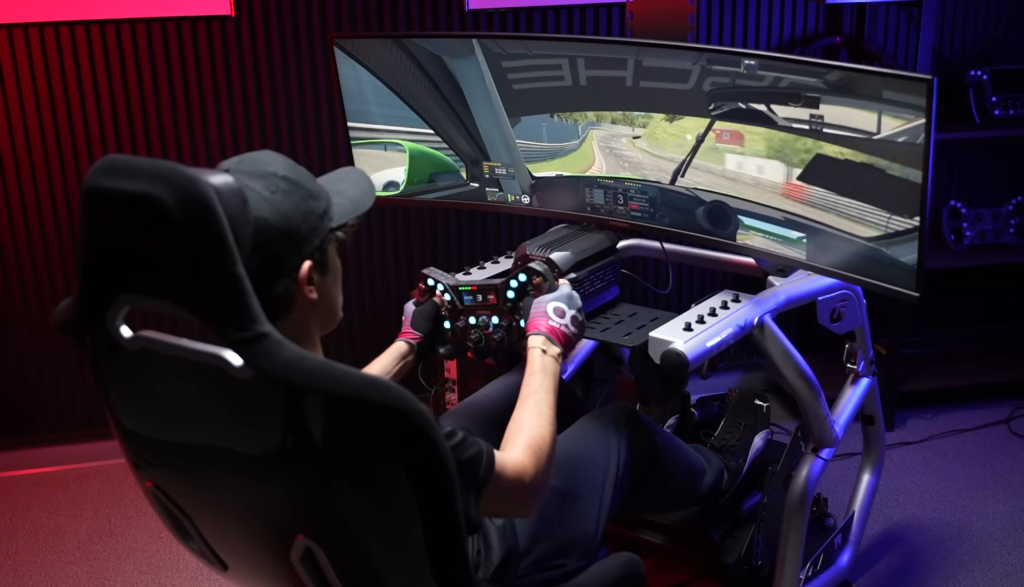
Once everything is built and dialed in, the overall on-track experience is definitely a good one. The rig generally feels sturdy and high quality, and there is a real sense of solidity to it. Vibrations remain fairly limited throughout the chassis, it does not feel cheap or rattly, and overall it gives off the sort of more premium feeling you would hope for at this level.
The wheel deck in particular impressed me. Even with my Moza R25 mounted to it and pushing a lot of force through the rig, there was no unwanted flex or movement to complain about. That part felt properly strong and confidence-inspiring, which is exactly what you want when dealing with a more powerful wheelbase.
Now, with that said, not everything is perfect. I did find some visible flex in the pedal tray. It was not really something I could feel clearly while driving, but it was definitely there on camera. That seems to come down to the overall design. Because there are so many pieces connected together, including sliders and adjustment mechanisms, the pedal section is naturally going to be more prone to a little movement than a completely static profile setup.
I also noticed more movement in the seat than I would ideally want. When braking hard, you can see the seat shift slightly, and again, that is likely the result of how many separate parts are stacked together in that section. Between the seat brackets, seat sliders, height adjustment brackets, and the seat shell itself, there are simply a lot of possible connection points for small amounts of movement to show up.
To be clear, this did not ruin the experience for me. On track, the TRX V2 still felt immersive, good to drive in, and generally premium. But if you are comparing it directly with a completely static aluminum profile rig, then yes, there is a tradeoff here. That is really the main story.
The Trak Racer TRX V2 is not the most practical cockpit on the market, and it is not the most rigid or most customizable either. If that is all you care about, then a traditional aluminum profile rig still makes more sense. It will usually be easier to accessorize, a little more straightforward to build, and a bit more purely functional.
But the TRX V2 is aiming for something different. It is trying to be a more complete experience. It looks better than most rigs, it offers a huge amount of quick adjustment, and it works especially well for people who want one cockpit to cover multiple styles of driving or multiple users. That matters, and it gives the TRX V2 a very real place in the market.
So would I recommend it? To the right person, yes. If you want a cockpit that looks far more special, feels more premium, and offers a genuinely impressive amount of fast adjustability, then the TRX V2 is a very solid option. It is not flawless, and the price of the full setup becomes substantial very quickly, but it is also one of the most interesting and best-looking cockpits I have tested so far. And overall, I have had a great time with it.
Recommended to the right person. If you want a cockpit that looks far more special, feels more premium, and offers a genuinely impressive amount of fast adjustability, then the TRX V2 is a very solid option.
Ideal buyer: People who want one cockpit that swaps between Formula and GT layouts, shared setups and multiple users
Major drawback: A little more movement in the pedal tray and seat, and harder accessory mounting than an aluminium profile rig
Bottom line: It is not flawless, and the price of the full setup becomes substantial very quickly, but it is also one of the most interesting and best-looking cockpits I have tested so far.
Sim racing hardware reviewer and creator. Every review on this site is hands-on tested across direct-drive wheelbases, pedals, cockpits, motion systems and accessories before a word is published.
Simagic is finally preparing to reveal its long-awaited Active Pedal during its global product launch on October 14, nearly two years after the first prototype appeared.
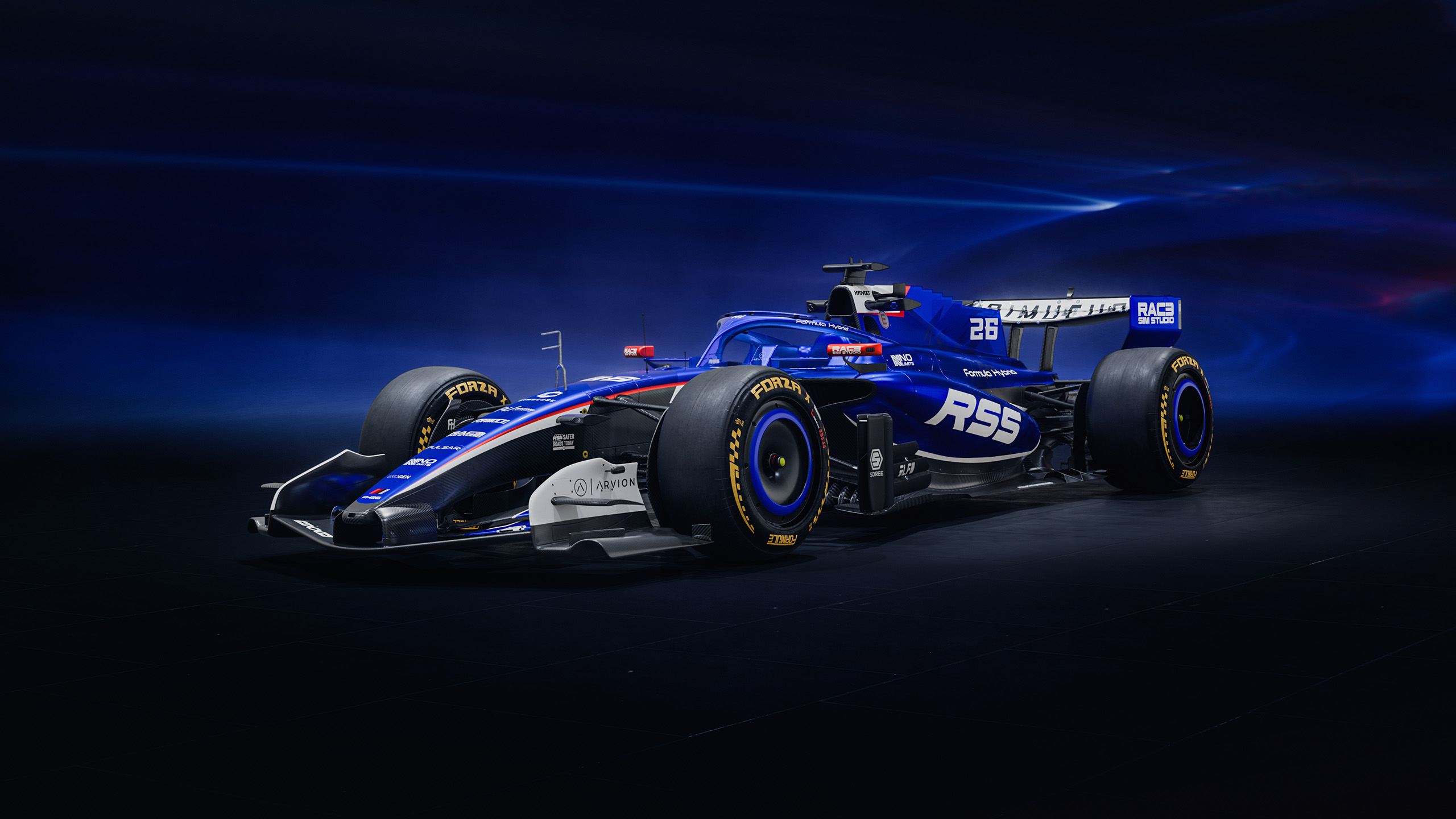
Race Sim Studio has released the Formula Hybrid 2026 for Assetto Corsa, bringing active aerodynamics, a new 350 kW hybrid system, adaptive ERS deployment, and an extensive suite of racing…
Kunos Simulazioni has shared a detailed look at the future of Assetto Corsa EVO, outlining changes to the game's development direction and revealing more information about its long-awaited Free Roam…
Conspit CHS · $369 Conspit sent this product to me for review. Conspit has entered the shifter market with the CHS, a dual-mode shifter that combines a 7-gear H-pattern with…
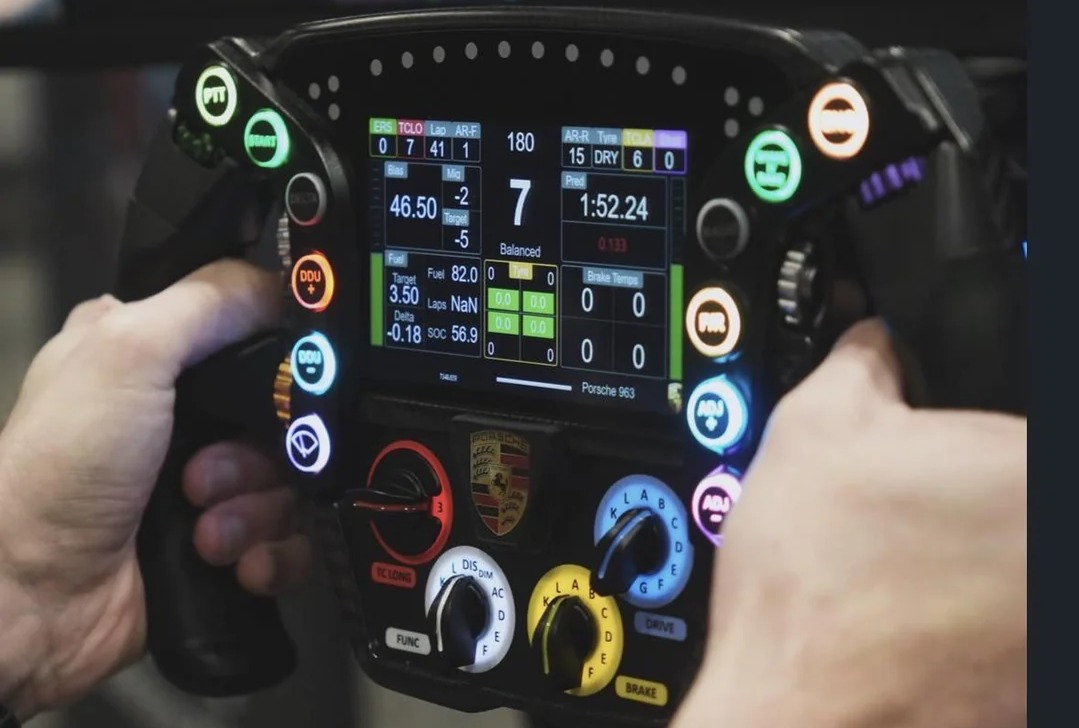
After making its public debut in Chicago, Sim-Lab is bringing its upcoming Porsche 963 replica steering wheel to SimRacing Expo Frankfurt for another major showcase.
Gran Turismo 7 Spec IV Part 1 arrives October 15 with Sportsland SUGO, six new cars including the Ferrari F355, new Brand Central challenges, Car Concierge, Car Viewer and more.
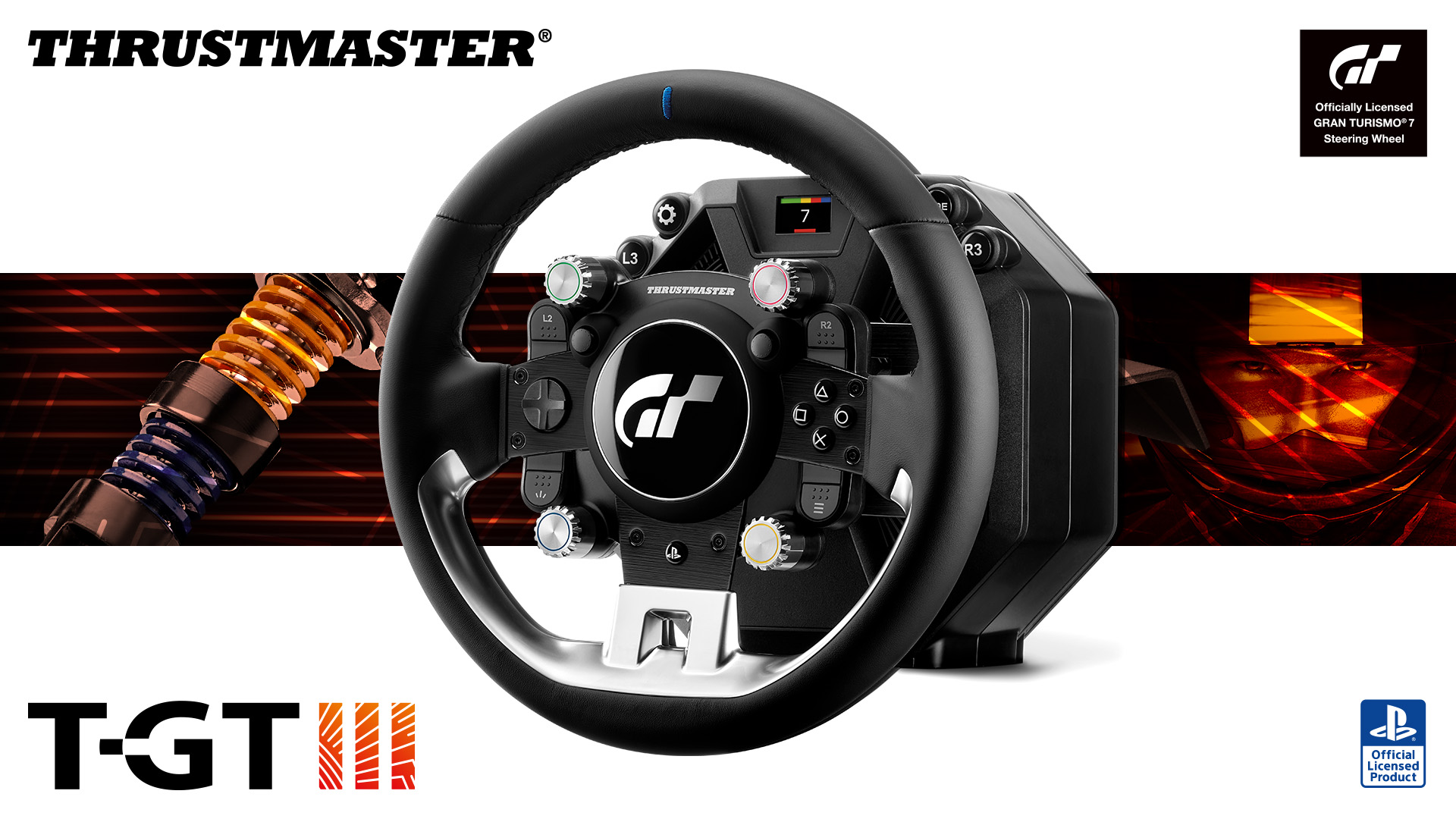
The new Thrustmaster T-GT III brings Direct Axial Drive, 5 Nm of constant torque, load cell pedals, and dedicated Gran Turismo 7 haptics to PS5 and PS4.
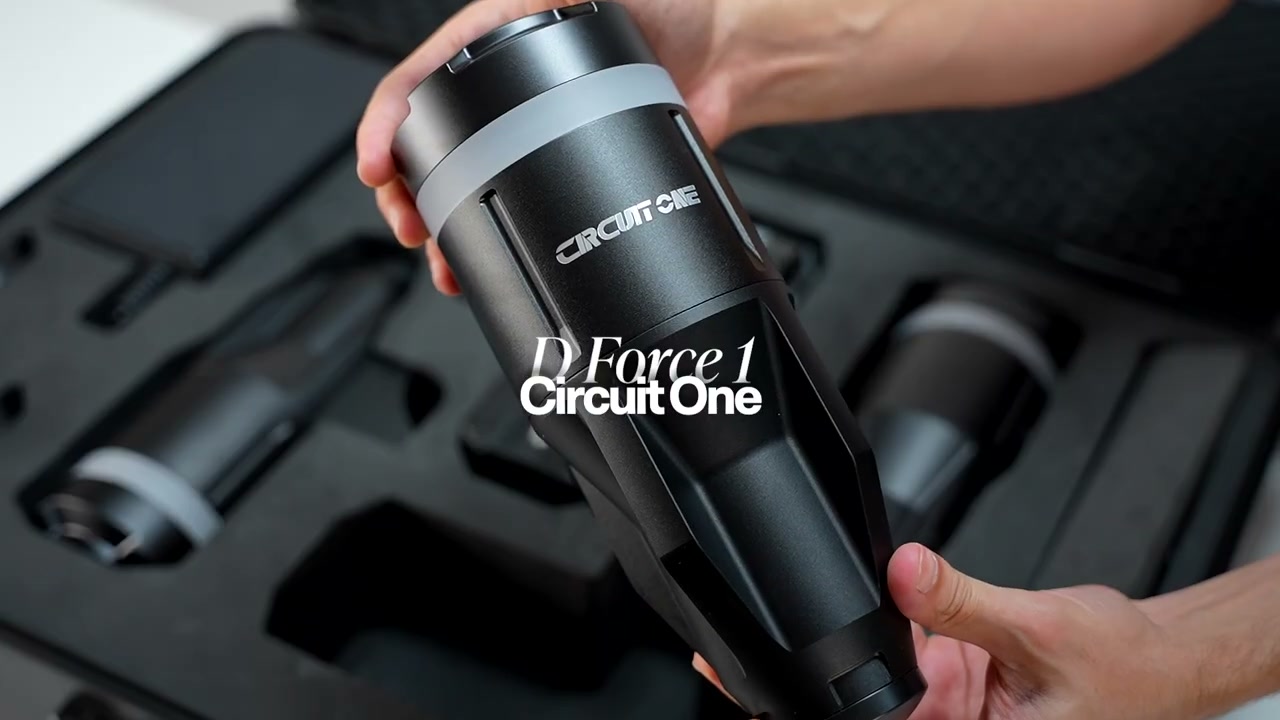
The Circuit One D Force 1 packs four motion actuators into a suitcase, installs in about 10 minutes, and trades big travel for detail you can actually use.






Trak Racer TRX V2: Everything You Need to Know Before Buying - OC Racing says:
[…] Full TRX V2 Review Official Trak Racer Website Trusted Trak Racer Distributors […]